18
18


Awkwafina, the New York rapper who broke into Hollywood
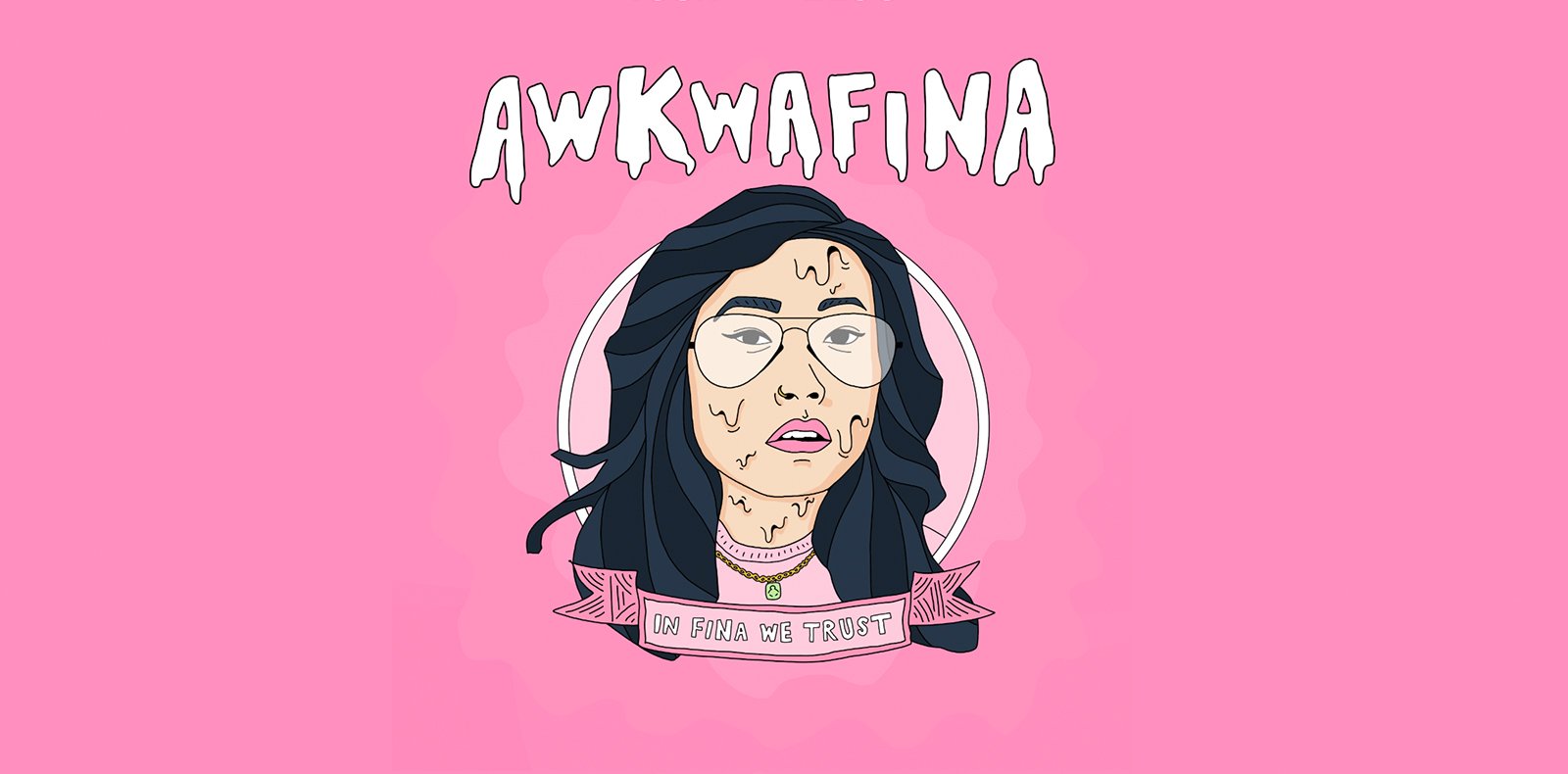
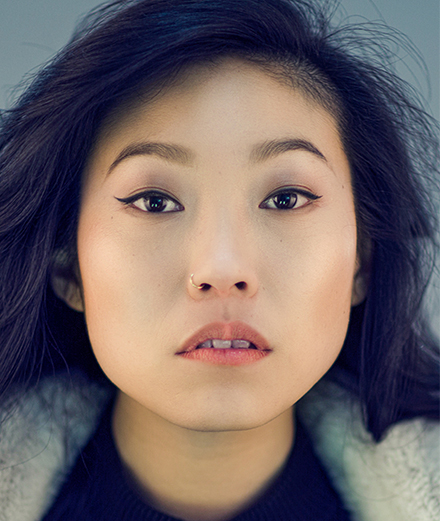
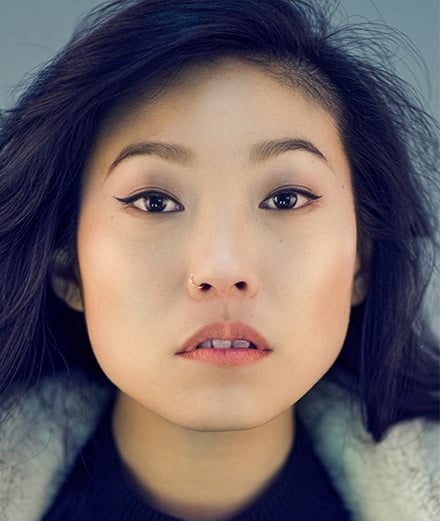
Nora Lum, aka Awkwafina, first made a name for herself as a rapper. The New York native then made an impressive foray into the film industry, and eventually won the Golden Globe for Best Actress in a Motion Picture Comedy or Musical for Lulu Wang’s feature The Farewell (2019) in 2020. Focus on a committed singer-songwriter and actress.
By Margaux Coratte.
Published on 2 September 2020. Updated on 18 June 2026.
Sex, humour, punchlines… An uninhibited self-made woman
“Pretending to be a rich person is probably the hardest acting I’ve ever had to do,” Awkwafina shared to the Times in 2019. Born into a modest family with immigrant parents living in Queens, Nora Lum, her real name, has certainly paved her own way in life. From rap music to movies broadcast on TV and YouTube, the 38-year-old actress’s career has reached new heights in the past few years.
Put into the limelight thanks to her track My Vag, whose raw lyrics quickly went viral, Awkwafina made her debut in music. “Awkwafina is a genius and her vagina is 50 times better than a penis,” she declares without frills or metaphors. Everyone got warned… Written in response to rapper Mickey Avalon’s track My Dick provoking and violent criticism of feminists, My Vag twists the codes of rap. A genre where men loudly proclaim the superiority of their gender over women…
Hers is a sort of trash-feminism, where the words “pussy” and “vag” are no longer taboo. They are not an insult, but rather symbolise a powerful feminine identity. In that highly-masculine environment, the singer’s lyrics hit like a bomb, upsetting a lot of people. Reflecting her commitment to fighting prejudice and sexual harassment, they denounce a very sexist environment tinged with racism.
Released with a four-year interval, the albums Yellow Ranger (2014) and the slightly megalomaniacal In Fina We Trust (2018) explored key social questions. All the while reinforcing the image of an artist with an oversized ego that she built for herself. Proud of her Asian origins, she denounces the prevailing racism plaguing America. The artist asserts herself as a strong woman who owes her success to no one but herself.
In Green Tea (2016), a duet with the famous actress Margaret Cho, she swept away any gendered representations. The two women had fun with the ever-present stereotypes about the Asian community. “Flip a stereotype / How an Asian bitch got concubines?” she sang. While one could argue that her lyrics are too simplistic sometimes, the impact they have on listeners is undeniable. Her hoarse voice contrasts with binary beats and the repetitive consonances are the main ingredients for her short, catchy tracks. From the pedestal she’s put herself on, Awkwafina uses her lyrics to compliment herself. Her self-deprecating humour further emphasises her singularity.
From Queens, New York, to the red carpet
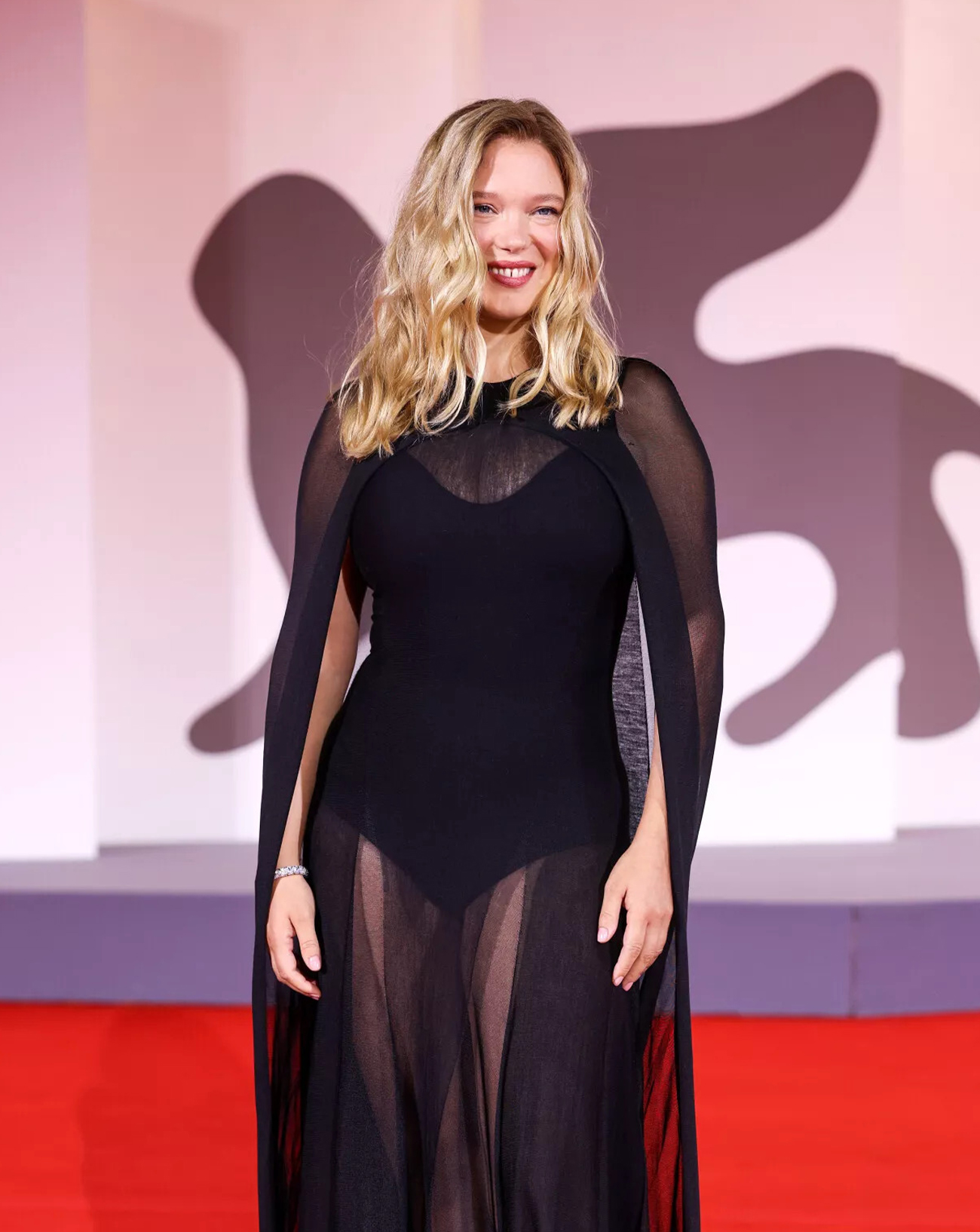
2018 marked a milestone in the singer’s career, which took an unexpected turn. Starring in three features in the space of just a few months — Dude, Ocean’s 8 and Crazy Rich Asian — she was suddenly at the top next to Rihanna, Cate Blanchett and Anne Hathaway. While her characters in the first two movies don’t directly address the issue of racism, her role as Peik Lin Goh in Jon Chu’s film Crazy Rich Asian (2018) gave her the opportunity to tackle it. The first Hollywood movie with a 100% Asian cast since Wayne Wang‘s The Joy Luck Club (1993) was a box office smash in the US. The film grossed over $120 million. As the new darling of Hollywood blockbusters, the American star is busy forging her image as an extravagant, committed actress.
With the movie The Farewell (2019), she made a sensational foray into the drama genre. A deep dive into a Sino-American family devastated by the news of their grandmother’s incurable illness. Awkwafina plays Billi, a writer torn between two opposing cultures. Echoing her origins and own personal dramas — her mother died when she was just four — the film questions the complexity of a dual-cultural identity. Her performance earned her the Golden Globes for Best Actress in a Motion Picture Comedy. She thus became the first Asian actress to ever receive this award. A promising performer leading a new generation of women whose voices are loud and proud.