18
18


7 scandals that shook the Cannes Film Festival from Isabelle Adjani to Julia Roberts
Since its very first edition in 1939, the Cannes Film Festival has established itself as a prominent film festival and space where directors, producers, and actors from around the world meet. But what makes it special is not just the great features and the numerous stars walking on the red carpet. The Croisette has also been the stage of many scandals and controversies. For the 76th edition of the film festival, Numéro looked back at five famous scandals.
Published on 25 May 2023. Updated on 18 May 2026.
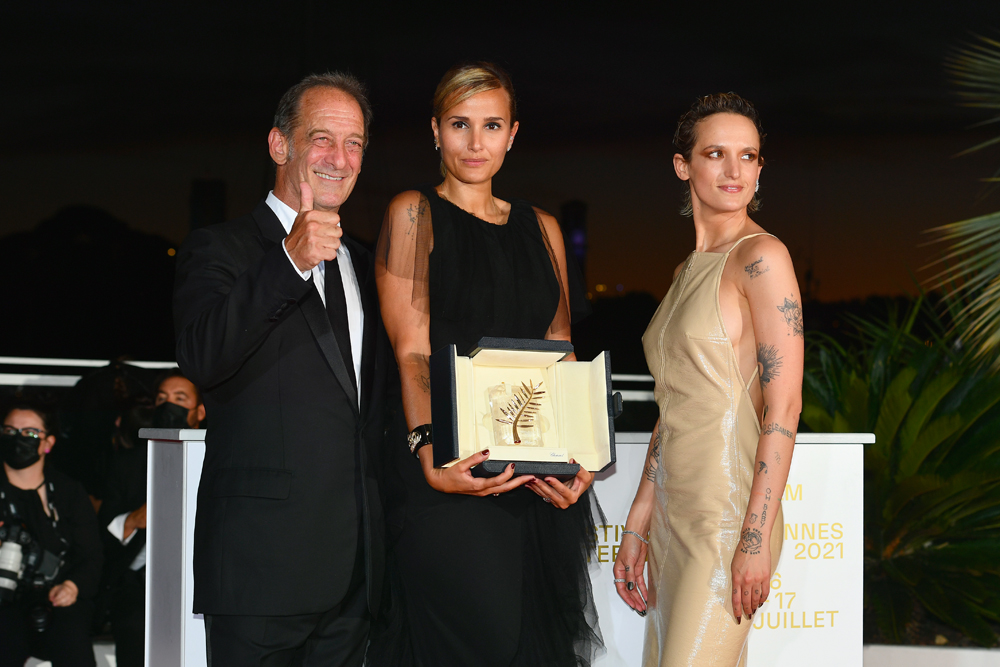
Awkward moments and hasty departures during screenings at the Cannes Film Festival
While the most memorable scandals of the Cannes Film Festival have often occurred on the red carpet, some of the most talked-about ones have also occurred in the middle of the screenings. In order for a film to enter the official competition and to compete for the various prizes – the most prestigious being the Palme d’Or – it must meet a series of criteria. One of them is that the feature must have never been shown in cinemas before its screening in Cannes.
This prerequisite has made it possible for many great films to be discovered, but it has also led to some uncomfortable moments at the Palais des Festivals. The most recent example came after the screening of Coralie Fargeat’s film The Substance (2024). A maximalist feature on the cult of youth and beauty in Hollywood through which the director delivers a feminist horror gem. Gory mutilations, torrents of blood… The filmmaker’s fresco was unbearable for some audience members, who chose to leave the dark room halfway through the screening.
Another example was the screening of Julia Ducournau’s Titanium (2021), when a handful of spectators felt terribly nauseous while watching the French director’s horror thriller. However, those early departures did not prevent the director of Grave (2016) from winning the Palme d’Or for her film.
In the past, other scenes of features unveiled at the festival had stirred indignation, and even anger, among the spectators. The endless fellatio scene in Vincent Gallo’s The Brown Bunny (2004) starring Chloë Sevigny, or the harrowing rape scene filmed in a sequence shot in Gaspard Noé’s Irreversible (2002), starring Monica Bellucci, are two perfect examples.
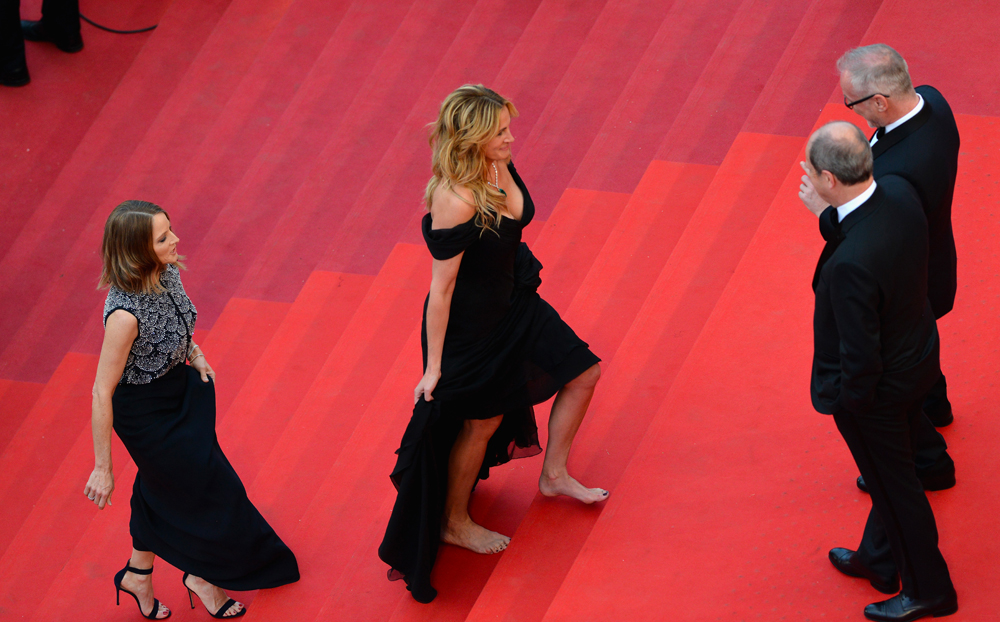
Julia Roberts’ stiletto-free red carpet appearance (2016)
As well as being a major event in the cinema industry, the Cannes Film Festival is also known for being one of the most glamorous festivals of the year. Celebrities compete in elegance and sophistication to create the event. However, the dress code has not changed and remains very strict since its creation. Women must wear long gowns and high heels to be able to walk on the famous red carpet.
In 2016, the American actress Julia Roberts decided otherwise and removed her stilettos to walk up the steps. Thus, the actress made a powerful statement about her independence, freedom, and feminist beliefs. On social media, the most supportive fans, who first saw her in the cult classic Pretty Woman (1990), praised her bold move against the sexism in the entertainment industry.
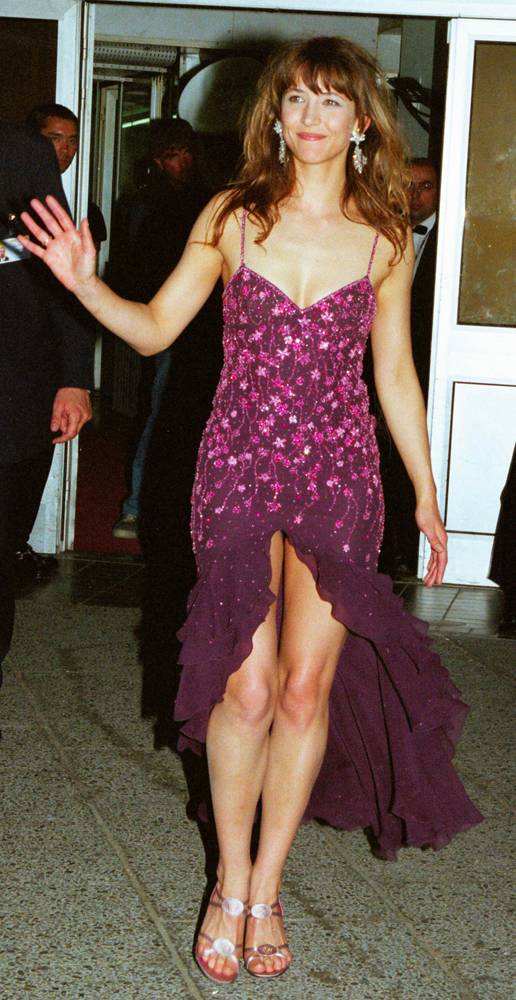
Sophie Marceau delivers a chaotic speech at the Palais des Festivals (1999)
In 1999, French actress Sophie Marceau, then 33 years old, was chosen to award the Palme d’Or to the Dardenne brothers for their film Rosetta, starring Émilie Dequenne. What followed was a confused speech that sparked strong reactions from the audience. That evening, the iconic actress from La Boum (1980) decided to break free from her notes. She improvised a rambling tirade about the need to discuss subjects unrelated to cinema. Before her speech turned into a complete disaster, Sophie Marceau was interrupted by actress Kristin Scott Thomas, host of the 52nd Cannes Film Festival.
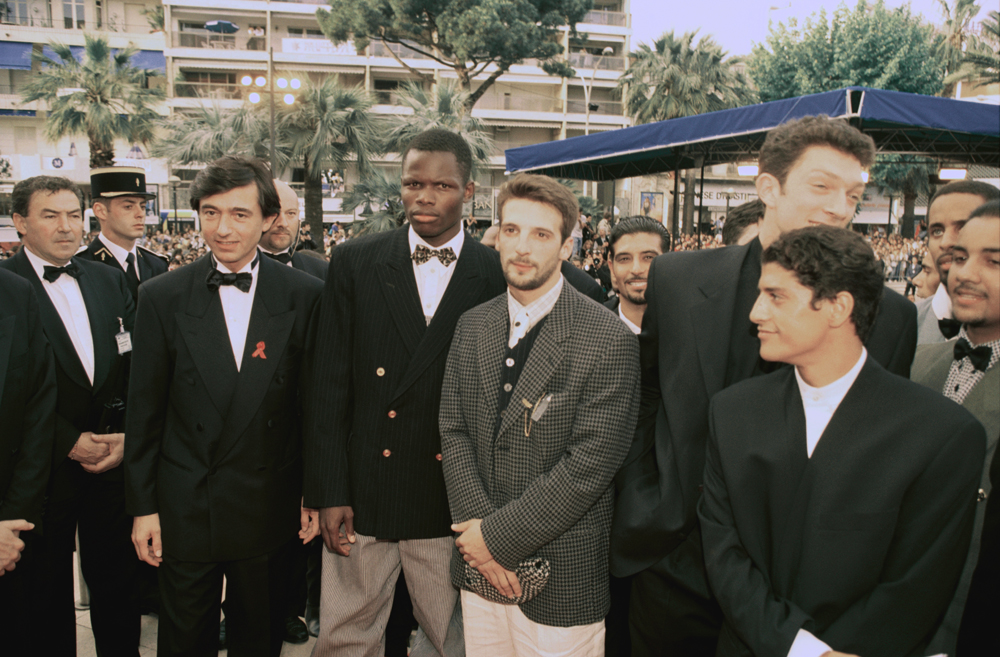
Police officers turning their backs on the crew of Mathieu Kassovitz’s film La Haine (1995)
In 1995, actor Mathieu Kassovitz was only 28 years old when he presented La Haine in competition at the Cannes Film Festival. The feature chronicles three young friends, Vinz (Vincent Cassel), Saïd (Saïd Taghmaoui) and Hubert (Hubert Koundé). The three young men live in a “banlieue” near Paris and wander around their neighborhood in the aftermath of a riot triggered by police brutality. Throughout the film, the director tackles the issues of discrimination and violence in the poorer French suburbs. He uncovers the way in which these problems are perceived and dealt with by law enforcement.
Seeing Mathieu Kassovitz’s film as an anti-police pamphlet, some representatives of the police force present on the Croisette the day of the screening to ensure safety, decided to turn their backs on the film crew in protest. Unappreciated by the police but widely acclaimed by the critics and the audience, La Haine won the award for Best Director in 1995. The following year, it won three additional awards at the César ceremony, including Best Picture.
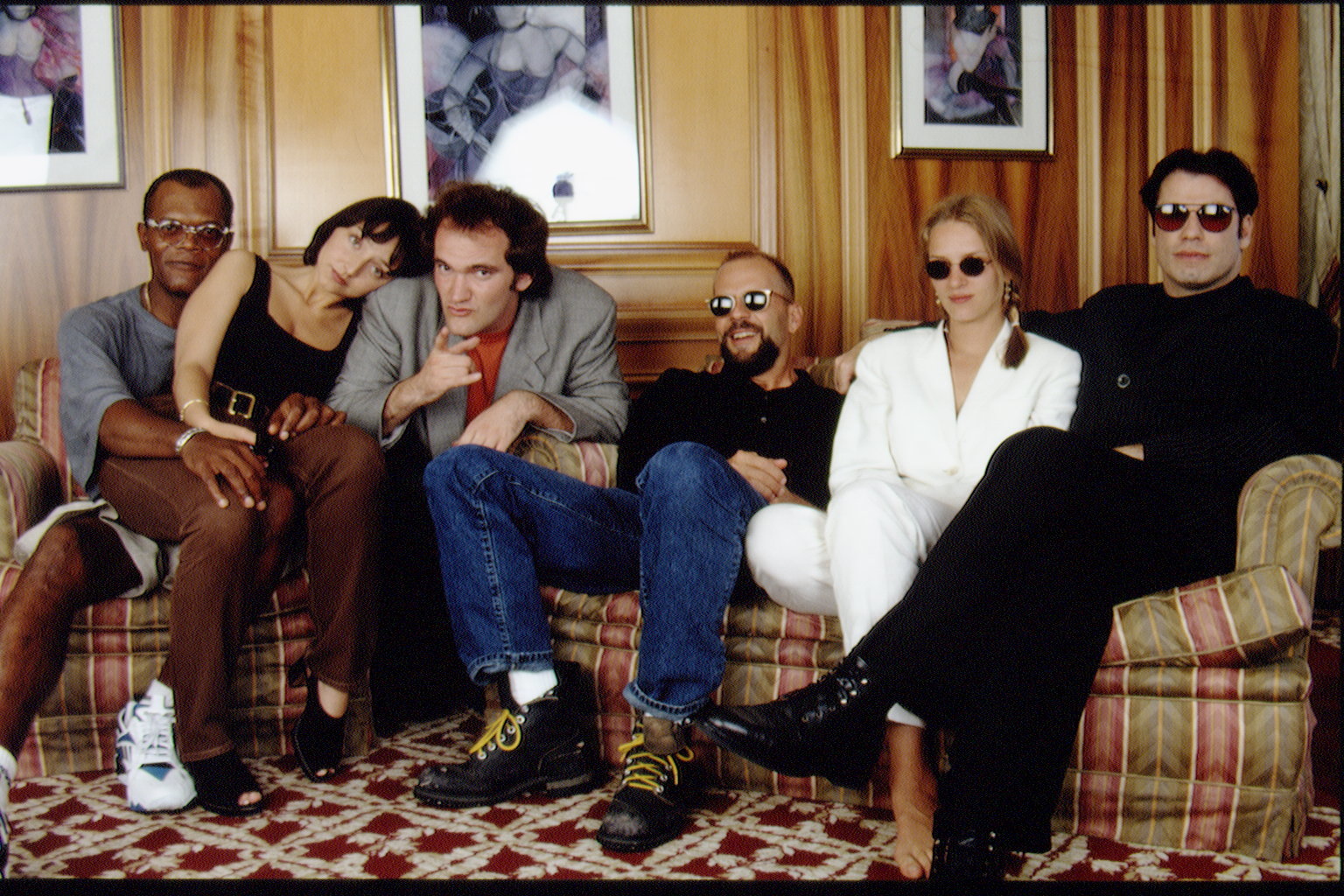
Quentin Tarantino’s middle finger at the audience after the screening of Pulp Fiction (1994)
In 1994, American director Quentin Tarantino presented his brand-new feature Pulp Fiction at the Cannes Film Festival. The stellar cast included actress Uma Thurman, Bruce Willis, Samuel L. Jackson, and John Travolta. That same year, Clint Eastwood, actor and director of Play Misty for Me (1971) and Unforgiven (1993), chaired the awards ceremony. Quentin Tarantino’s thriller seemed to have hit the nail on the head as it received the Palme d’Or for Best Picture.
The evening could have been perfect for the Knoxville-born director if only one of the audience members had not disrupted the ceremony. The latter shouted: “Pulp Fiction is a piece of crap! What a piece of crap! It is outrageous!” To which the director responded with a middle finger that eventually became legend.
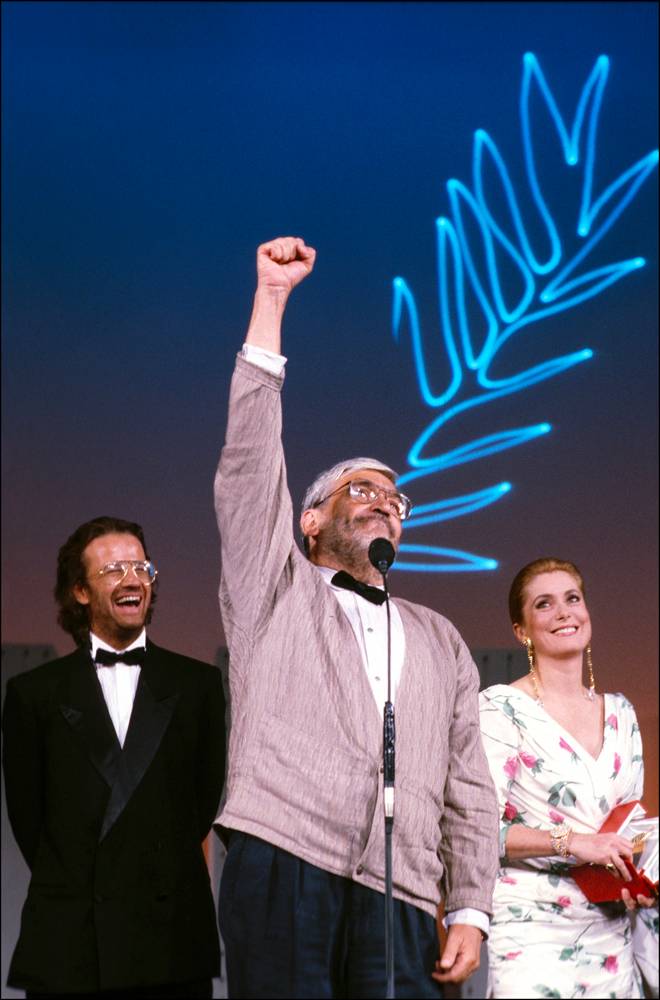
Director Maurice Pialat criticised over his Palme d’Or win (1987)
At the 40th edition of the Cannes Film Festival in 1987, director Maurice Pialat received the Palme d’Or for Under the Sun of Satan. His feature was adapted from Georges Bernanos’s novel of the same name. While the jury, presided over by actor Yves Montand, chose to honour this religious drama, the audience gathered at the Palais des Festivals strongly disagreed with that decision. As the results came out, spectators began whistling and booing the filmmaker. In response to the uproar, Maurice Pialat delivered a short answer to his detractors: “If you don’t like me, I can tell you that neither do I.”
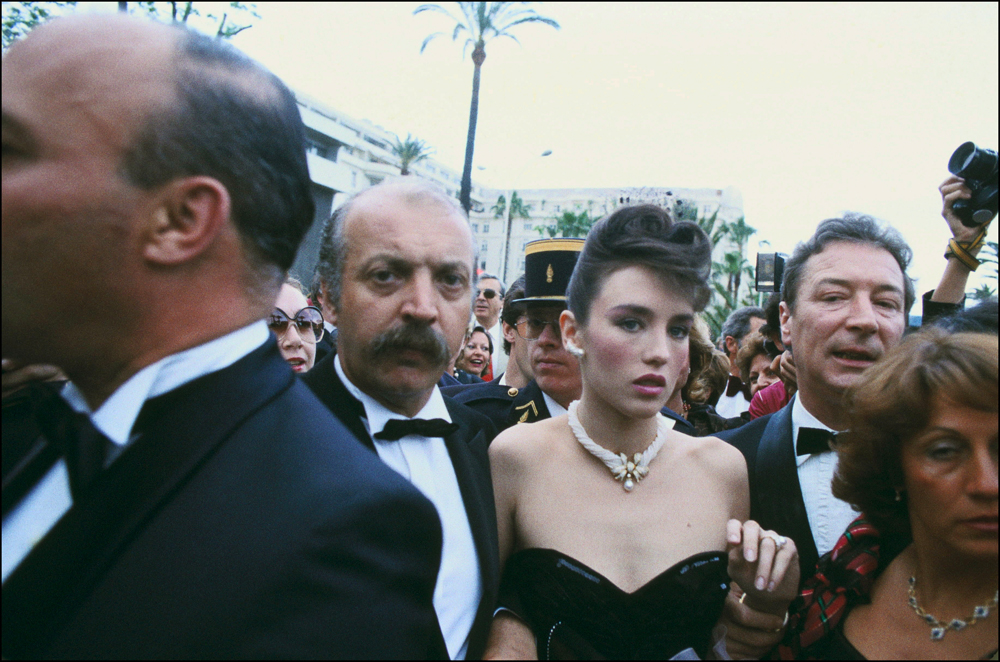
Isabelle Adjani and the photographers’ strike at Cannes (1983)
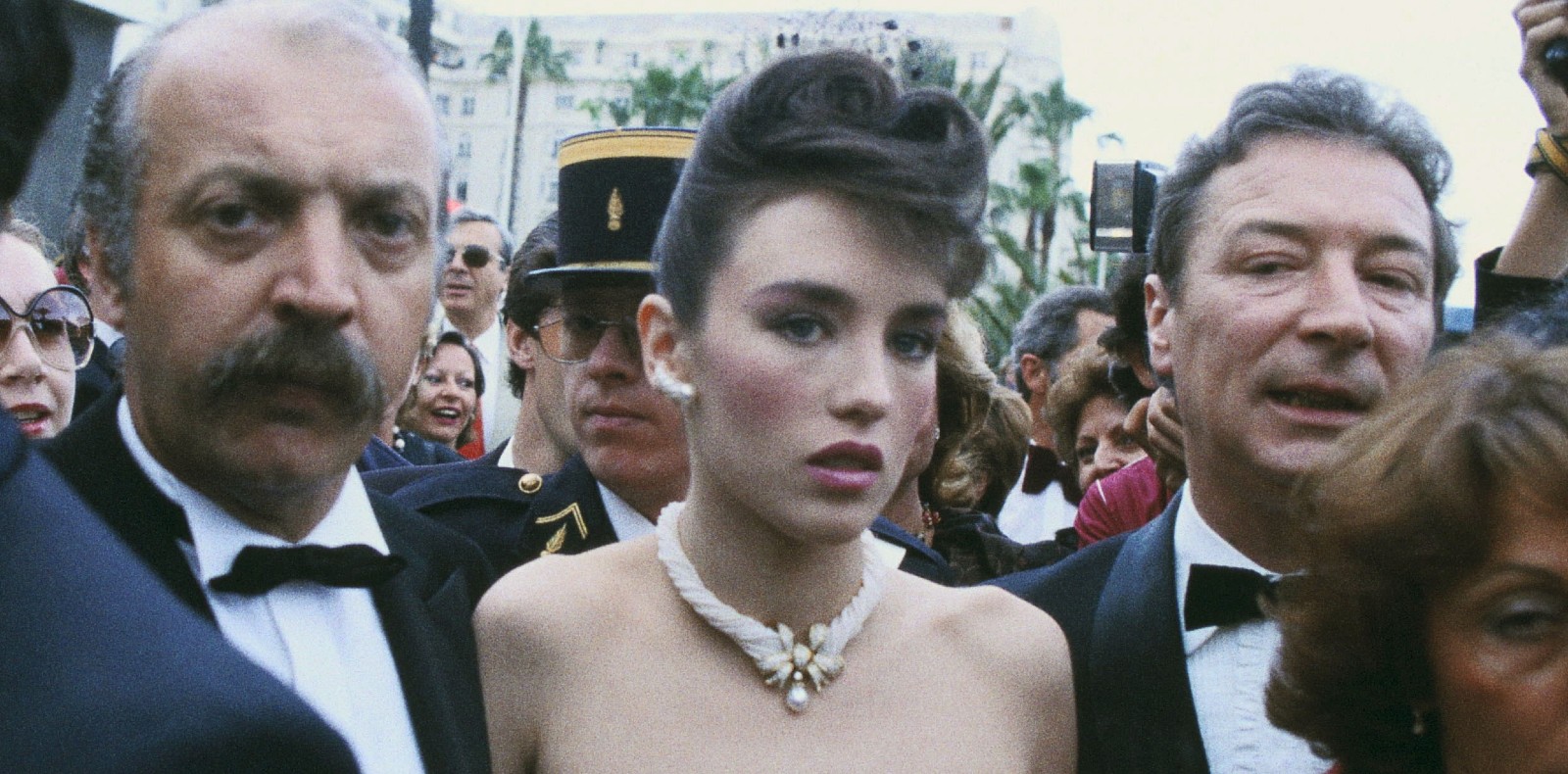
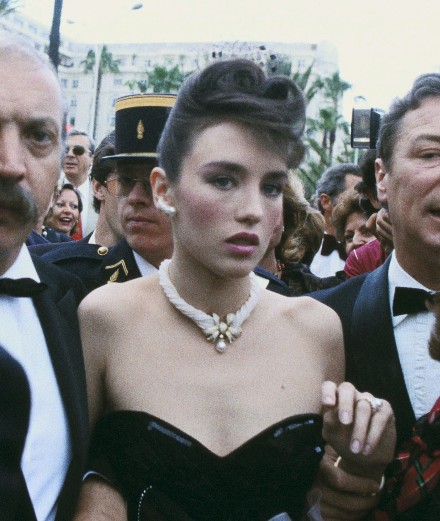
The French actress was 27 years old when she received the first major award of her career in 1982. Isabelle Adjani was awarded the César for best actress for her role as Anna in Possession (1981), written and directed by Andrzej Żuławski. A year later, in 1983, she had been invited to the Cannes Film Festival following her nomination for Jean Becker’s film One Deadly Summer. She won another César with that feature. As the 36th edition of the festival began, the actress decided not to appear before the photographers during a press photo shoot.
A seemingly insignificant choice that caused a stir at the time. Photographers even went on strike during her red carpet appearance. To show their dissatisfaction, they unanimously refused to photograph the young and highly successful actress. It ended up in a breathtaking scene in which the ground was full of cameras as the crew of One Deadly Summer made their way up the steps.
The 79th edition of the Cannes Film Festival will take place from May 12th to 23rd, 2026.