29
29


From Madonna to RuPaul, how self-love conquered the world
Over the last few decades, self-love has infiltrated every corner of our existence, from speeches made by famous figures to smartphone apps, Instagram posts and weekend conferences. Numéro takes a closer at a phenomenon firmly anchored in the zeitgeist.
By Matthieu Jacquet.
Published on 3 September 2020. Updated on 29 April 2026.
“There is no real safety except self-belief,” Madonna stated in 2016 at the Billboard Women in Music ceremony. In her ten-minute powerful speech, the iconic singer focused on perseverance and the necessity of believing in one’s own capacity to make dreams come true. Among other quotes, that sentence can be heard in the latest video for the Unfiltered project directed by Jérôme Spleen for Numéro, presented as a manifesto for the affirmation and expression of oneself. Uttered by the biggest international stars, these words sound like a universal leitmotif. A useful and necessary mantra in an era filled with doubt, individualism and competition.
This public practice of positive thinking stems from an international phenomenon — self-love. Type it into any social platform. The hashtag alone brings up over 37 million posts on Instagram, including countless inspirational phrases against pastel backgrounds, smiling and determined faces, naked bodies supporting the bravery of assertiveness, and statements that could have come straight out of your teenage secret diary.
While Instagram is probably the perfect place for narcissism and the exaltation of the individual, Google and other search engines also give pride of place to self-love. In recent years, endless articles have compiled optimistic quotes made by celebrities and YouTubers at TED Talks, all calling for motivation, along with lists brimming with advice on how to practice self-love in everyday life. The tips, or injunctions at times, are numerous. Start your day with a “self-love ritual”, learn to forgive yourself, become more forgiving of others, do what you feel comfortable with, don’t overdose on social media, avoid comparisons… All of them have one main goal in mind — to help us feel better.
A phenomenon anchored in pop culture
“To love oneself is the beginning of a lifelong romance.” Within the myriad articles dealing with self-love, it is not uncommon to see the return of a well-known quote by Oscar Wilde. Although we often refer to the 19th century Irish writer and poet, the second half of the 20th century brought its own waves of thought and artists who built their careers on this motto. Initiated by representatives of the Beat Generation, such as Jack Kerouac and Allen Ginsberg, then by the peaceful and libertarian values conveyed by the hippie movement, self-love continued to make an impression on the West through many public and media personalities.
Faced with a decline in faith linked to the growing gap between customs and religions, these new emissaries posture themselves as contemporary prophets and pagans preaching a virtuous and benevolent word adapted to the challenges of today and tomorrow.
Pop music, a genre that flourished from the 1960s onward, has seen the elevation of these idols. Right from the start back in the 1980s, Madonna‘s discography has always been full of odes to self-acceptance. From “you deserve the best in life” on the track Express Yourself to “you’re a superstar, yes, that’s what you are” on Vogue, the American singer’s advice to her audience has always been very clear… Believe in your ability to become the best version of yourself. A clear reflection of the choices that have presided over her own career.
A few decades later, Beyoncé declared: “Your self-worth is determined by you. You don’t have to depend on someone telling you who you are.” This new assertion of independence is reminiscent of the American myth of the self-made man, first stated by the African-American activist Frederik Douglass in 1859. Any individual owes his success to nobody but himself… Not to his family, his heritage, nor his relationships.
A liberating and profitable phenomenon
Today, self-love has become a veritable business opportunity. The terms ‘love’, ‘dream’ and ‘believe in yourself’ have become a ‘must’ in interior design. One can think of stickers on walls, magnets on the fridge, and a whole slew of apps like ThinkUp, Happier or Simply Being, that accompany users in the daily practice of self-love. Meanwhile, workshops, seminars and weekends devoted to positive thinking are flourishing all over the world…
An international day dedicated to self-care — the consequence of self-love — was created on July 24th. In the United States, the month of September is now the official “national self-care month”… A great way to guarantee a successful and happy return to school and work after the extended summer break. Concurrent with the ever-increasing power of social media, self-love seems to induce with it a certain reification of the body and mind, thus subjected to the regime of performance and competitiveness produced by capitalism: hidden behind the acceptance of the individual, these new standards govern insidiously through the offerings of opportunity for self-improvement. Who will be their best selves living their best lives, without concessions and without reservations?
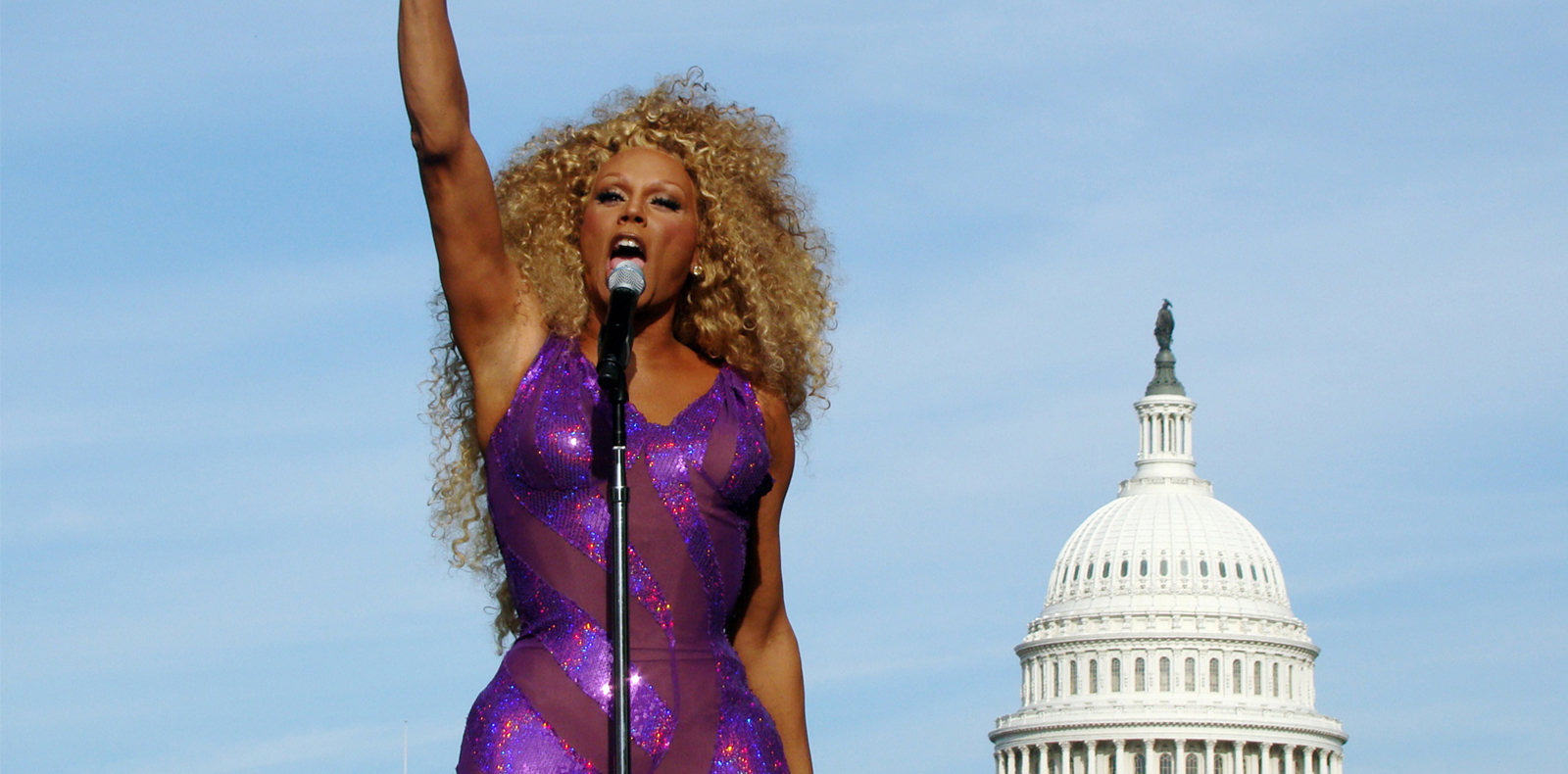
That said, no one can deny the impact of self-love in affirming and accepting diversity. In the United States, drag superstar RuPaul has based one of his favourite catchphrases on the concept: “If you can’t love yourself, how can you love somebody else? Can I get an amen up in here?”, is duly delivered at the end of each episode of the TV show RuPaul’s Drag Race. Because for minorities, these speeches are as much a vector of empowerment as emancipation and gaining confidence in oneself and one’s community — as the singer Lady Gaga also expressed in 2011 when she dedicated her track Born This Way to the uncomplicated assertion of her own singularity.
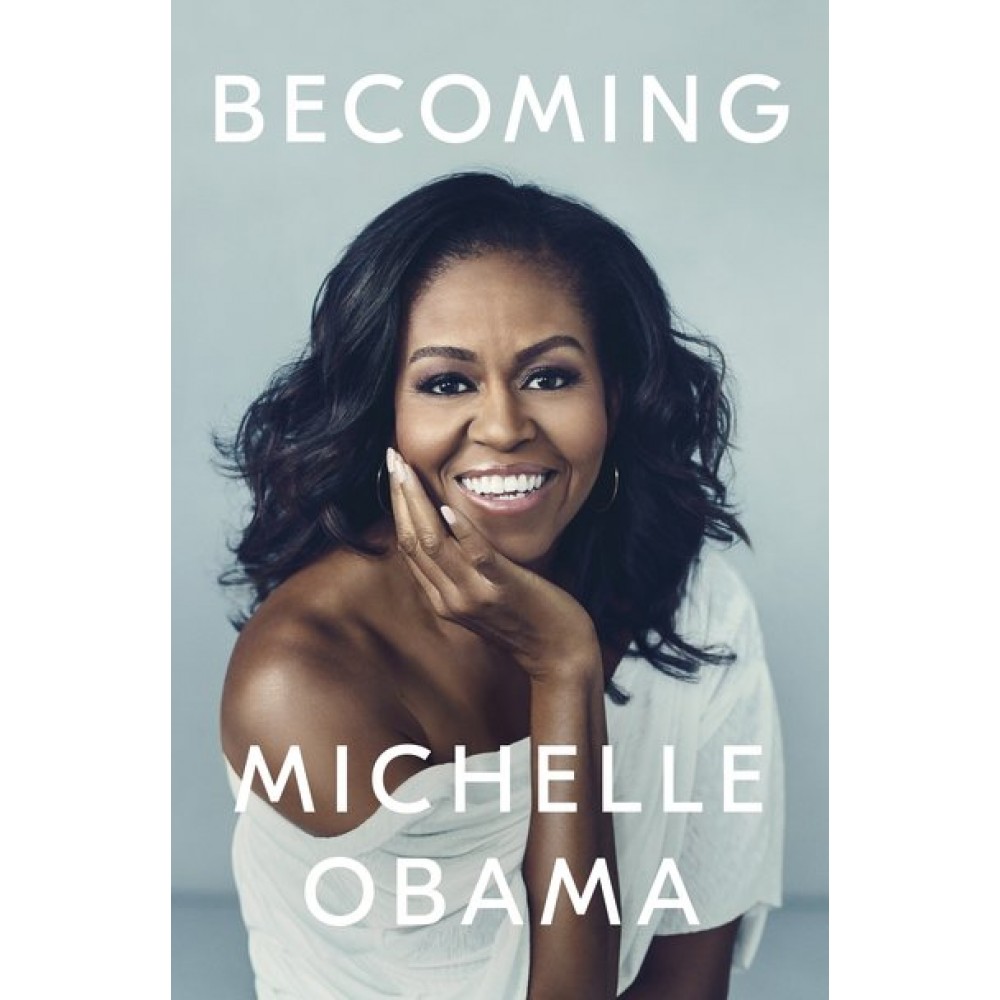
In her autobiography released in 2018, former First Lady Michelle Obama articulates the three sections of her book around the word “becoming”. First “Becoming Me”, then “Becoming Us” and, finally, “Becoming More.” Like so many modern tales, this international bestseller values “becoming” rather than “being” in a society that thrives on constant movement. A technique that subtly shows that self-love still has a bright future.