3
3


Nautical style and Roaring Twenties at the Ferragamo show
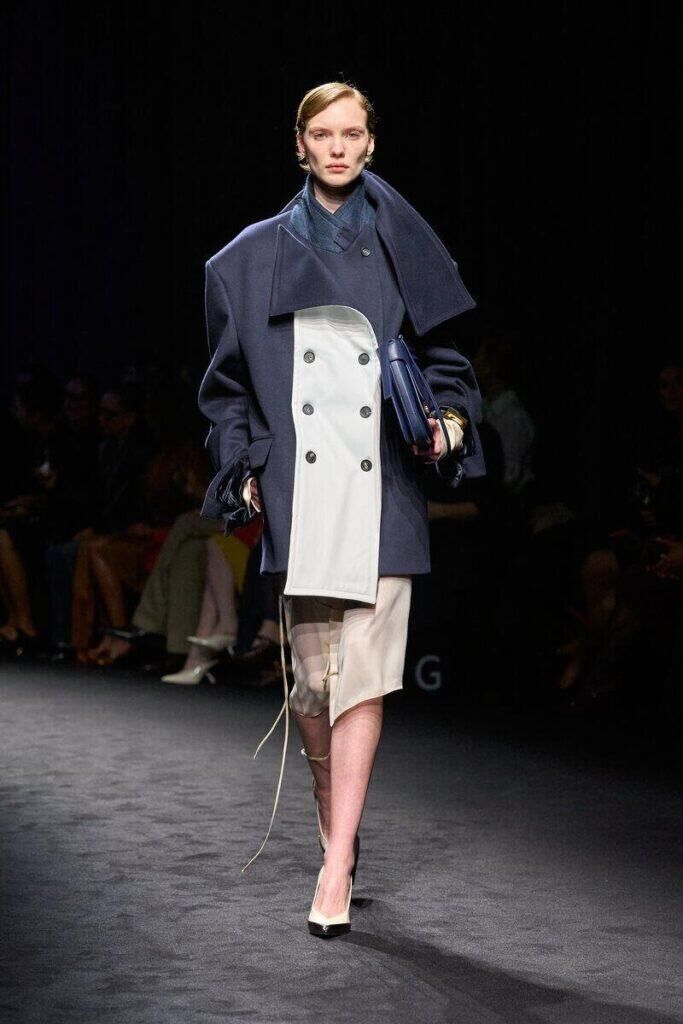
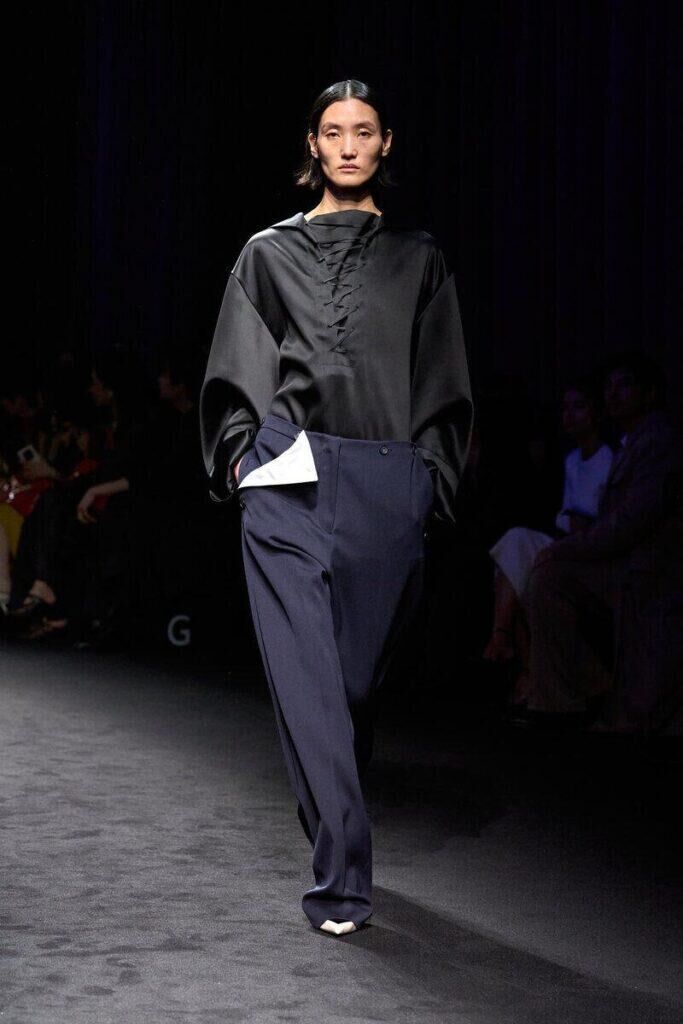
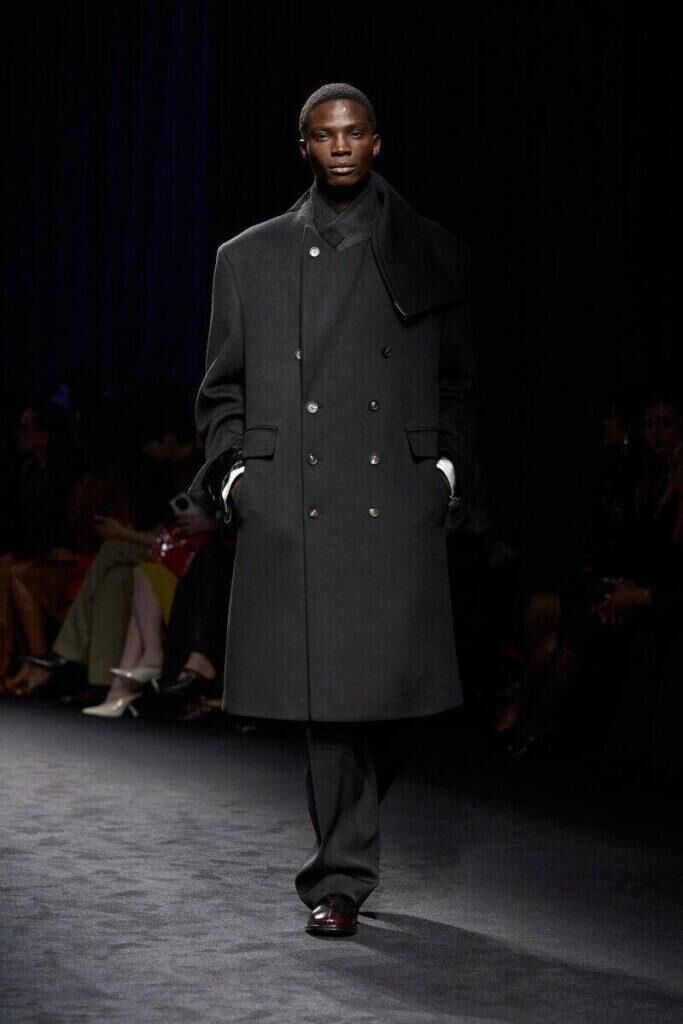
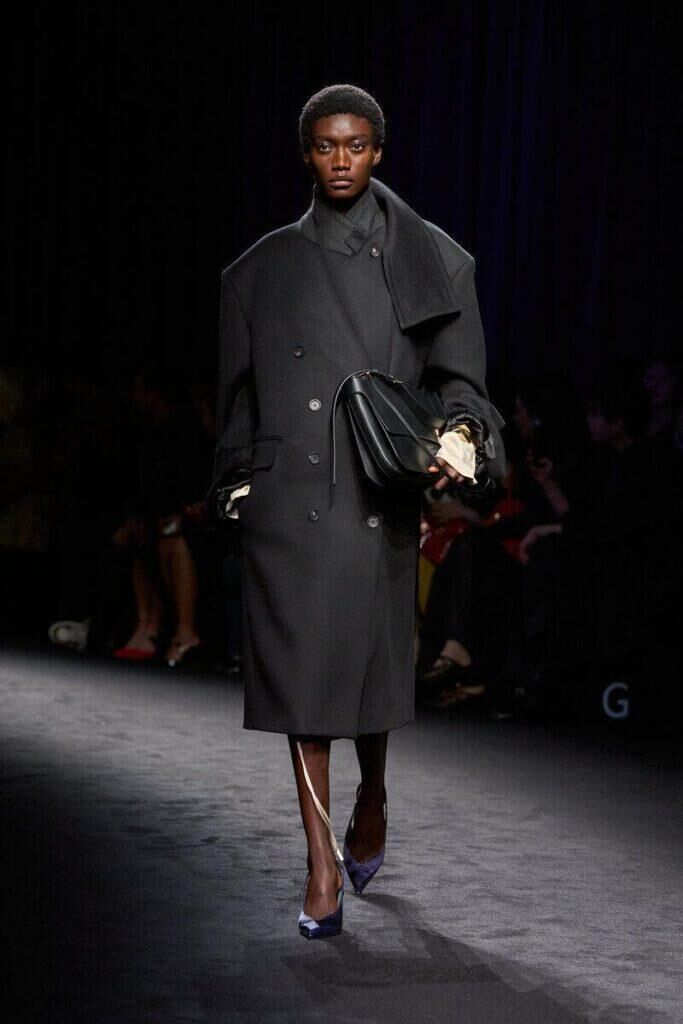
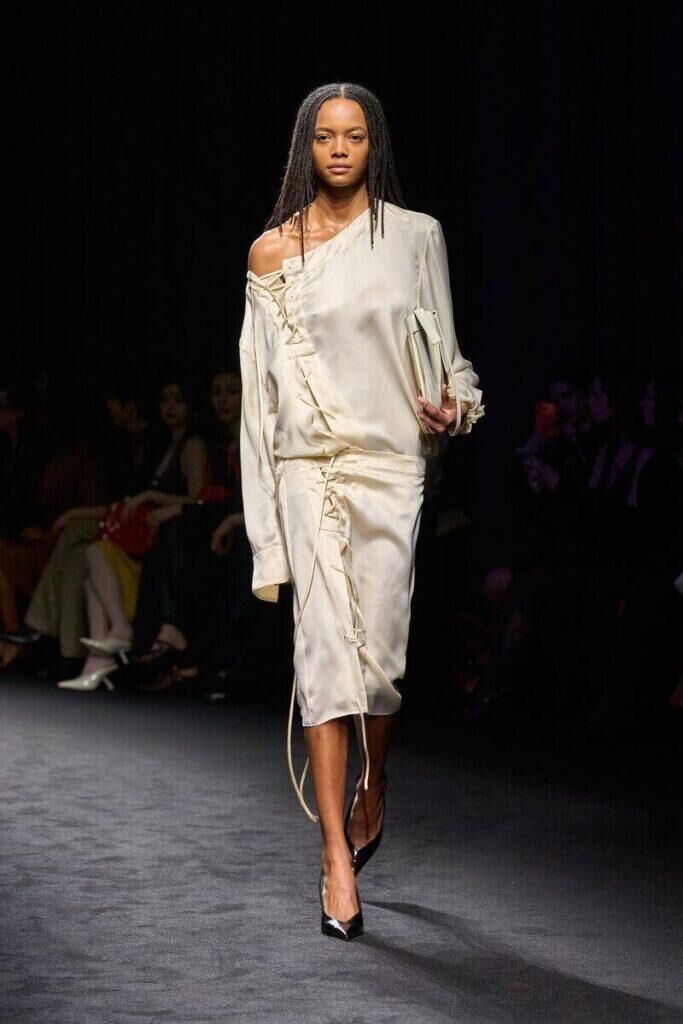
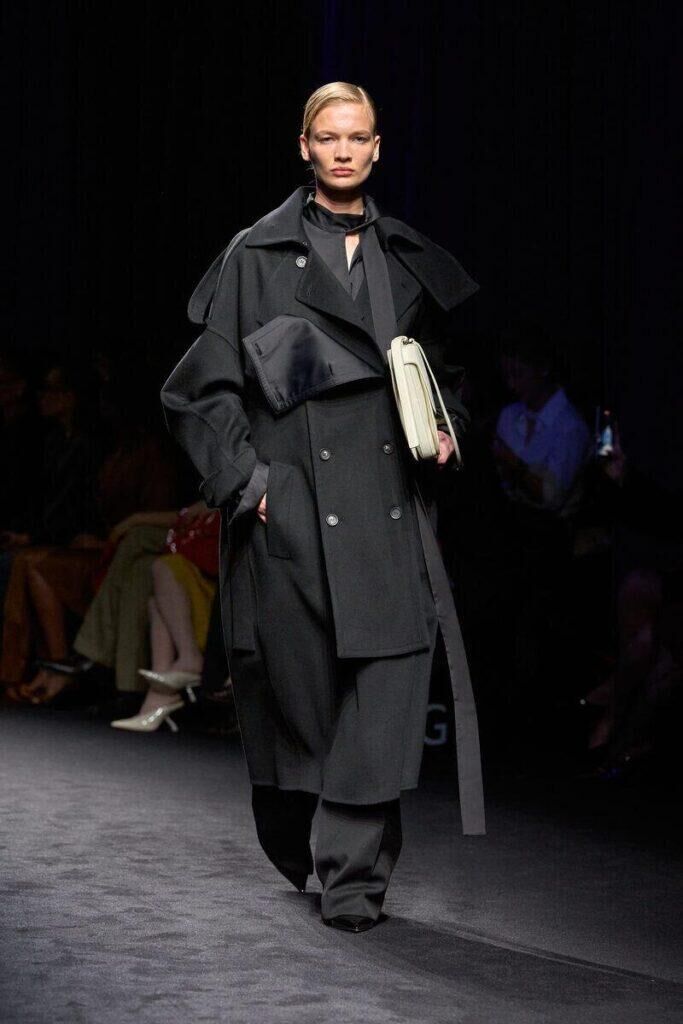
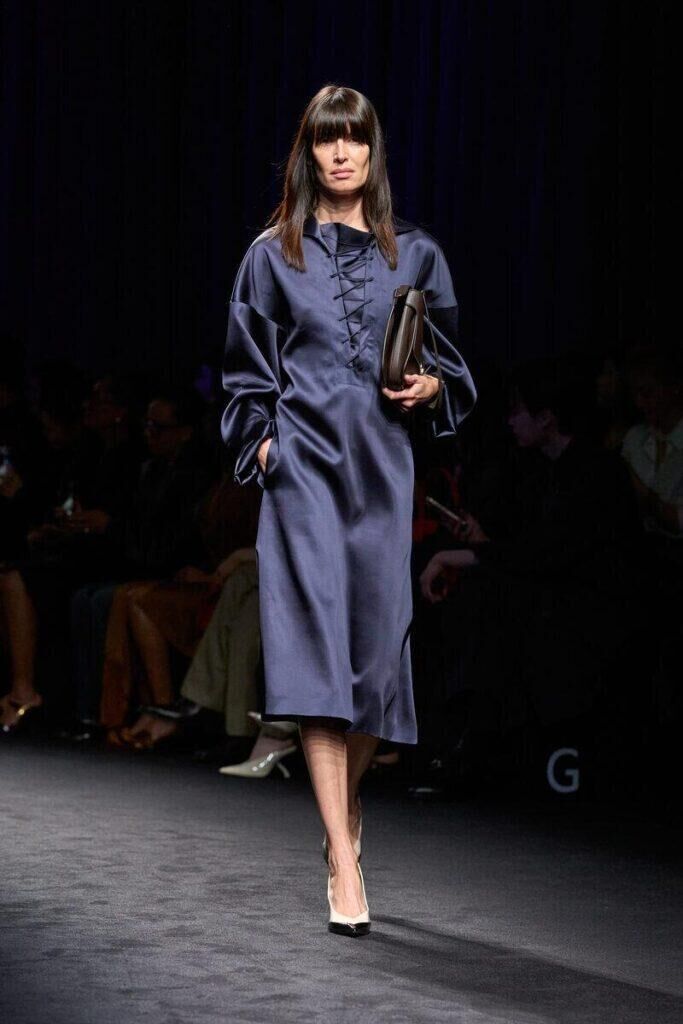
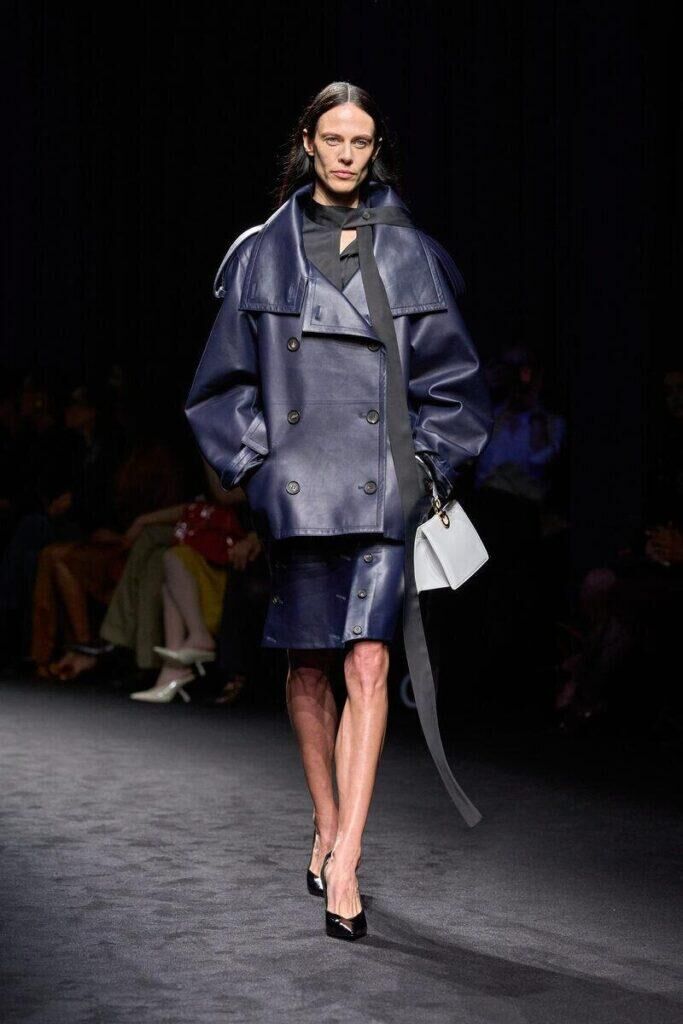
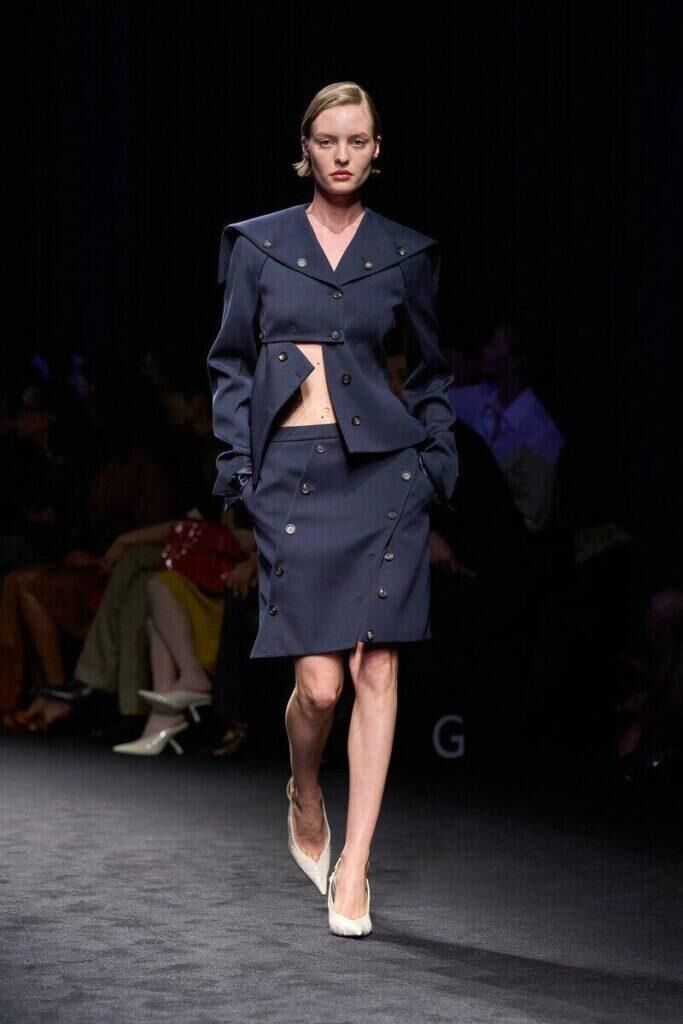
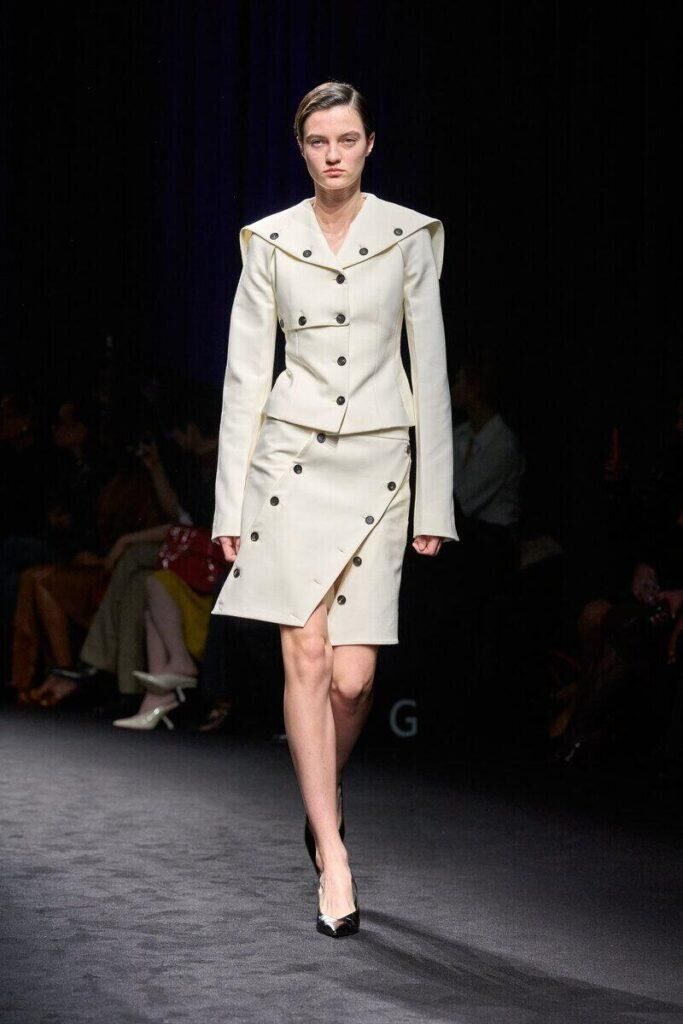
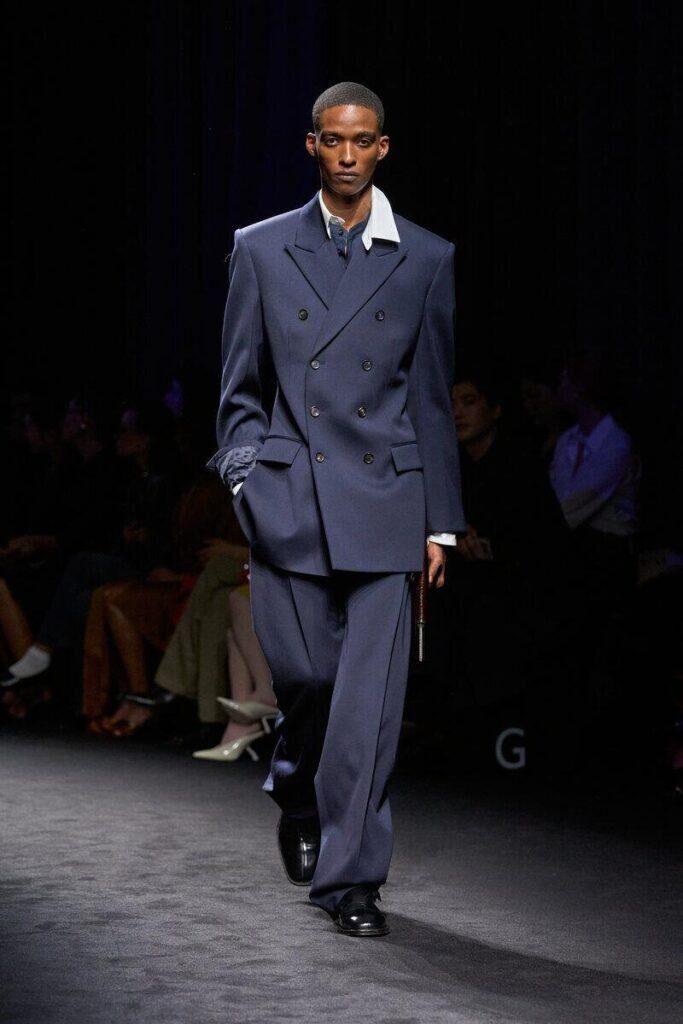
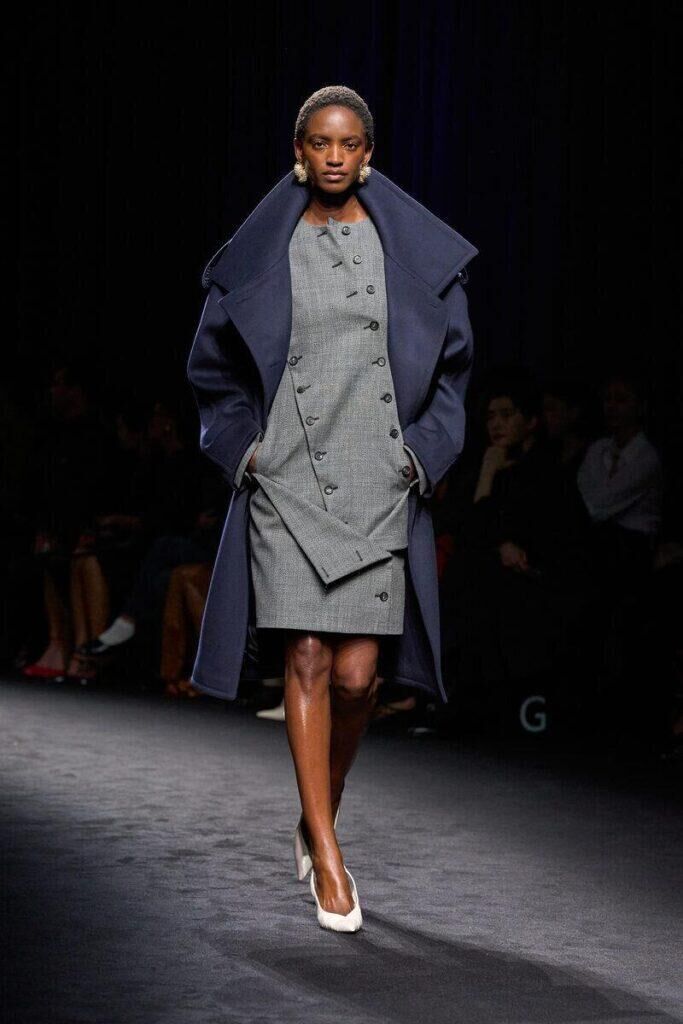
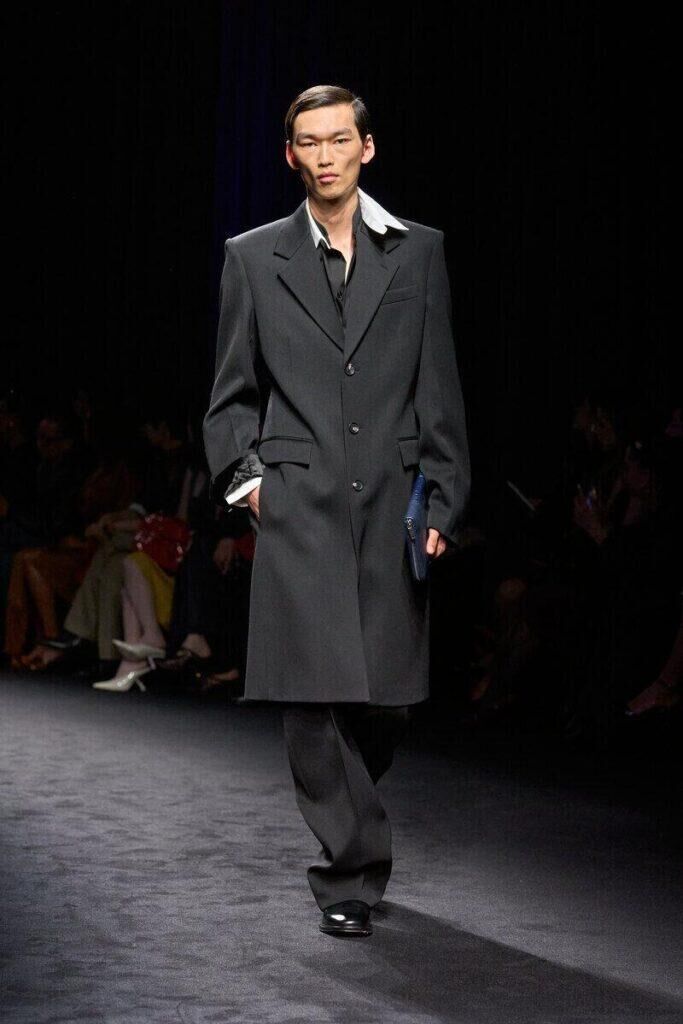
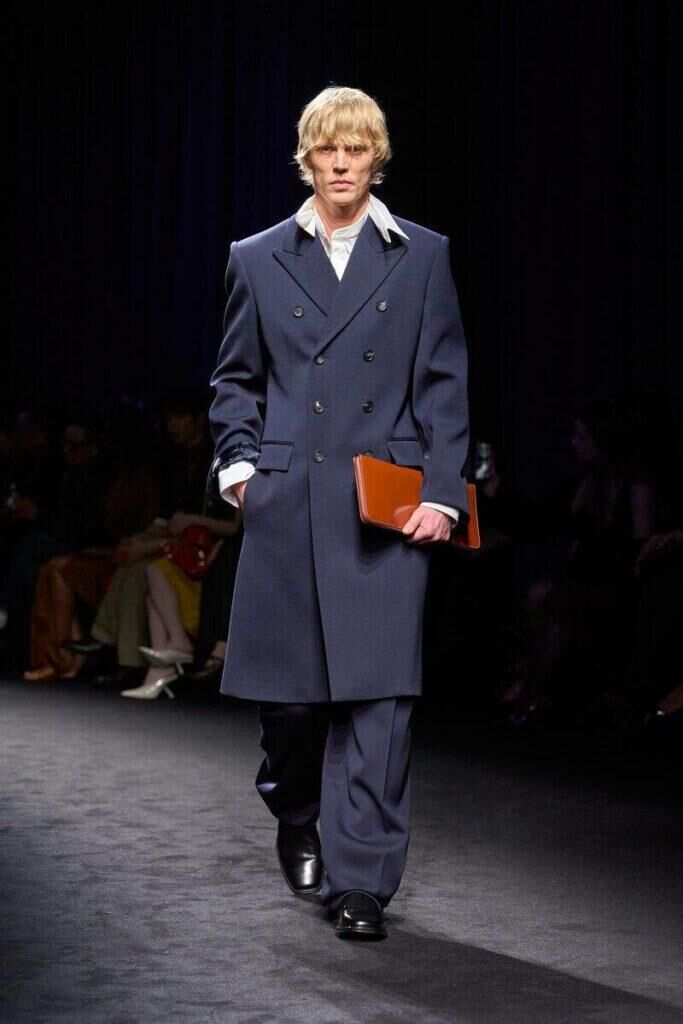
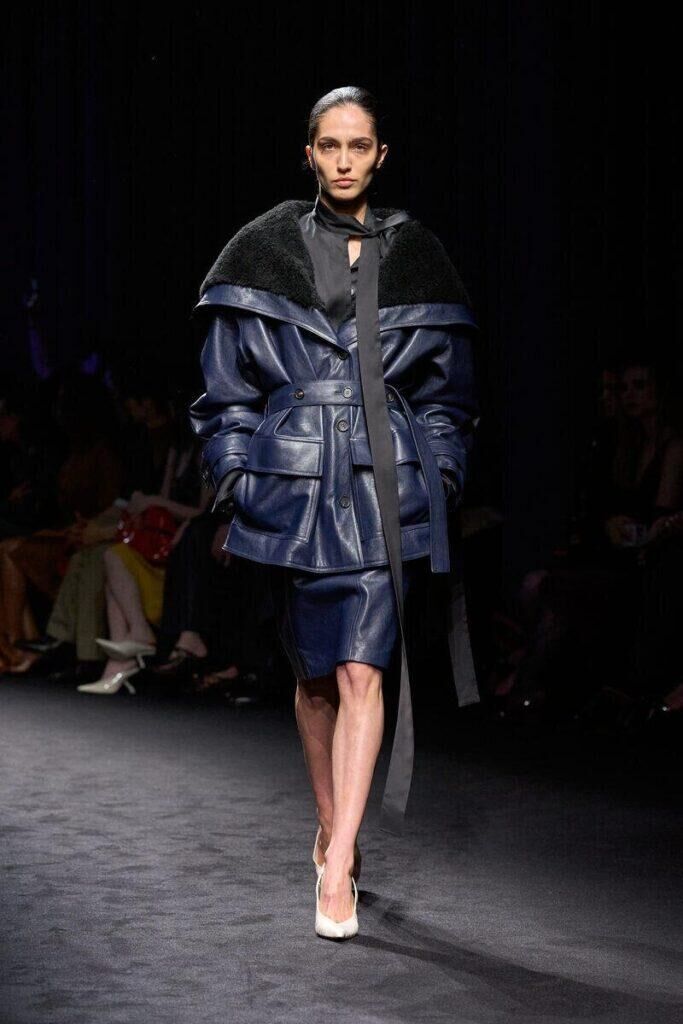
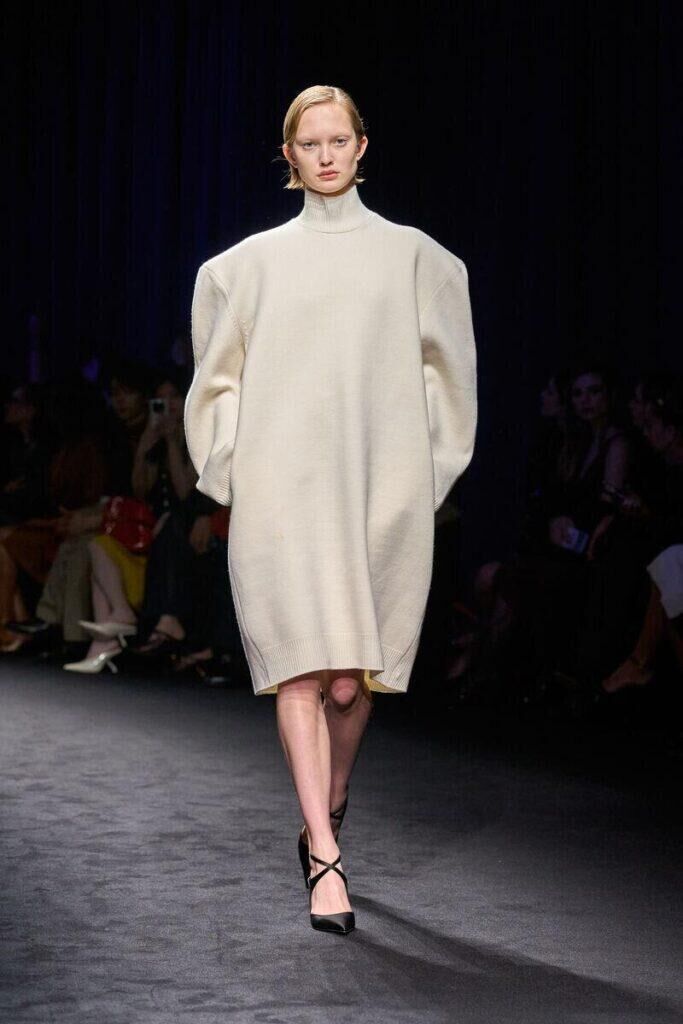
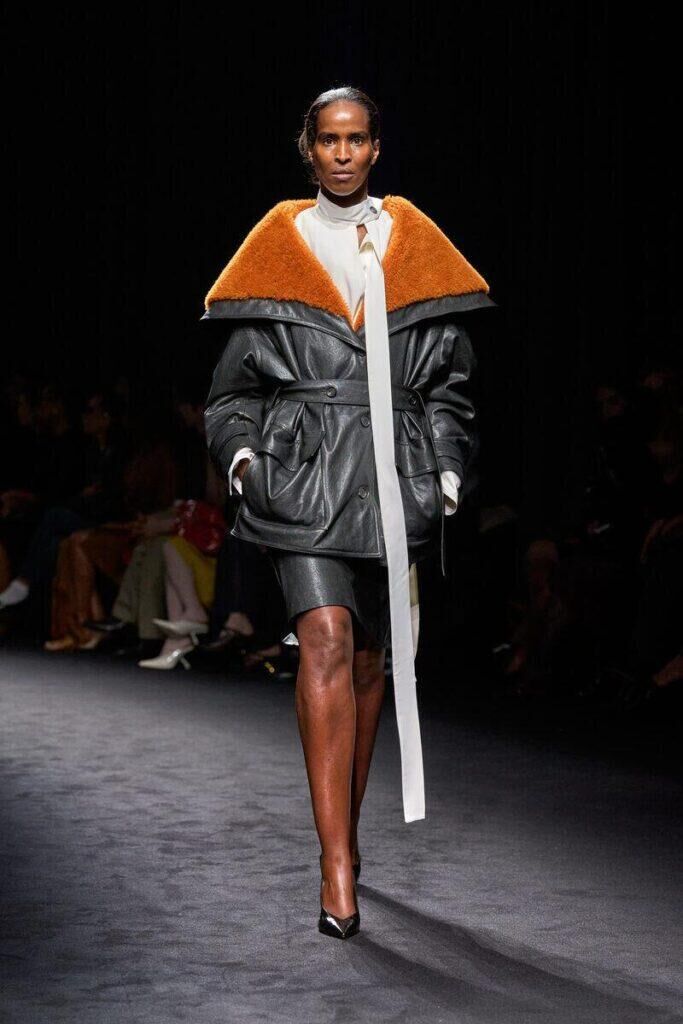
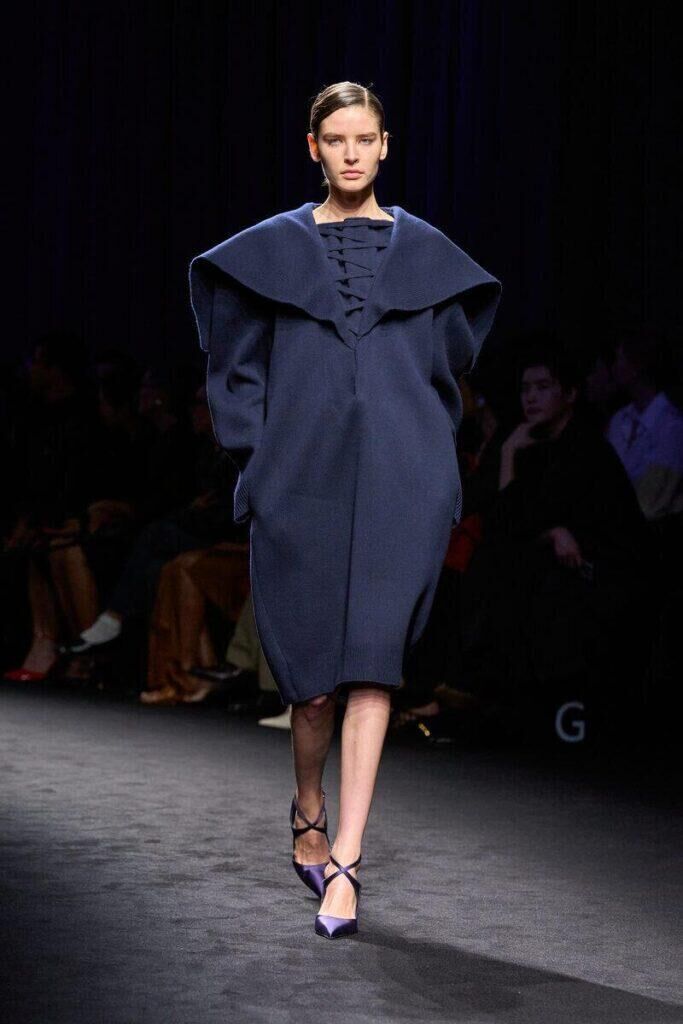
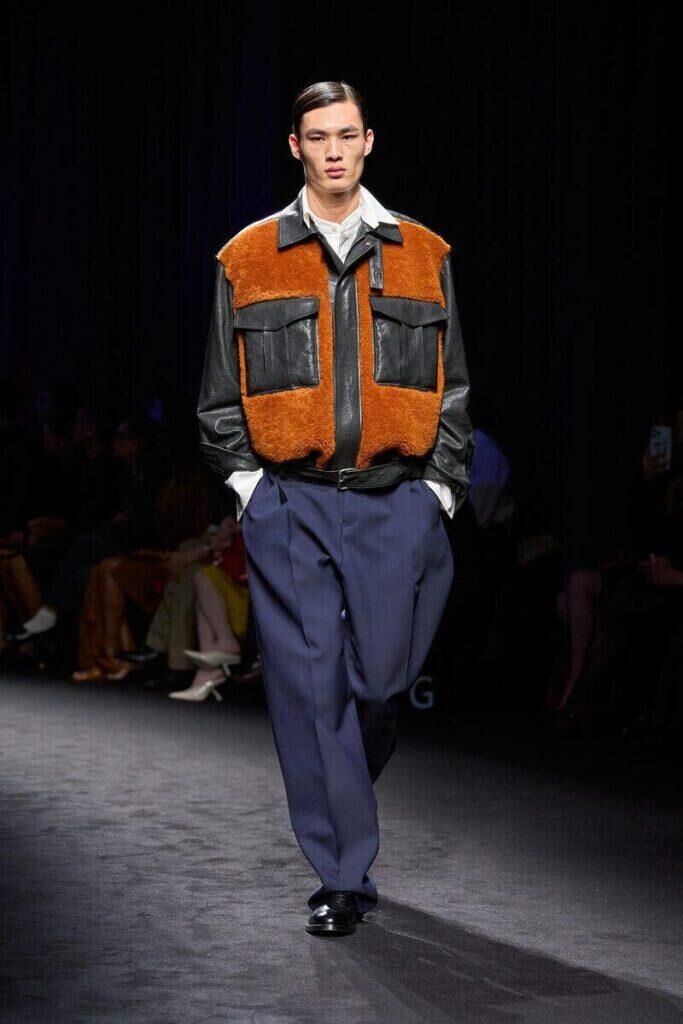
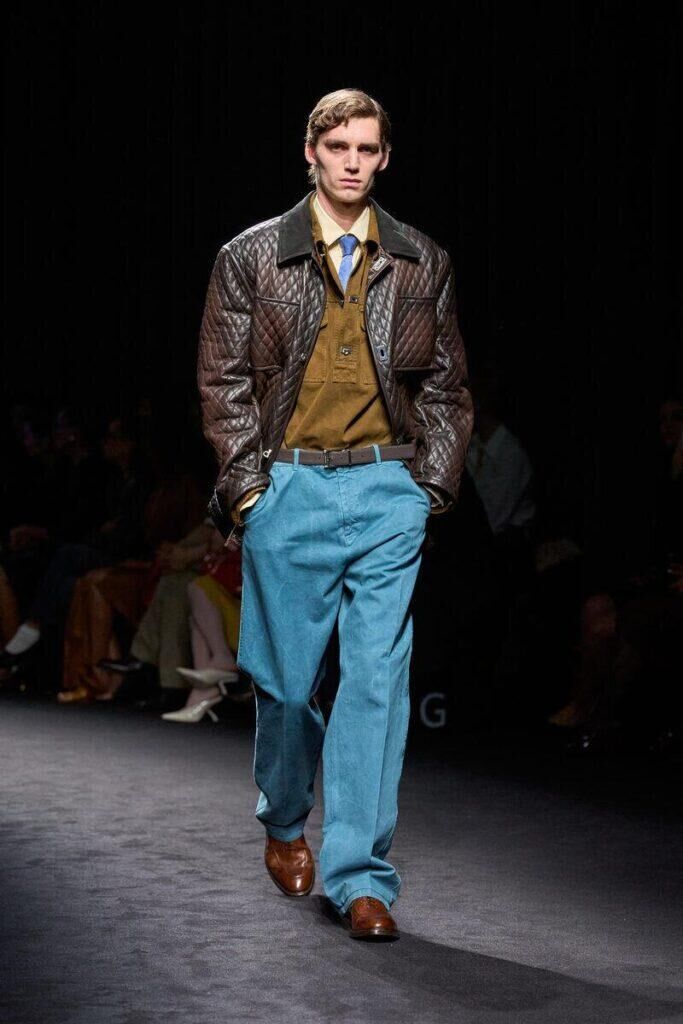
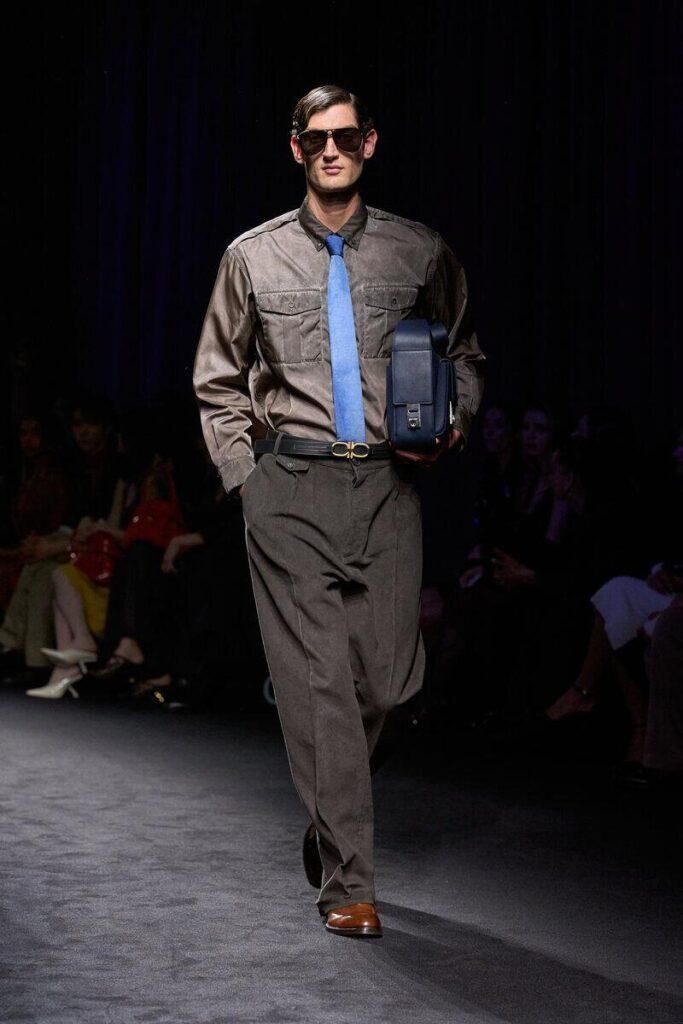
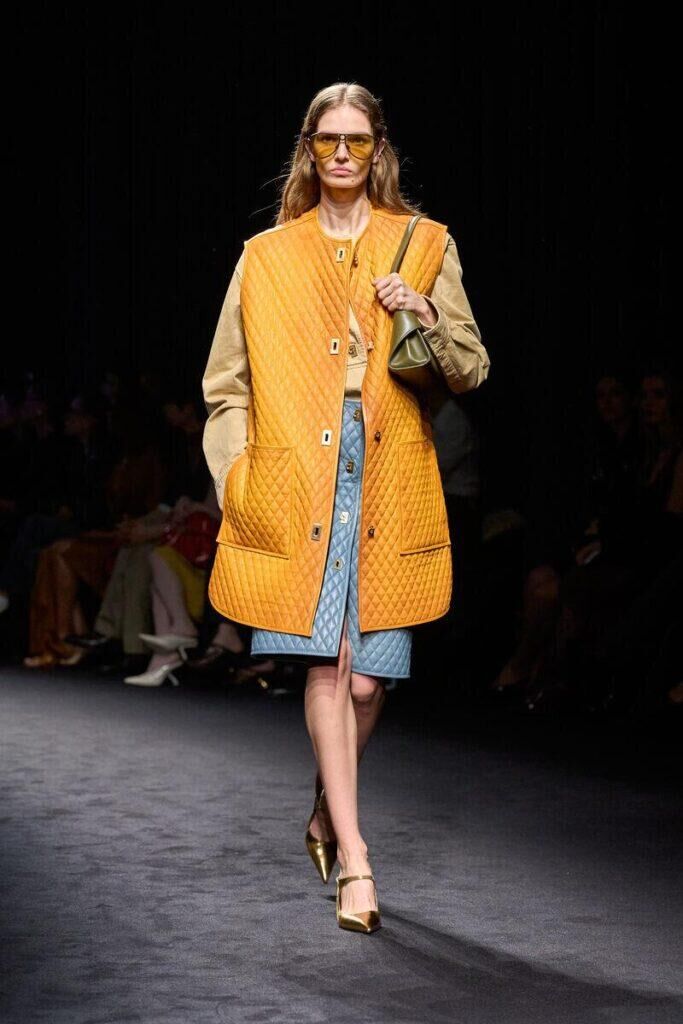
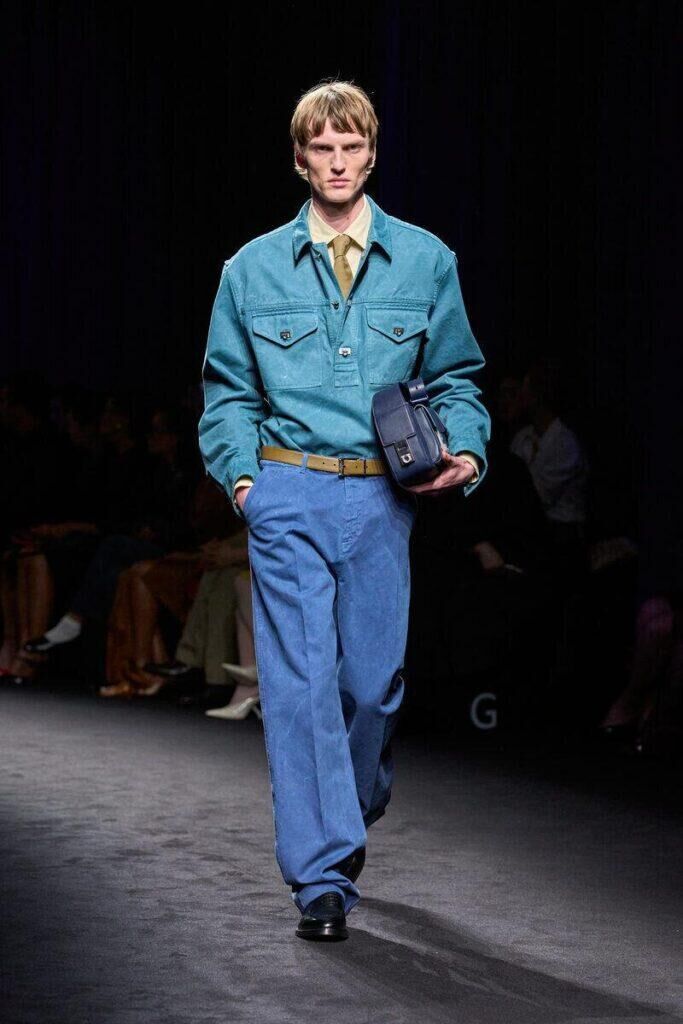
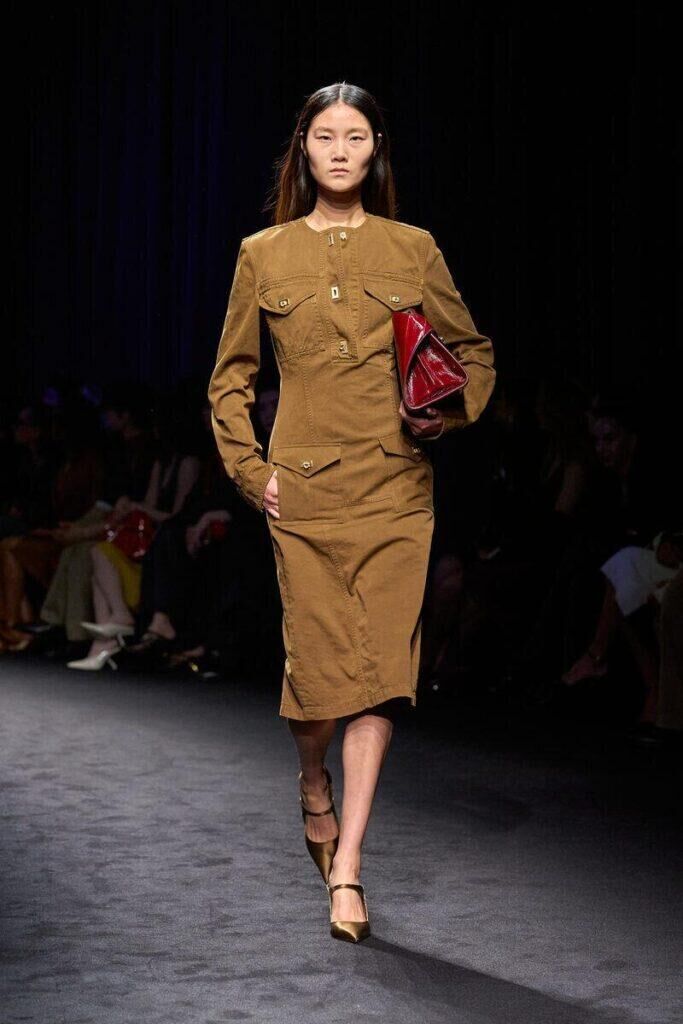
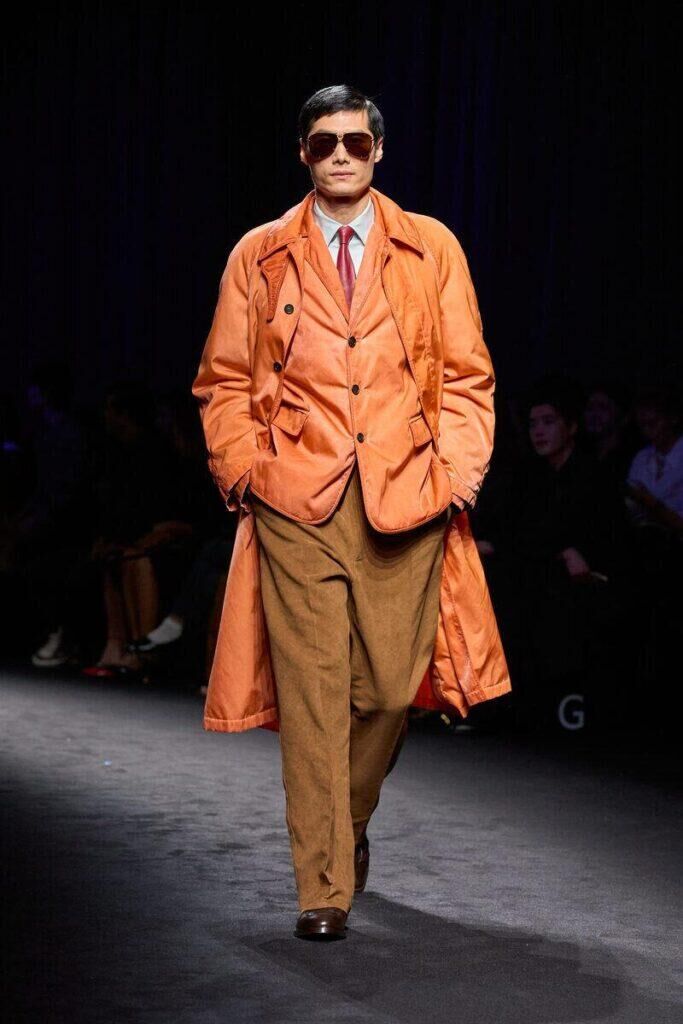
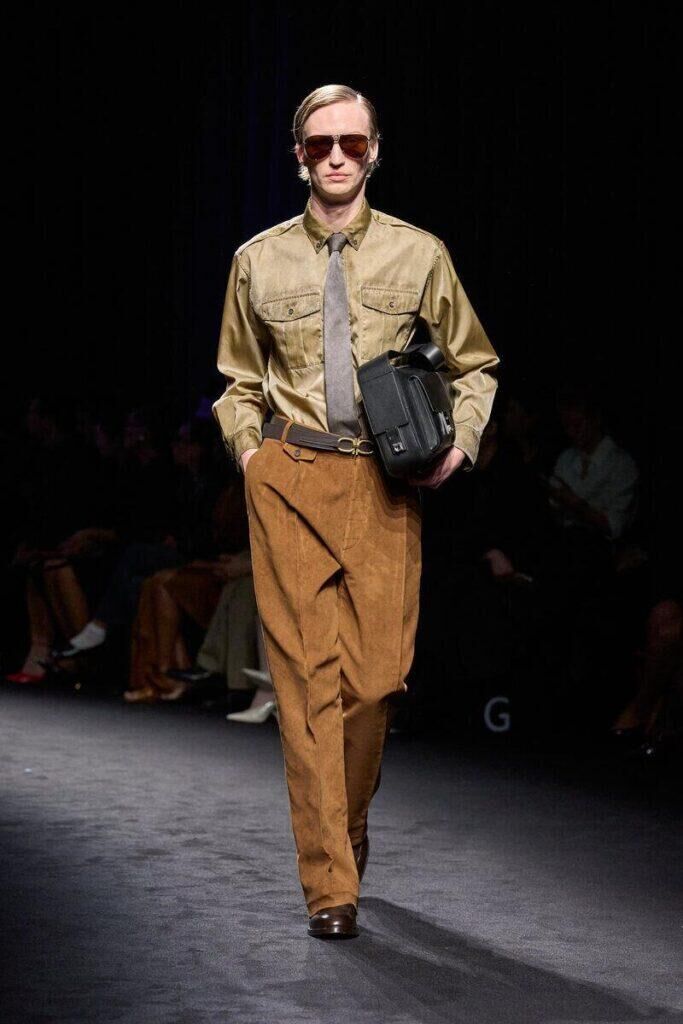
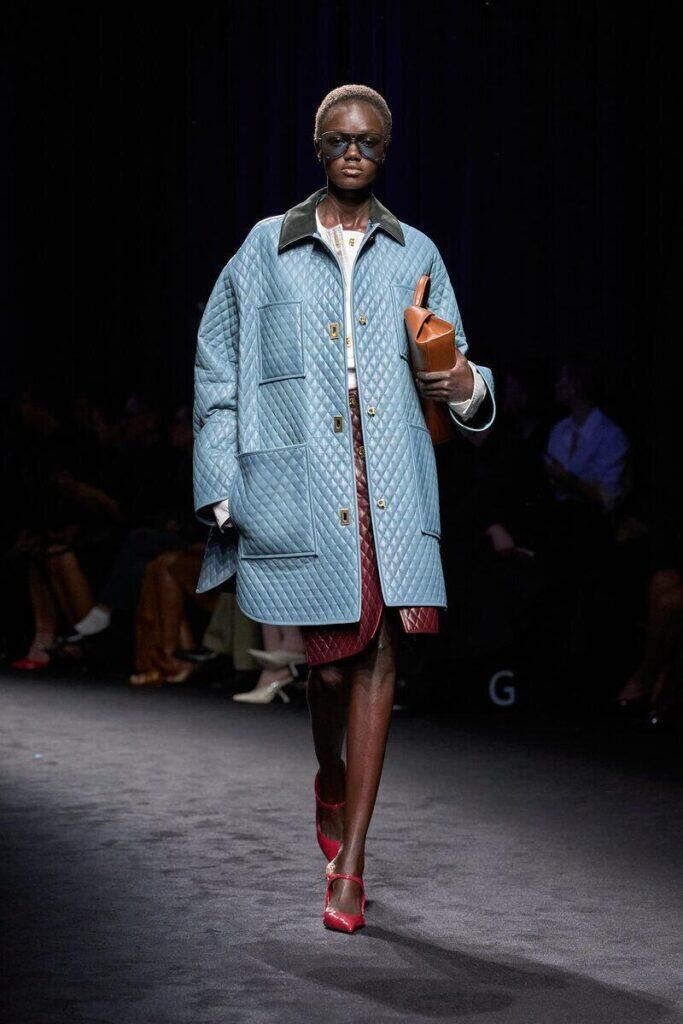
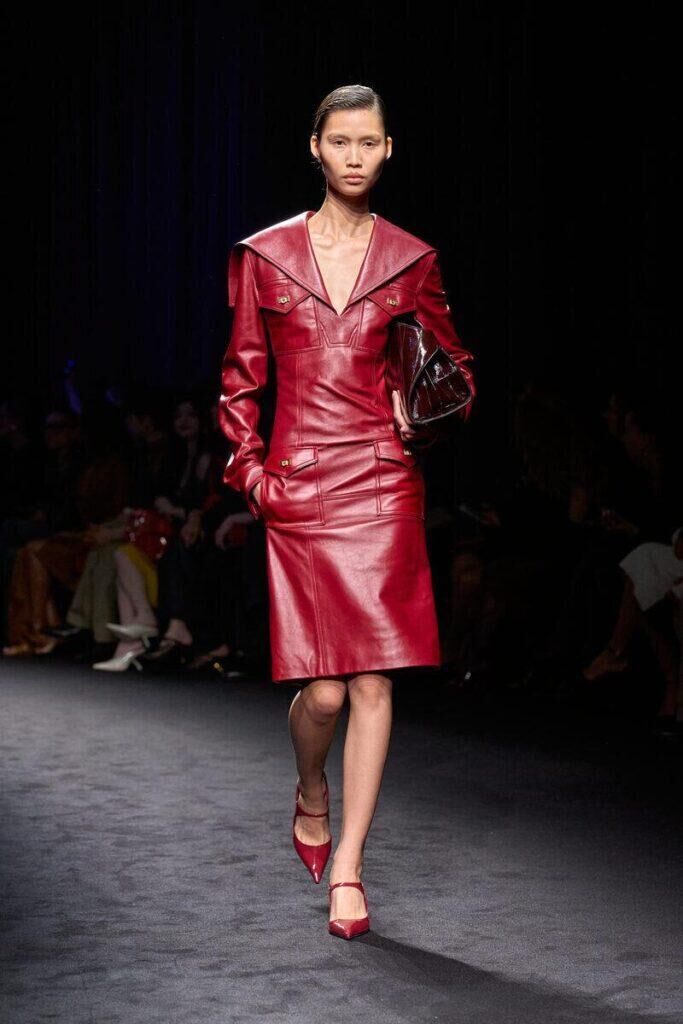
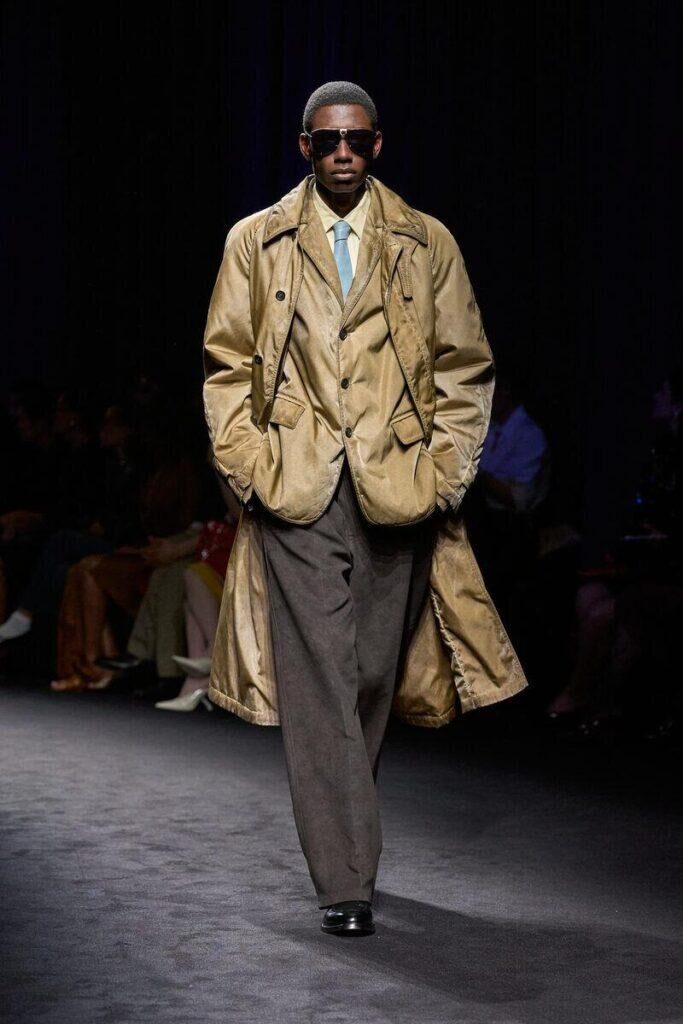
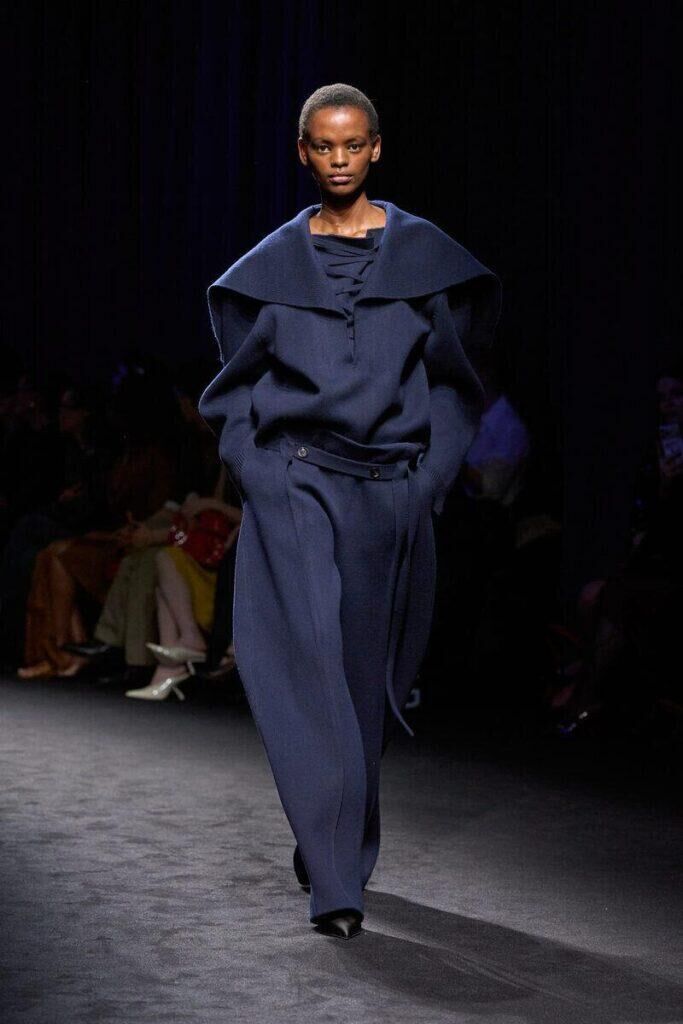
At the Ferragamo Fall/Winter 2026-2027 show, Maximilian Davis revisits the fashion of the Roaring Twenties, the decade in which the Italian house was founded, through the figure of the sailor.
Is Maximilian Davis on his way out?
In the weeks leading up to the Ferragamo Fall/Winter 2026-2027 show, a rumour circulated on social media and among fashion circles. Maximilian Davis, appointed creative director of the house in 2022, might be leaving. Some said that the British designer was being considered to replace Pieter Mulier at Alaïa.
A scenario made all the more plausible knowing that, on January 30th, 2026, the latter was announced at Versace, recently acquired by Prada, where his longtime mentor Raf Simons is working. This reshuffling fueled speculations of an endless fashion mercato. Even though the house of Ferragamo swiftly and firmly denied the allegations, doubt lingered.
For some observers present at Milan Fashion Week, this dense, introspective collection resembled a swansong. Could it be a summary, an almost testamentary gesture, in which Maximilian Davis seemed to encompass his vision of heritage, migration and emancipation with unique intensity? Whether it marks a true crescendo or merely a collective projection, the question remains unanswered for now.
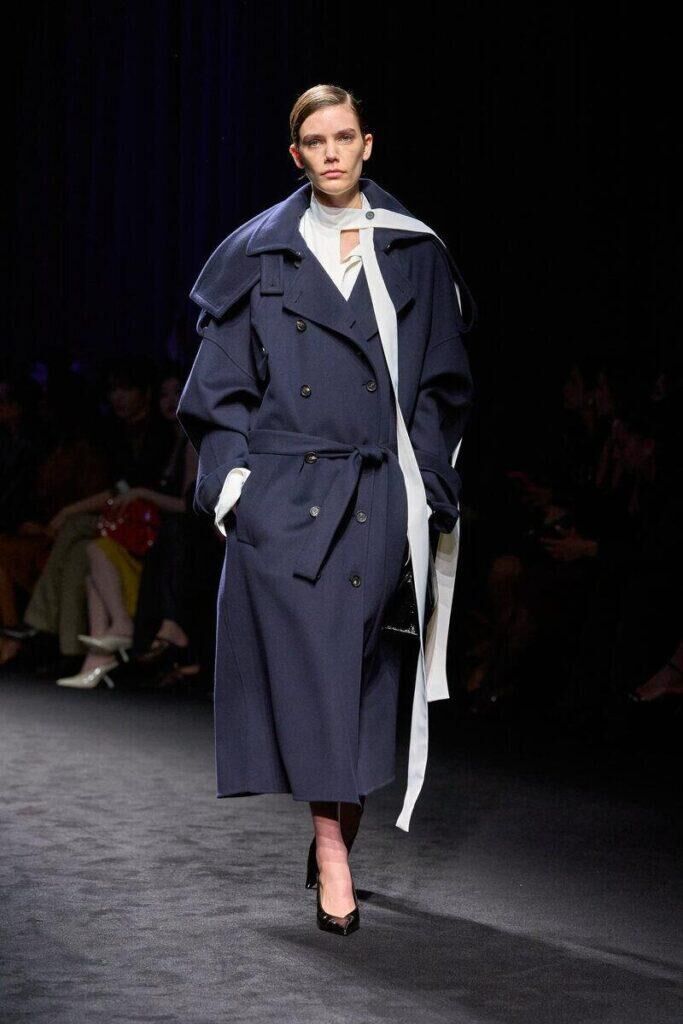
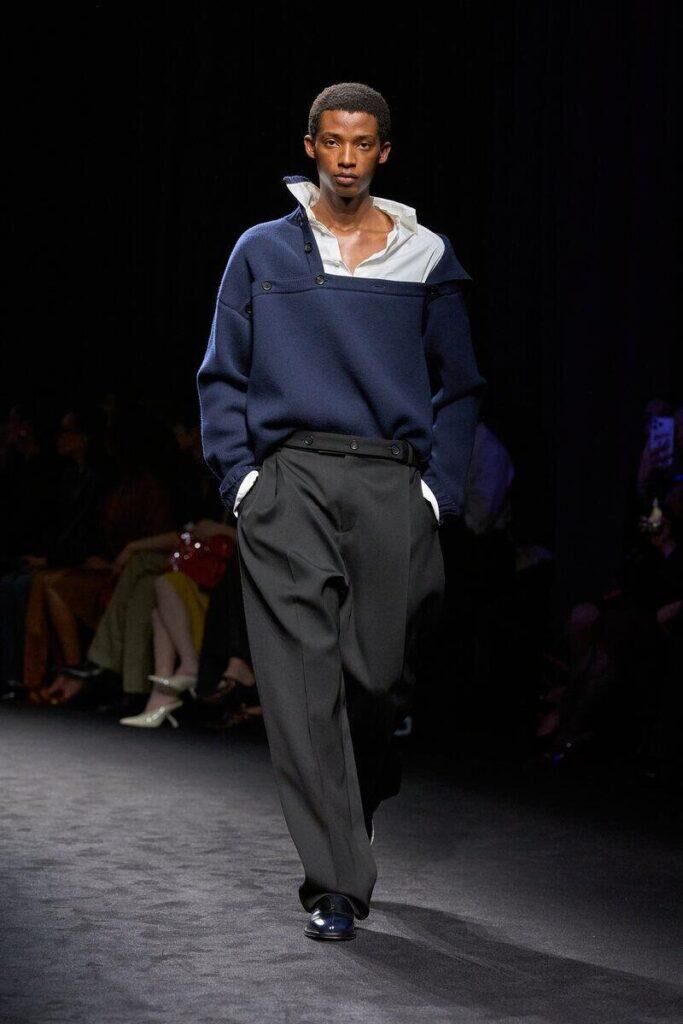
Ferragamo walks in the shadow of the speakeasy
With this Fall/Winter 2026 show, Maximilian Davis continues his introspective journey, while refining his vision of the house’s heritage. At first glance, the hushed, almost clandestine atmosphere immediately evokes a 1920s speakeasy. Within this space of gentle transgression and nighttime freedom, hierarchies are disappearing and identities are reshaping in the glow of a drink or a lingering gaze.
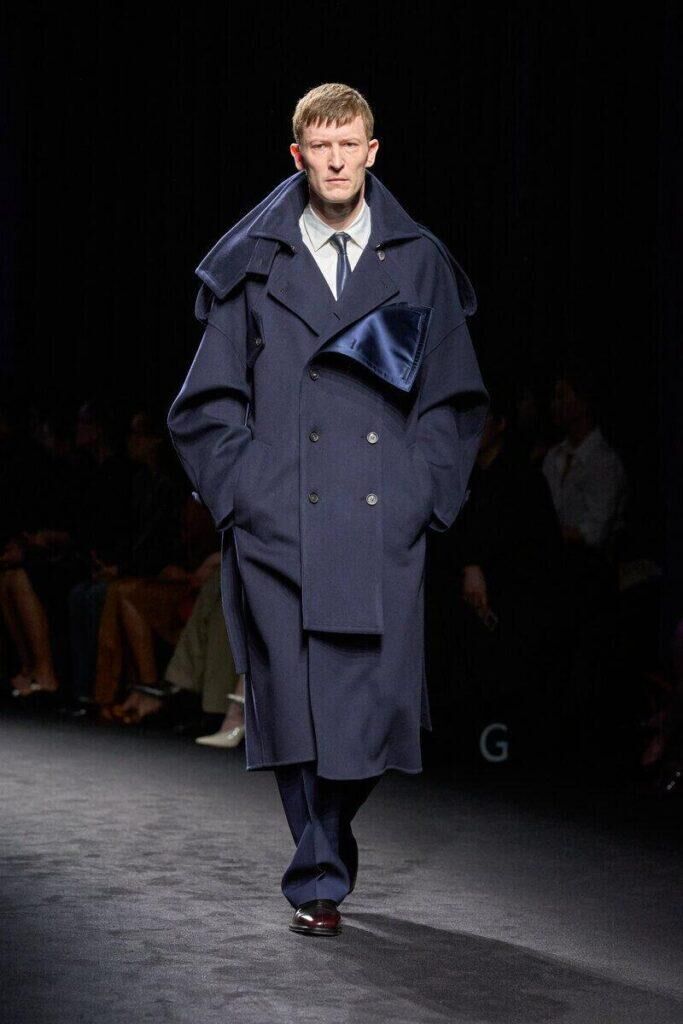
The sailor as a symbol of social mobility
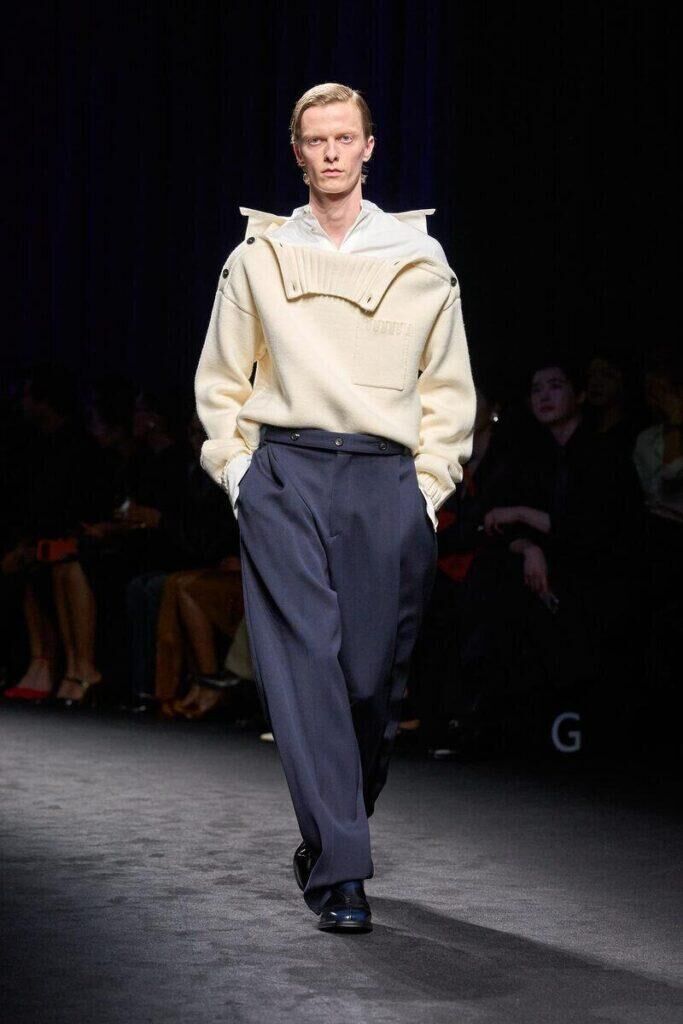
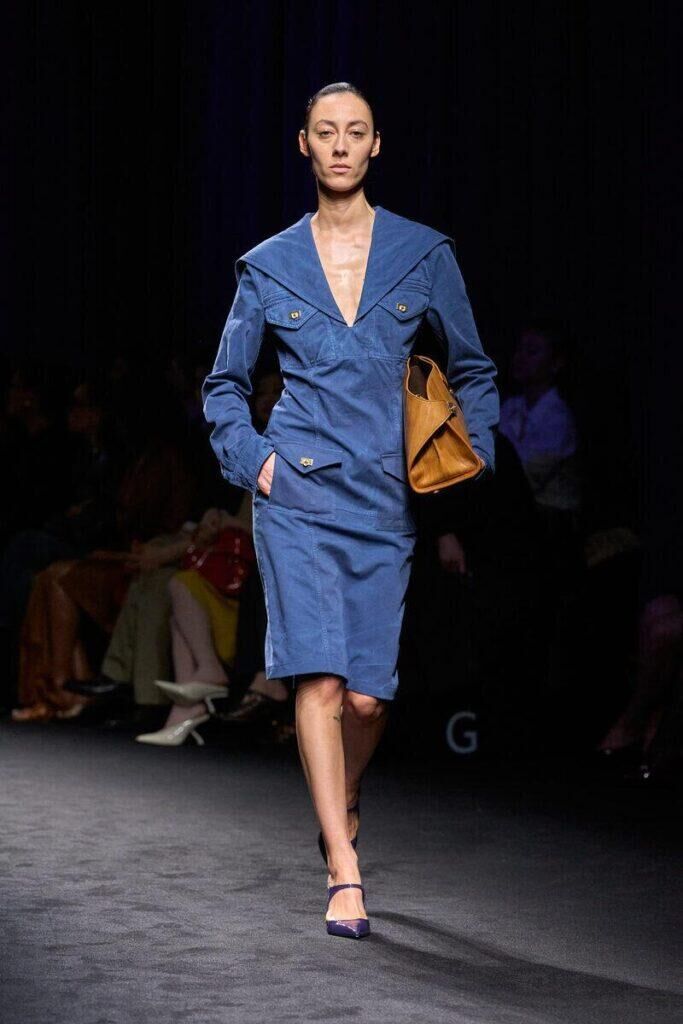
Usually, when fashion draws on the imagery of the Roaring Twenties, it almost always uses the seductive, but often predictable archetypes of the tomboy or the Bohemian artist. The sailor, by contrast, carries far richer symbolism. He embodies freedom, travel, access to modernity, but also the notion of social mobility… He is the one who leaves his original environment in order to enter another.
This figure is deeply rooted in the collective imagination thanks to literature and cinema. One can think of Martin Eden, the eponymous hero of Jack London’s 1909 novel, a self-taught sailor driven by a fierce social ambition. There is also Jack Dawson (Leonardo DiCaprio), the main character in Titanic (1997), a third-class passenger whose romantic and social trajectory unfolds on the deck of a liner sailing to the new world.
Although rarely addressed by the fashion industry, this sensitive subject linking Salvatore Ferragamo to Maximilian Davis is approached with subtlety here. “That’s something that both Salvatore [Ferragamo] and my own family experienced. He left his home in Italy for America before returning home, and my family moved from Trinidad and Jamaica to Manchester. They all crossed the water to discover new beginnings,” the designer explains in the show notes.
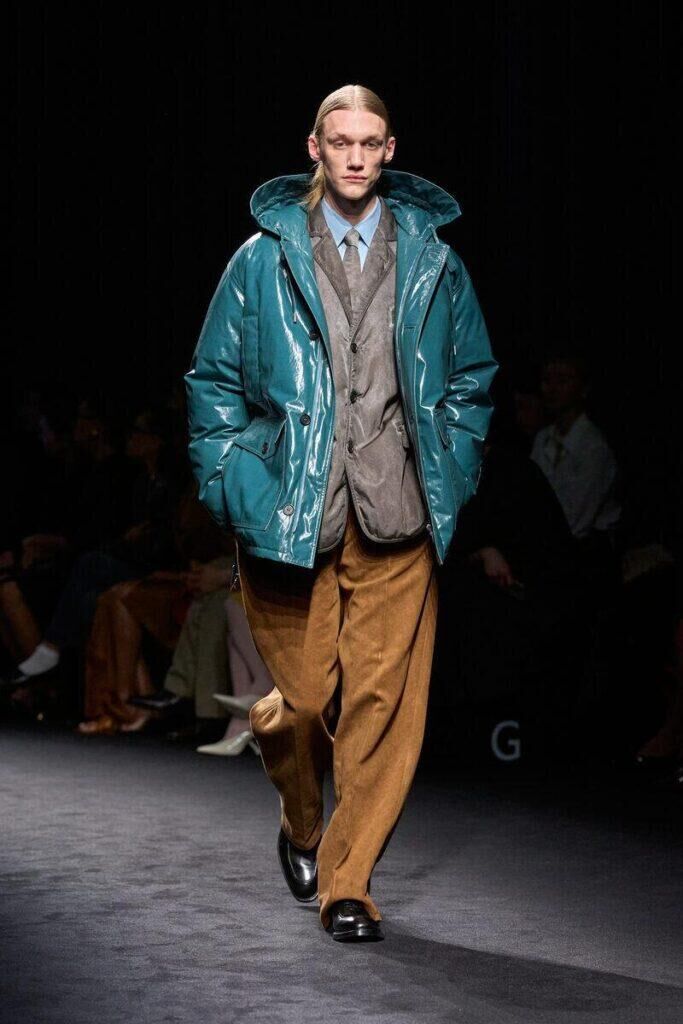
Clothing as a tool of emancipation?
In invoking the figure of the sailor, Maximilian Davis moves beyond mere aesthetics. He conjures up an elegance shaped by experience rather than inheritance. This desire for ascent, coupled with geographic or social displacement echoes the story of Salvatore Ferragamo. That young Italian man who, at the age of 17, left his country to seek his fortune in the United States in 1915. A few years later, he would become the shoemaker to all of Hollywood.
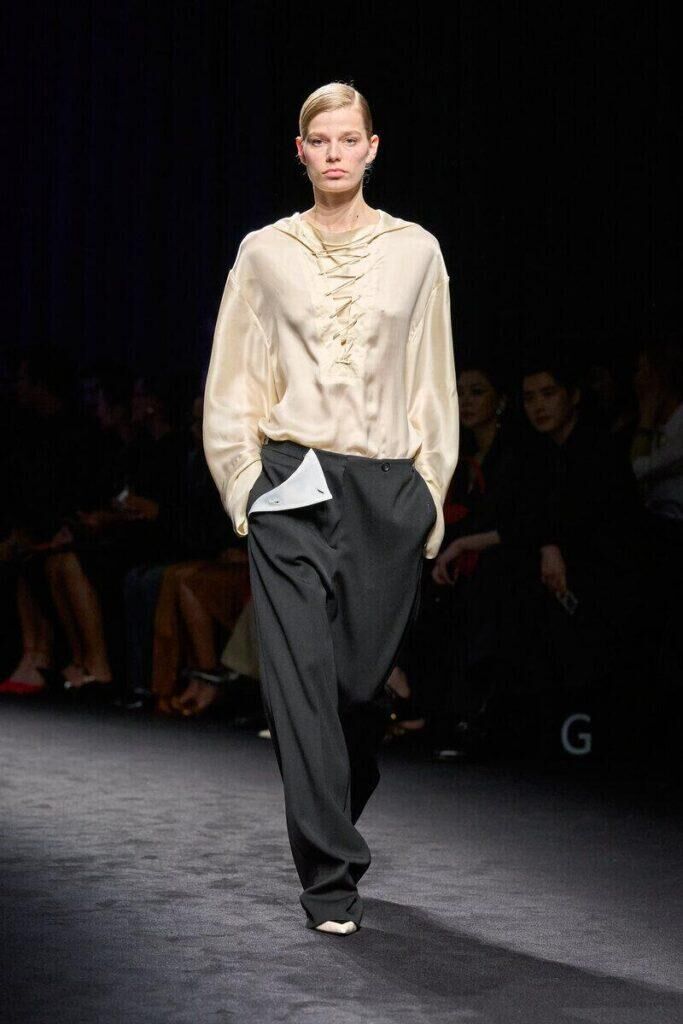
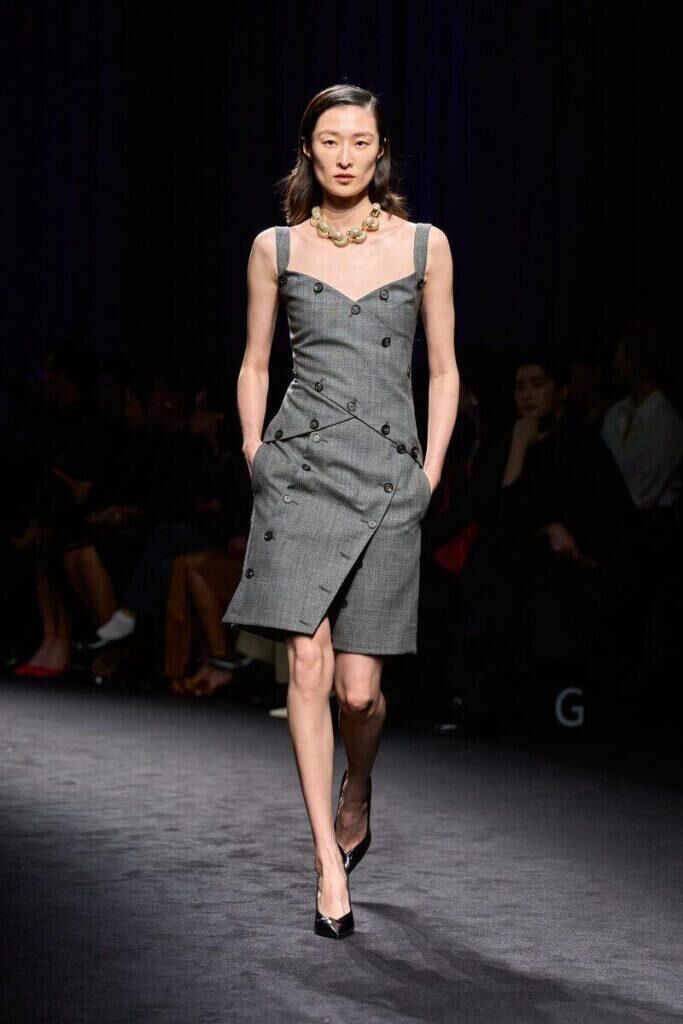
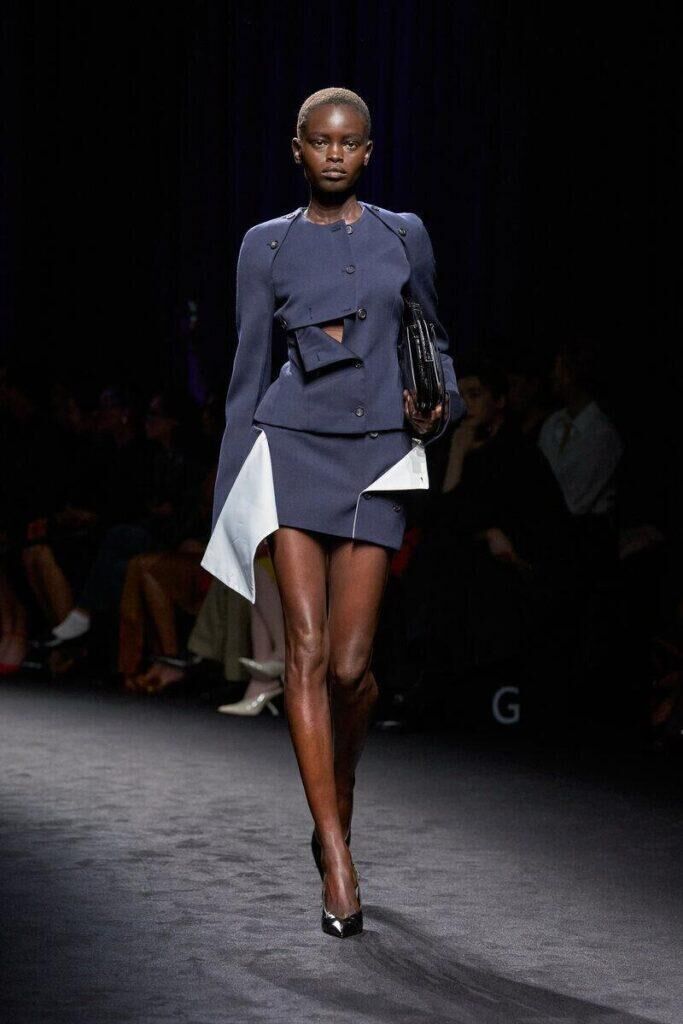
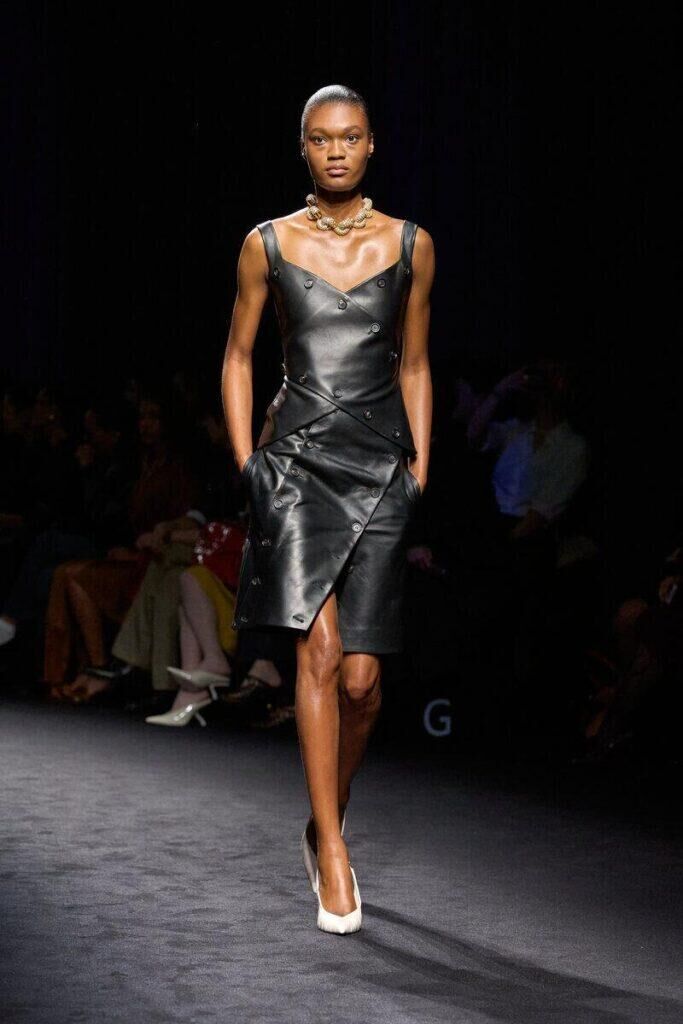
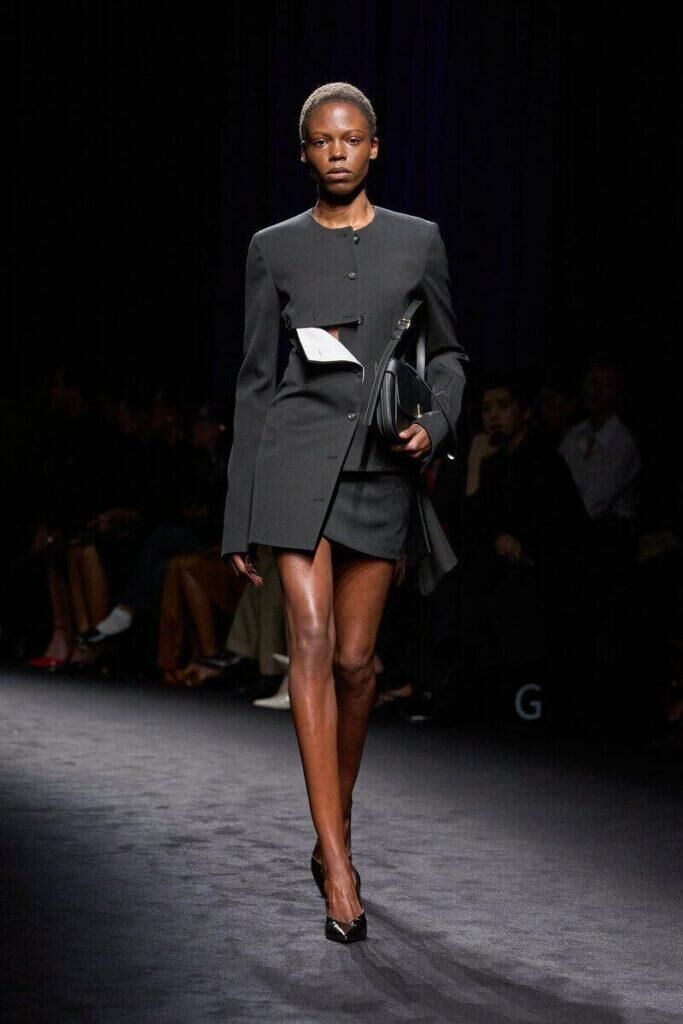
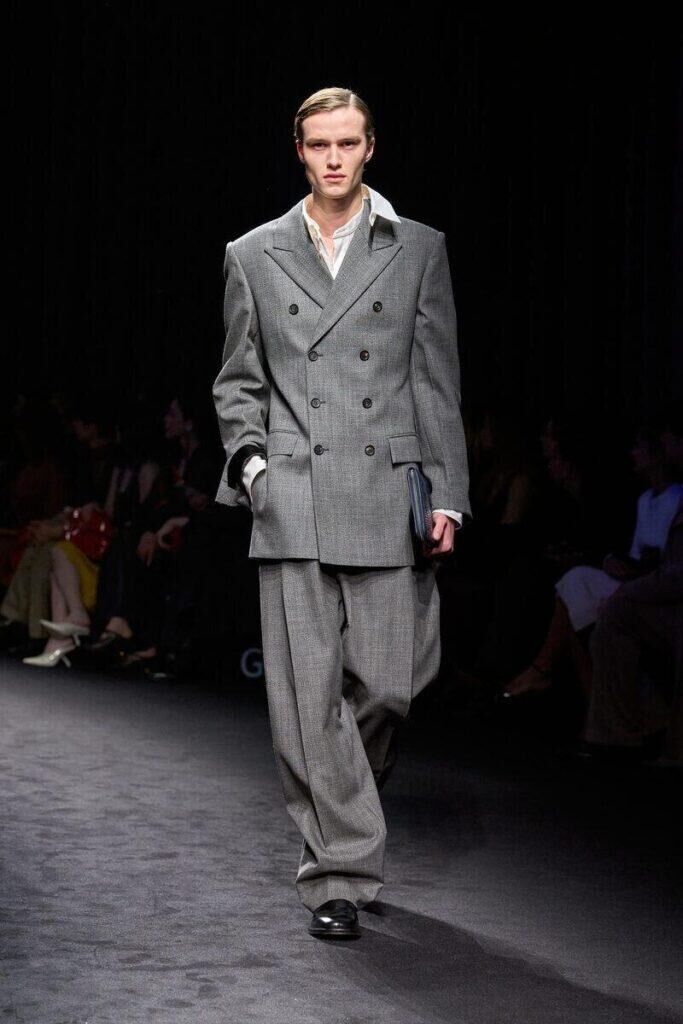
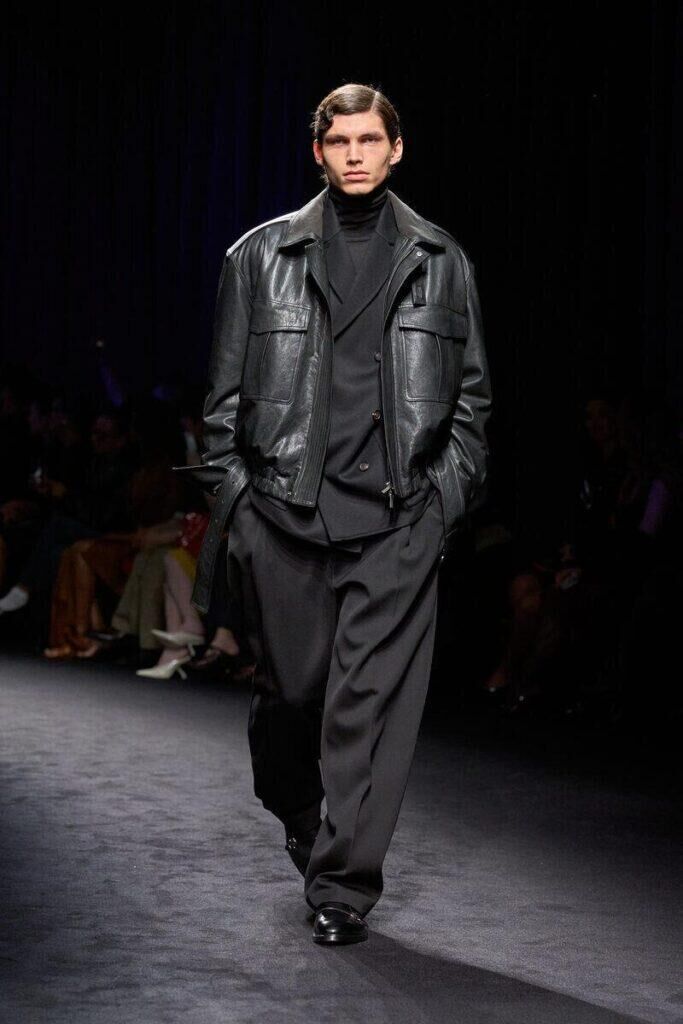
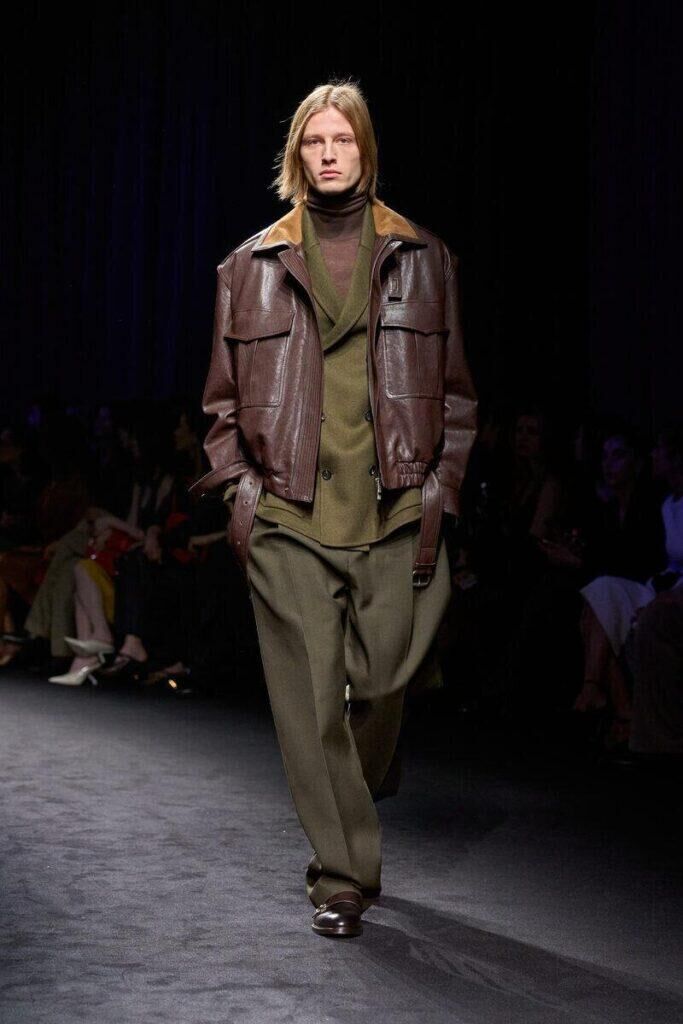
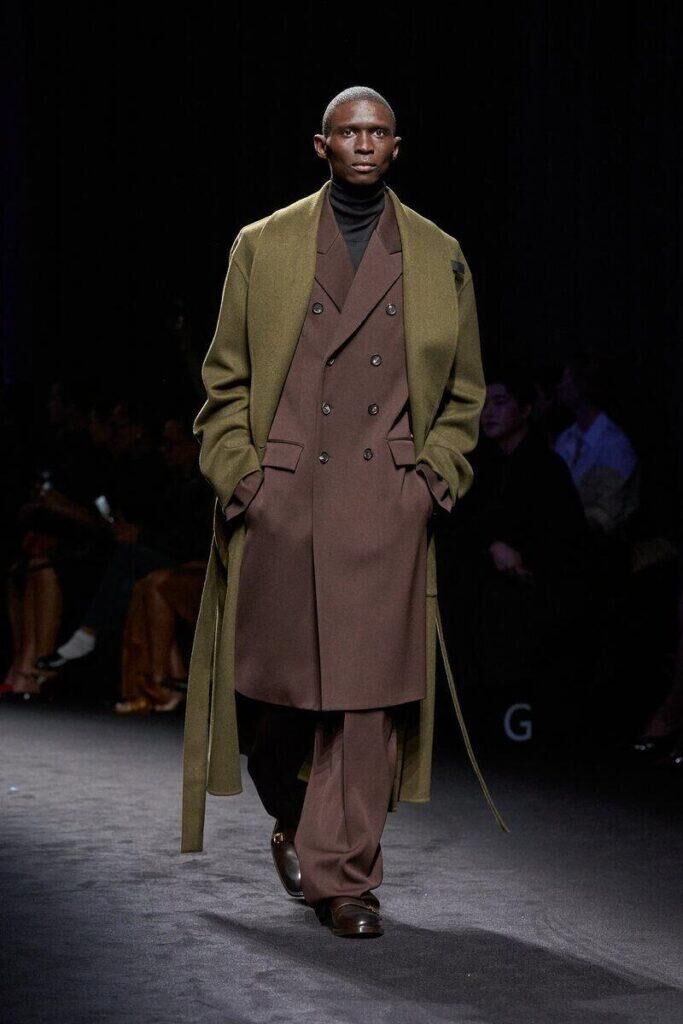
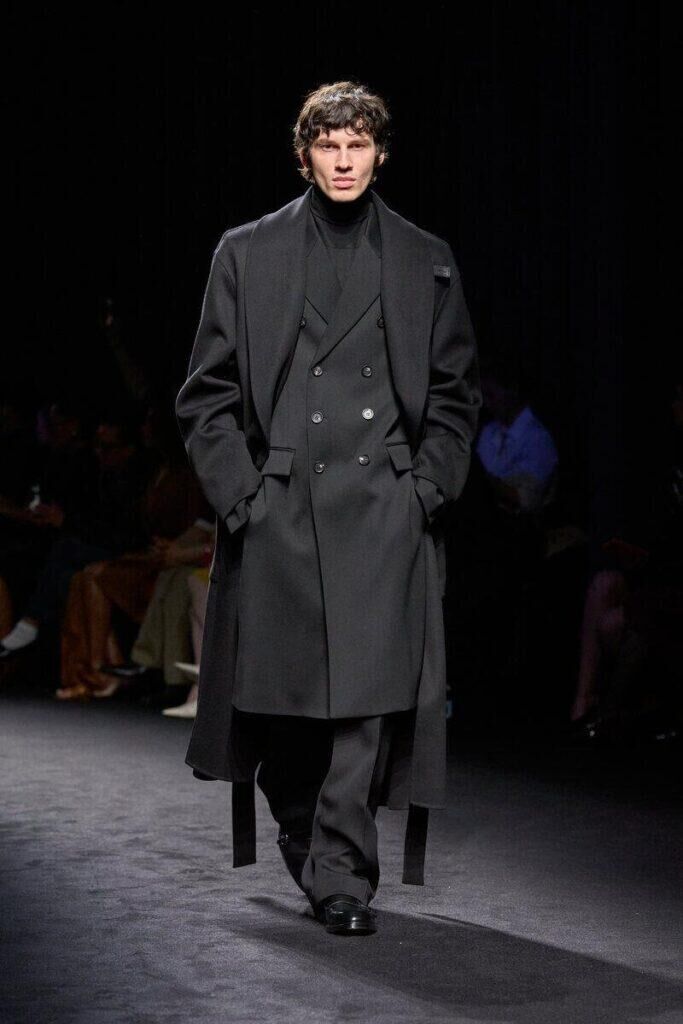
More than a century later, as Ferragamo has become a luxury house, the sailor portrayed by the British designer is no longer reduced to a costume or a symbol. Instead, he becomes the anachronistic avatar of a world in which social mobility and self-reinvention are conjugated in the present tense. Within this Fall/Winter 2026-2027 collection, every displaced button, every unfastened fly, every knit stitched with scraps tells a story as much as it echoes a turbulent crossing.
A touch of glamour
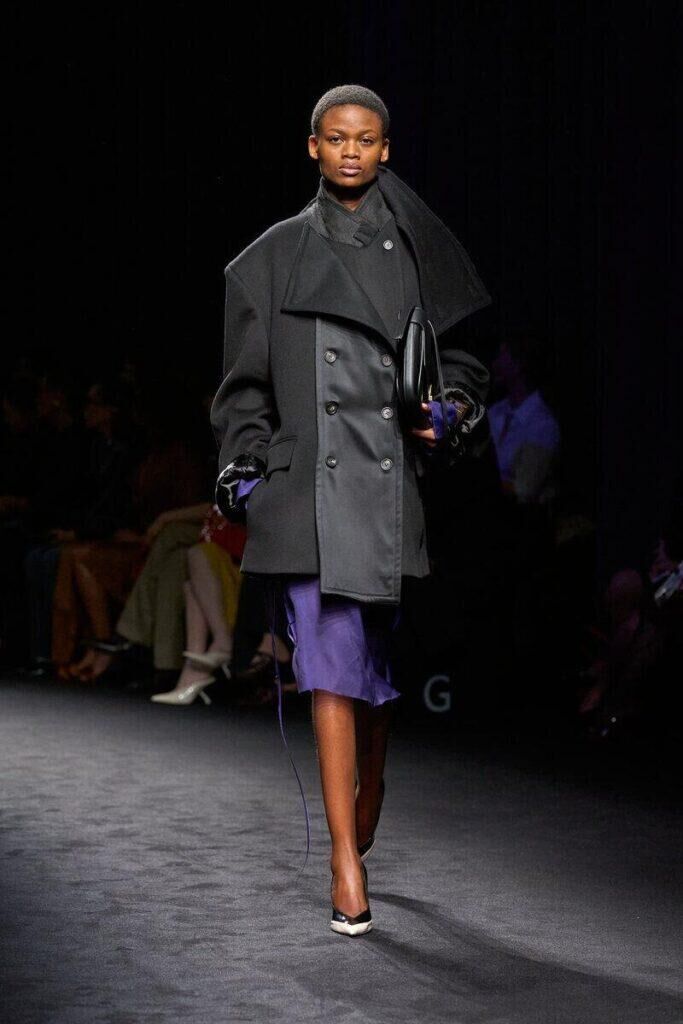
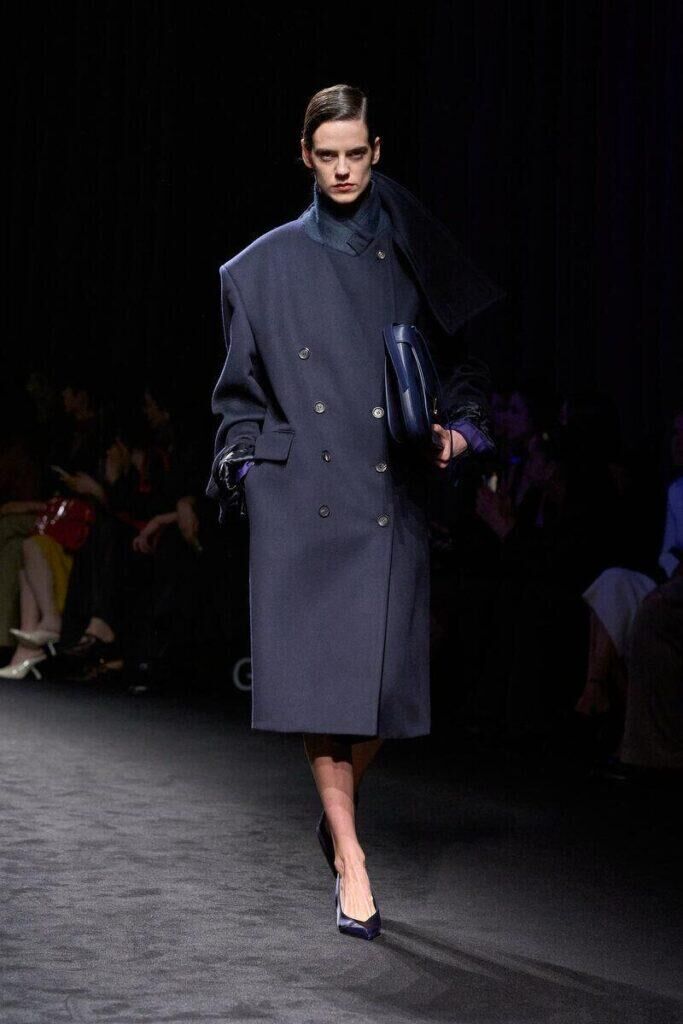
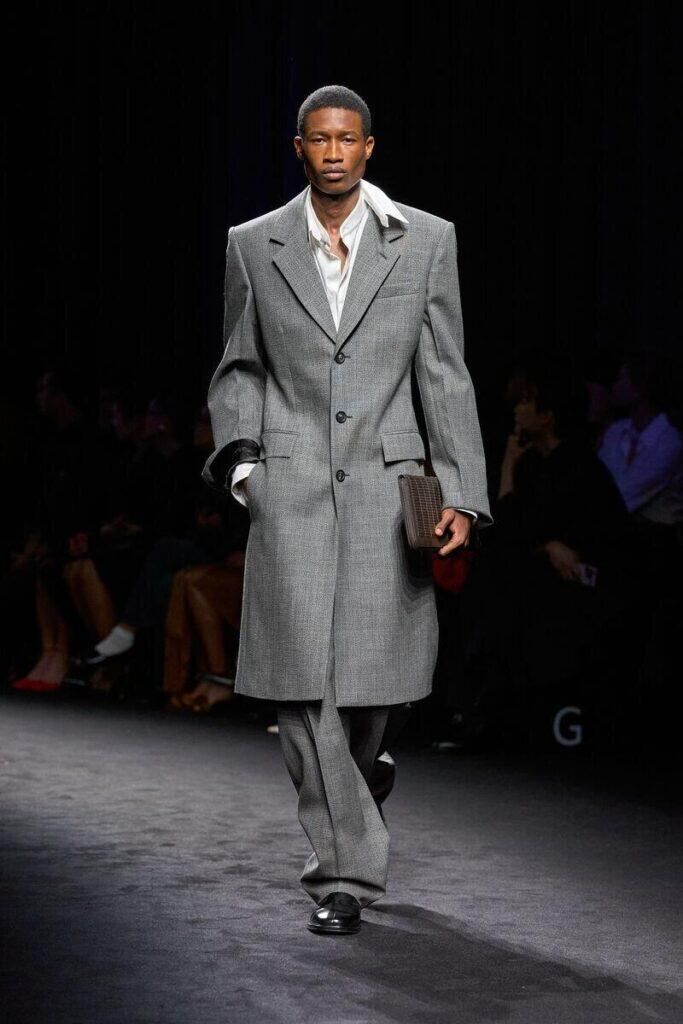
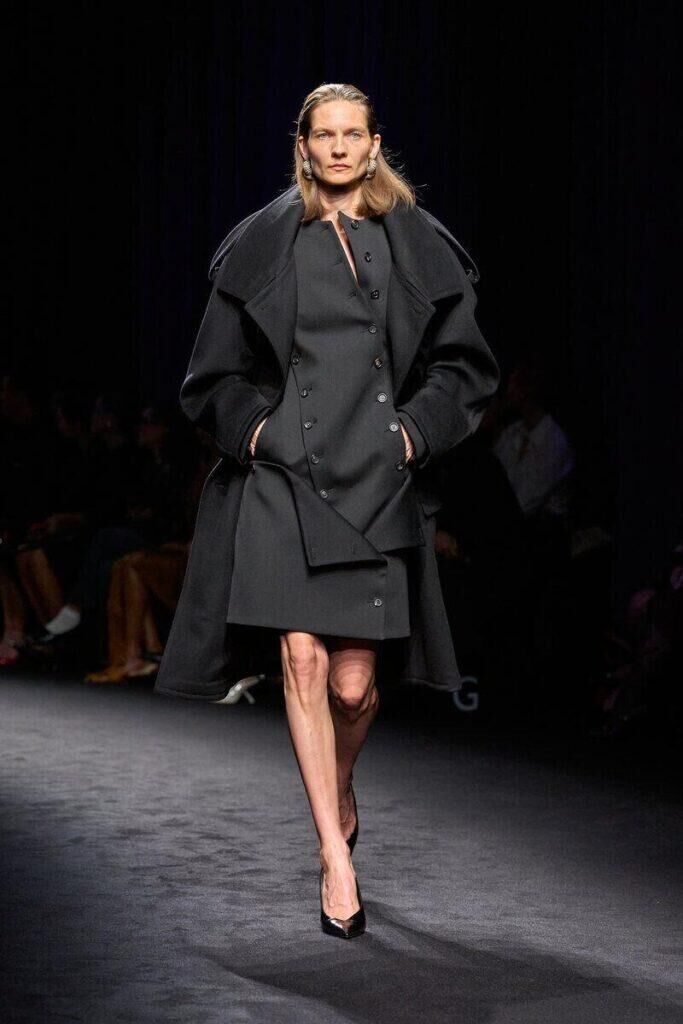
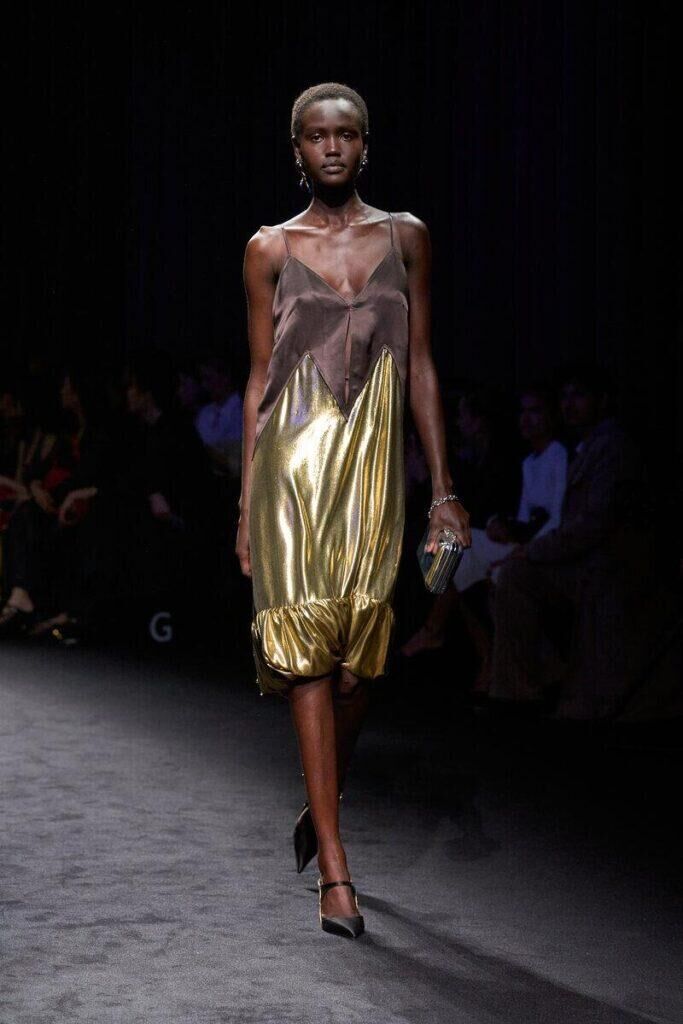
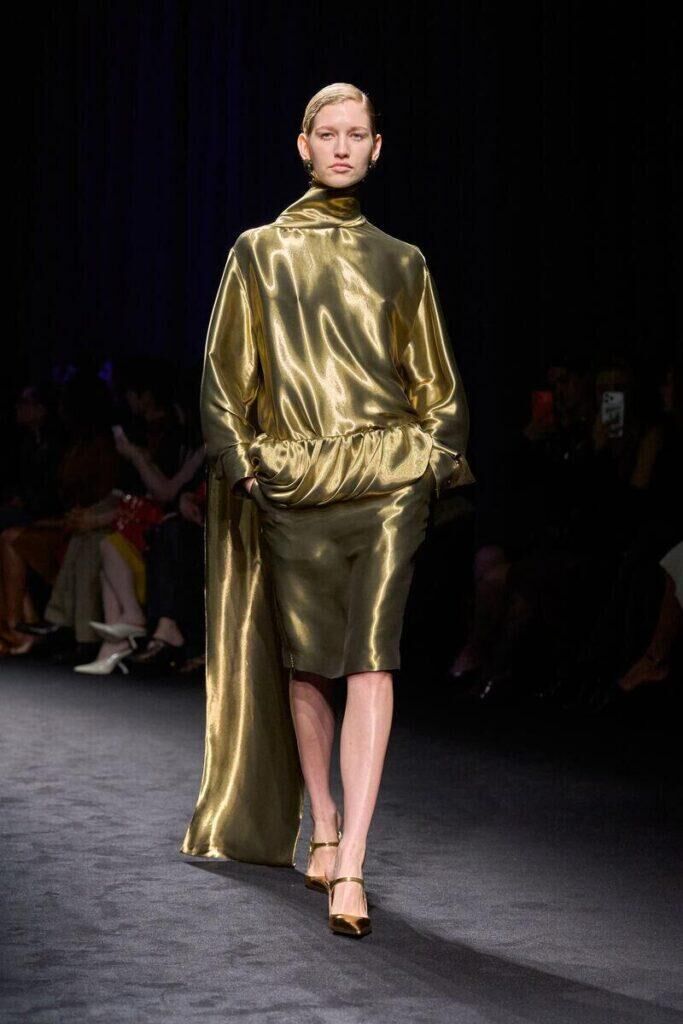
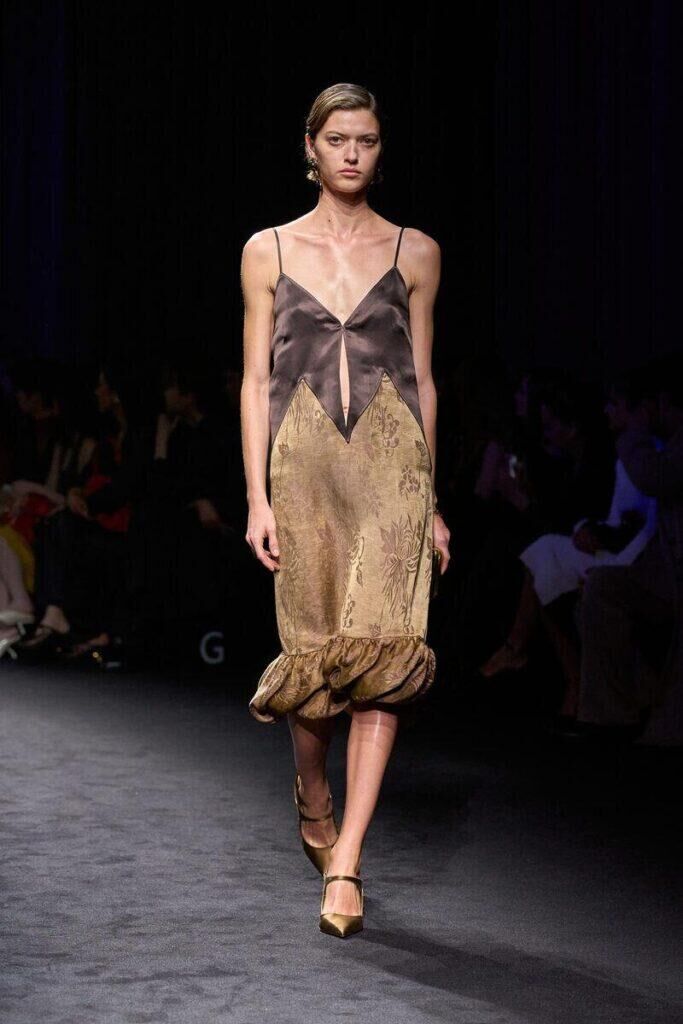
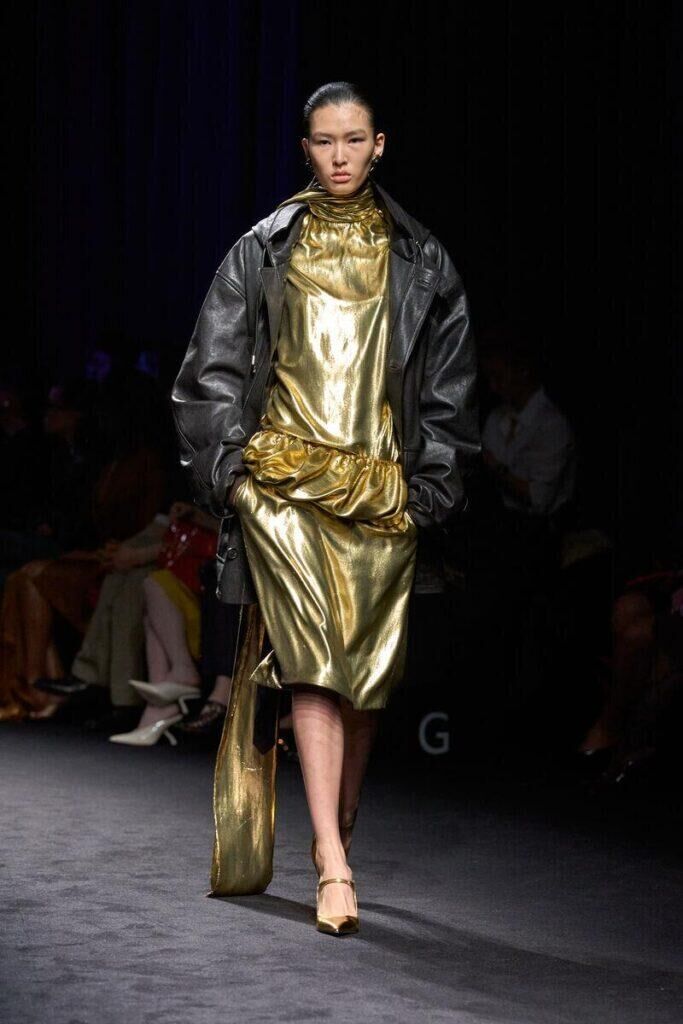
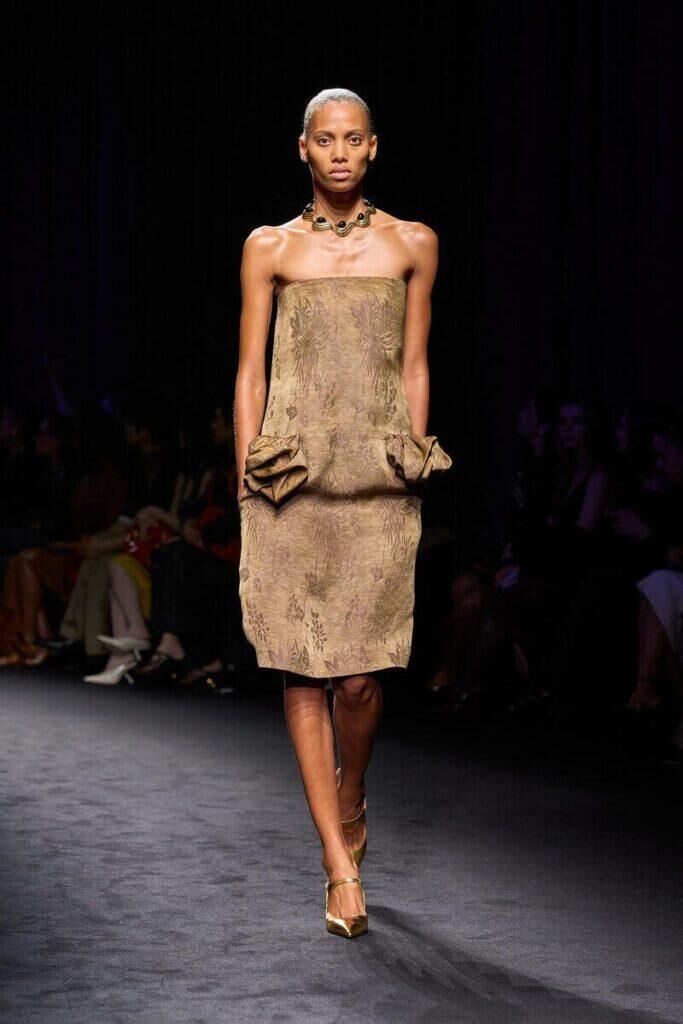
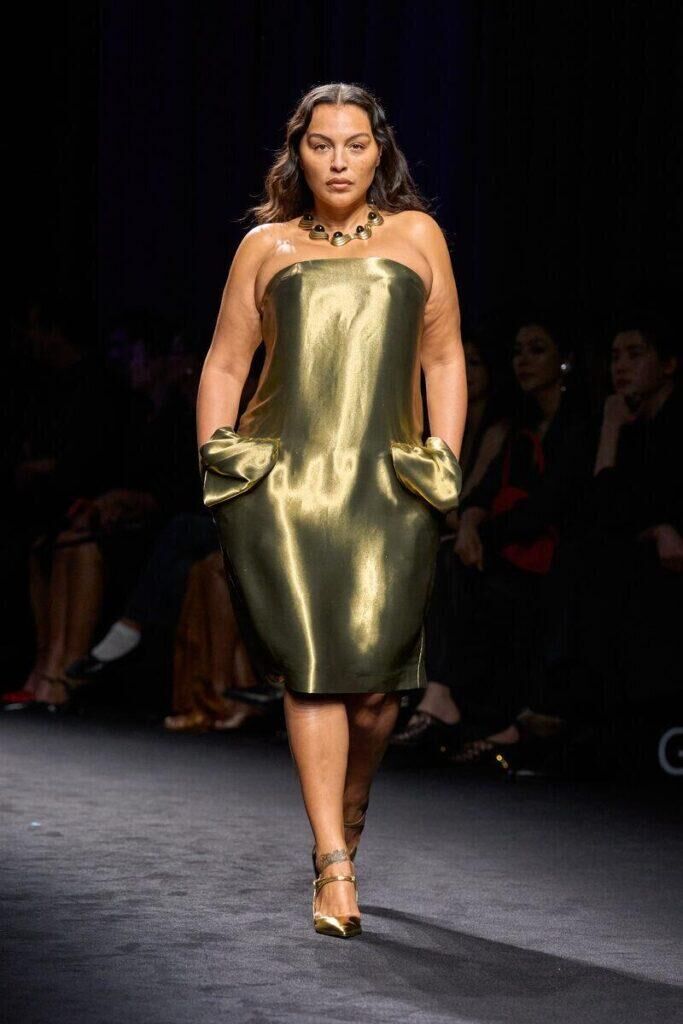
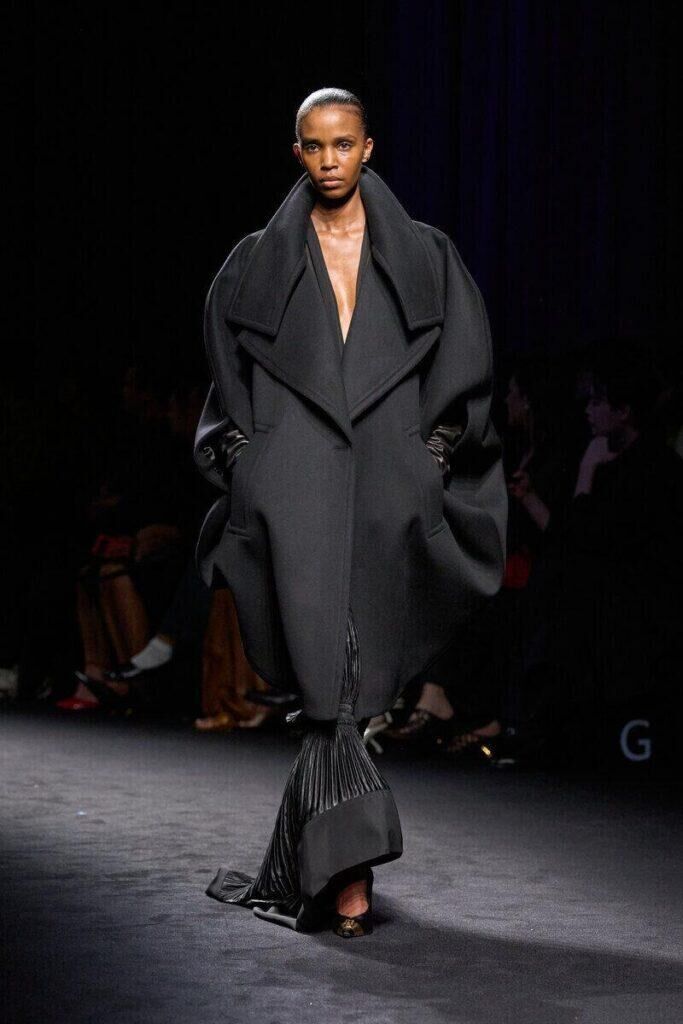
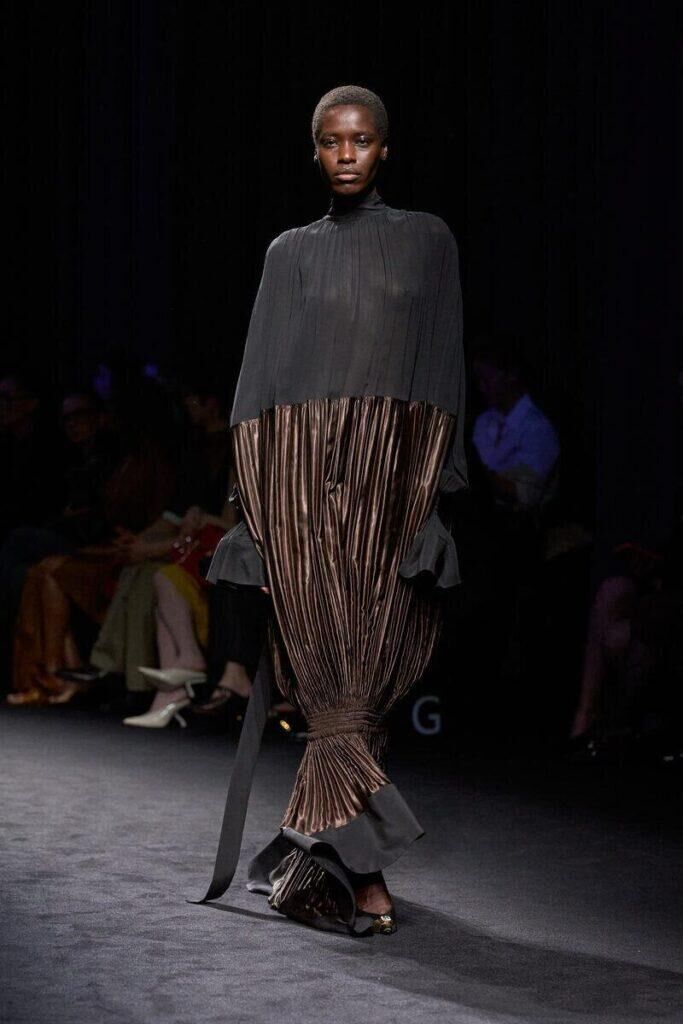
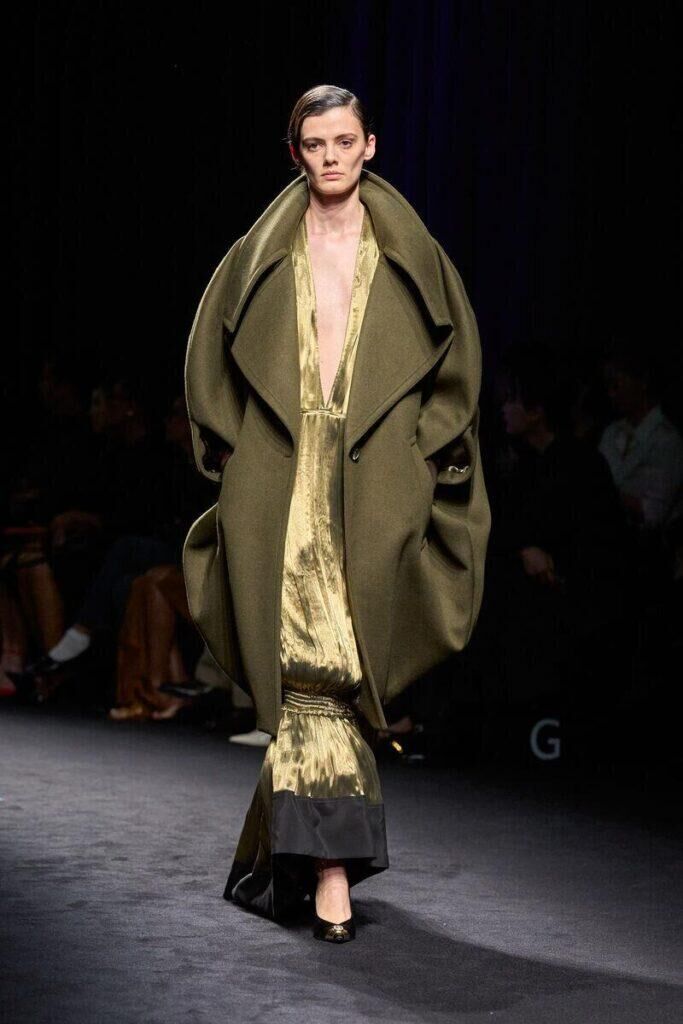
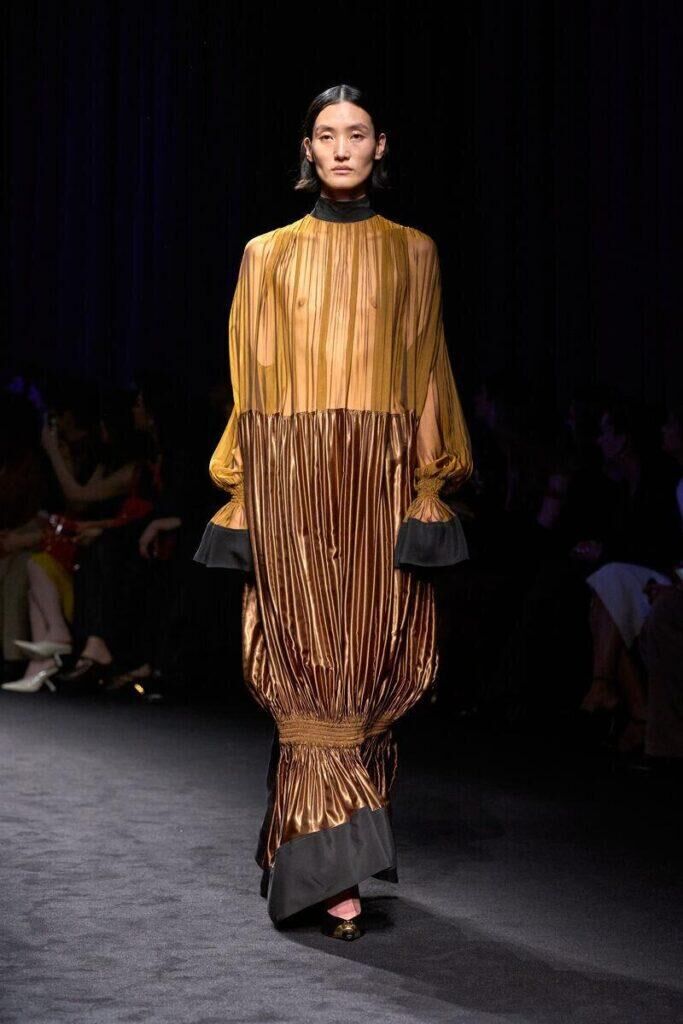
Against this revamped austerity, the evening silhouettes add a touch of lightness. Dresses made in metallic lamé velvet, floral jacquards and fluid draping recall the evolution of couture flounces. Cocoon coats wrap the body in almost protective softness, layered over long gowns that glide and catch the light.
At the crossroads between day and night, functionality and ornament, the collection reaches its climax. For Maximilian Davis, different worlds intersect, inspire and nourish one another without ever canceling each other out, like in a speakeasy. “It’s an attempt to imagine something from the past,” the designer explains. “At the time, it would have been vibrant, but now we see it through the veil of history.” It suggests that fashion may only exist through a fictional vision of past, present and future.
All the looks from the Ferragamo Fall/Winter 2026-2027 show