26
26


6 sportswear pieces that revolutionized the history of fashion
In conjunction with the Paris 2024 Olympic Games, the Palais Galliera is exploring the theme of sport until September 7th, 2024. For that occasion, Numéro has selected six sportswear pieces that have revolutionized the history of fashion and asked curators Sophie Lemahieu and Marie-Laure Gutton to explain them to us.
Published on 30 July 2024. Updated on 26 June 2026.
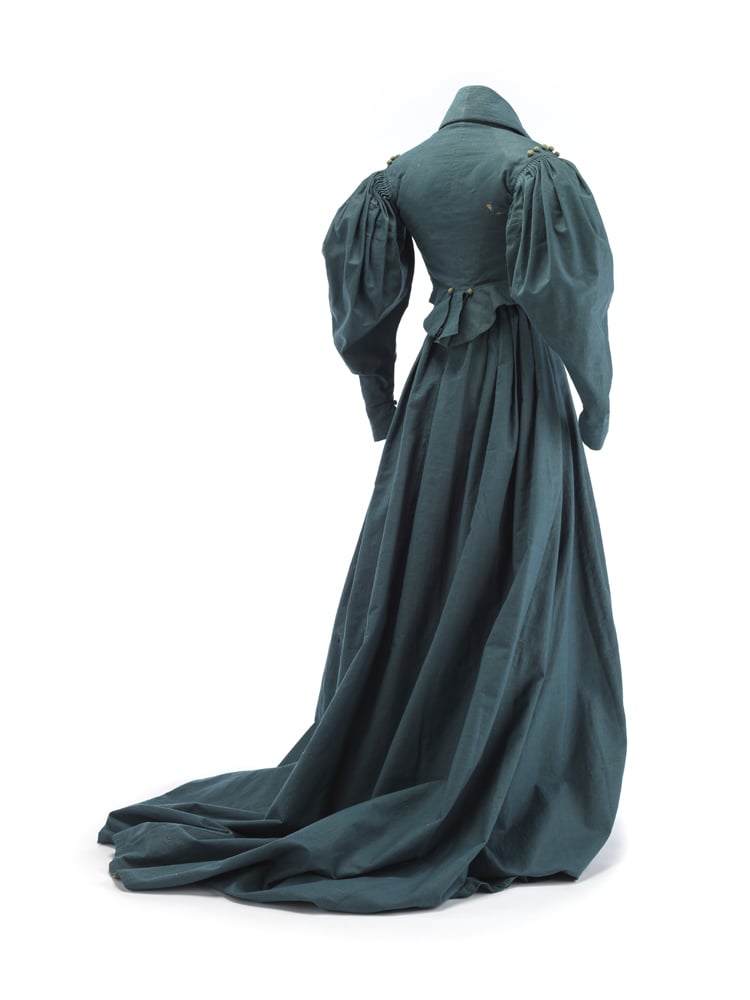
When women explored men’s wardrobes: Amazon dresses in the mid-19th century
In the mid-19th century, sport was a fairly marginal activity. While middle-class men exercised from time to time, women only rode horses. At the time, there was no specific piece of clothing dedicated to sport, but rather everyday clothes that people could use according to their needs. The men’s wardrobe, composed of bifid, close-fitting pieces, seemed more appropriate. It allowed a wider range of movement than dresses and other ensembles for women. Women took them from the men’s wardrobe and had their clothes reworked by tailors for men in order to ride horses at that time.
Inspired by men’s trousers, women added a small buttonhole to the waistband of their dresses so that they could pull up their petticoats when dismounting from the horse and move around without being hindered. This new ensemble participated in the popularization of sport as a daily activity for bourgeois society. It actually led to the masculinization of women’s clothing. The feminine wardrobe started to borrow fabrics, accessories and cuts from their counterparts that were better suited to equestrian activities, such as hunting and riding. Women also donned top hats and caps, masculine attributes that were nonetheless adorned with a light veil to protect their faces from dust and wind… And be them elegant at all times.
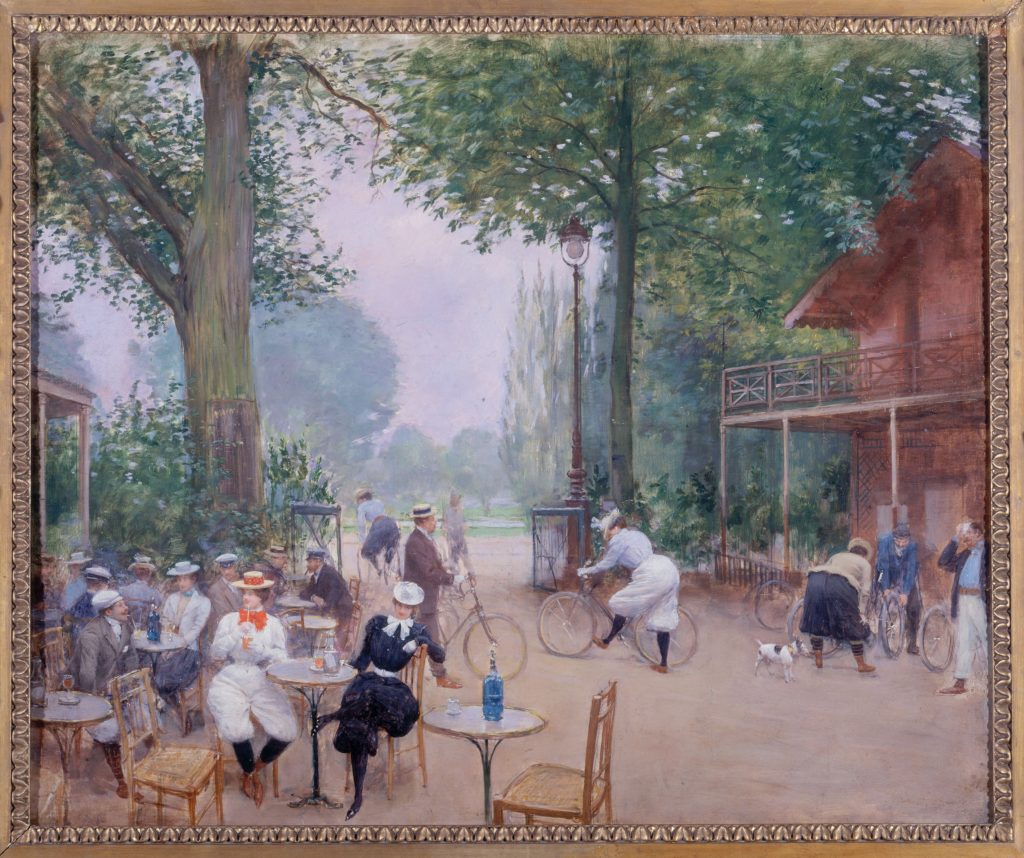
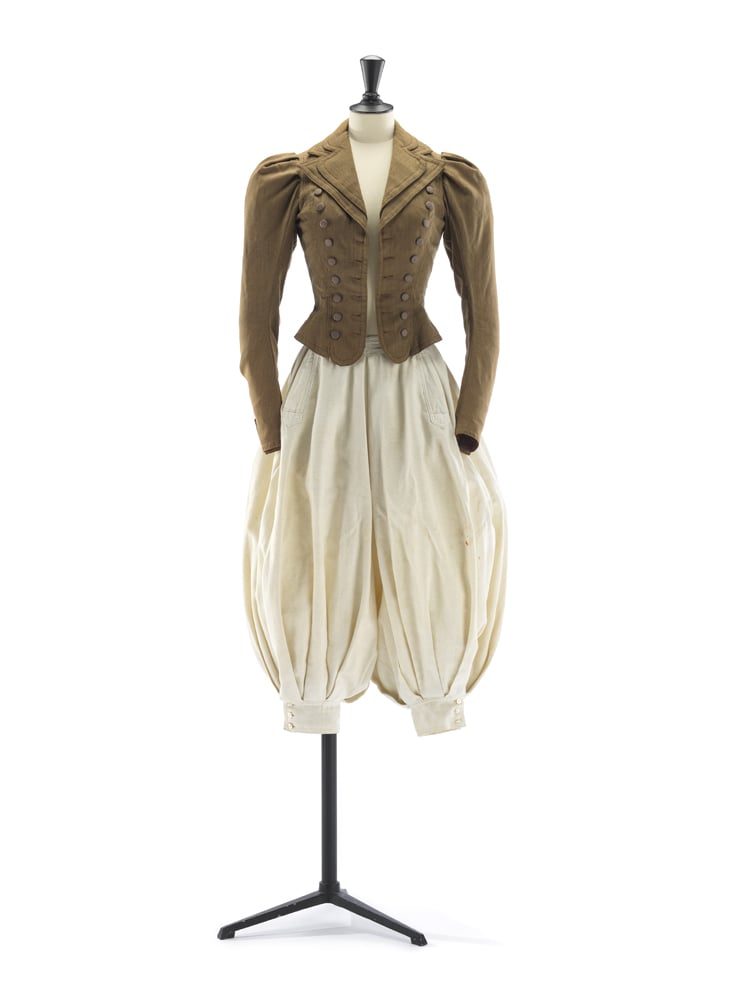
On the road to new clothes: the ‘bloomers’ of the early 20th century
The following decades kept fusing the two wardrobes and saw many menswear pieces adapted for women, starting with bifid breeches, which gave women a new range of motion and, more symbolically, a new form of freedom. This innovation was directly linked with the rising emancipation of women by the end of the 19th century, driven by figures like the American activist Amelia Bloomer. As the bicycle gradually became available to all in the 1880s and in the 1890s, women seized on this new means of transport to get around town freely. Feeling ill at ease with their large petticoats, women once again drew their garment inspiration from the masculine wardrobe and adopted bloomers, which were worn below the knees with stockings for the sake of public decency.
Despite the public outrage triggered by the idea of a woman in breeches riding her bicycle freely – breeches used to be called ‘bloomers’ at the time – the garment became popular and found its way into the collections of Parisian department stores, which responded to growing customer demand for these pieces. These cycling outfits came in all colors and shapes on shopping shelves and were even worn daily and proudly by women, whether they were meeting up for tea or for a walk in Parisian parks or at the Chalet du Cycle in Bois de Boulogne. It marked a huge step towards the increasing popularity of trousers, which used to be banned for women since the Second Empire, first as beach pyjamas, then as a staple piece in women’s wardrobes in the mid-20th century.
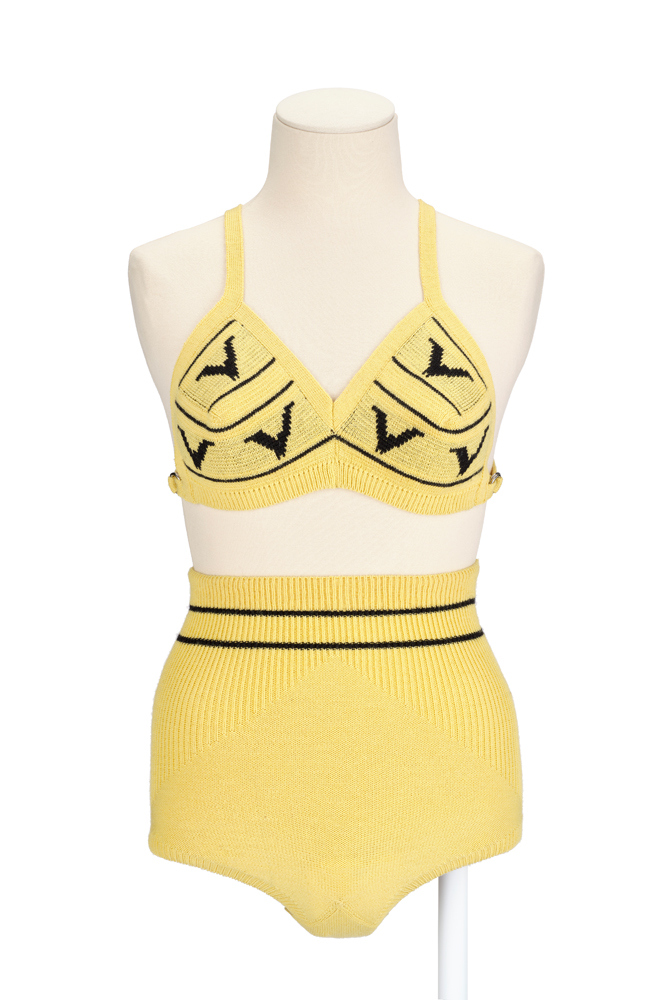
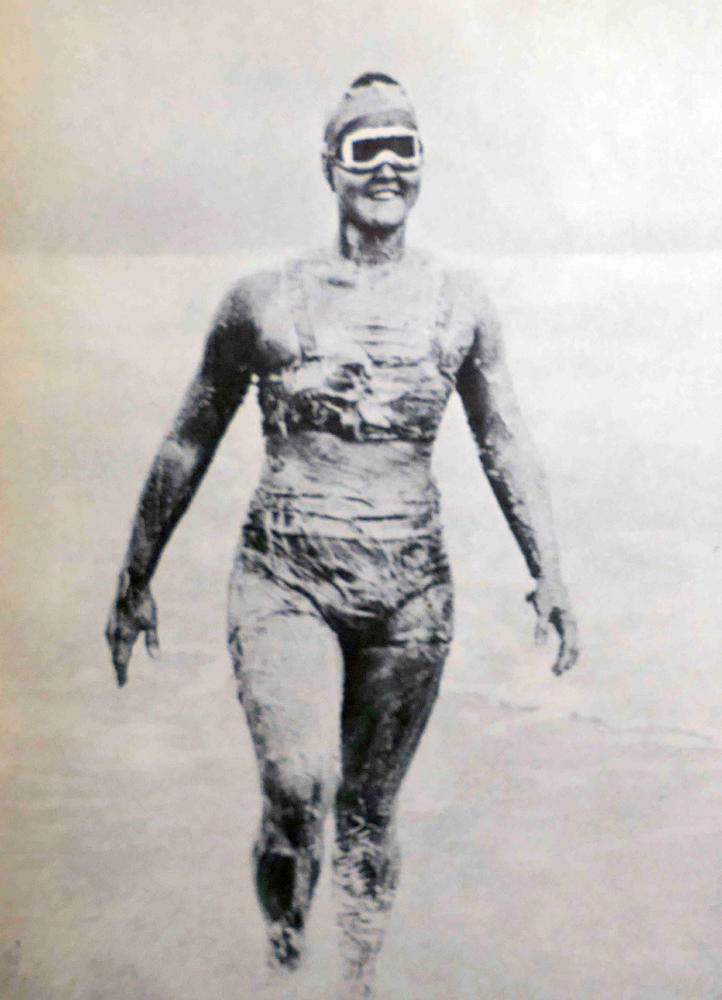
The two-piece swimsuit: from sports competitions to beachwear
In August 1926, Gertrude Caroline Ederle became the first woman to swim across the English Channel, beating the men’s record time held by Sebastian Tiraboschi. Photographs of her arrival on shore spread across Europe, as well as pictures of her outfit — a two-piece swimsuit that differed from the one-piece suits usually worn by sportsmen and women at the time. Designed by the swimmer’s sister to give her body optimal freedom of movement, this woolen garment clashed against the tradition, which required women to cover their skin at the beach.
Beyond the specific context of sport, the two-piece swimsuit eventually became popular among women and gradually spread outside swimming competitions. It only took four more years for textile manufacturer Neyret to include a two-piece woolen swimsuit in its catalogue. The ensemble was largely worn under pyjamas on most French beaches.
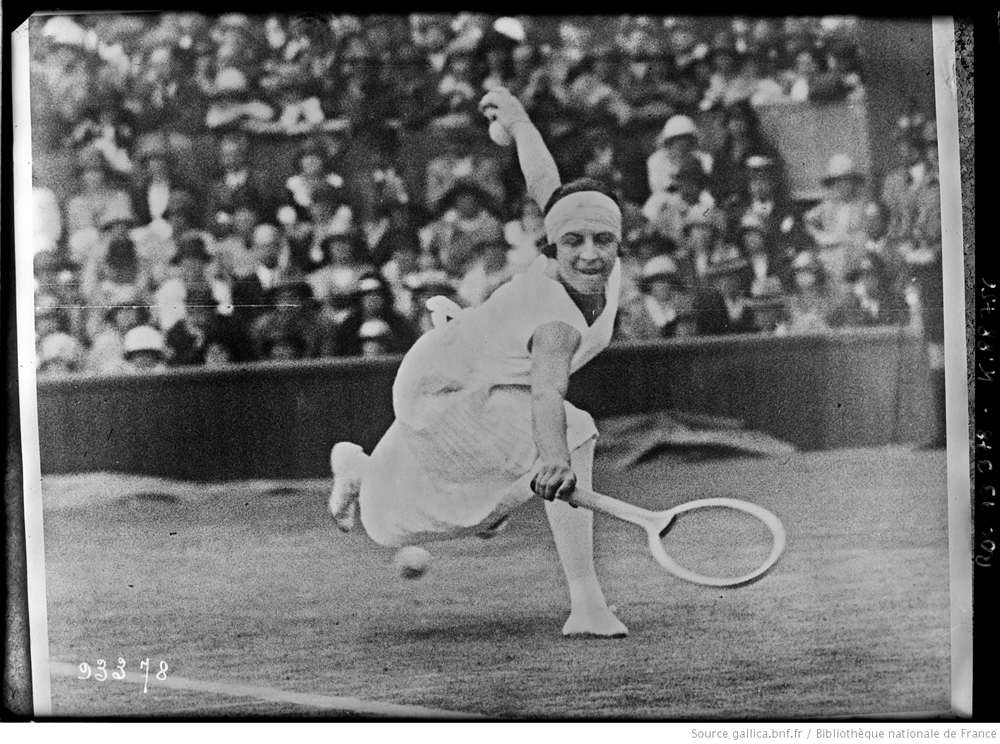
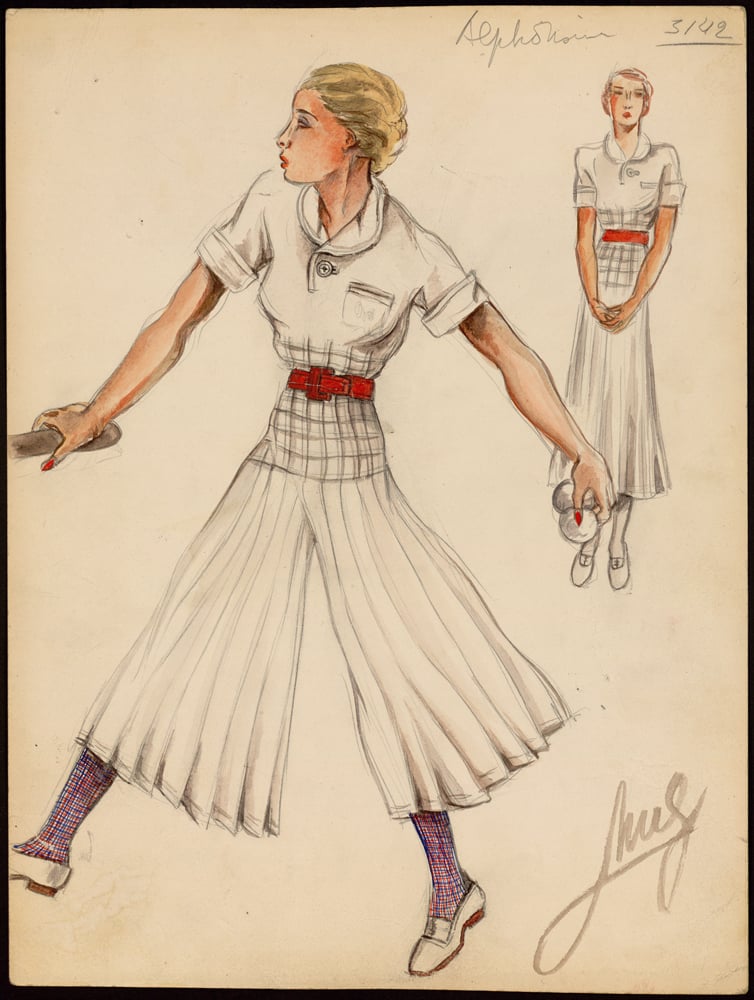
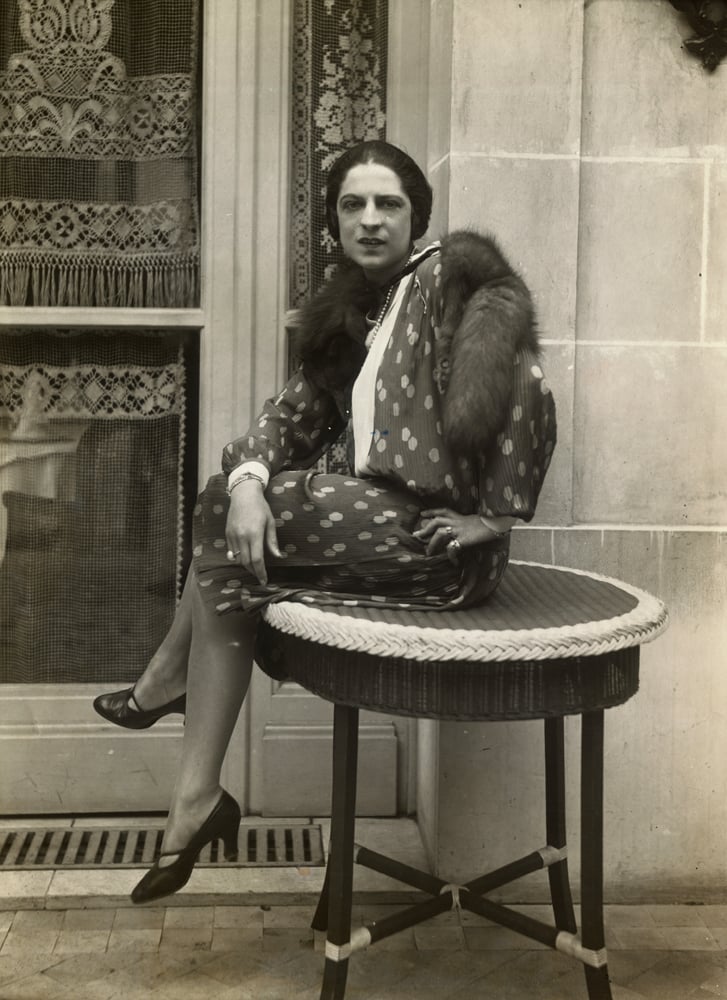
Sportswomen, or the original fashion icons
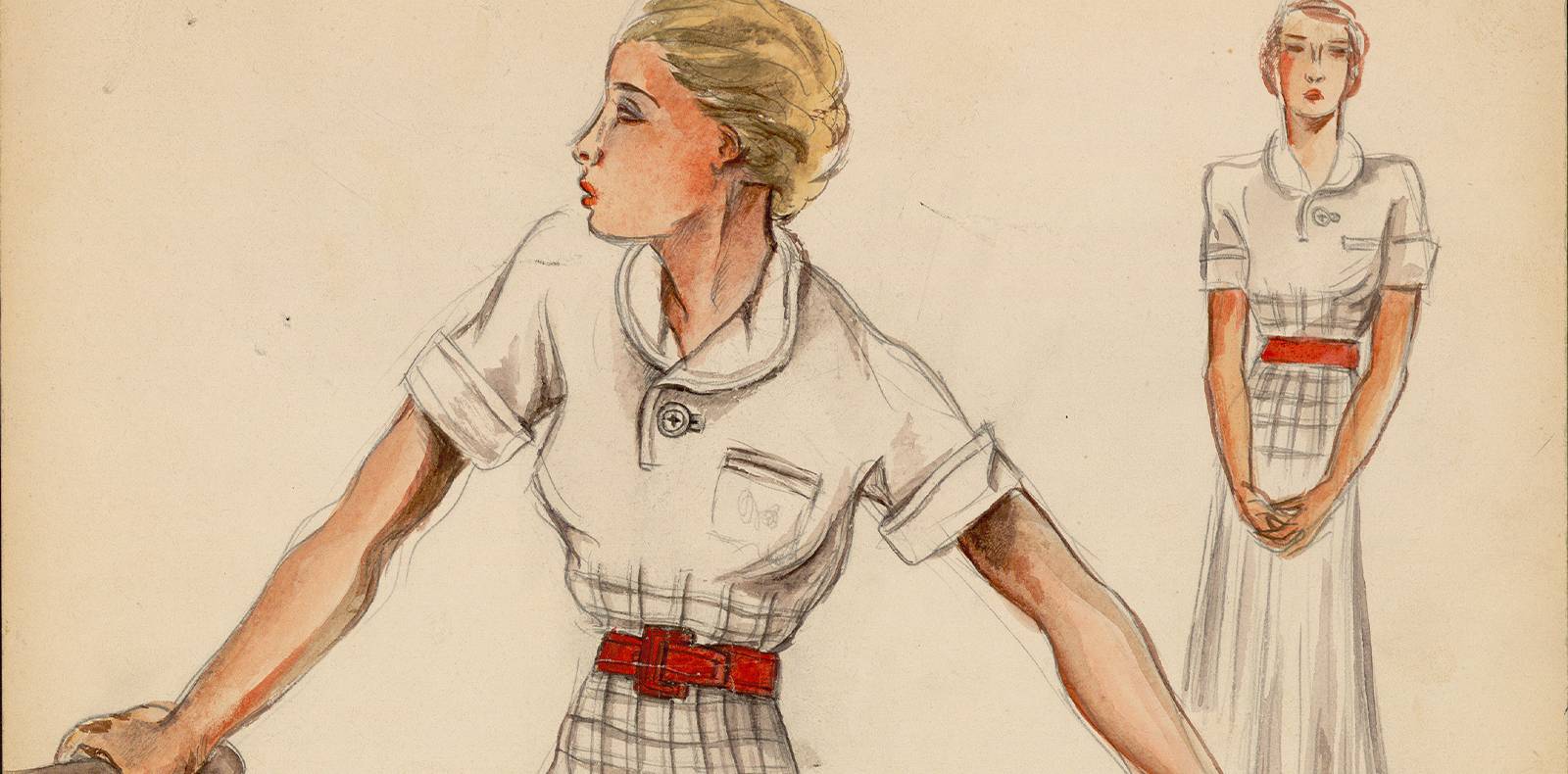
As more and more women participated in sporting competitions, they established themselves as public figures. Take tennis player Suzanne Lenglen (1899-1938), who won the prestigious Wimbledon tournament in 1919. At the height of her career in the early 1900s, the woman referred to by the French as ‘La Divine’ (‘The Goddess’) became the first international tennis star and was featured on the front page of many of the newspapers at that time. Fashion designers quickly saw these new celebrities as a way of promoting their ready-to-wear lines. Embodying youth and a new kind of dynamism, Suzanne Lenglen drew the attention of Jean Patou, who designed a white dress for the champion in 1919.
The dress took the world by storm with its particular shortcut and made a lasting impression with its pleated fabric that gave the athlete an elegant appearance, which earned her game the term ‘dancing’. Emblematic of today’s tennis outfits for women, this short, pleated garment became popular with all the tennis players of the 1920s, making La Divine a veritable fashion icon before her time. In the years that followed, many fashion houses created outfits for male and female athletes and launched new ready-to-wear lines dedicated to sport.
In 1923, for instance, Jeanne Lanvin designed her famous ‘Yvette’ dress in reference to tennis champion Yvonne Bourgeois, while Jean Patou designed the ensembles worn by Suzanne Lenglen during her public appearances in 1925. Some athletes even launched their own brands, such as tennis player René Lacoste, who marketed the famous Lacoste polo shirt in 1933 after cutting the sleeves off one of his shirts during a match. The term ‘sportswear’ was first coined by the French press in 1928.
When fashion designers collaborate with sports equipment manufacturers
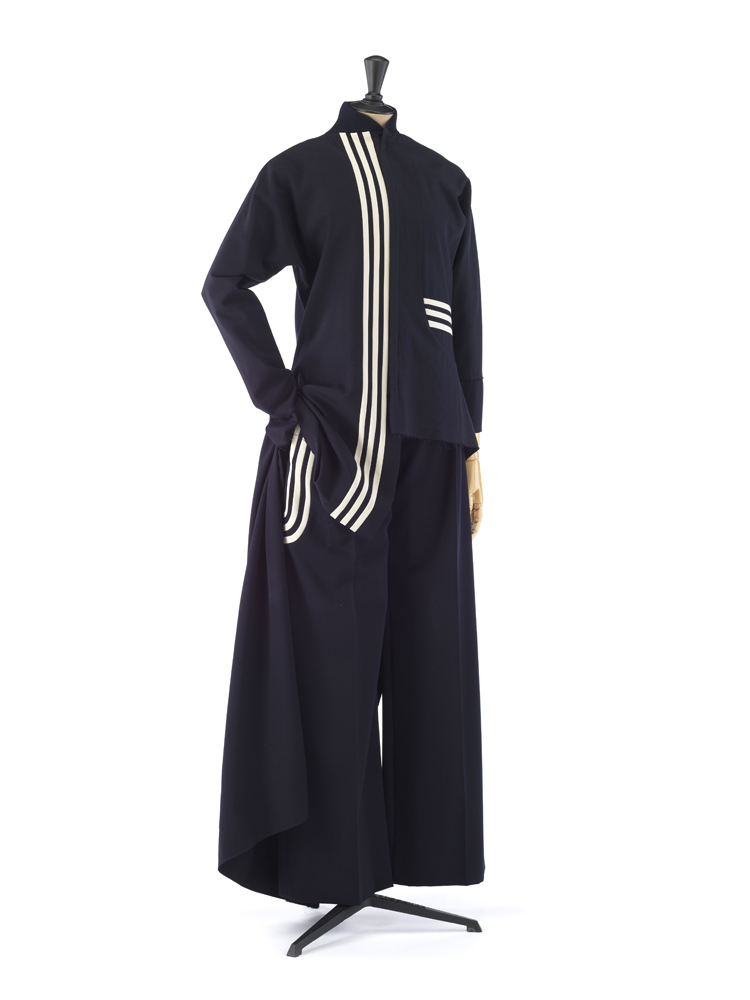
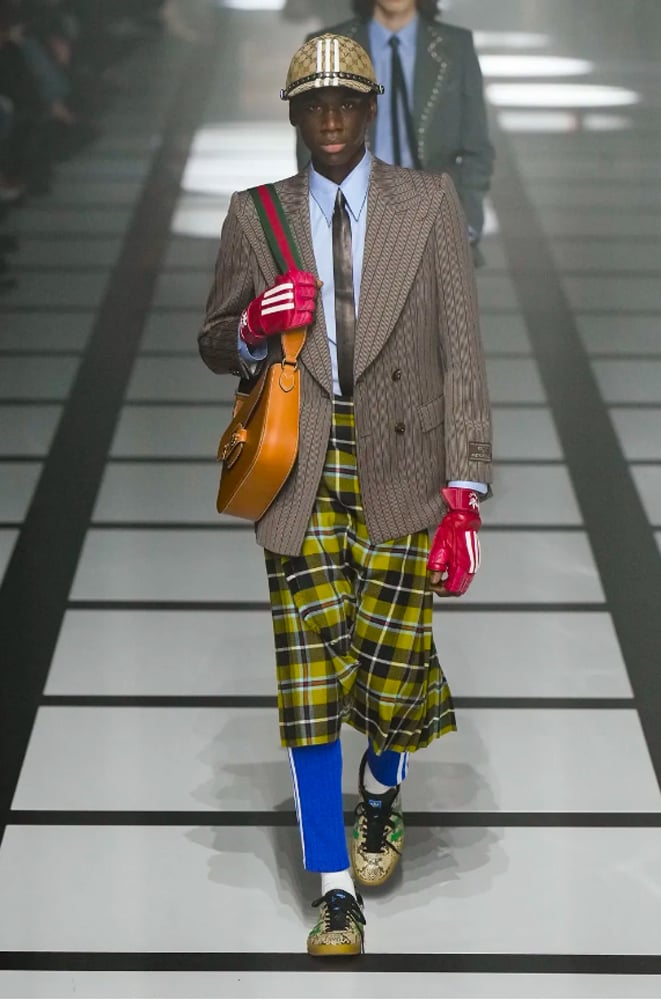
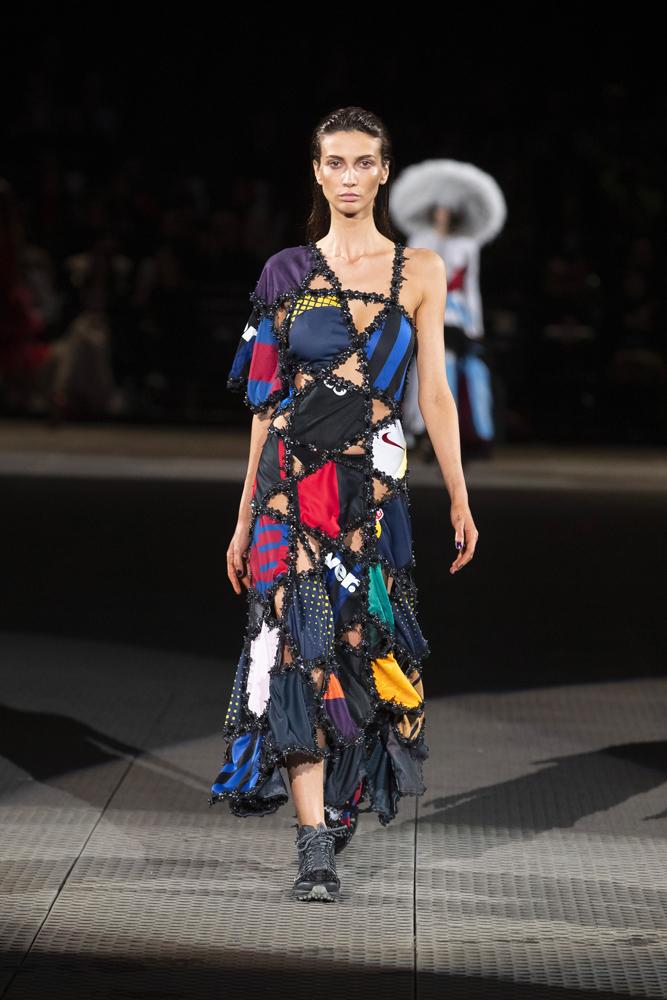
In 1995, Puma and Xuly.Bët launched the first collaboration between an equipment manufacturer and a fashion house. Then, it was designer Yohji Yamamoto who drew his inspiration from Adidas’ iconic white stripes for his Fall/Winter 2001-2002 collection. Featured on backpacks, jackets, dresses and trousers, the three lines inspired the Japanese designer to create elegant and trendy workout outfits. Paired with trainers, they can be worn in the street or at a dinner party. “The world of sport and its technology seek practicality and functionality, attempting to reduce excess, while fashion is seeking the opposite. What interested me was flirting with a world that was supposedly incompatible with fashion,” the designer told the French newspaper Libération.
This first collaboration gave rise to the brand Y-3, a fusion between Yohji Yamamoto and Adidas. Its success reflects a growing interest in sports brands, such as Nike, StanSmith, Converse, Van’s… Their accessories and clothing abound in the fashion culture of the 2000s, making their trainers, joggers, sweatshirts and caps part of everyday life.
The sportswear trend: the iconic Juicy Couture tracksuit
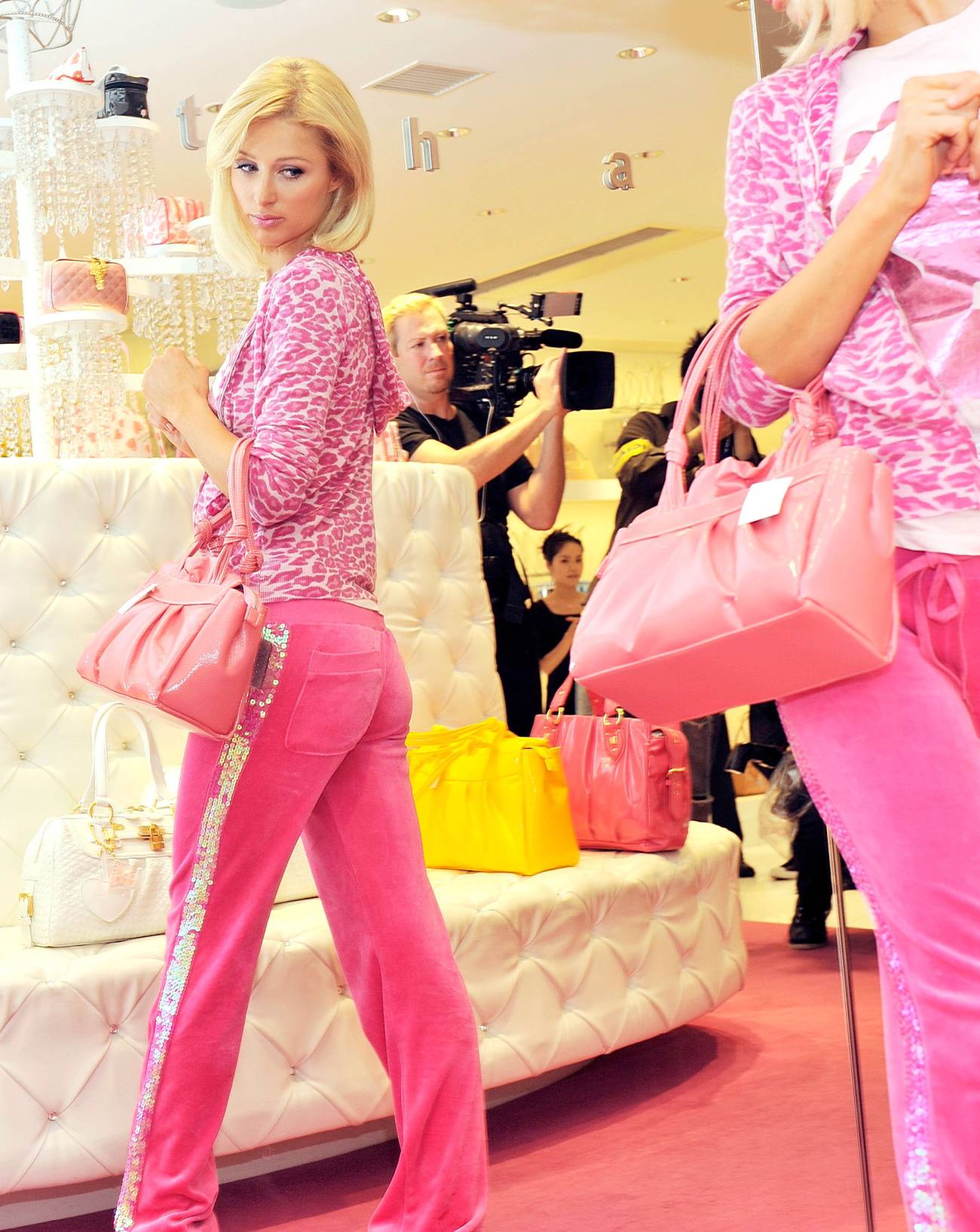
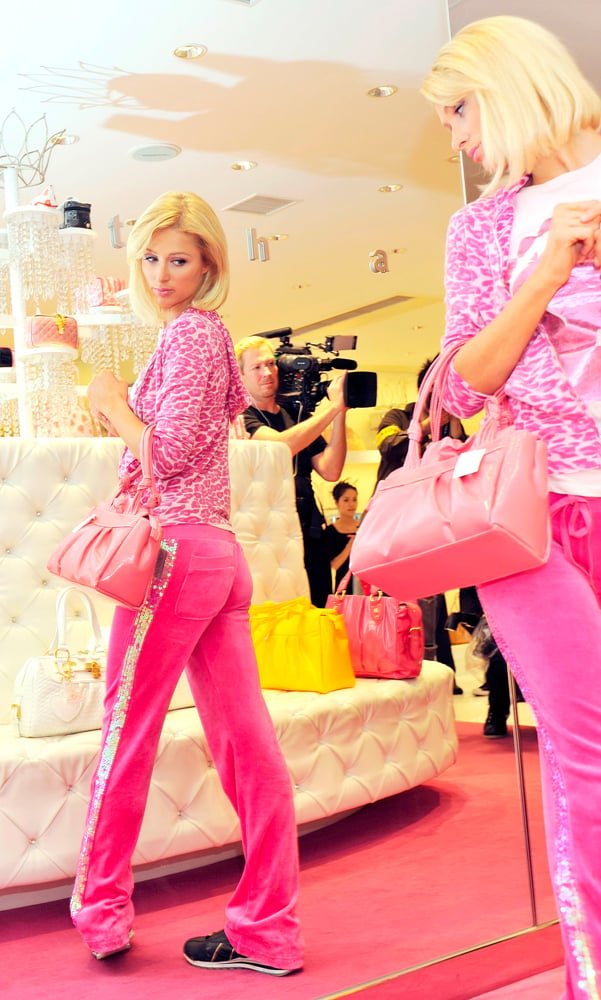
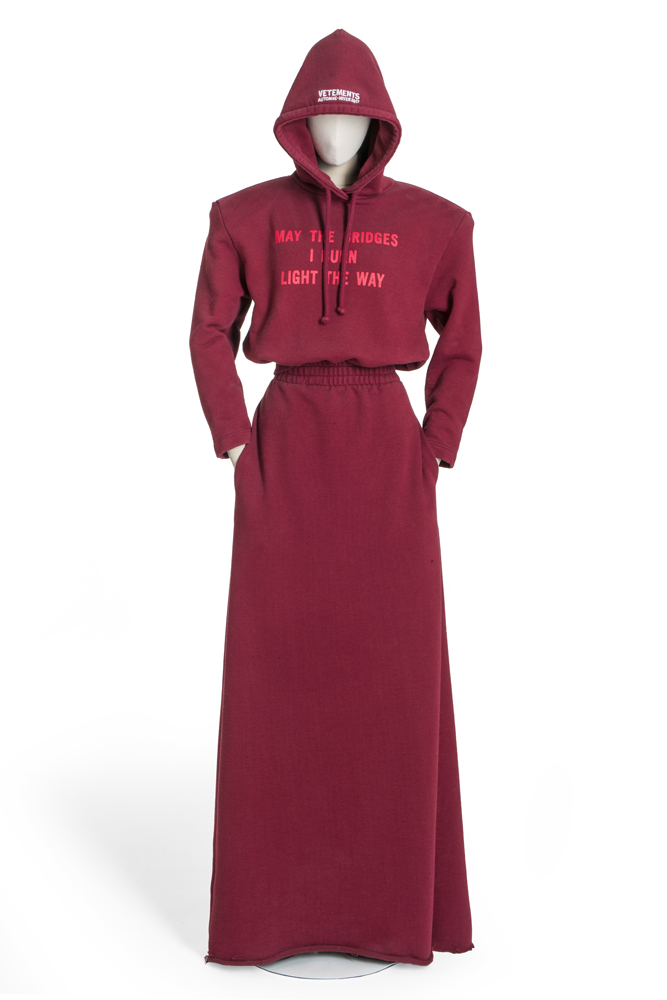
As the sportswear trend spread in the 2000s, some pieces gradually became iconic, like the flashy Juicy Couture tracksuit. The ensemble was cherished by the most famous it-girls at the time. One can remember Britney Spears, Lindsay Lohan and, of course, Paris Hilton. The latter wore it every time she went out and collected it in every color. As hip-hop became the number one music genre by the end of the 20th and beginning of the 21st centuries, the tracksuits worn by rappers were extracted from the music scene to become an ultra-trendy look. The American band Run-DMC sang My Adidas in 1986, rapper Nelly dedicated one of his songs to his pair of Nike Air Force 1 in 2002, while Frank Ocean mentioned the social symbolism of Nike trainers in his 2016 song.
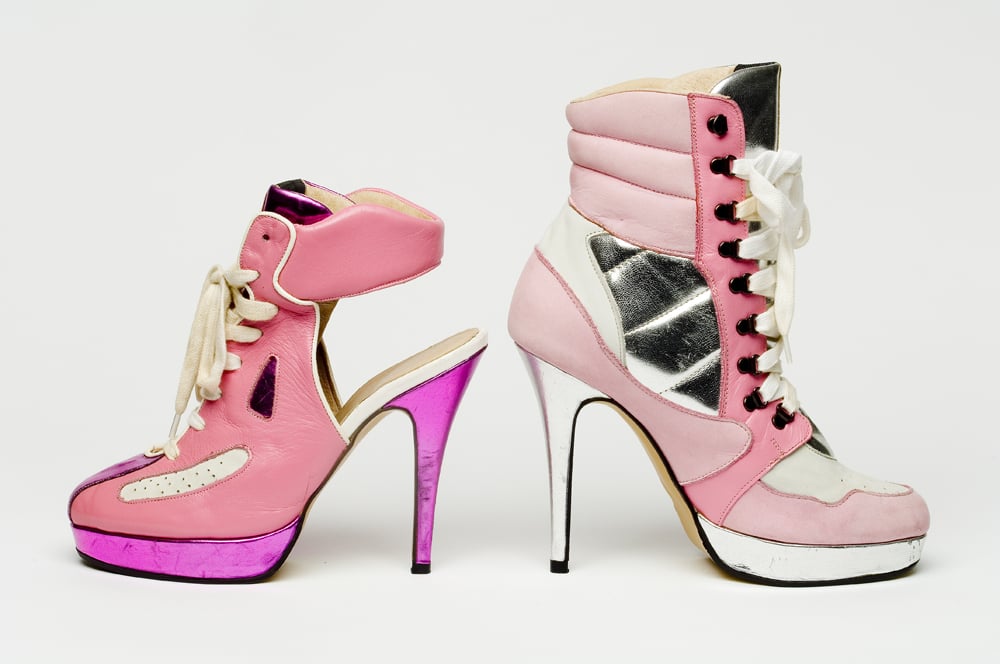
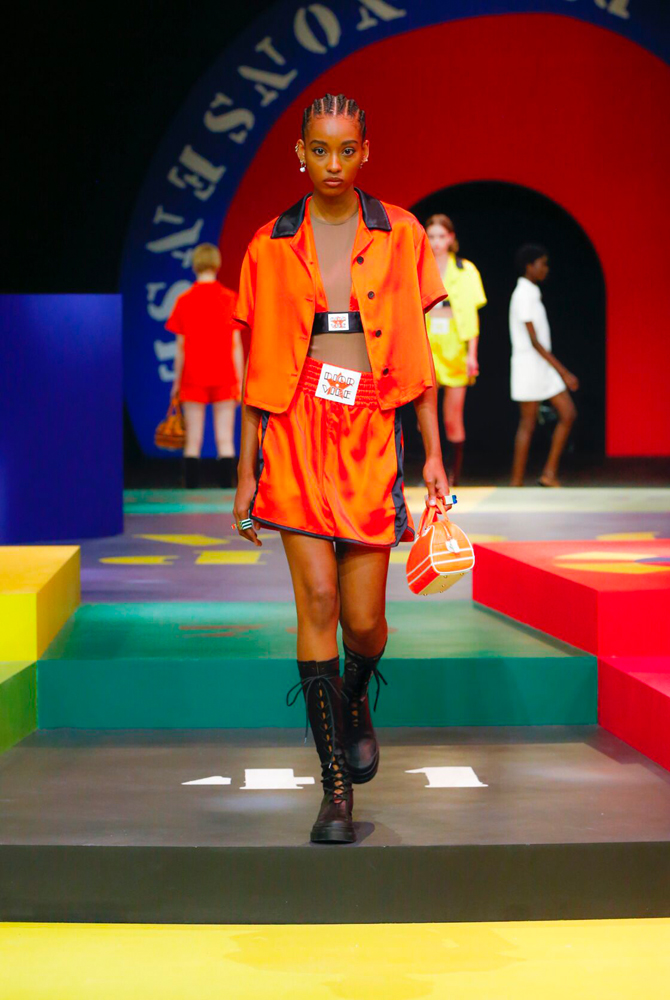
Against this backdrop, the Juicy Couture tracksuit became a favorite among celebrities. Its design has been revamped by designers like Sonia Rykiel, Hermès and Kenzo in their ready-to-wear collections. In the same way that streetwear became sportswear in the mid-19th century, it finally came full circle with sportswear becoming streetwear.
Translation by Emma Naroumbo Armaing.