5
5


Meet Caroline Polachek: “We are lucky to live in a culture that values artists and freedom of expression.”
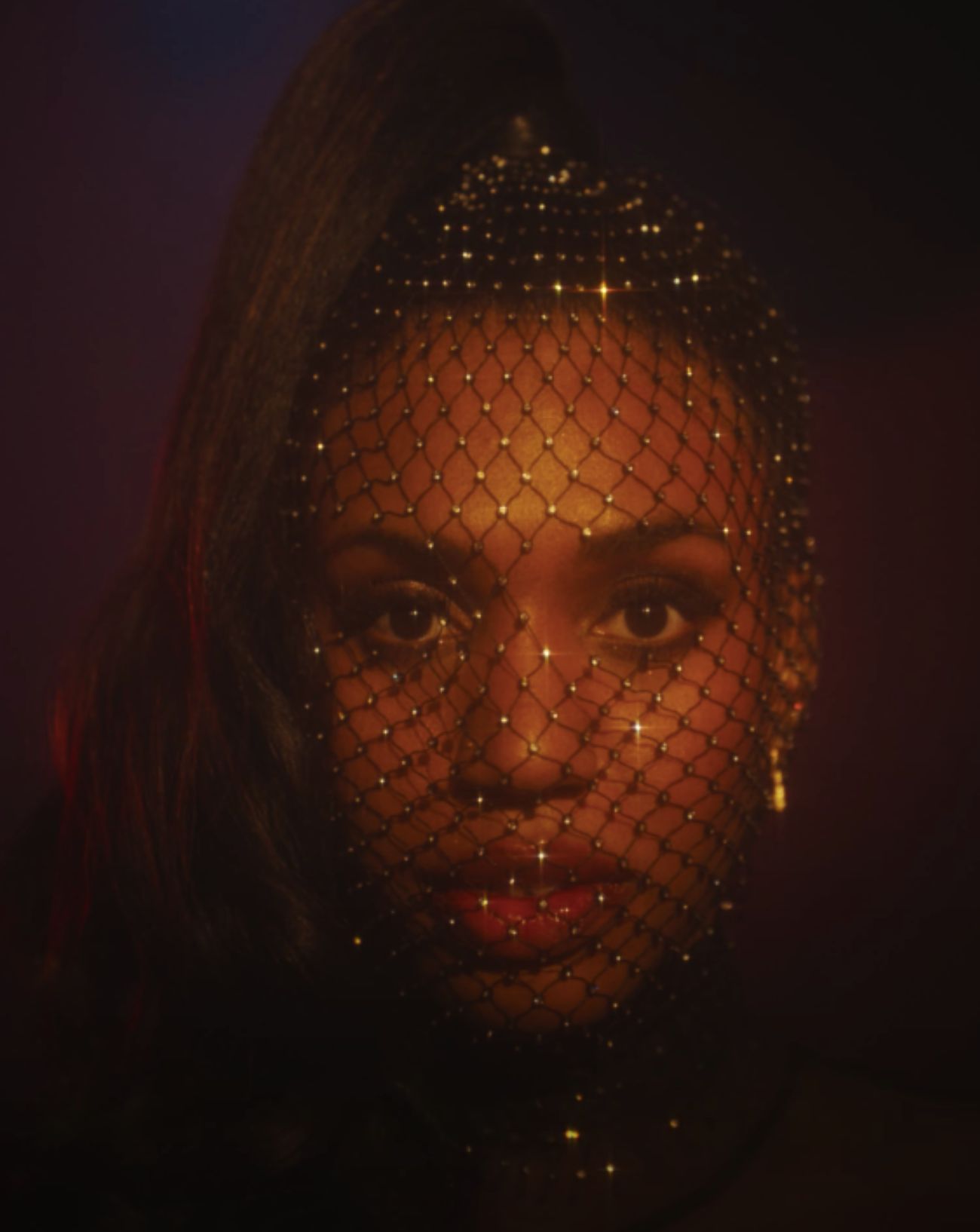
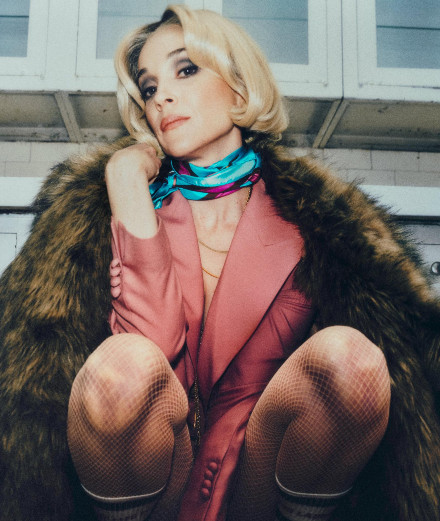
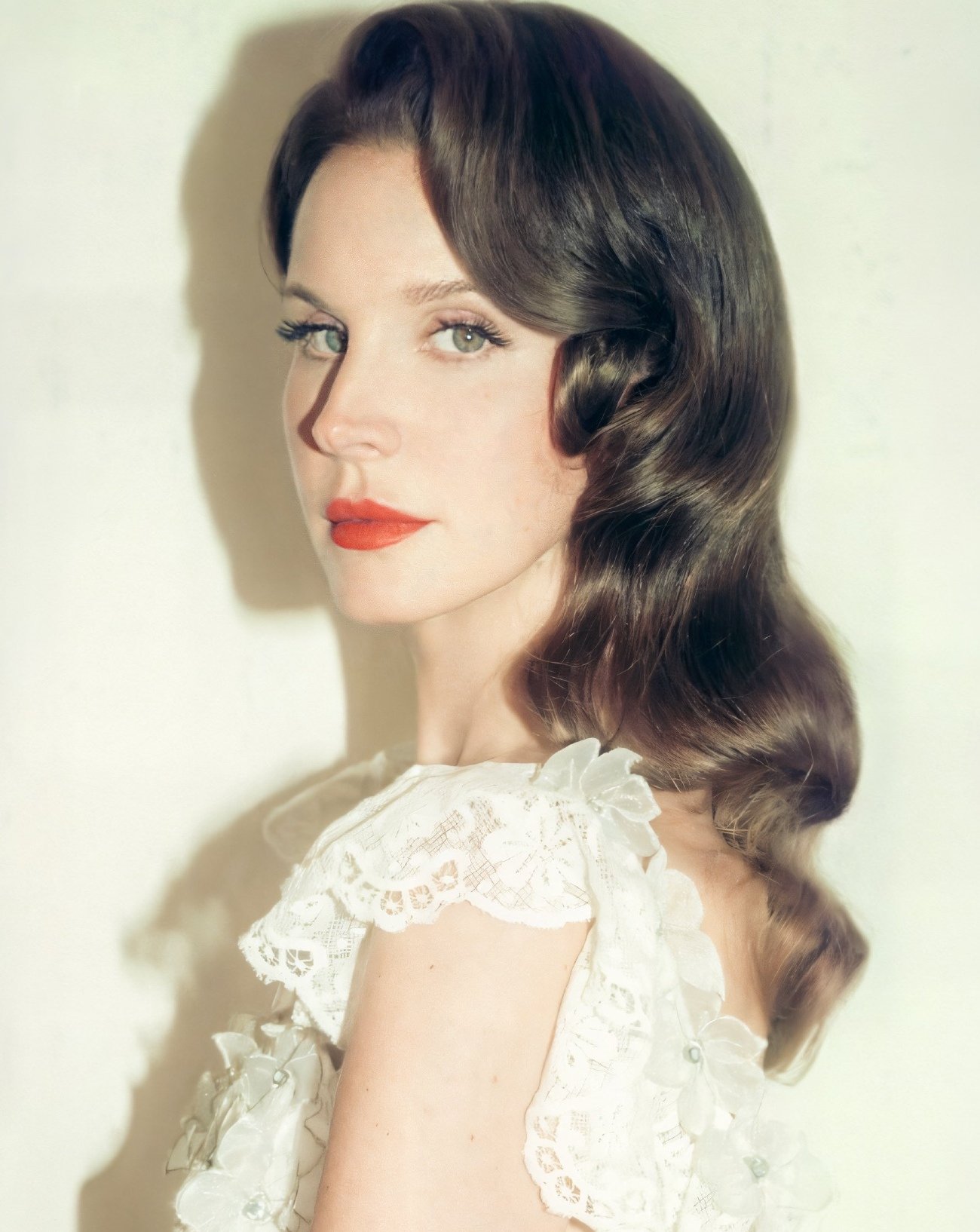
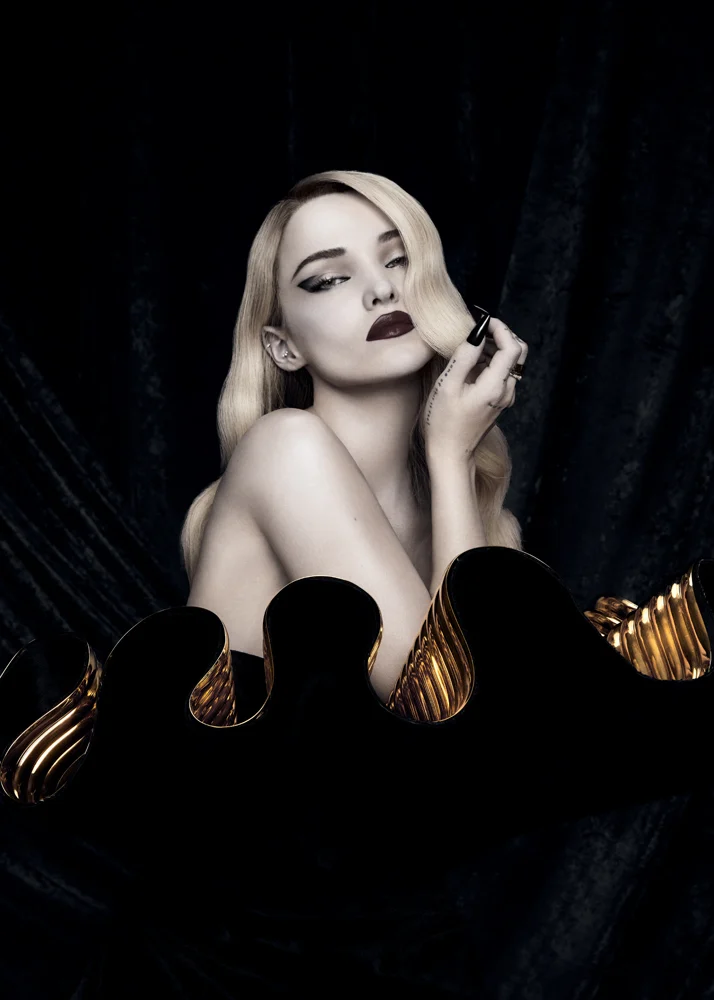
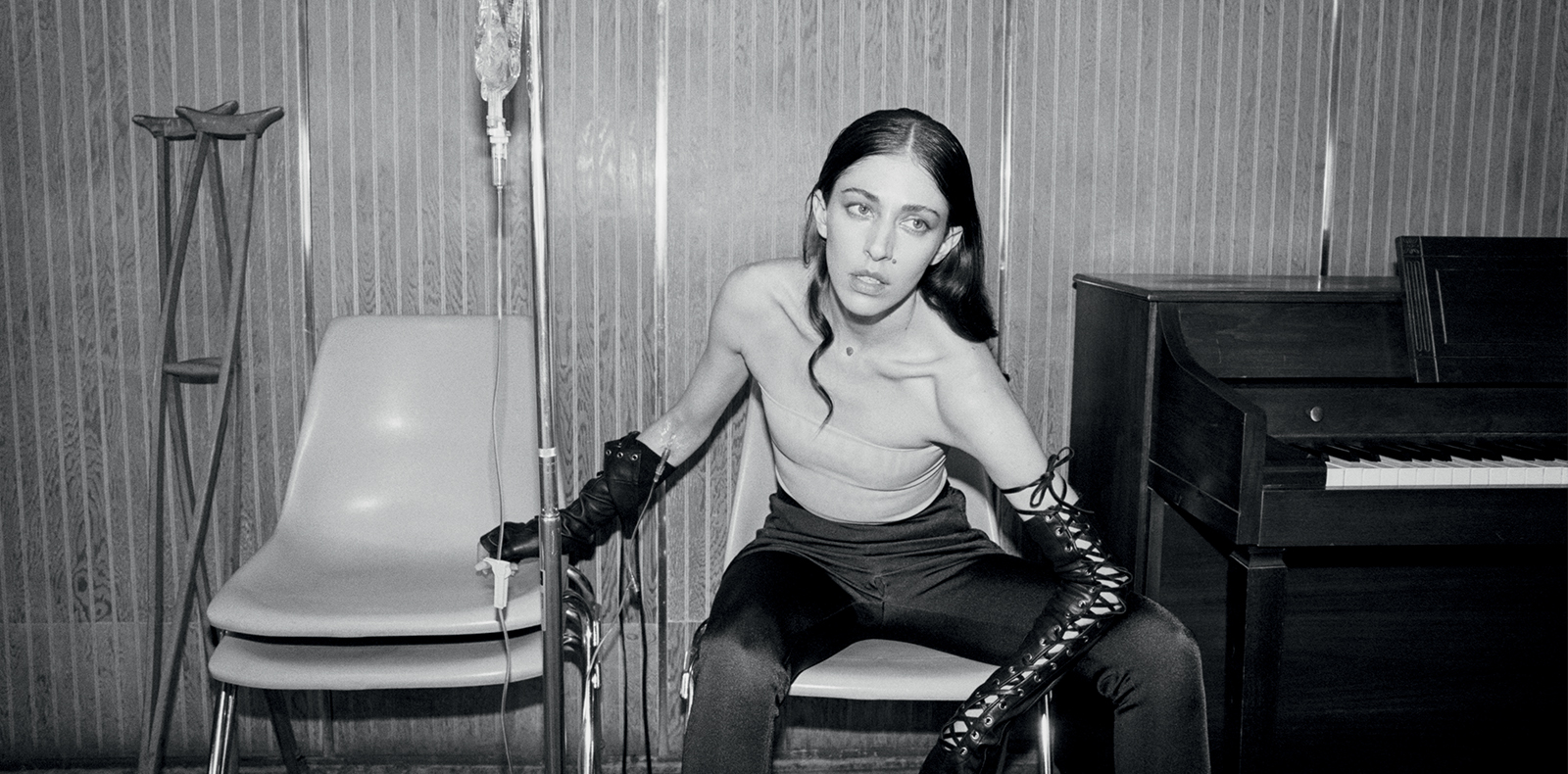
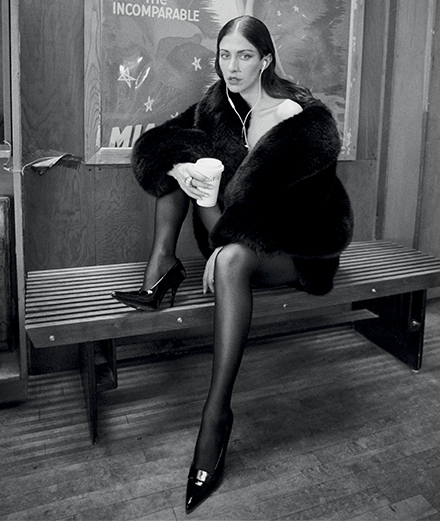
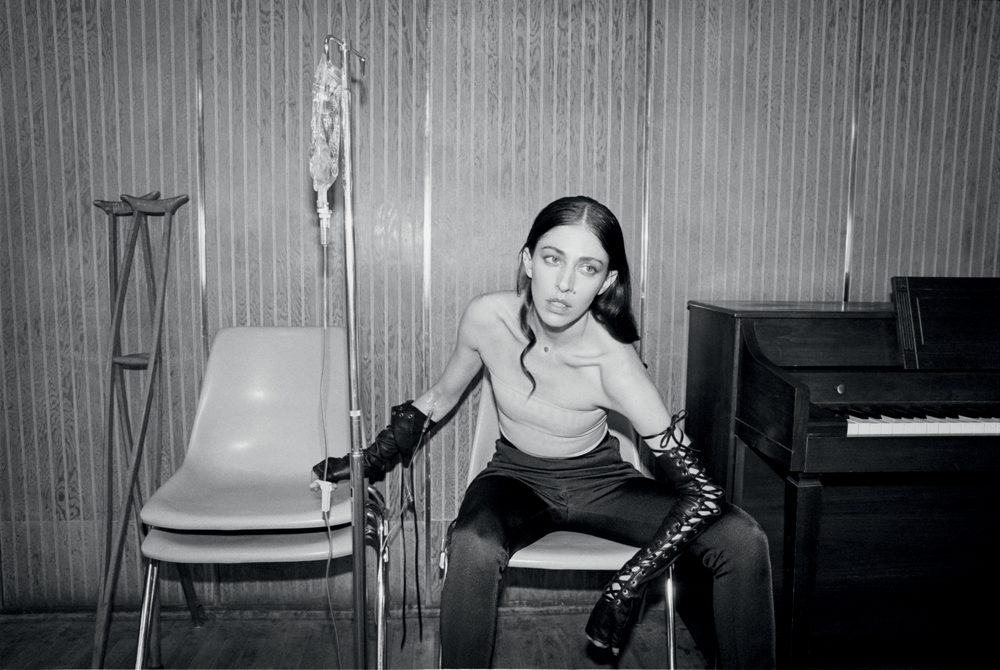
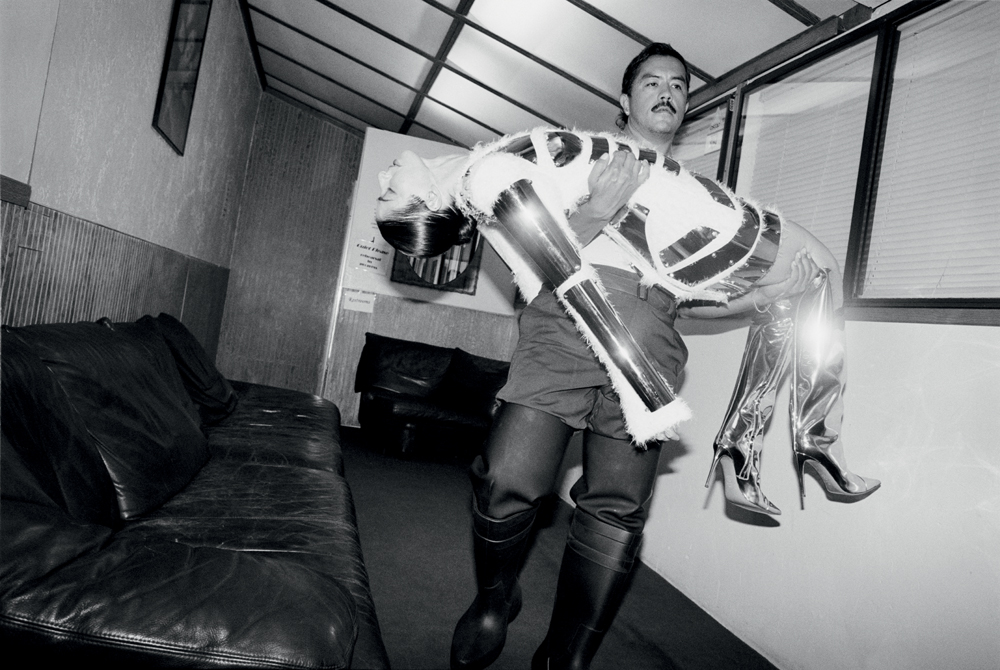
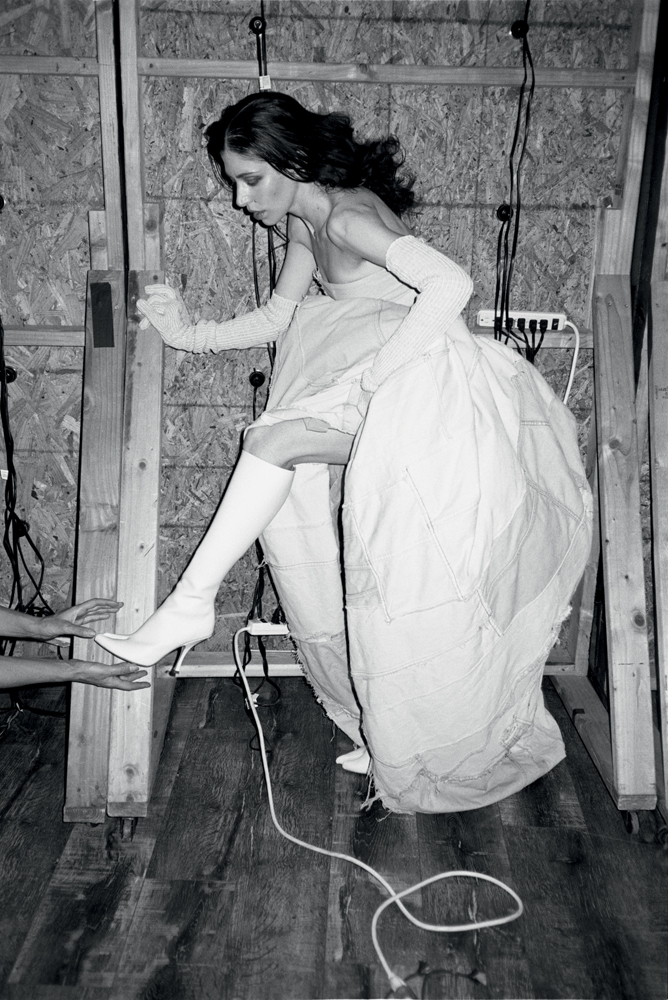
Caroline Polachek is one of the most exciting singers and producers of the moment. The 40-year-old American artist with a celestial voice already has a long performing history. The former member of the synth-pop duo Chairlift has already collaborated with Beyoncé, Charli xcx, and Christine and the Queens, among others. The bewitching musician talked to Numéro about the power of pop and the artist’s role in troubled times.
Photos by Cameron McCool,
styling by Mindy Le Brock,
interview by Violaine Schütz.
Published on 15 July 2022. Updated on 5 June 2026.
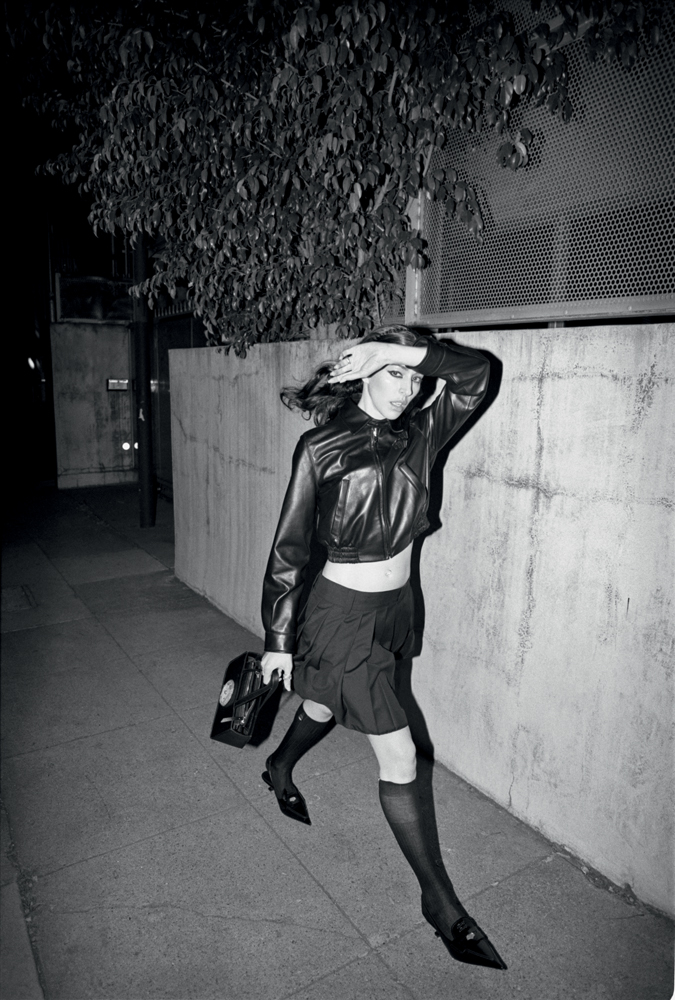
The virtuoso singer-songwriter and keyboard player Caroline Polachek has made a name for herself with her own brand of adventurous synth pop, over which her powerful, celestial voice soars to bewitching heights. Born in New York, in 1985, the young musician learned the synthesizer and sang in a choir, and would later land herself a research grant at the Villa Médicis. Whether she appears under the pseudonyms Ramona Lisa or CEP, or under her own name, the former member of the successful synth-pop duo Chairlift (in which she cut her teeth from 2005 to 2017) always seems in tune with her times.
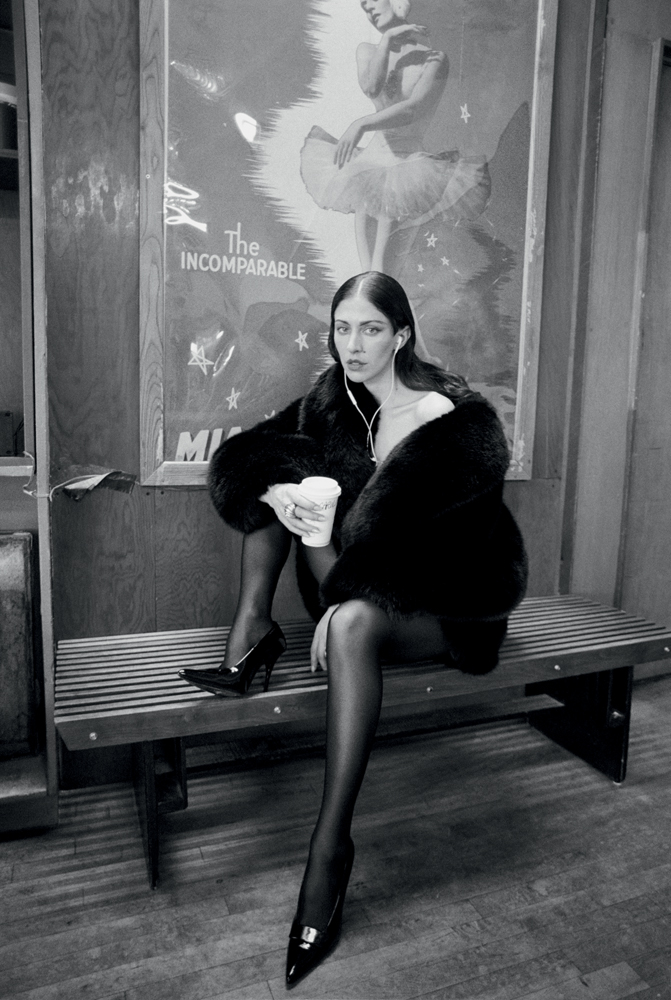
In 2019, she released the sublime Pang, an album of oneiric pop that captures the euphoria and despair brought on by being in love. Her talent has opened the door to an impressive number of collaborations, among them Beyoncé — she co-wrote the track No Angel in 2013 — Blood Orange, Sébastien Tellier, Charli xcx and Christine and the Queens.
Mixing Greek mythology, the gothic, the fantastic, the mystic and the surreal, the 40-year-old artist seems at home in every genre. She also composed music for contemporary ballet and art performances. In the wake of her recent performance at Coachella, Numéro caught up with Caroline Polachek in the middle of the Californian desert. Discover a new type of pop star whose creativity knows no rule or boundary.
Numéro: In April you appeared on stage at the Coachella Festival. What was that like?
Caroline Polachek: I’d already played a few times at Coachella, as a guest invited by other artists, but this was my first solo appearance. I was very happy to be able to try out the aesthetic of my next album. We built a giant smoking volcano on stage – it was magic! After two months with Dua Lipa on his Future Nostalgia Tour, I felt ready to perform for a festival audience. I like festivals just as much as intimate concert halls, but I confess I have a preference for the bucolic.
Your two recent singles, Bunny Is a Rider [2021] and Billions [2022], seem to suggest you’re headed for a more experimental sound.
I like to go from one sound to another, and I never feel held back by what I’ve done in the past. Both these songs will be on my next album. In the lyrics – but also in the music – I was looking for a form of abstraction. The idea was to have lyrics that seemed to come from a dream, by which I mean something that isn’t too narrative.
Billions talks about our consumer society. When asked about the song, you said: “The overabundance of this world overwhelms me. Sometimes it seems like the ultimate tragedy, the Earth being pillaged and destroyed for it. Sometimes it seems pre-human, beyond morality, sublime. I don’t pick sides, I just live here, with you. How does it feel, being so rich?”
I don’t like to say too much about what my songs might mean – I prefer to leave that to people’s imaginations. But yes, it’s a song about abundance, both physical and emotional: the fact of having too much. I started from the Greek myth of the horn of plenty, which overflows with fruit and flowers, as a metaphor to talk about our world today.
Your track So Hot You’re Hurting My Feelings [2019] became a dance challenge on TikTok, and videos featuring it have been viewed over 330 million times on the app. What’s your reaction to that?
I’ve always thought that, after you release music, it doesn’t belong to you anymore. And I like the way that all sorts of people from all over the world have appropriated this song, interpreting it their own way when reprising the choreography I devised for the video. You never know what will happen after you post a video. I was very surprised, because the track went viral on TikTok over a year after it came out as a single. Friends were calling me saying, “Look at that one dancing!” It didn’t stop. In the end, I redid the dance myself on TikTok in order to close the loop.
You’ve already been compared to Kate Bush, Björk and Enya. Who are your main influences?
I’m very inspired by contemporary artists like Rosalía or Doja Cat, who experiment with sounds. I like the idea of having fun with music, but my influences are often more abstract. In May 2000, on a trip to Italy, I was very moved by the landscapes, especially those in Sicily. The contrast between the economic situation and this long and very deep history that stretches back to the Roman Empire impressed me greatly. The dark red, the different shades of brown, the golden, the sublime active volcanoes, the incredible mix of chaos and joie de vivre – my experience on the island really touched me.
In your videos, photos and album covers, you seem to pay a lot of attention to detail, as though they were mystic clues to entering another world – a giant key, a ladder, a maze, strange dogs, etc.
The dogs you see in the video for Door, for example, are greyhounds, which are linked to the concept for the album Pang, which talks about adrenaline. It was inspired by the rapid sensations the body has to adopt in the face of stress and instant decision-making. Greyhounds, which are bred to run very fast, seemed to me a good visual metaphor for adrenaline, but also for my music. They have magnificent lines, and they’re also mythological creatures: their high-strung bodies symbolize fear, pain and suffering. Among the other symbols you find in my imagery, there is the key, which represents the unattainable and what you have to risk to get something. Is it possible to be both free and secure? I don’t necessarily answer these questions, but I ask myself them. As for the door, it offers the possibility of an exit, an opening, but are we able to reach this door?
In several interviews you’ve said you feel connected to the Romantic movement. Your music sets off very strong emotions, a bit like the Stendhal syndrome…
I’m extremely attracted to strong feelings. For me, beauty is often a combination of pleasure and melancholy. Very strong emotions are involved, such as joy, sadness and confusion. The things that possess these contrasts are the ones that move me the most when I look at them, so I try to recreate that in a certain way in my music.
In this chaotic period we’re going through right now, which is marked by the war in Ukraine and by the coronavirus pandemic, what role has art played in your life? And what role do you think artists should play in our lives?
We are very lucky to live in a culture that values artists and freedom of expression. Art and artists have an enormous power in that they are able to connect us directly to our bodies and emotions without having to go through words. They also allow us to connect ourselves to the textures of the world that surrounds us. In Los Angeles, every day, I see concrete roads covered in trash and buildings that are crumbling away before our eyes. Electro music has a strong link with the urban landscape: in the manner of a metaphor, it seems destined to connect our minds to reality and to the surrounding technology. The artist’s most important task is to put us in harmony with the place where we live.
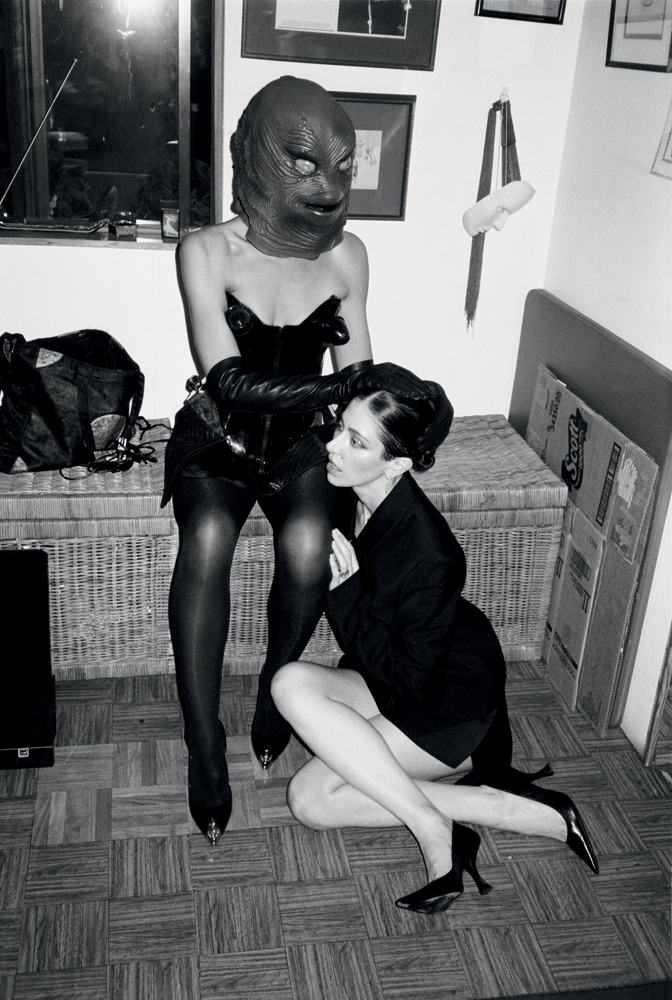
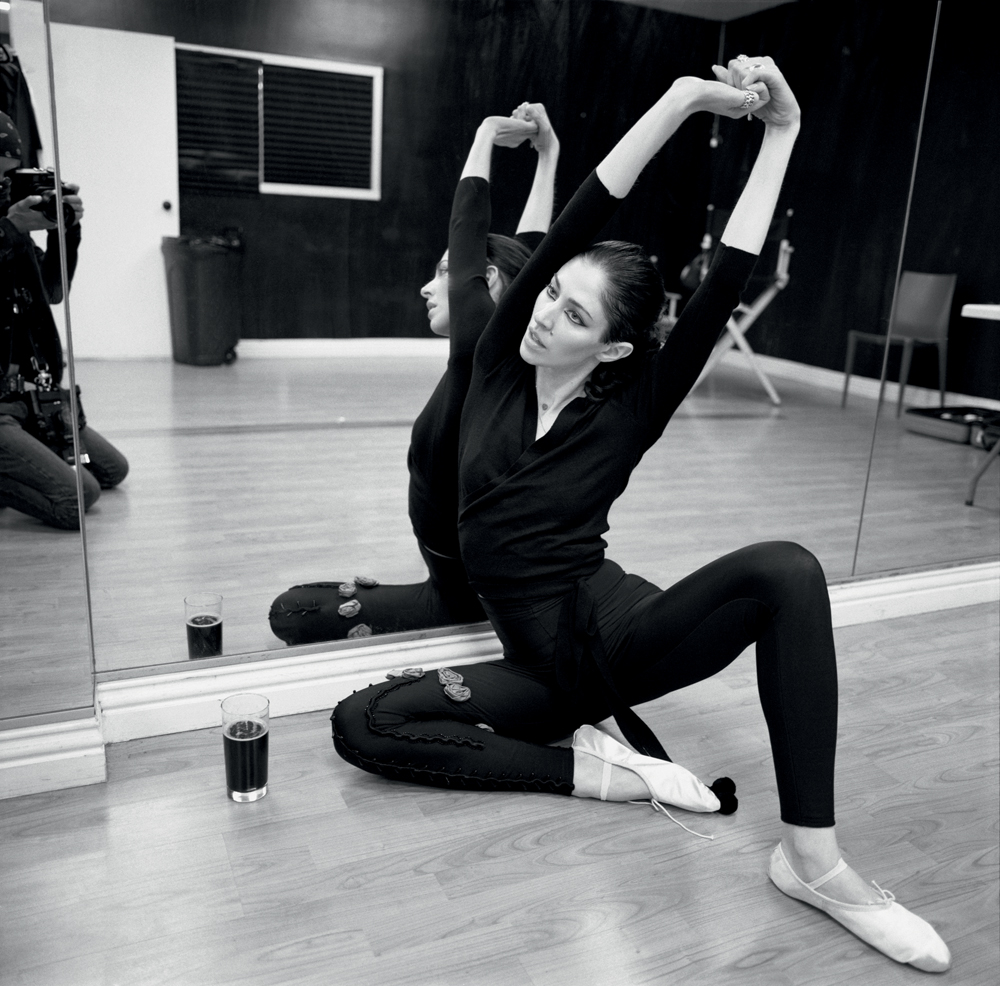
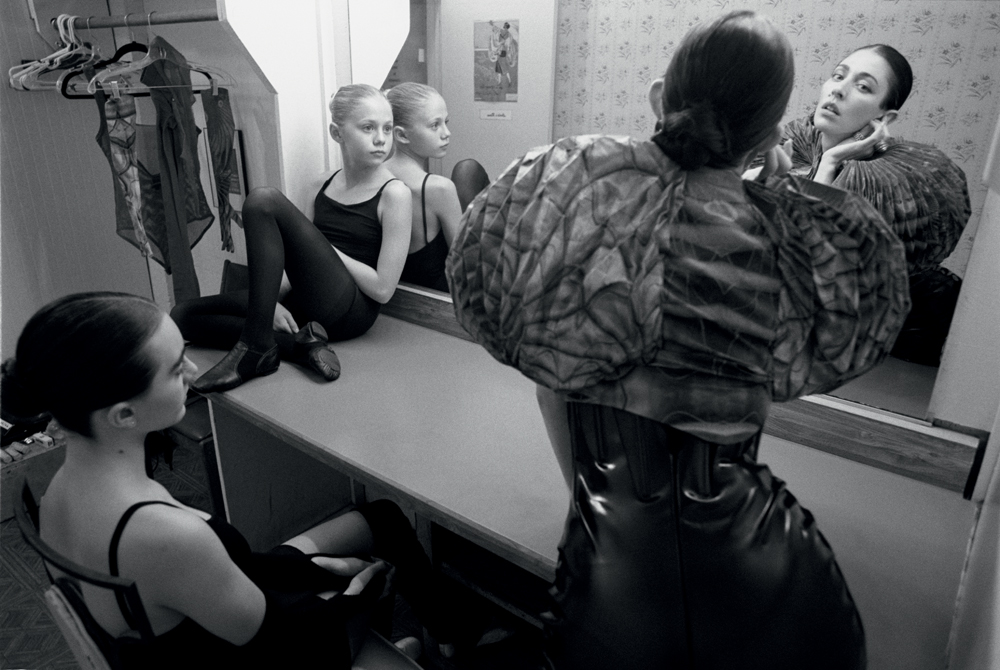
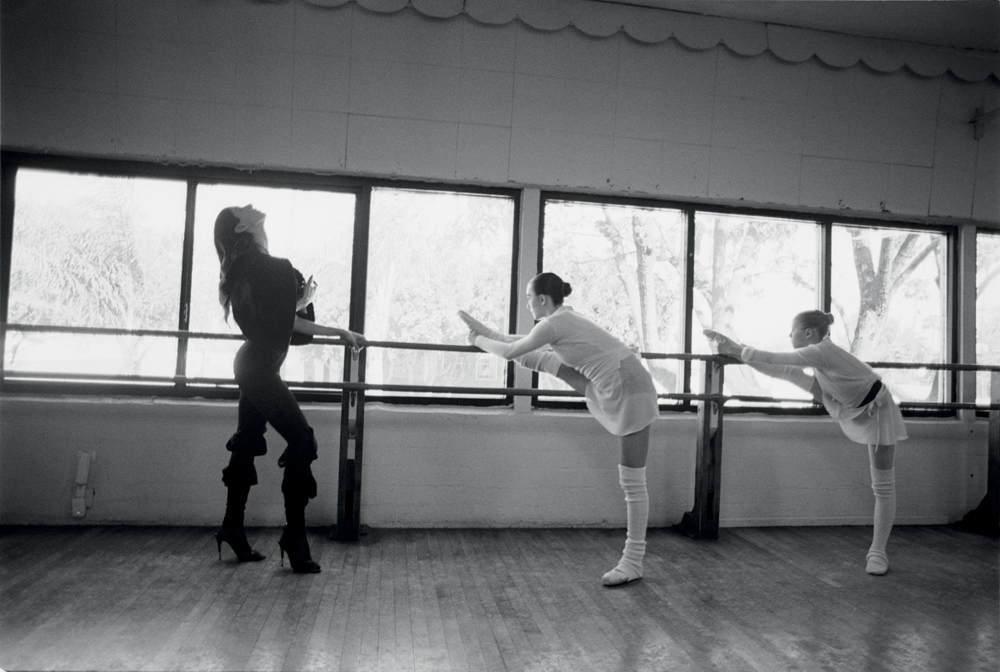
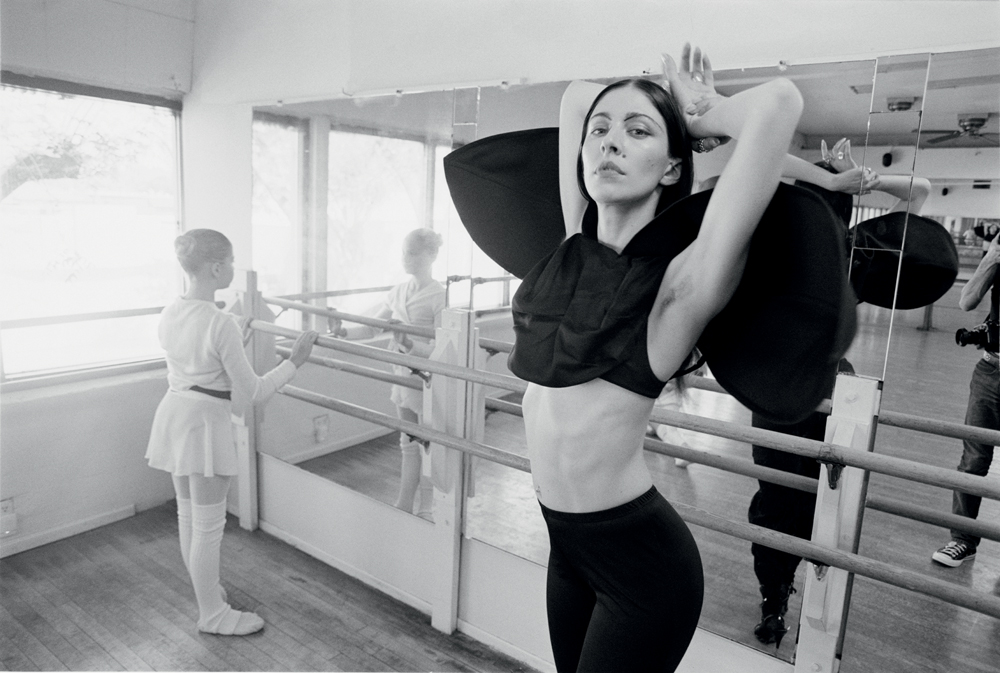
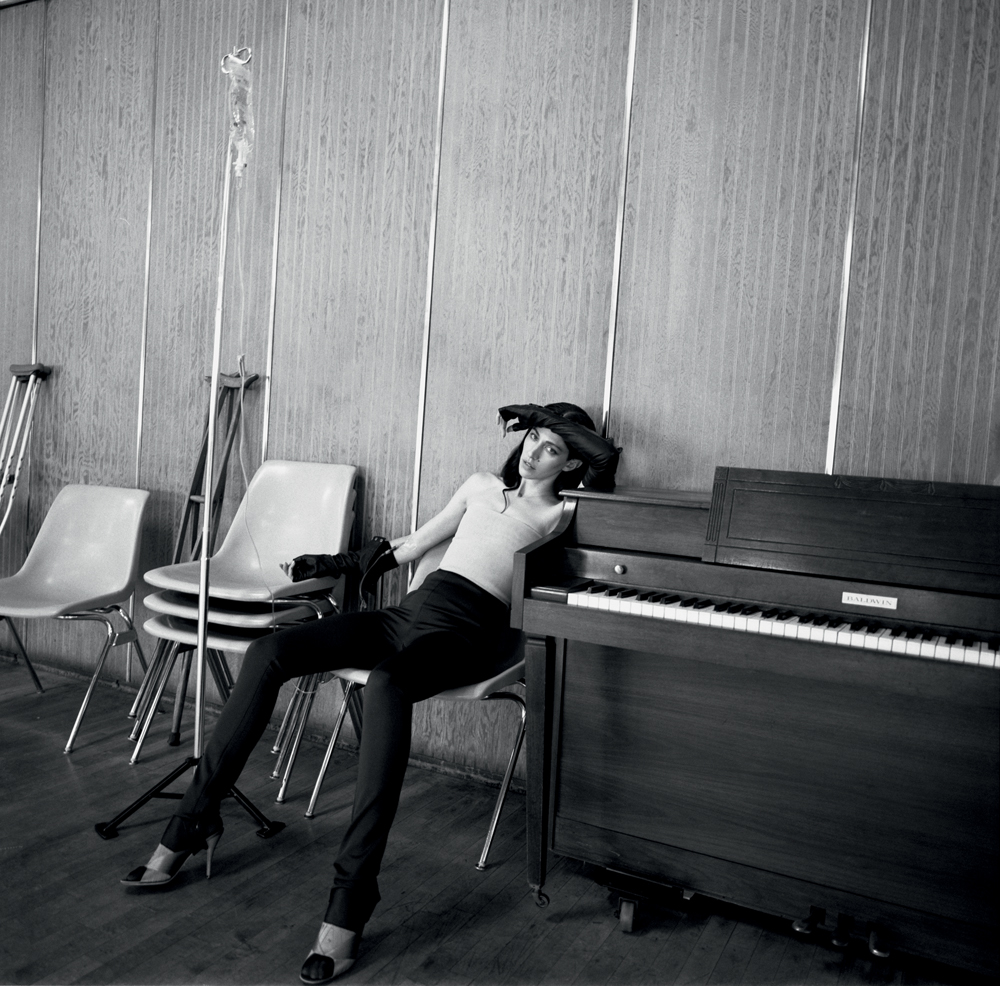
Dancers: Halston Van Atta and Kya Hickey. Hair: John Blaine. Make-up: Holly Silius. Nails: Zola Ganzorigt from The Wall Group. Styling assistants: Adrian Gilliland, Lauren Walsh and Skylar Taylor. Set design: Pearl Lee. Production: Mary Kate van den berg at half/half. Special thanks to Celeste Armstrong, Hollywood Dance Center, The Industry Loft and Dripology.
Billions (2022) and On The Beach (2025) by Caroline Polachek, out now.