
5
5


What to think about Jim Jarmusch’s new film?
Father Mother Sister Brother dissects the nature of the bonds that tie families together with a kind of cruelty nuanced by humor. Distance, bitterness, but also love and attachment… In his moving upcoming feature, in cinemas on January 7th, 2026, Jim Jarmusch seems to be filming the very substance of life itself.
By Olivier Joyard.
A film awarded the Golden Lion in Venice
At 72, an artist can still create a surprise. Despite a career spanning four decades and making fourteen films, Jim Jarmusch had not won a top prize since the Caméra d’Or in 1984 for Stranger than Paradise and the Grand Prix in 2005 for Broken Flowers, both at the Cannes Film Festival. Last September, it was at the Venice Film Festival that he finally lifted an unequaled statuette – the Golden Lion. Much to everyone’s surprise, it must be said, for a fascinating, but (perhaps deliberately?) minor feature film.
Father Mother Sister Brother belongs to his conceptual chronicles, just like the anthology film set in a taxi, Night on Earth, was in 1991 or Coffee and Cigarettes in 2003, which stitched together eleven vignettes into a scattered narrative. The film is divided into three parts, each time shifting characters and country.
The first segment features a brother and sister visiting their father, who is living in isolation by a lake in the United States. The second part takes us to Dublin, where two sisters have tea with their gruff mother. The third unfolds in Paris, where a sister and brother reunite after the passing of their parents.
Jim Jarmusch, a master of caustic cinema
As an iconic filmmaker and a true rock star with effortlessly coolness, Jim Jarmusch has always stood out as an artist with his gentle style and biting ironic tone. And Father Mother Sister Brother is no exception. The film unfolds like a kind of zen epic, tracing the subtle fractures in a handful of lives. For the director, inner catastrophes begin to surface when everything seems calm and in order.
The first segment perfectly illustrates that idea, with the grumpy father figure played by Tom Waits. He lies to his children, especially his son (played by Adam Driver) in a long, quite unsettling, yet hilarious scene that revolves around money. At that point, it becomes obvious that the film will examine the nature of the ties that bind families with a mix of cruelty and humor. As a result, nothing holds together when life has pulled people far apart.
Father Mother Sister Brother, or how to capture the fragments of family bonds
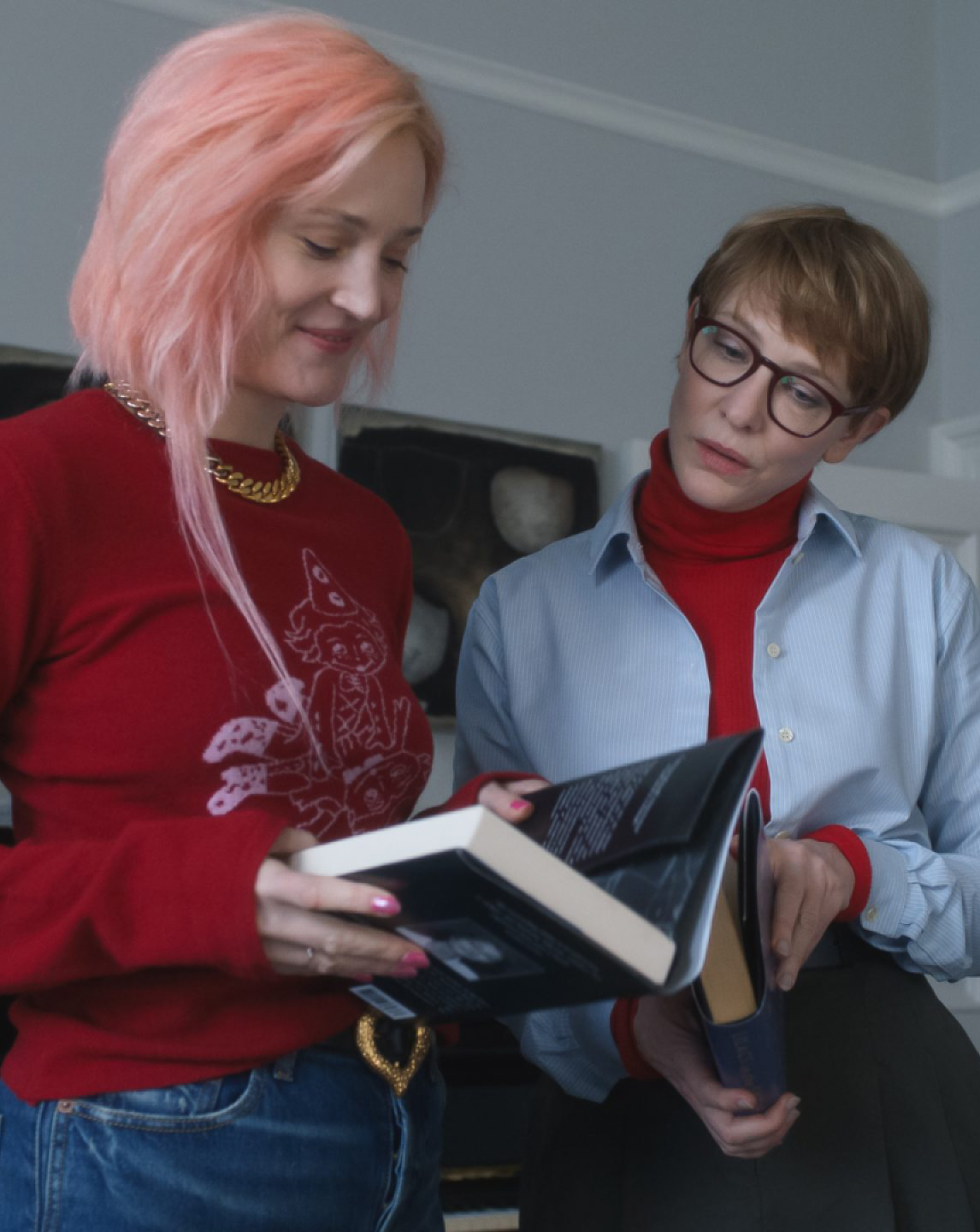
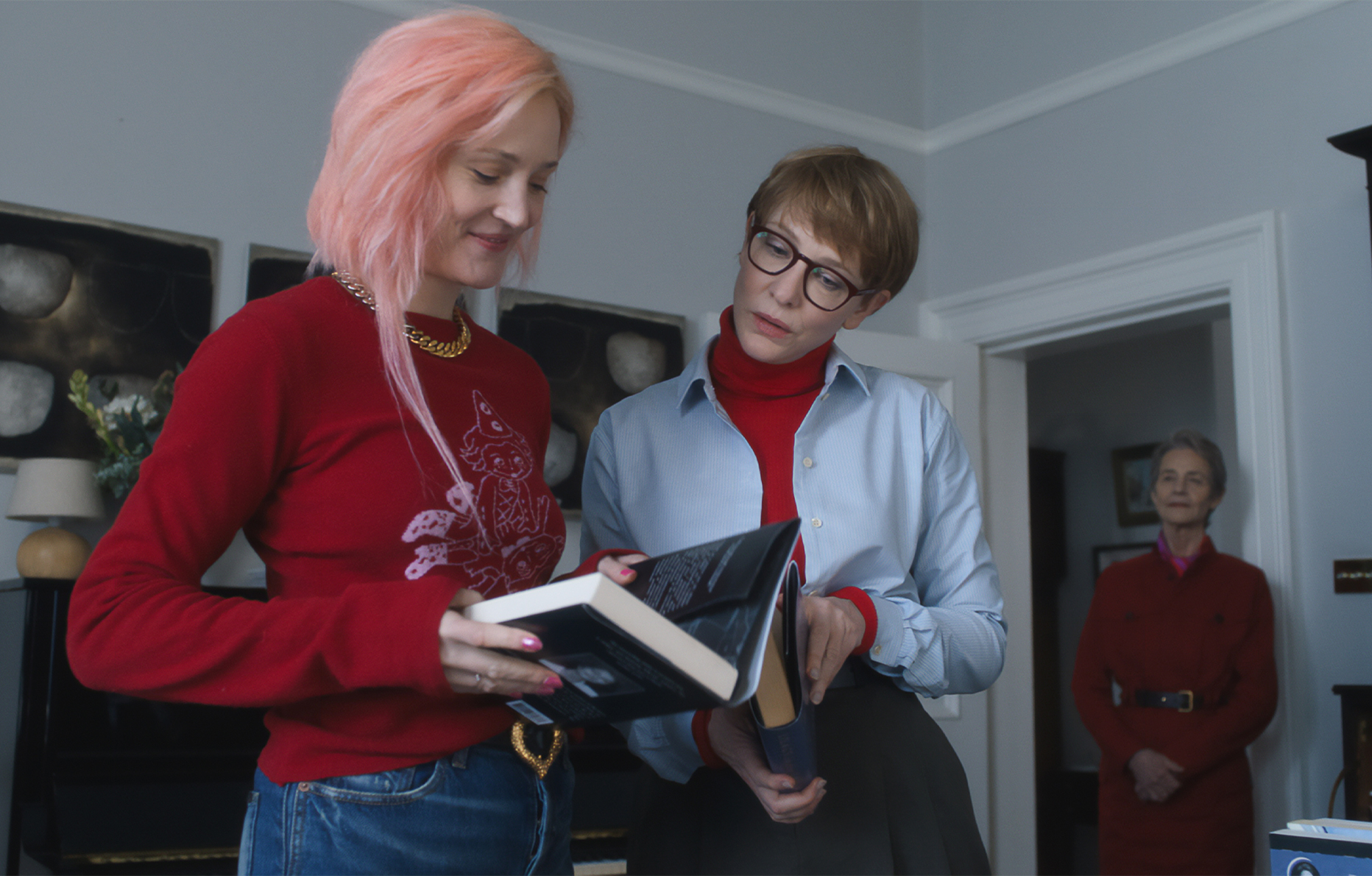
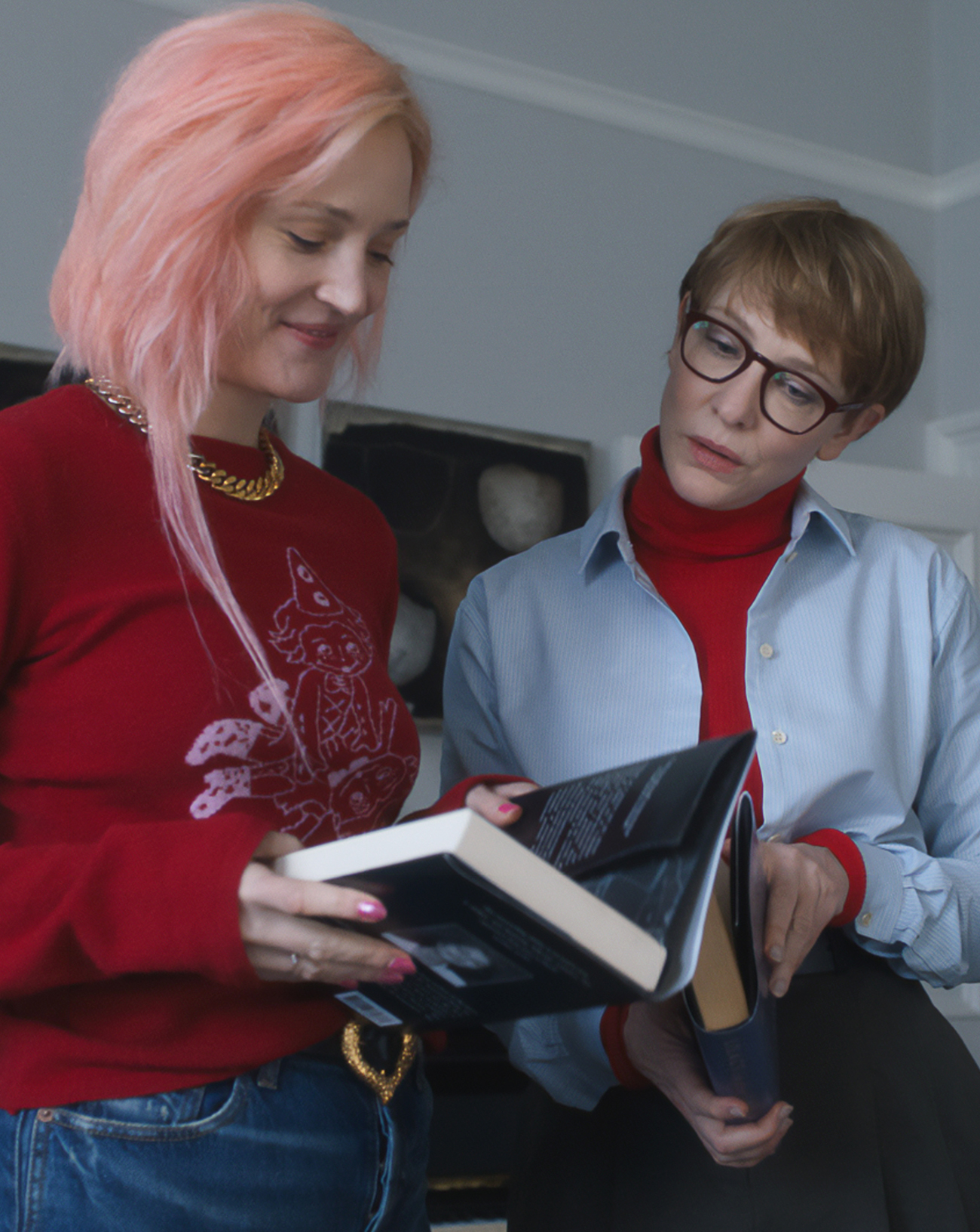
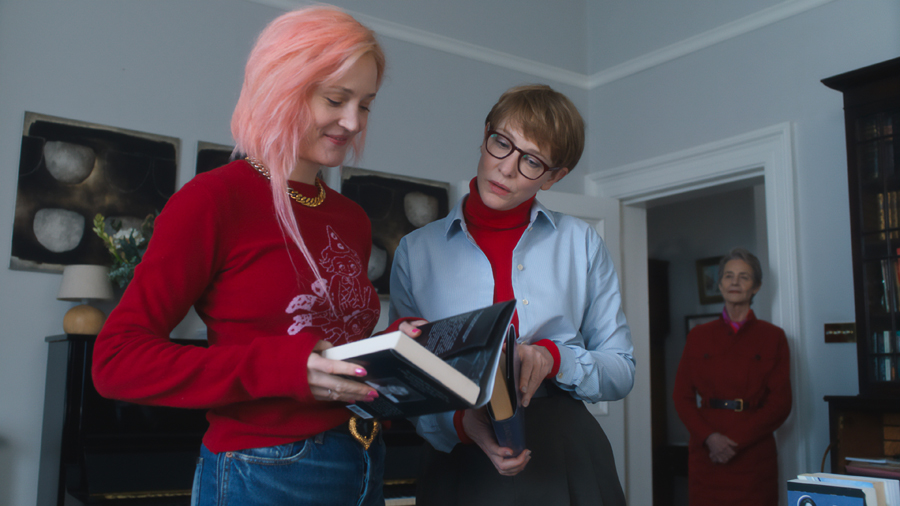
This is the premise that opens the second act of Father Mother Sister Brother, and the hardest part to embrace. It features Cate Blanchett, Vicky Krieps, and Charlotte Rampling. The three women clearly haven’t spoken in a long time and reunite one afternoon in the pale, bourgeois home of the matriarch, each moment weighted with the fear that their conversation could erupt into open conflict.
After portraying distance in the first part, Jarmusch now focuses on bitterness and stale emotions. Then, comes the final section of the film, which rekindles desire and love, depicting a visceral bond.
That bond unites Billy (Luka Sabbat) and Skye (Indya Moore, seen in the series Pose). Brother and sister drift through Paris by car before settling in the empty apartment of their recently deceased parents. They breathe in the space one last time, recall their youth, chat with the landlord, and take the time to grieve.
Their strange wandering ends in a warehouse where the furniture has been moved. Jarmusch captures some kind of internal vibration within his characters, grounding them deeply in the world around them. In his cinematic work, bodies and settings merge into a poetic flow. The viewer is teetering on the edge of the insignificant. Yet, the beautiful Father Mother Sister Brother never gives in to it. Instead, what lingers is something vital, imprinted on us for a long time to come.
Father Mother Sister Brother by Jim Jarmusch, coming out in theatres on January 7th, 2026.