12
12


Stars, fascism, propaganda… Behind the scenes of the first Cannes Film Festival
At the end of the Second World War, a weakened France jostled for status alongside its European counterparts to regain its position as a great power once more. In 1946, although still sluggish, its cultural assets were enough for the country to organise a film festival in Cannes, competing directly with the Venice Film Festival which had been deserted by the Anglo-Saxons.
By Alexis Thibault.
Published on 14 April 2020. Updated on 15 May 2026.
A new-found creative freedom
On September 1st, 1939, France was ready to welcome an armada of French and foreign films on a chartered ocean liner. A large-scale operation conducted by the American company Metro-Goldwyn-Mayer. The French city of Cannes was bubbling with excitement, with its luxury hotels and its projection room with nearly 1000 seats. The Southern city had been chosen over Biarritz or Vichy to host the first international film competition in the country.
Obviously, the crème de la crème of the film business was set to arrive on the Croisette, formerly called Boulevard de l’Impératrice. But against all odds, the festival was cancelled… The German army annexed Poland, protected by the German-Soviet Pact of August 23rd, 1939. The French cultural industry was taken aback, after ten years trying to organise a film festival. Italians had struck hard with their Venice Film Festival. Since 1932, when the first film to premiere at the ceremony was Doctor Jekyll and Mr Hyde by American director Rouben Mamoulian, the event had been handing out awards.
But France refused defeat and, a few years later, benefited from the geopolitical context while healing its wounds. Italy wasn’t quite so proud after World War II, and its fascist regime convinced the Anglo-Saxons to boycott the Mostra. Far from being a simple ersatz, the Cannes Film Festival wanted to dream big!
The birth of the first Cannes Film Festival
Fireworks, flower battles, movie stars and fashion shows… From September 20th to October 5th, 1946, Cannes was in full swing. The first international film festival hosted in France had just been inaugurated. Participants from 21 nations showed their work there. The watchwords were “party” and “pacifism.” At the time, the Palais des Festivals was still incomplete, and the official selection committee didn’t appear until 1972. But moviegoers were delighted.
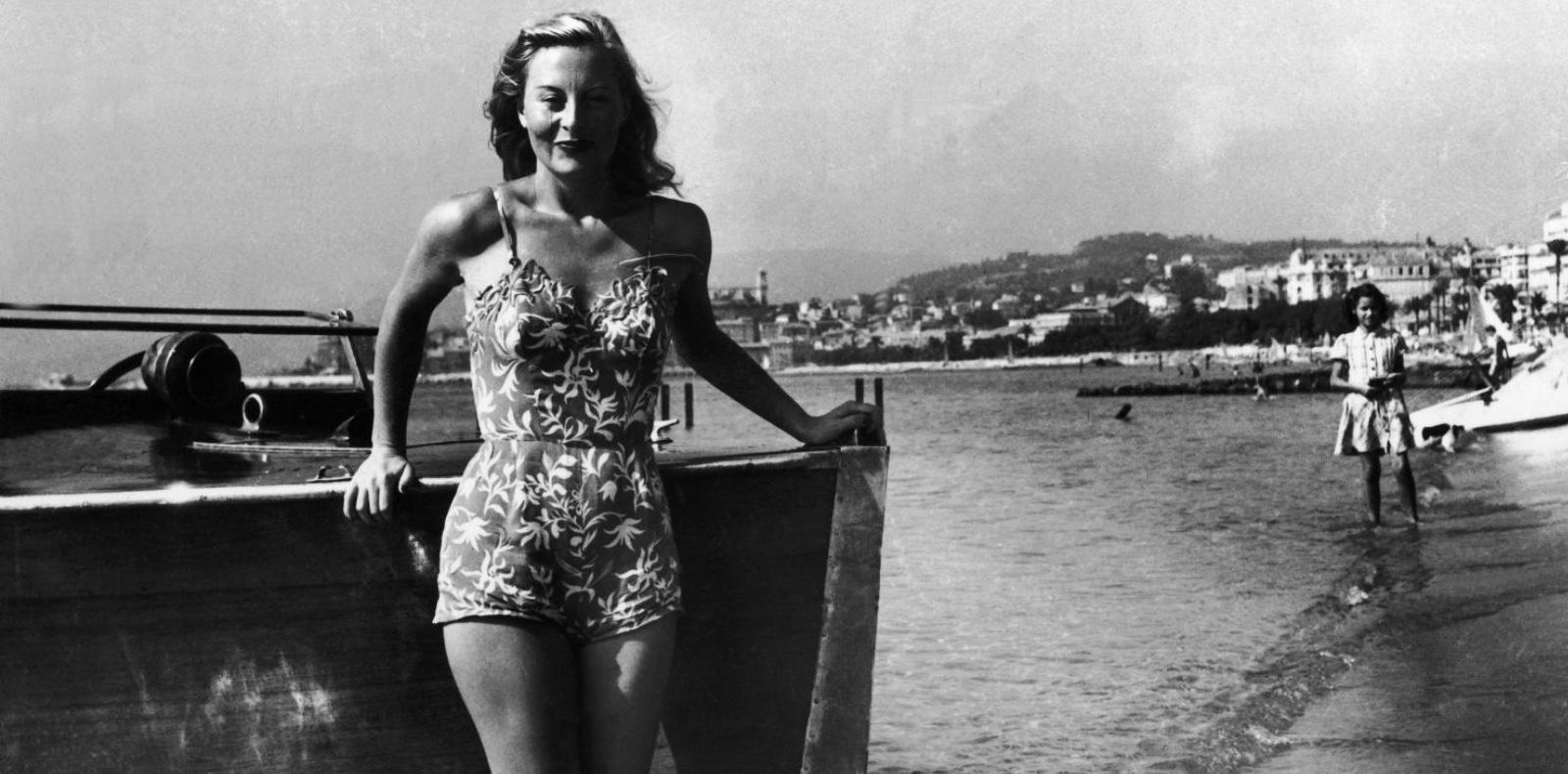
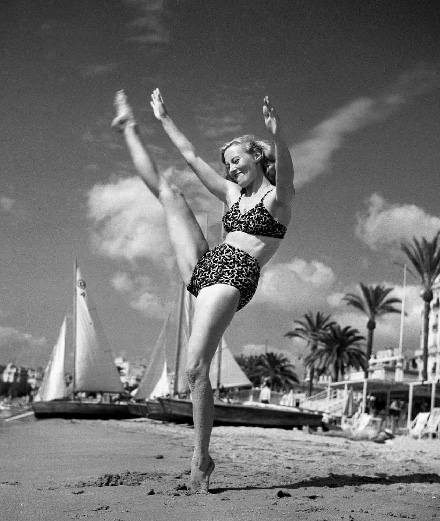
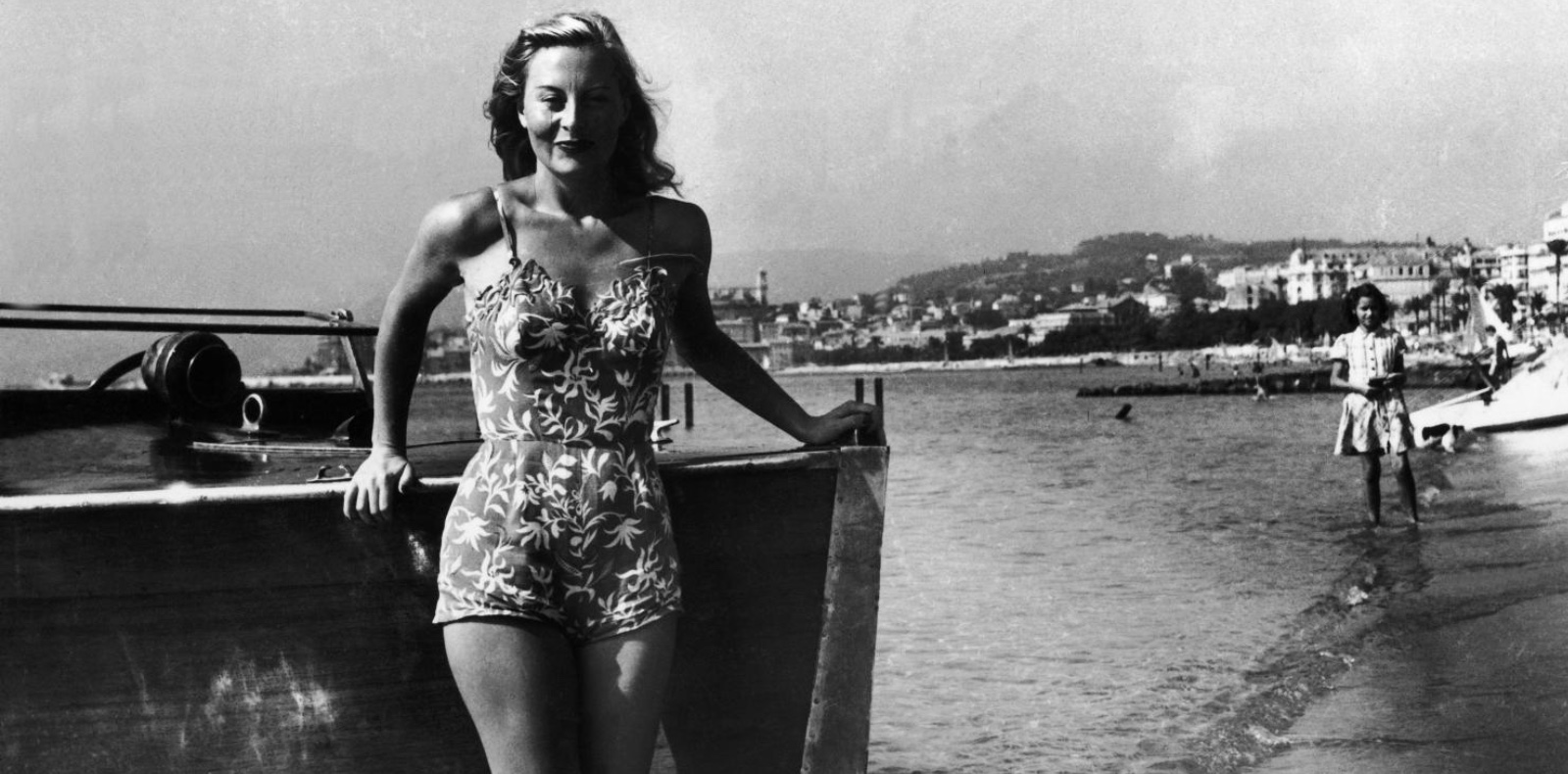
In order not to include everyone, eleven films received an award. Jean Delannoy‘s feature Pastoral Symphony (1946), an adaptation of André Gide‘s novel of the same name, was one of them. The film also saw its actress Michelle Morgan winning a prize. Beauty and the Beast (1946) by Jean Cocteau and Rome, Open City (1945) by Roberto Rossellini were among the winners too. British actor Ray Milland won the award for Best Actor thanks to his performance in Billy Wilder‘s film The Lost Weekend (1945), an adaptation of Charles R. Jackson’s book, written two years earlier.
Cinema and resistance
As for the Jury Prize, it was awarded to René Clément for his war film The Battle of the Rails (1946). In his debut docudrama, the French director tells the story of Camargue, a railway worker who helped Jewish people flee the areas occupied by the Nazis. Often considered by some as a caricature bordering on propaganda today, it obviously didn’t receive the same criticisms in 1946.
Applauded by the French Resistance, this first Cannes Film Festival was a resounding success in spite of some chaotic moments. One can think of the reels of Alfred Hitchcock’s Notorious being reversed. For budgetary reasons and to avoid any clash with the Venice Film Festival, cinema lovers had to wait until 1951 for the second edition, which then took place during spring.
The 79th edition of the Cannes Film Festival is taking place from May 12th to 23rd, 2026.