19
19


Interview with Lianne La Havas: “I am here thanks to Prince”
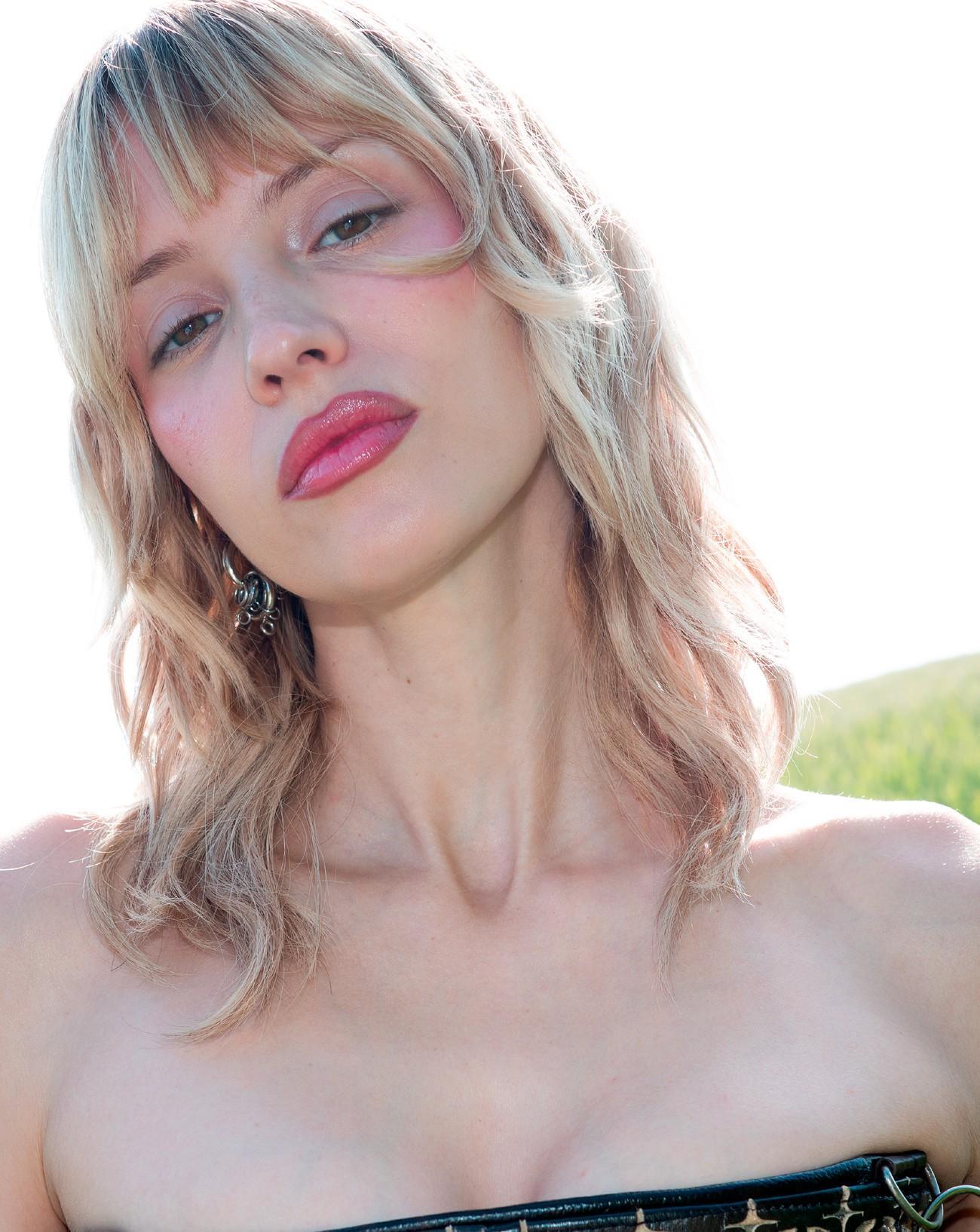
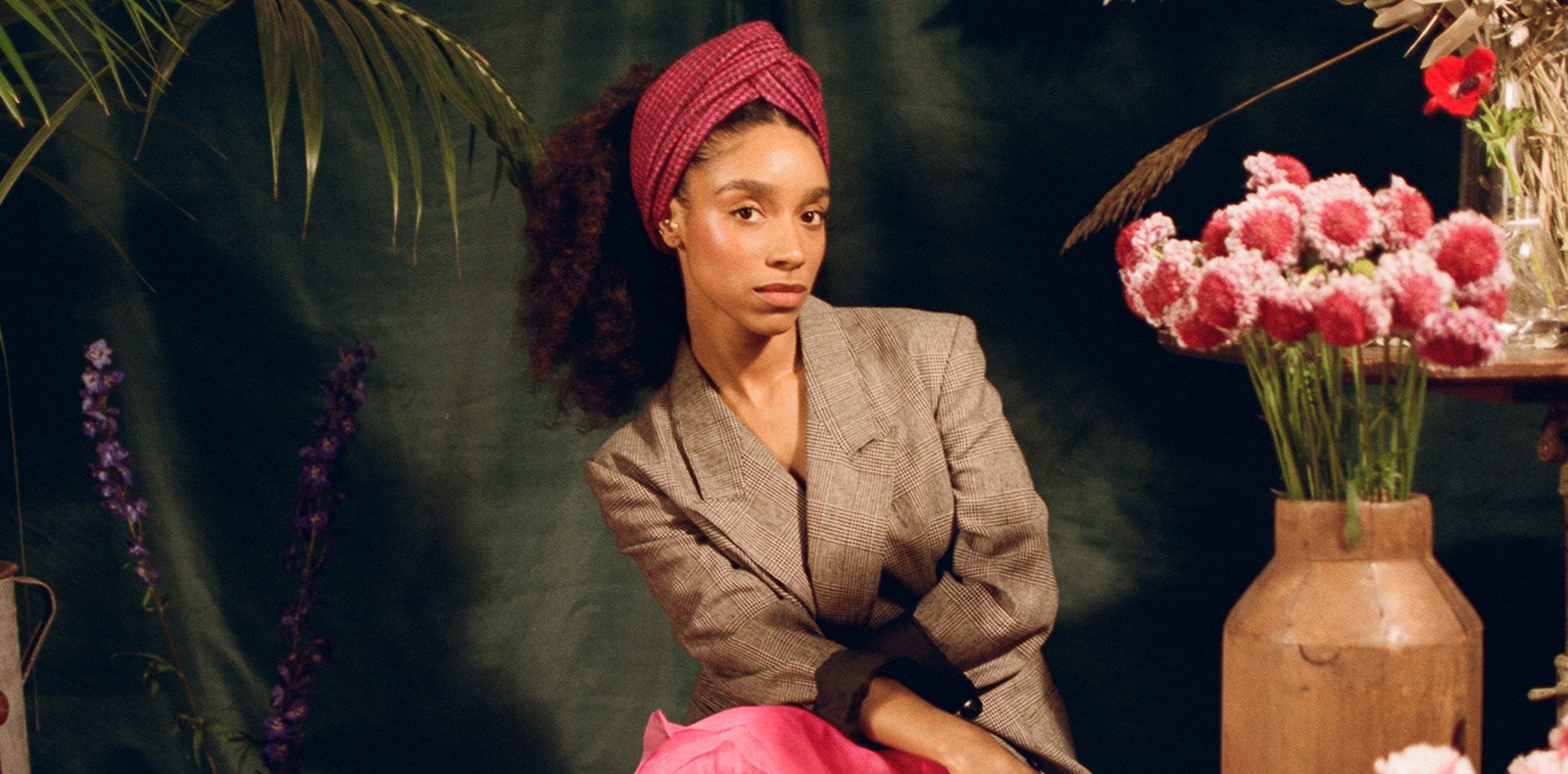
Five years after Blood (2015), British singer, songwriter and guitar player Lianne La Havas came back with a third eponymous studio album, Lianne La Havas (2020). Imbued with some personal pop soul, her latest record shed a light on a velvet voice, free from any constraint. Entirely produced by the artist, it offers a sharp insight into the sentimental, captivating world of the interpreter of Bittersweet (2020). Interview.
Interview and translation by Emma Naroumbo Armaing.
Published on 21 July 2020. Updated on 19 June 2026.
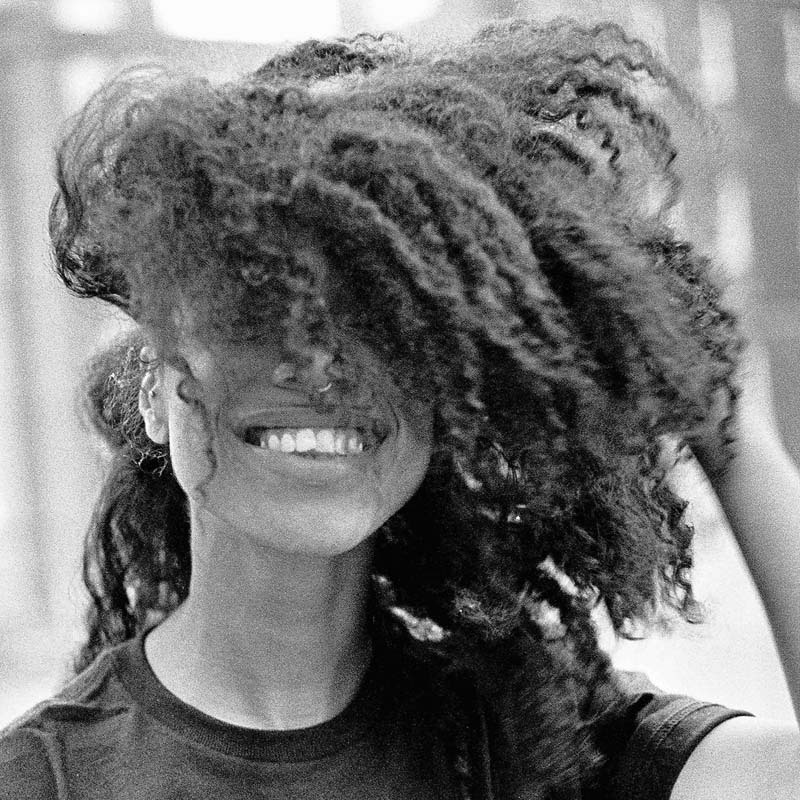
It took five long years and a series of important events before Lianne La Havas rose from the ashes. And it is worth it! In July 2020, the British singer and guitarist discloses a third studio album, which she composes from start to end. From production, to direction and songwriting, Prince’s protégée fends for herself. Surrounded by a bunch of vinyl records of her own album that she struggles signing one by one in her London apartment, Lianne La Havas opens up to Numéro. She talks about her relationship with Stevie Wonder and Prince, and her debut in the music industry.
Interview with British singer Lianna La Havas
Numéro: You seem pretty busy at the moment, are you moving house?
Lianne La Havas: A guy came with a truck full of vinyl records heading to Germany. This is my new album. I’ve got to sign a thousand of them! I am just multitasking at the moment! [Laughs.]
Your new album Lianne La Havas was released on July 17th, five years after the sumptuous Blood (2015). Where were you during all that time?
I fell in love, then I had a massive breakup, I moved house, I turned 30. A lot of things changed in my life and I have grown up. You can hear all of that in my new album. When I first turned 30, I felt the exact same in front of my birthday cake. Then, when I started to grow into it a bit more, I realised that I was really happy to be at this stage of my life. I have a better sense of who I am and what I want to achieve. I definitely got more focus.
“Lauryn Hill still remains a great inspiration. I still have her MTV Unplugged No. 2.0 album with me.” – Lianne La Havas
Your stage name is made out of your first name Lianne and your father’s surname Vlahavas. Why did you choose to use your stage name as a title for your third album?
This album is the most representative of me now. With the previous ones, I had the feeling that I was developing as I was making them. This one is the result of that evolution.
You have directed and produced Lianne La Havas on your own…
I had an amazing time doing my second album, Blood, but at the end of it, I felt like I wanted to go deeper with expressing myself, with what I wanted to say and with how I wanted to make music. I love what I did before, but I also feel that I wasn’t completely satisfied. This feeling has inspired the making of my new album. It is very personal work that I produced myself and create only with my friends and my own band.
Your album appears as a long ballad, with both extended tracks such as Sour Flower and Weird Fishes – the last one being inspired by Radiohead’s song – and moments of pause such as Out of Your Mind (interlude)…
I knew that I wanted ten songs on the album, but I didn’t know yet that I wanted it to be one story with a beginning, a middle and an end. That happened during the process of making it – I knew exactly where each song would come in the track listing and I wanted each song to embody a specific subject matter. For instance, the track Sour Flower deals with self-love and self-care. Therefore, I imagined a long ending with a positive sound in order to represent the ongoing work that I have done on myself. The interlude marks the exact middle point of the album. It is meant to represent the unraveling from the happy first half to the difficult middle and second half. I also wanted to use my voice in different ways, to play with sounds and textures.
“It is impossible to choose between Prince and Stevie Wonder! I had never imagined I would be able to sit with one or the other.” — Lianne La Havas
As a matter of fact, you talk a lot about love in your music and this album is no exception to the rule. However, you are putting an emphasis on your independence, as for your two leading singles, Bittersweet and Paper Thin…
Bittersweet is opening the album. It is basically about making changes because you feel that something is wrong, that something has to change, no matter how painful it might be for you. It shows strength when you have to do something like that. The track Paper Thin is one of my favourites! It is very simple, but the message is very personal and private. It was a difficult song to share. At that point, you are right in the middle of the album and things get complicated.
The lyrics contrasts with the dreamy video you have made for the song, in which you are doing some hula hoop!
Exactly! I have done a lot of videos during lockdown. It is another way to express myself that I haven’t explored so far. I look forward to directing more videos.
How did you shape this captivating soul that is so unique to your music?
Well, I have been playing music since I was a child. I used to sit with my keyboard and just play. I made my first song when I was 11, out of some basic chords and basic lyrics. It was called Little Things, and it was something about the little things that you never throw away. It was really crappy! [Laughs.] It wasn’t until I turned 18 and learnt how to play the guitar, that I started to take songwriting a bit more seriously. Lauryn Hill still remains a great inspiration – I still have her MTV Unplugged No. 2.0 (2002) album with me. I have also found many guitar players on YouTube when I was learning how to play, such as the jazz guitarist Emily Remler. She is the reason why I love to play.
Your other was Jamaican and your father was a Greek multi-instrumentalist. What kind of music did they get you into as a child?
It was pretty eclectic in terms of genre in my house. My mother would play lots of R’n’B and soul. We would listen to Michael Jackson, Stevie Wonder, Mary J. Blige, Jill Scott. My dad loved jazz, so we would listen to Louis Armstrong, Charlie Parker and Ella Fitzgerald. I was raised by my grandparents, who would listen to a lot of reggae, because they are from Jamaica…
“In the UK, there are not that many black female artists playing an instrument. They probably have to work twice as hard to get to where they are now.” — Lianne La Havas
You also had a chance to meet and become friend with some of the greatest musicians. Amongst Prince and Stevie Wonder, which meeting was the most unexpected?
It is impossible to choose between Prince and Stevie Wonder! I had never imagined I would be able to sit with one or the other. Fortunately, I didn’t meet them at the same time, otherwise I would have probably fainted! [Laughs.] They surely are the greatest musicians that have ever lived. I was incredibly lucky to have known them, especially to have spent some very personal time with Prince. If they have one thing in common, it is the way they committed to their music. Both worked so hard to write the best songs they could ever write, sing and perform them to perfection. I never gave up on music thanks to them.
You started your career pretty young, at 21, when you signed with Warner Records. Back in 2010, the industry wasn’t as diverse as today. How did you evolve in that environment?
I don’t think I was the only non-white artist on my label, but I was definitely the only one my age. I didn’t meet the stereotypical traditional R’n’B singer: I was navigating between genres. Nobody knew where to place me because I was also playing the guitar and I had afro hair. I didn’t really realise it at the time, but as I went through my career, particularly making my second album, I noticed various things that were happening and that didn’t feel quite right.
Did it have an impact on your musical process?
Doing what you like for a living is the most rewarding thing. Nevertheless, people have to understand that it is not as easy as it seems. This industry is very competitive, especially if you are not a white man. In the UK, there are not that many black female artists playing an instrument. They probably have to work twice as hard to get to where they are now. Among managers and sound engineers, I have always felt like there has never been anybody black working on my projects, which I find quite surprising…
Now that you are an ace of production, you may want to create your own label!
I would love to start my own label! [Laughs.] I would also like to have a women’s academy to teach them all about music production, so that they can be managers, producers, lighting people, sound engineers…
Last April, you did an Instagram live with the American singer H.E.R. What have you got in store for us?
I joined H.E.R. for the “Girls with Guitars” initiative. We talked about a potential collaboration on Instagram. I hope we will be able to work something out together. She seems up for it! Hopefully, I can go and visit her in New York, when everyone will be able to travel again. I do have some collaborations I have made during lockdown that will come out soon, but I can’t talk about them at the moment. Right now, I am taking the time to be artistically more productive as I can’t play live – it means doing more music, more videos, more art.
Lianne La Havas (2020) by Lianne La Havas available [Warner Records].