
8
8


When Martin Parr opened up about his food photography
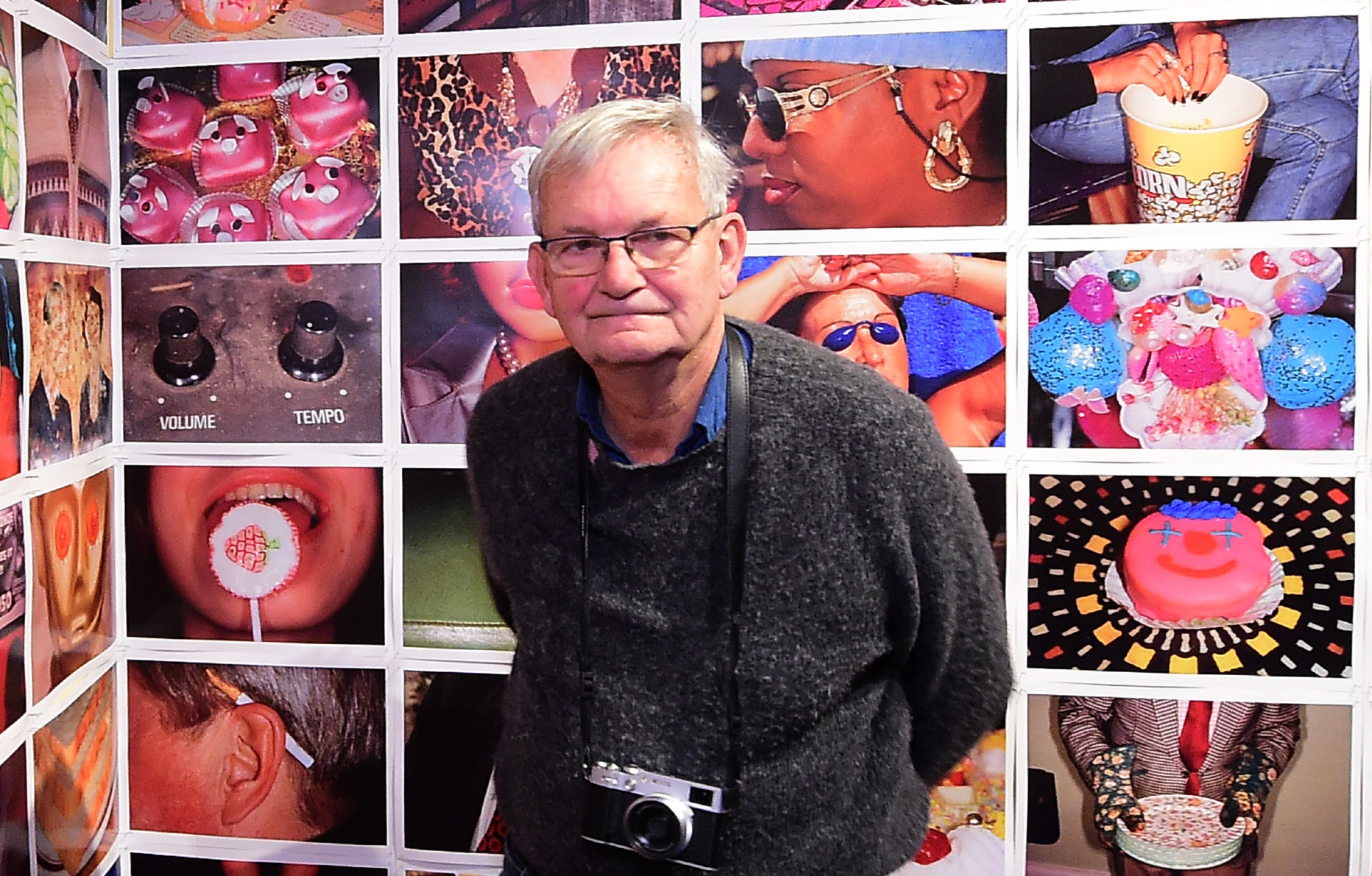
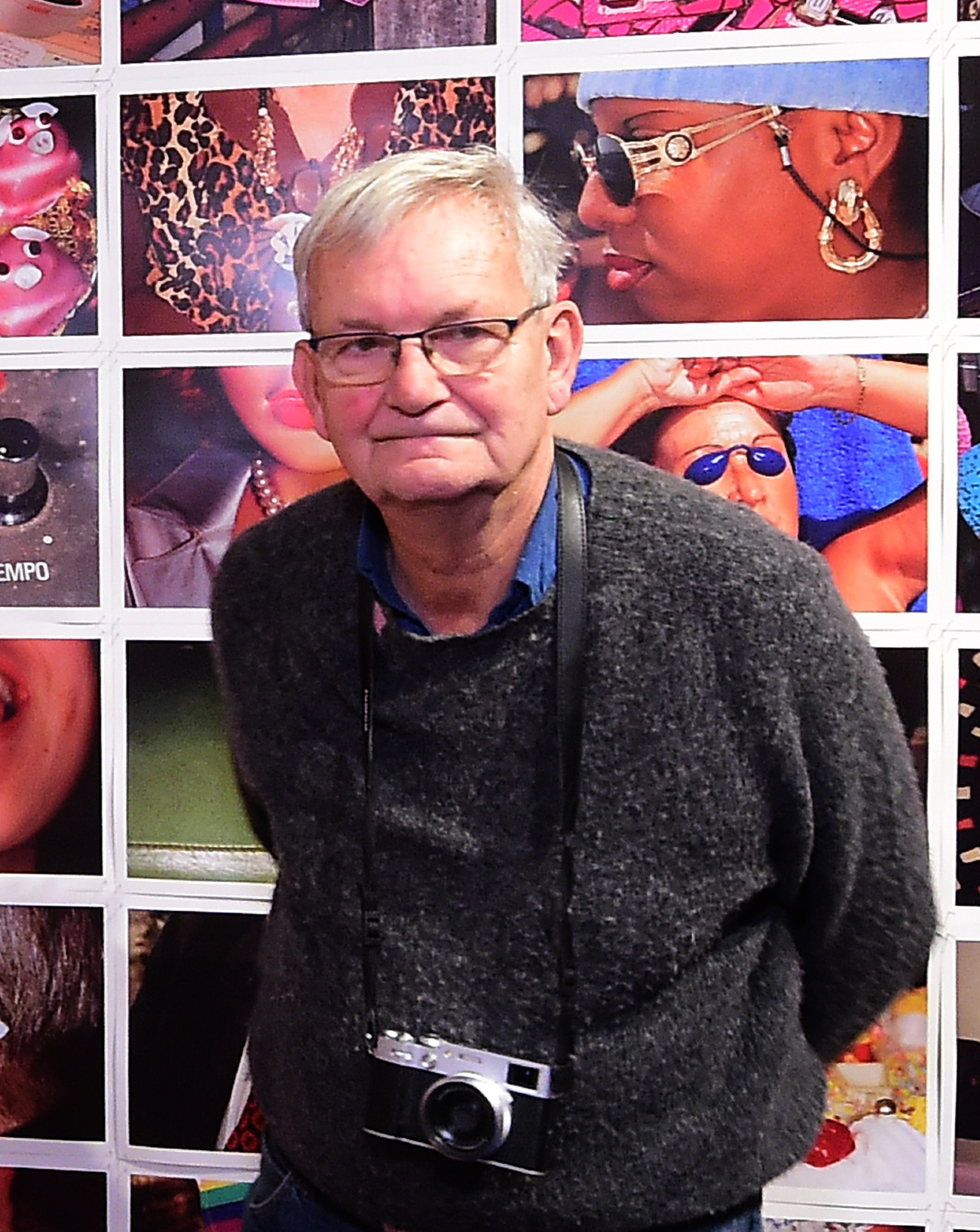
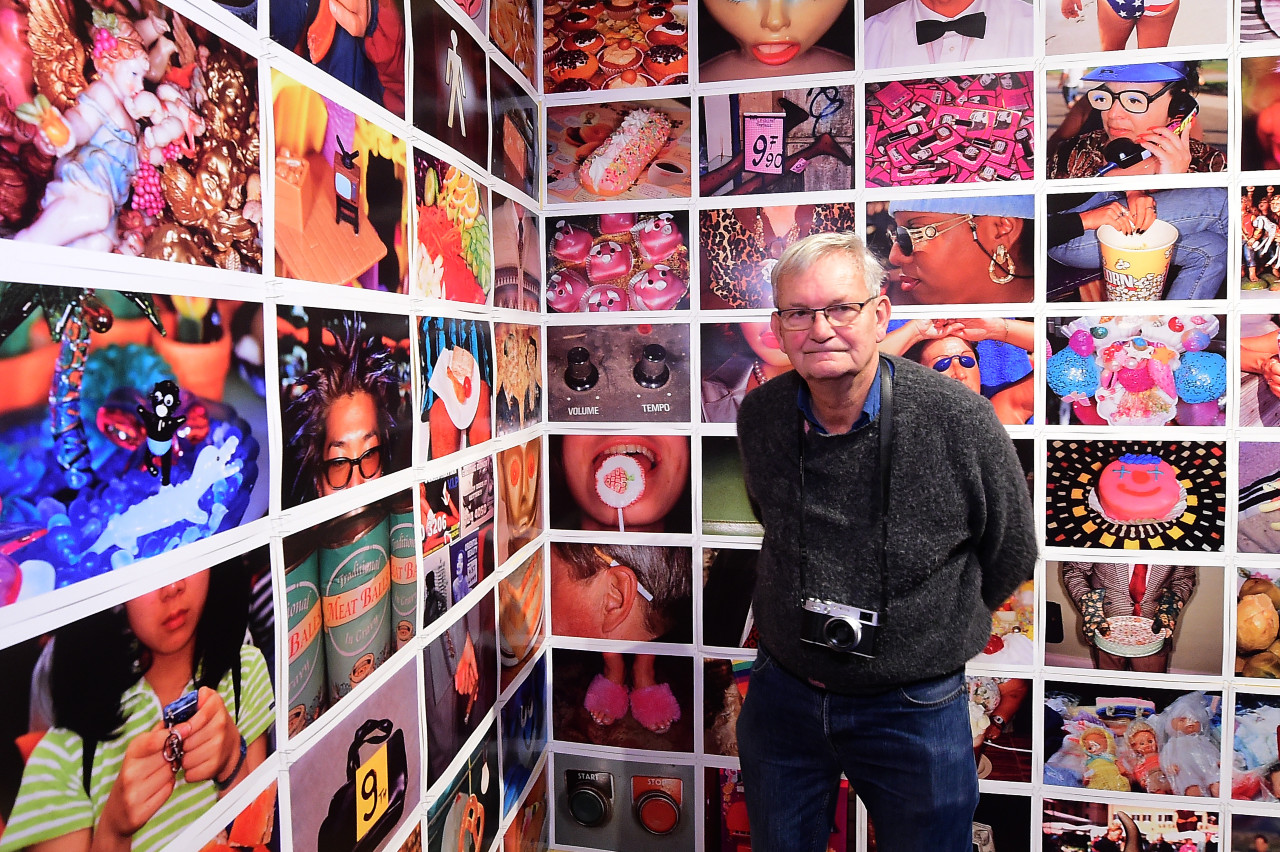
Martin Parr passed away on December 6th, 2025. For the release of his cookbook titled Real Food in 2026, the infamous British photographer shared his thoughts and reflections on his food photographs during a roundtable at MK2 Quai de Loire in Paris. Throwback to the biting wit of a major artist, a specialist in mocking kitsch and a champion of banality.
By Violaine Schütz.
The confessions of Martin Parr in 2026
Numéro: Why did you want to publish a photography book about food titled Real Food?
Martin Parr: I started photographing dishes several decades ago. I’ve always loved it. At the time, no one else was doing it, because mobile phones didn’t exist. It all came about because I wanted to find a different, less bleak approach to documentary photography. And the food seemed perfect for that.
You use flash to give your dishes a “fake” appearance…
With the food porn trend and glamorous cooking magazines, people are now posting pictures of food are at the opposite end of what we are actually eating every day. There’s a lot of dishonesty in how food is represented in our society. Just look at the seductive images on supermarket packaging. When you open the box, the difference between the real product and what’s marketed is obvious. As for using the flash, it allows me to create fiction and entertainment from reality, to give cuisine a surreal feel, thus making it more beautiful and interesting. Like an alcoholic with his glass of wine, I’m addicted to flash and its strong, vivid colours.
“Two-euro junk food often looks better than a 26-course, 400-euro tasting menu at one of the world’s top restaurants.” – Martin Parr
How did you select the 200 photos featured in your book, which features hamburgers, kitsch cakes shaped like little men or animals, outrageous cupcakes, ice cream, fruits, dripping hot dogs, fries, donuts, neon sushi, greasy sausages, etc.?
Two-euro junk food often looks better than a 26-course, 400-euro tasting menu at one of the world’s top restaurants. I’m actually quite a snob when it comes to what I eat, and I did taste some of the dishes shown in the book. As far as the photos are concerned, I chose whatever looked best on camera.
You can often tell where the photos were taken (France, England, the United States, Japan). Is there a social angle behind that?
I don’t mind if people can tell where the recipes come from. I actually play with the stereotypes and clichés surrounding food. For example, I started out photographing British food, which has a reputation for being terrible… Even though I can assure you I’ve eaten things in France just as disgusting as some dishes back home. Besides, UK food today is more than decent. In Mulhouse, near Alsace, I had a great time capturing choucroute and sausages, because that’s exactly what people expect from that region. In Vienna, I shot loads of pastries and even a cake factory, because the locals are obsessed with them. Personally, I’ll never get tired of a room full of desserts.
“From the moment I became independent, I developed a real obsession with seaside resorts and other attractions I didn’t have the chance to access.” – Martin Parr
The term “food porn” implies a kind of arousal triggered by food. Have you ever felt that in front of a dish?
There’s certainly a thrill in spending an evening at a top restaurant, but no, I’ve never felt the urge to plunge it into a choucroute or a creamy cake, nor have I ever had an erection while photographing a plate of snails, some sausage, bananas, or frog legs… If that’s what you’re asking.
Some of the close-ups with vivid colours can provoke a feeling of disgust in the viewer…
As a child, I grew up in a family of birdwatchers. So when we went on holiday, it wasn’t to the seaside. We would go watch the birds. From the moment I became independent, I developed a real obsession with seaside resorts and other attractions I didn’t have the chance to access. So when I photographed them, I amplified that fascination to celebrate my newfound freedom, using flash and macro lenses. I made the language of advertising and commercial imagery mine, only to subvert it and criticise the contradictions of the modern world. I did the same thing with food, which explains those loud, flashy colours.
“I’m happier in a supermarket taking pictures of the shelves, trying to reinvent reality, the prosaic, than in a city falling apart.” – Martin Parr
Do you cook?
Yes, I love the idea of planning everything so it’s ready at the right time when making a recipe. Unlike my partner, I never use a cookbook, I improvise. I love cooking fish because it’s tricky. You mustn’t overcook it, or it turns to jelly. It’s all about timing. I also like to roast chicken or make roast beef on Sundays. Again, it’s a matter of timing.
You certainly didn’t kill your daughter Ellen Parr’s appetite, since she has become a chef and founded the highly regarded UK-based collective The Art of Dining…
Actually, she started out studying math, but she got bored and decided to become a chef. She landed an internship at a top restaurant in London and was instantly hooked. Since then, she’s been creating spectacular, always sold-out events combining contemporary art and cuisine. She’s made dishes I’ve even photographed. She’s incredibly clever, inventive and good at surprising her audience. For example, she once served a delicious Thai broth in a teacup. She loves playing with expectations. Like dishes that look sweet but are in fact bitter, or that seem disgusting but taste amazing. As a matter of fact, being a chef is a bit like being a photographer – it’s about deceiving the viewer.
You are one of the world’s greatest photographers, but you have spent your whole life capturing the banality of everyday life. On can think about your series on bored couples. How do you explain that?
There are people in my agency, Magnum, who are far more talented than I am when it comes to photographing war and tragedy. Personally, I’m happier in a supermarket, taking pictures of the shelves, trying to reinvent reality, the ordinary, than in a city falling apart. But I believe both are worthy photography subjects.
Real Food by Martin Parr, London: Phaidon Press, 2016.