
6
6


Duran Lantink, the worthy heir to Jean Paul Gaultier
Duran Lantink’s debut show for Jean Paul Gaultier places the Dutch designer as the worthy heir to the French couturier.
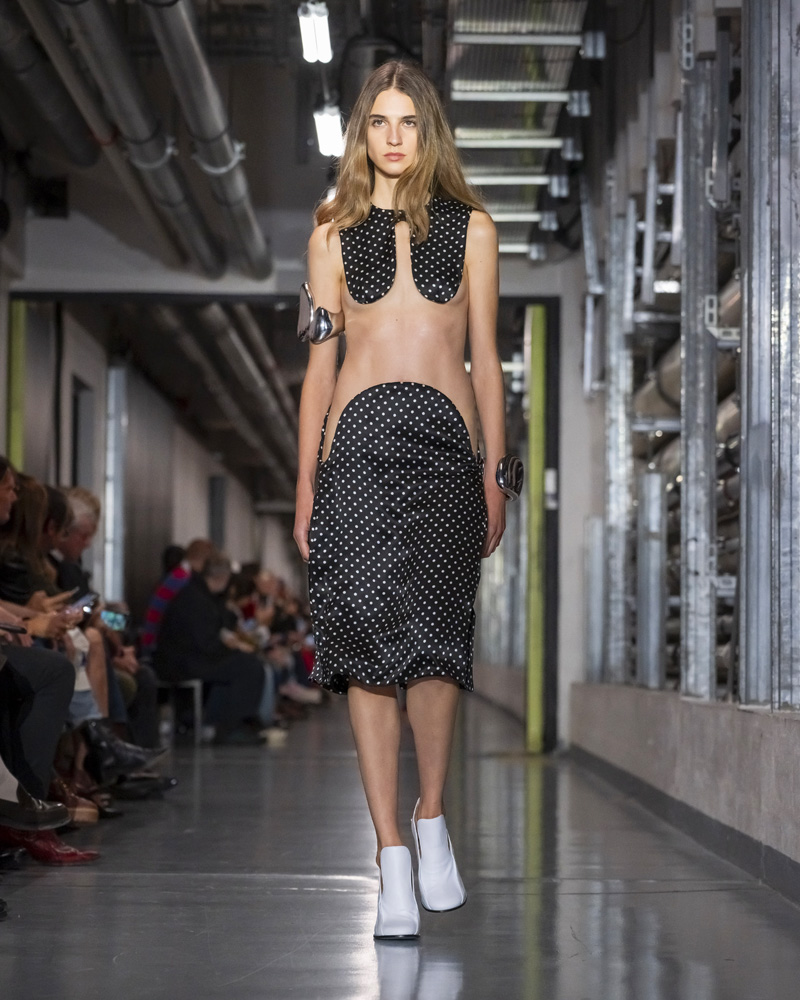
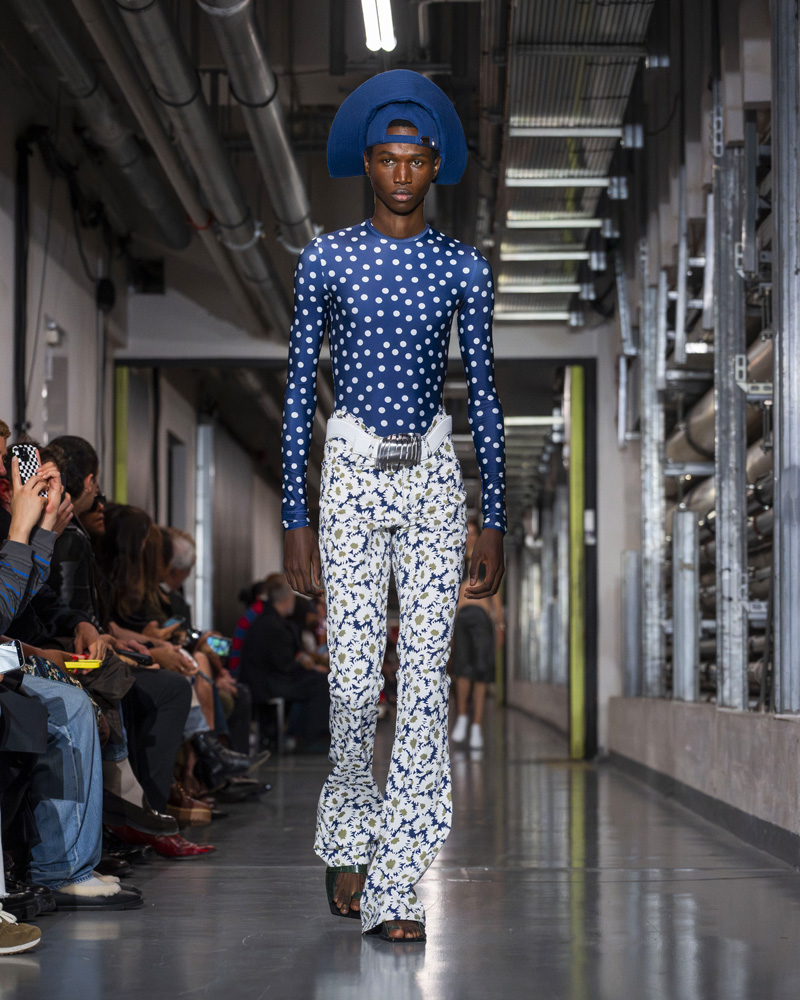
Duran Lantink’s first runway show for Jean Paul Gaultier laid the foundation. The legendary couturier has found in the young Dutch designer a worthy heir, someone capable of revamping both his codes and spirit with mastery. The emotion felt by Jean Paul Gaultier as the show unfolded in the basement of the Musée du quai Branly said it all. Duran Lantink had struck the right chord.
The Dutch designer, winner of the LVMH Prize in 2024, grew up surrounded by queer figures and immersed in club culture thanks to his mother. From that world he inherited the belief that it was possible to assert and celebrate one’s identity freely. A devoted admirer of Walter Van Beirendonck, who supported him throughout his studies at the Sandberg Instituut, Lantink has made it his mission to rethink contemporary wardrobes in the wake of Belgian deconstruction, working on new, striking volumes.
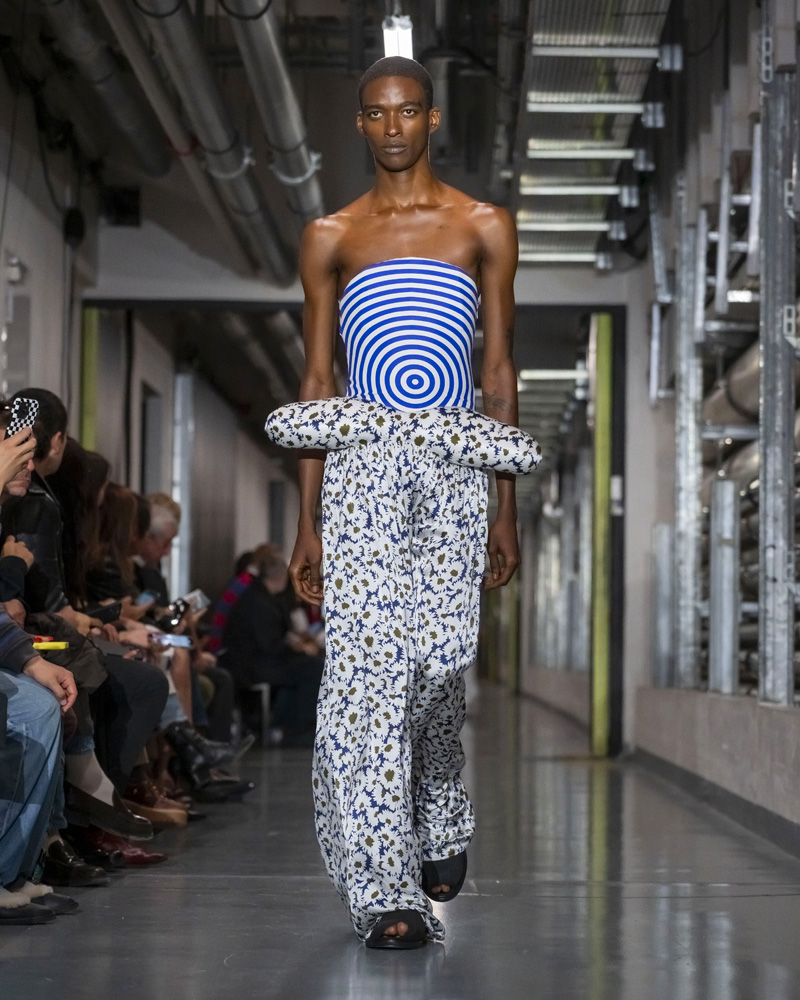
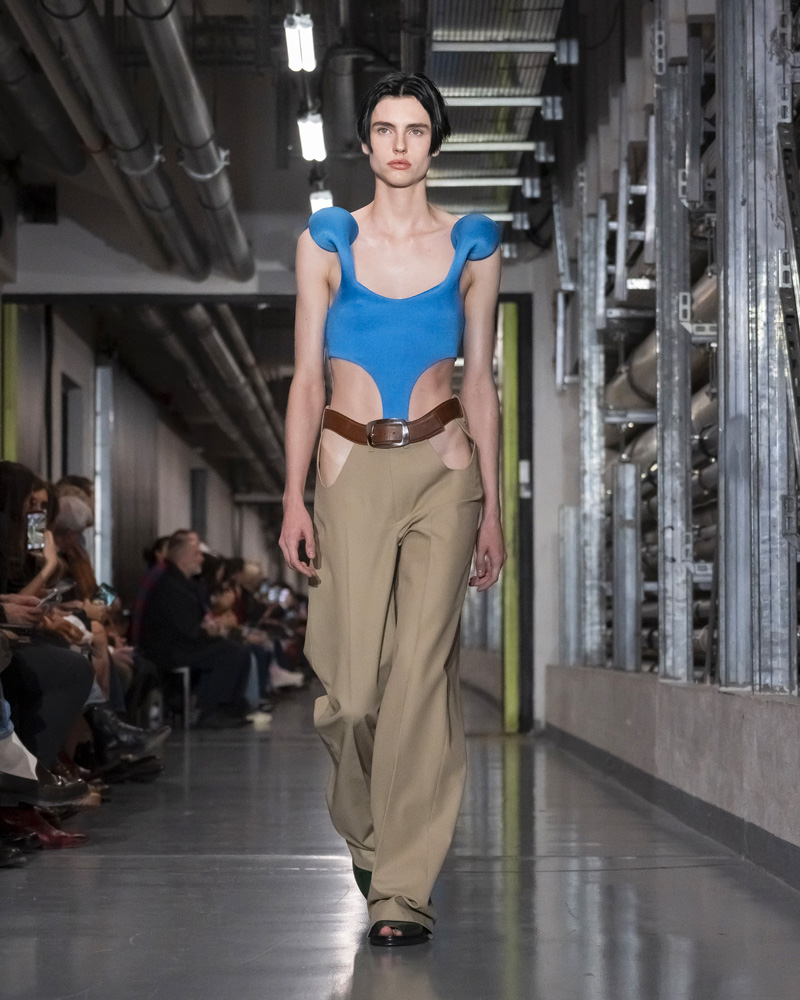
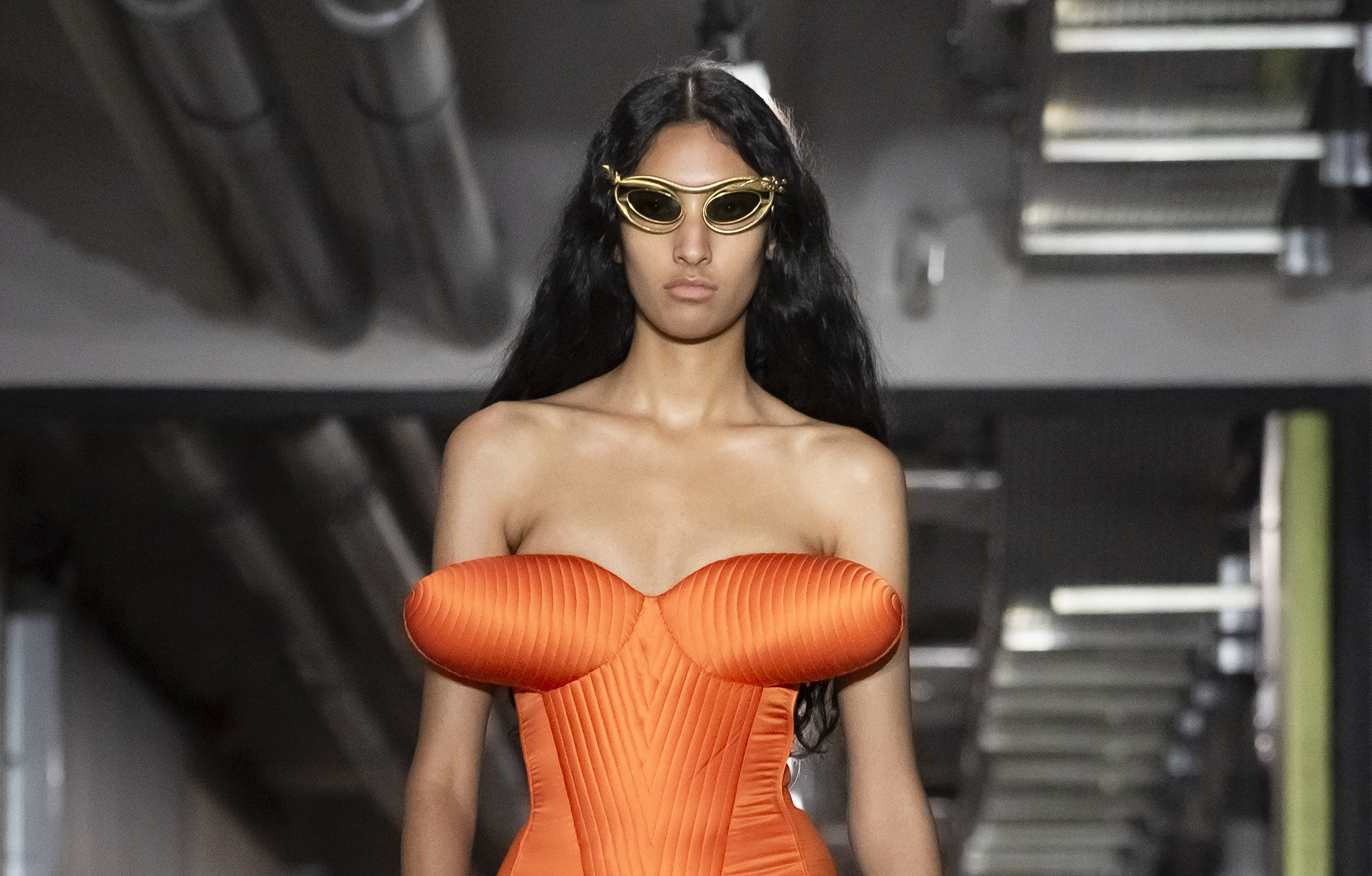
More recently, he has added sculptural protrusions to his silhouettes, evoking Comme des Garçons’ famous Lumps and Bumps collection, thus embracing a more radical direction – redrawing the human body itself.
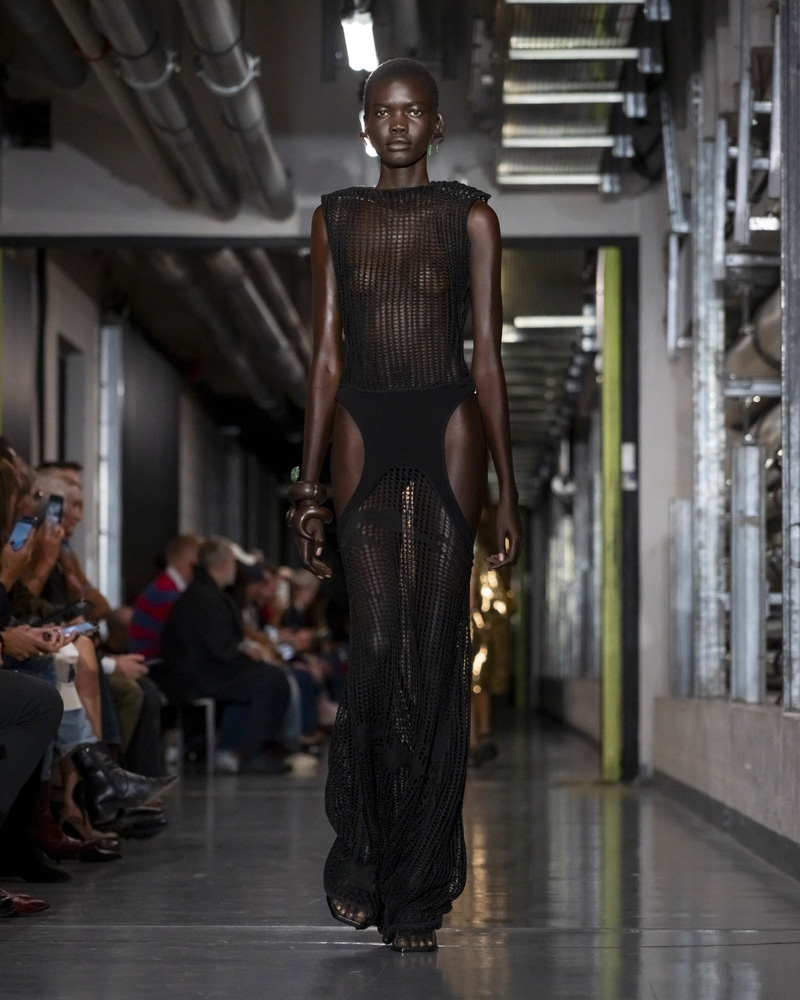
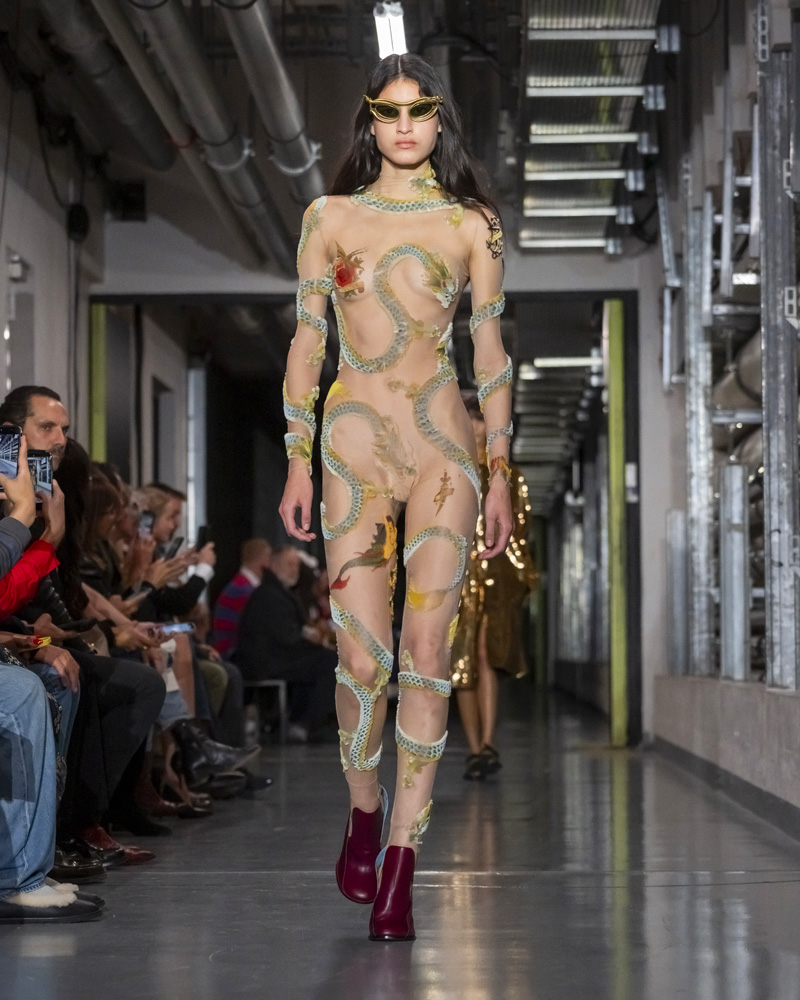
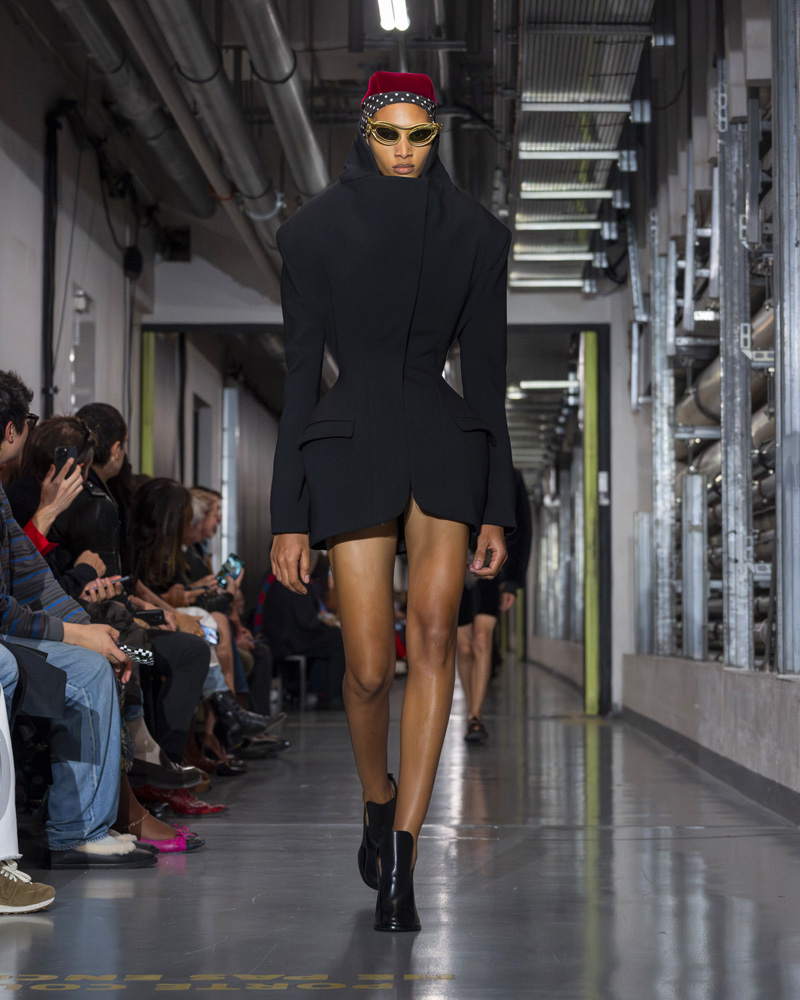
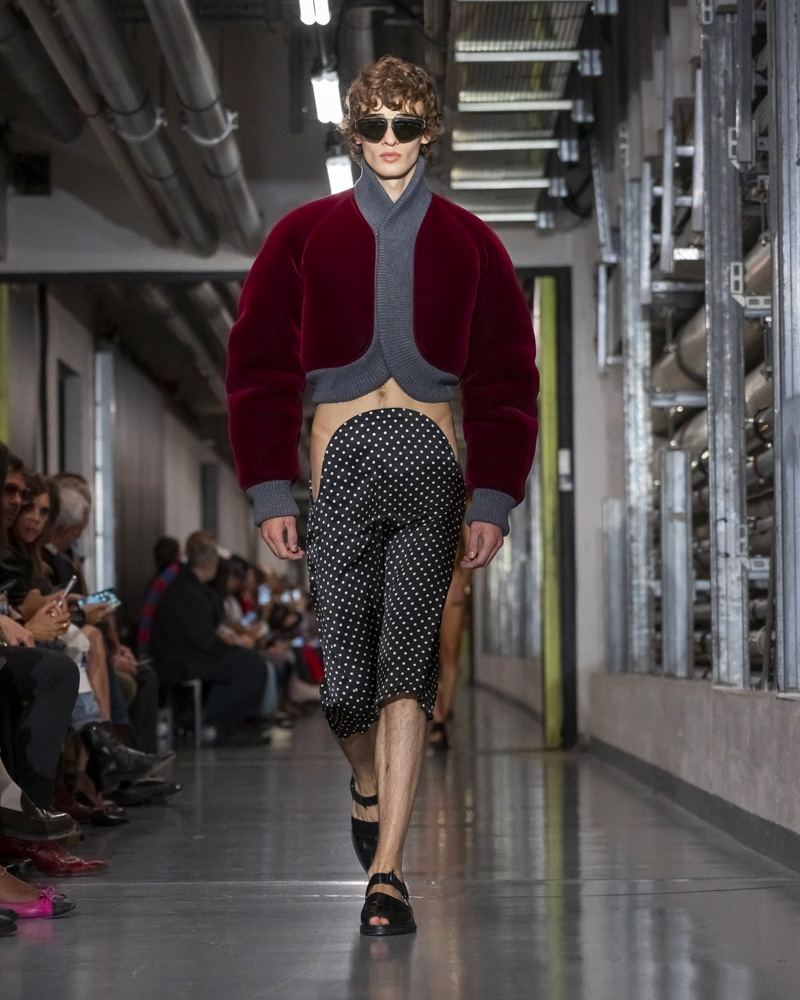
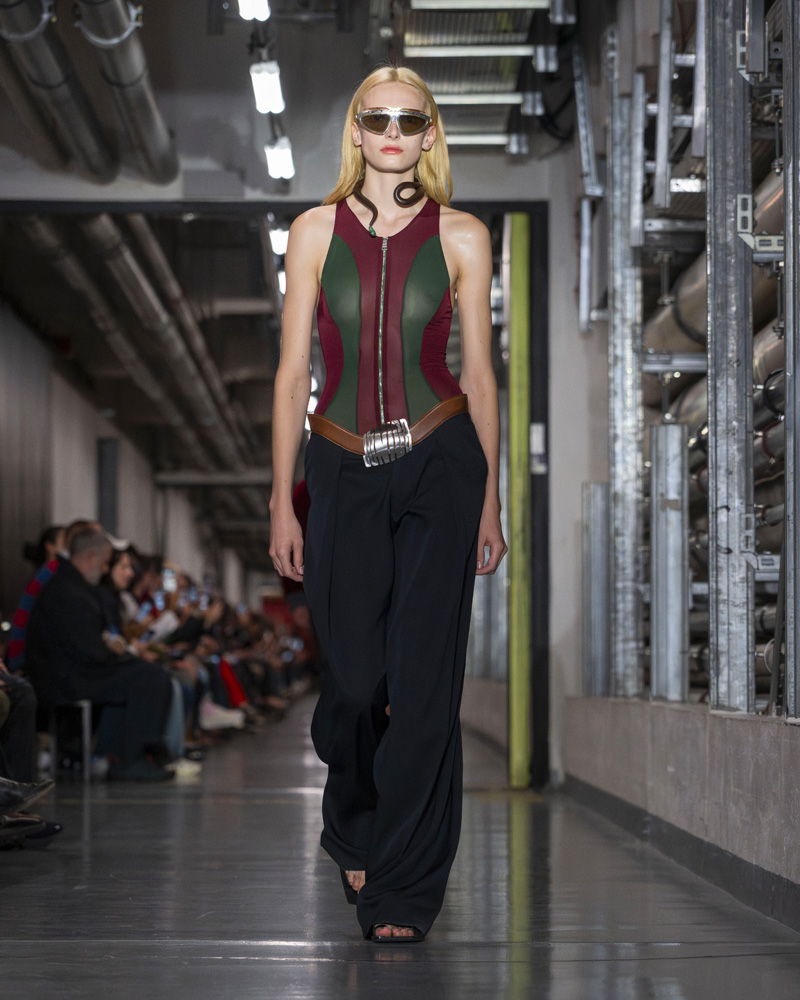
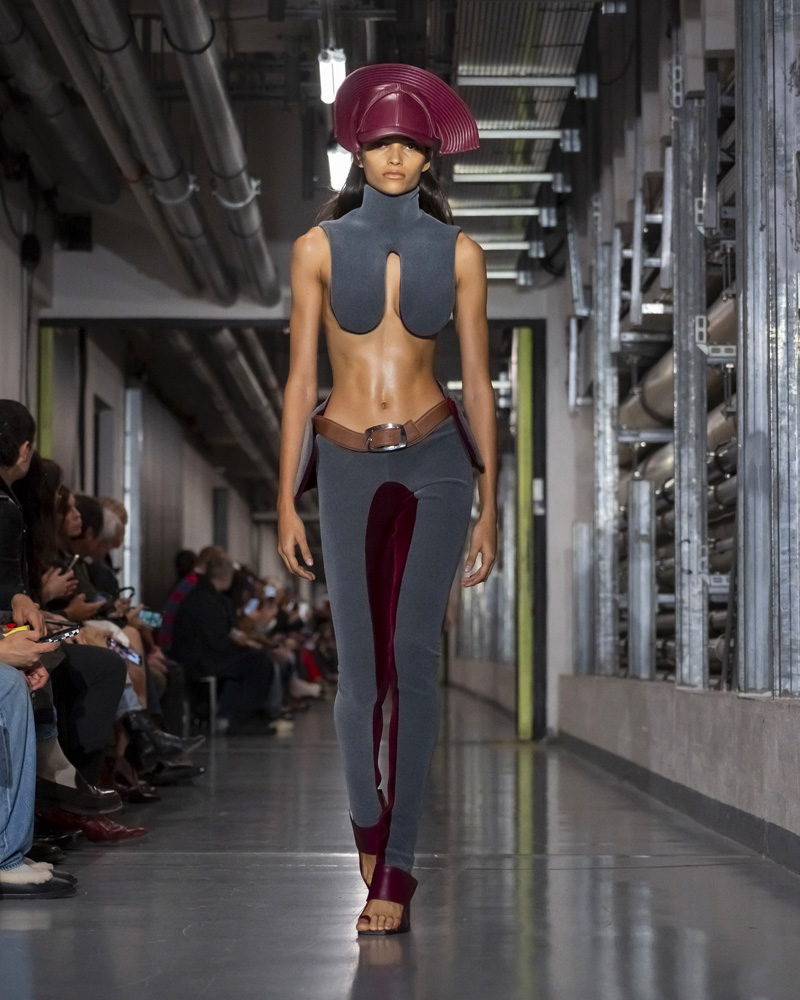
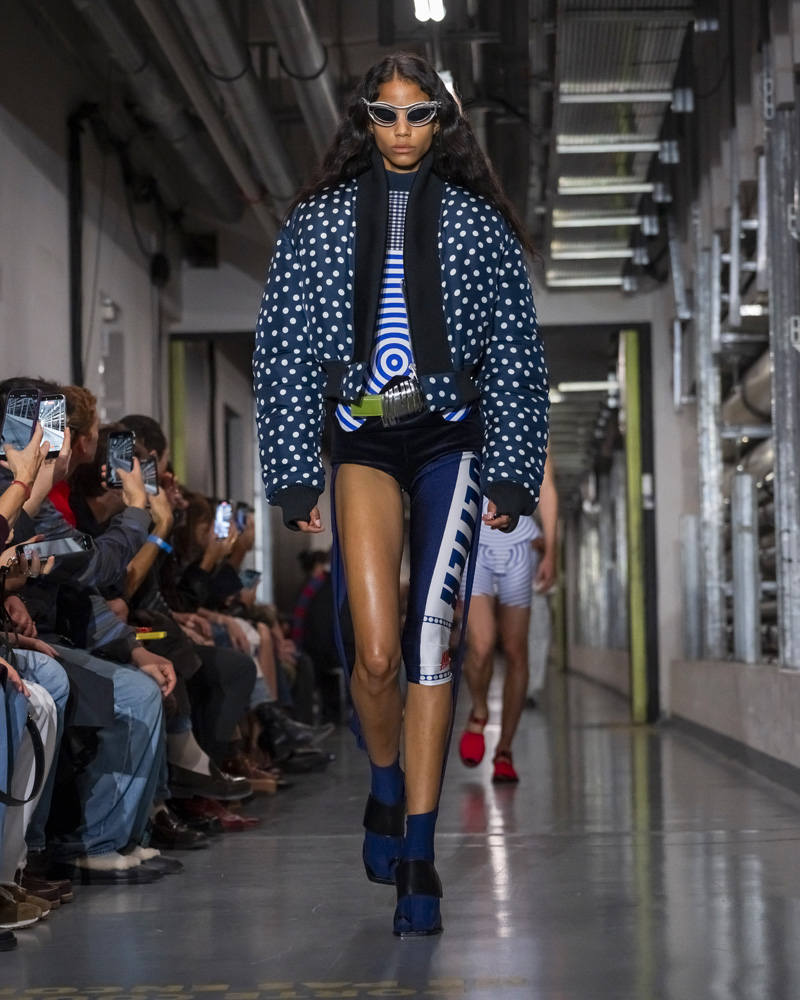
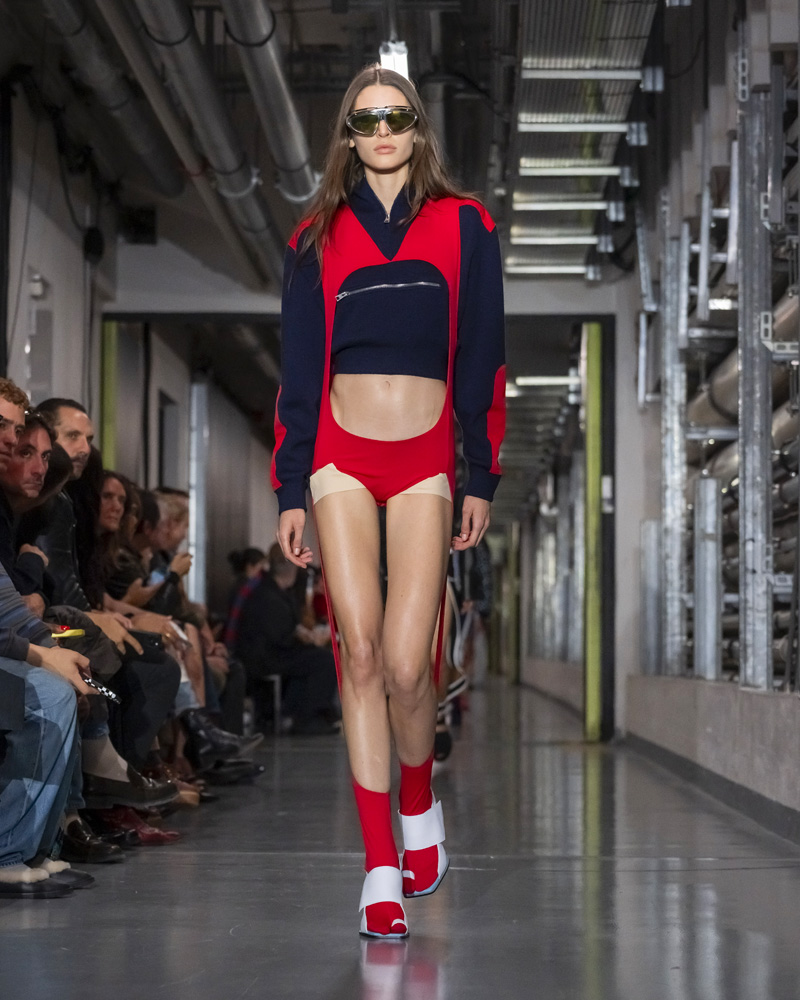
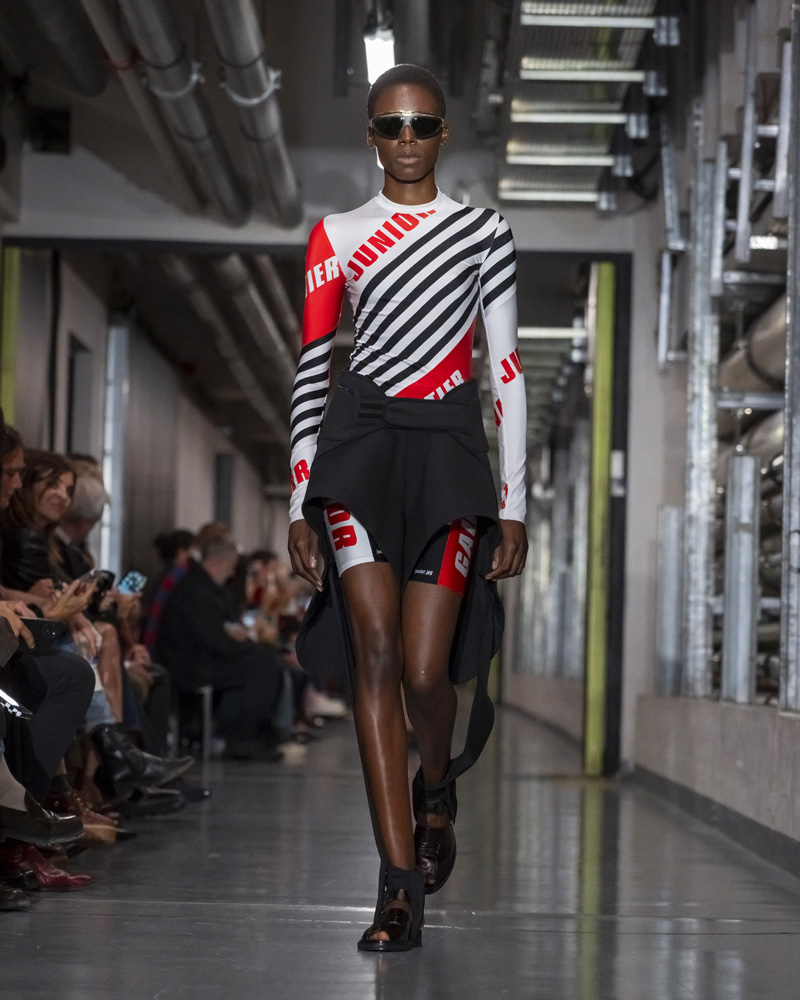
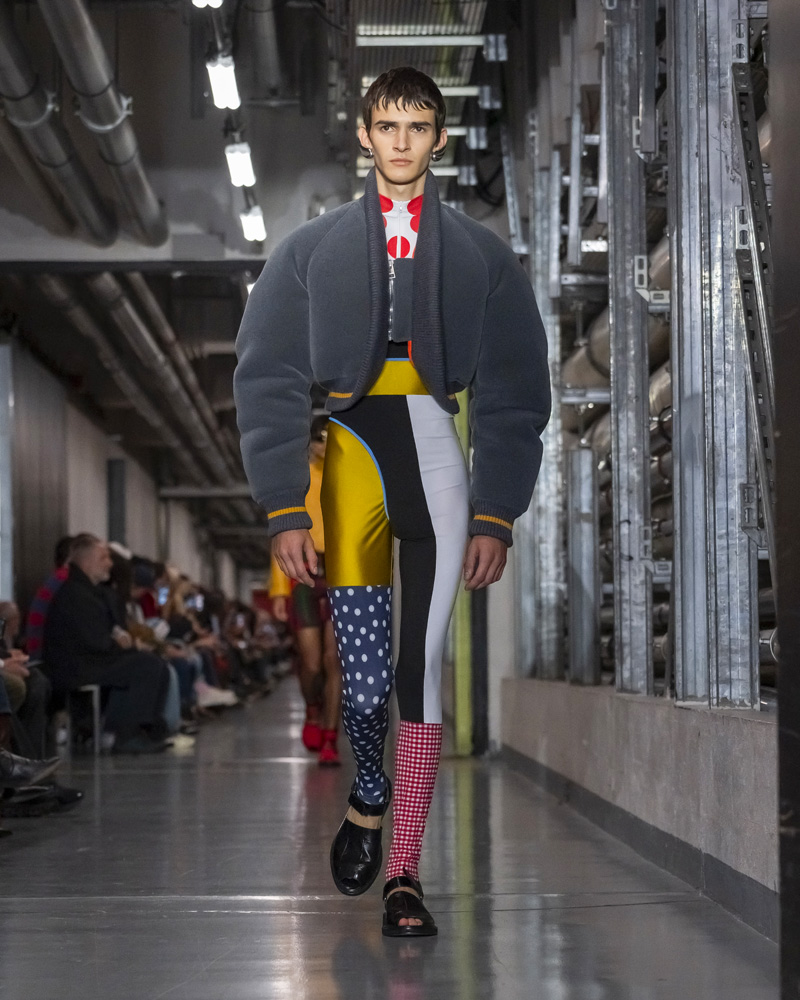
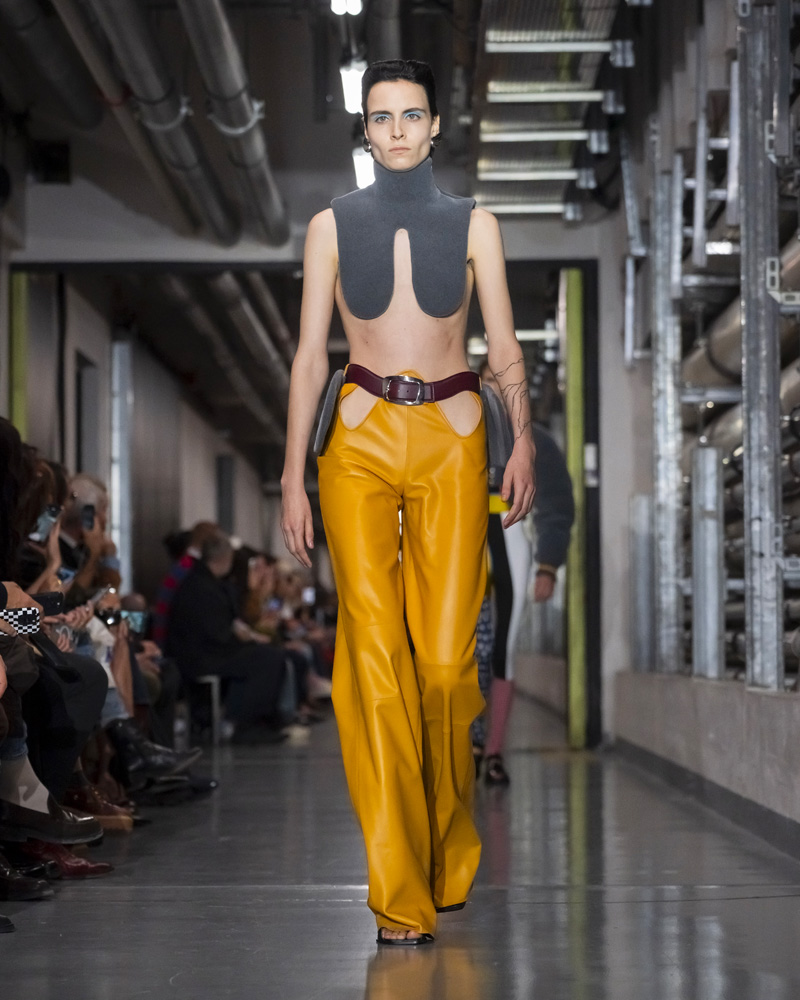
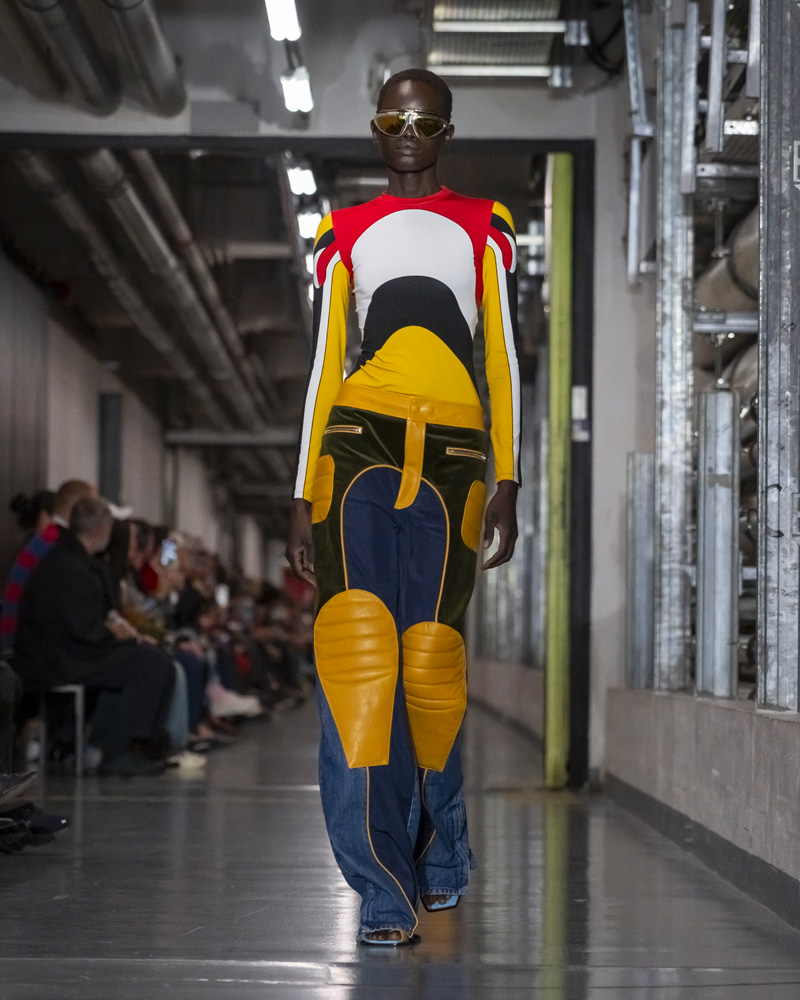
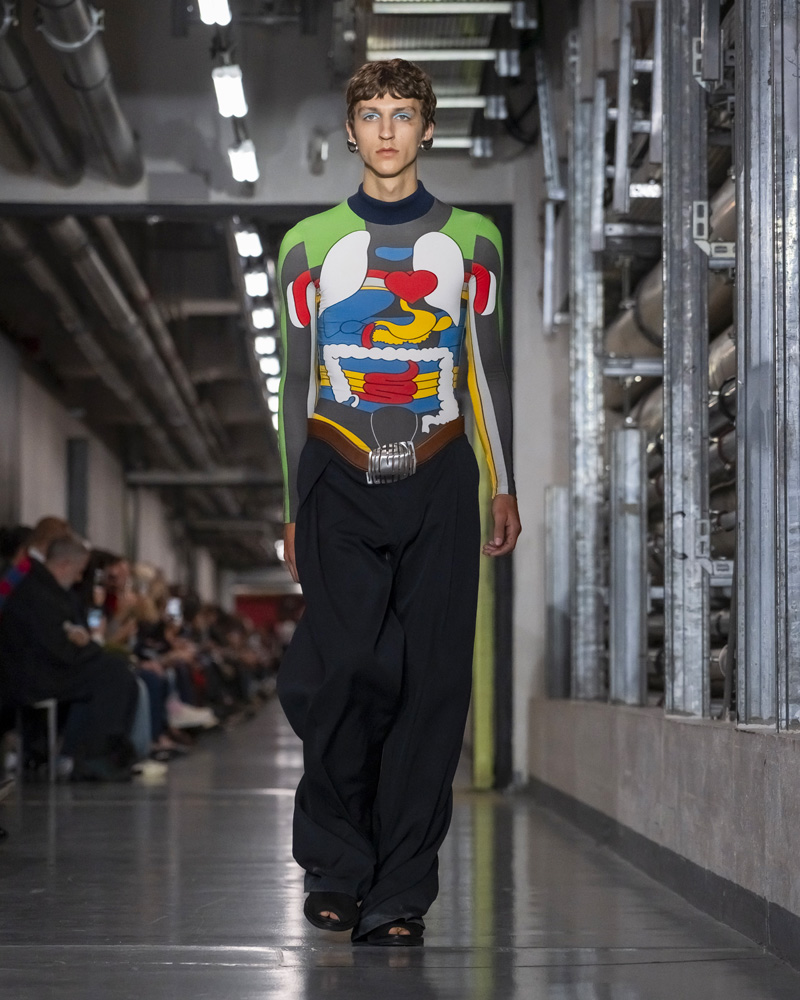
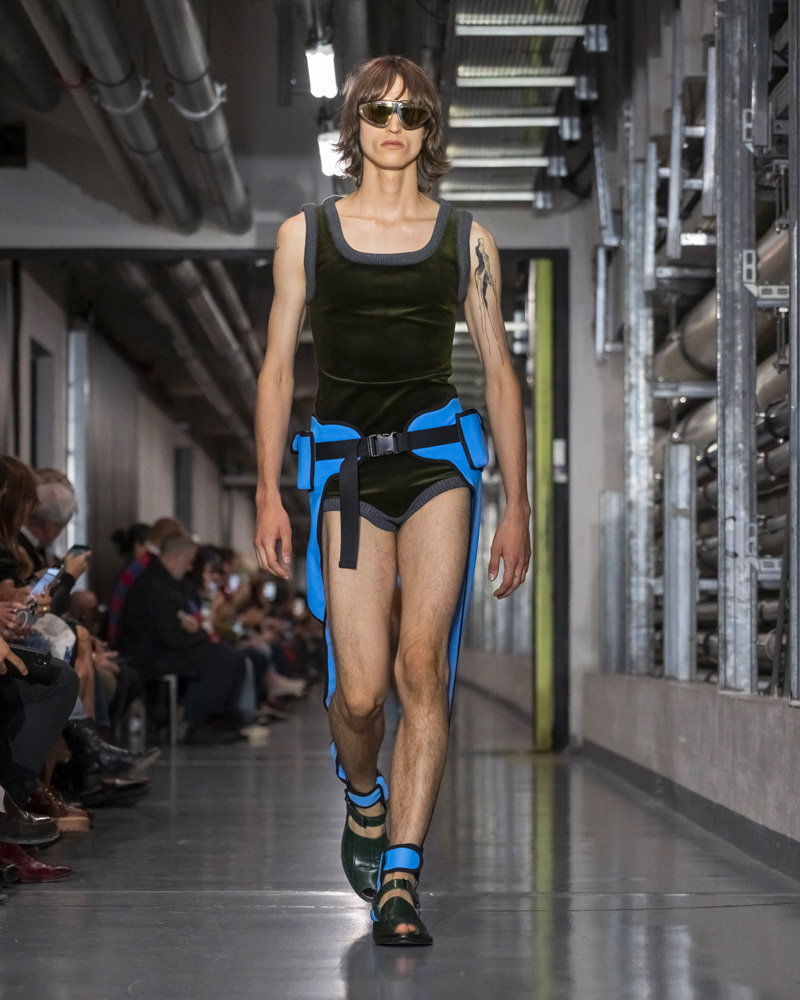
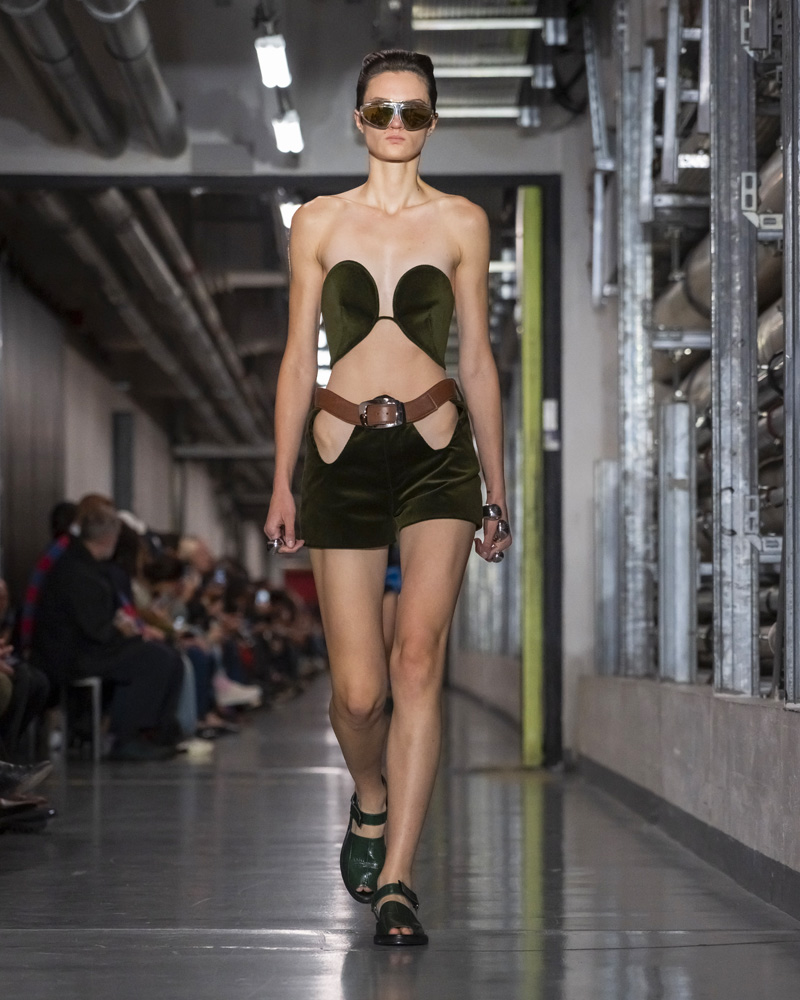
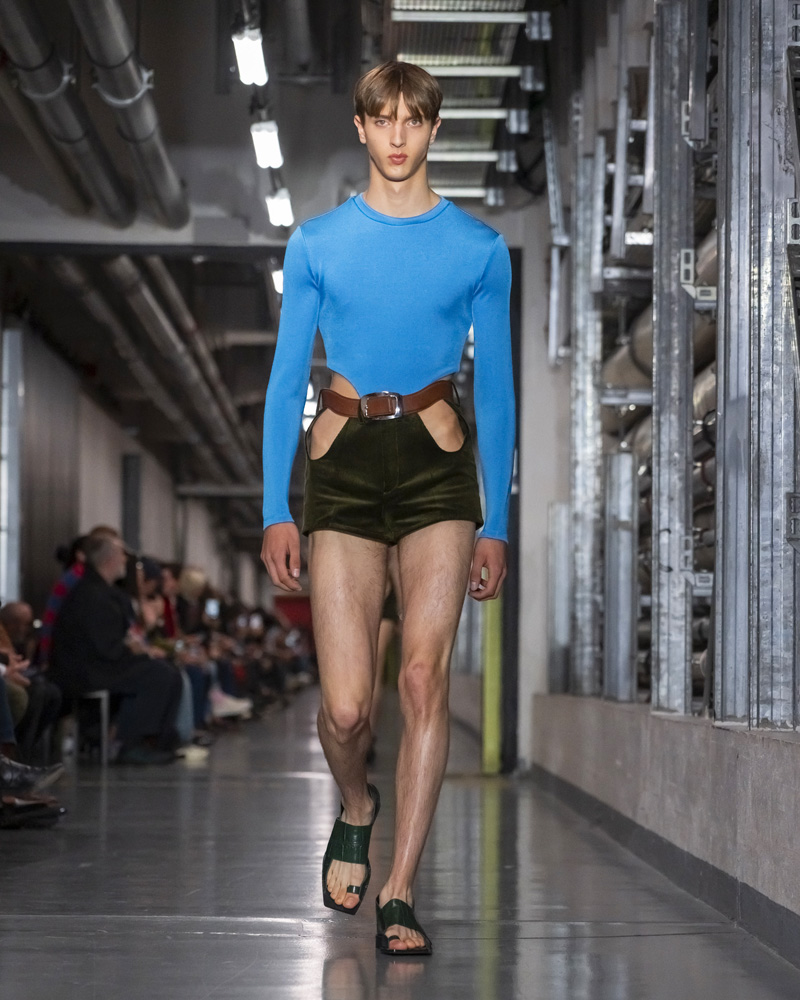
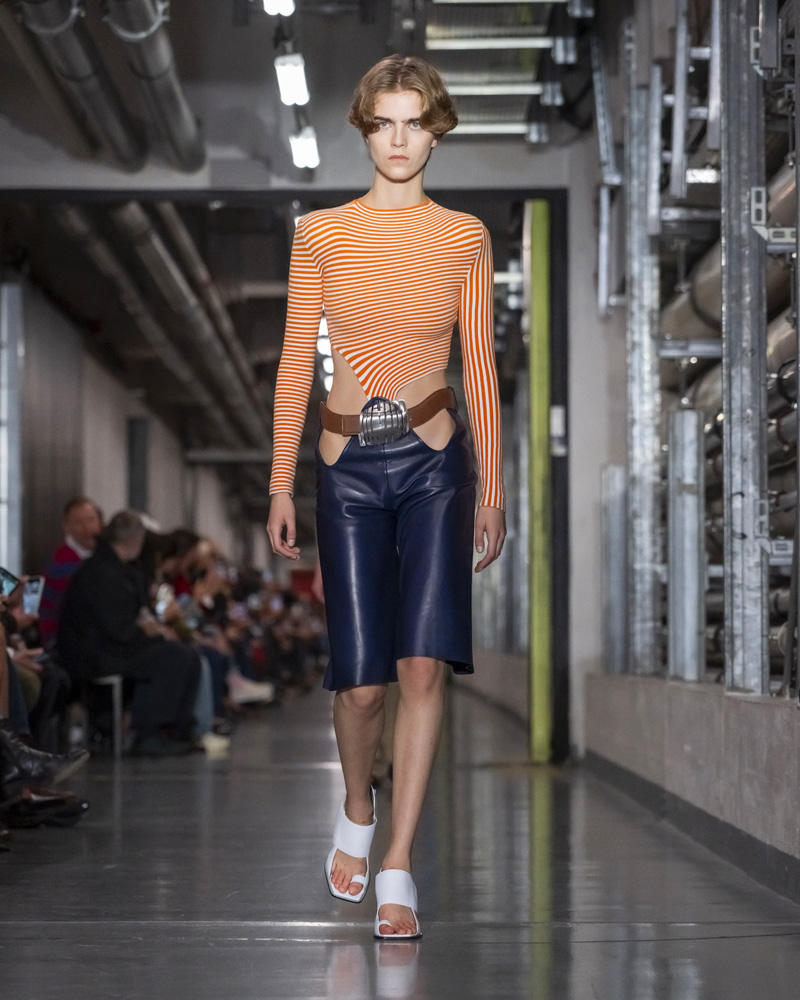
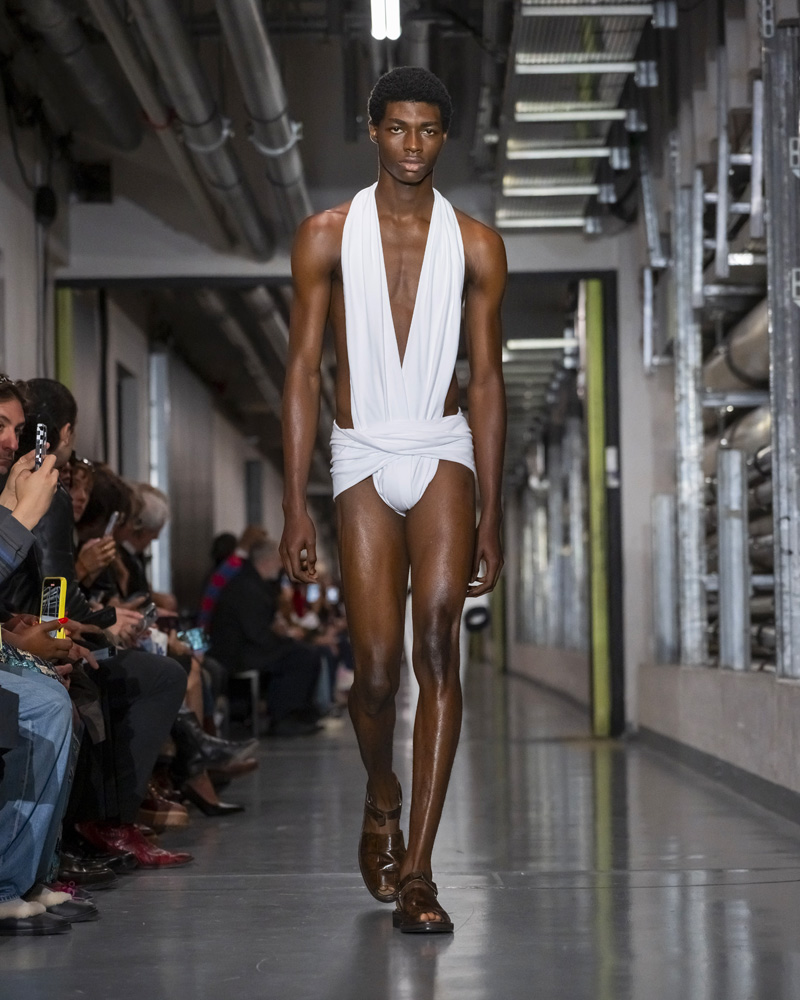
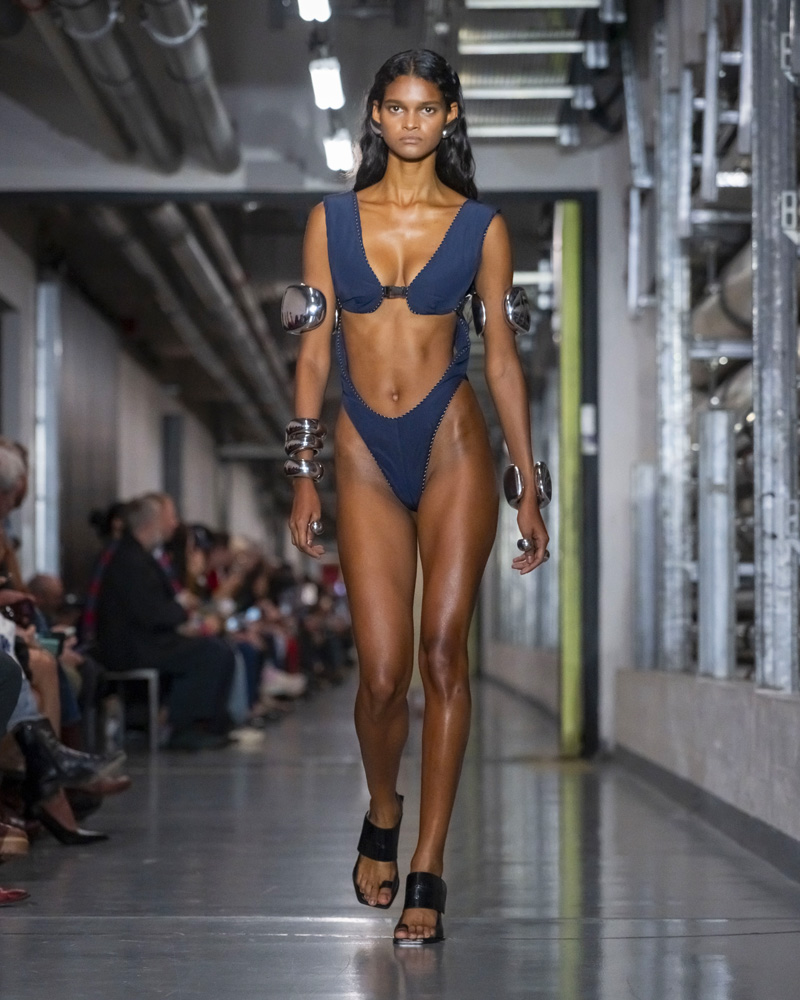
Duran Lantink‘s debut ready-to-wear collection for Jean Paul Gaultier unveiled in an industrial-like space followed that same idea. The artistic director drew his inspiration from Jean Paul Gaultier’s Junior line and its rebellious, youthful, and unapologetic energy. Guests were greeted by a bar filled with relics of what looked like a wild party – glasses, cigarette packs, and empty bottles. The installation echoed the remnants of meals and mussel shells by Belgian artist Marcel Broodthaers and set the tone for what was to come… A celebration of freedom intertwined with nightlife.
Among the references for the show was Het RoXY Archief, 1988–1999, a book by Dutch photographer Cleo Campert about the legendary Amsterdam club. It deeply shaped Duran Lantink’s imagination, even though he was too young to have experienced it firsthand.
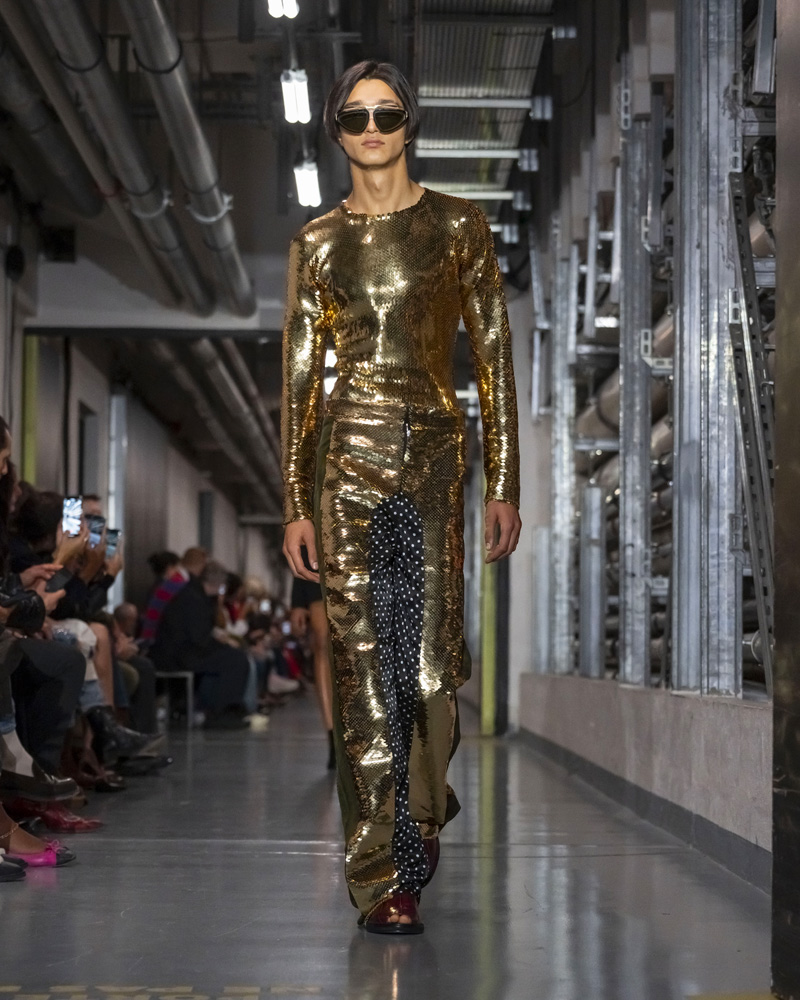
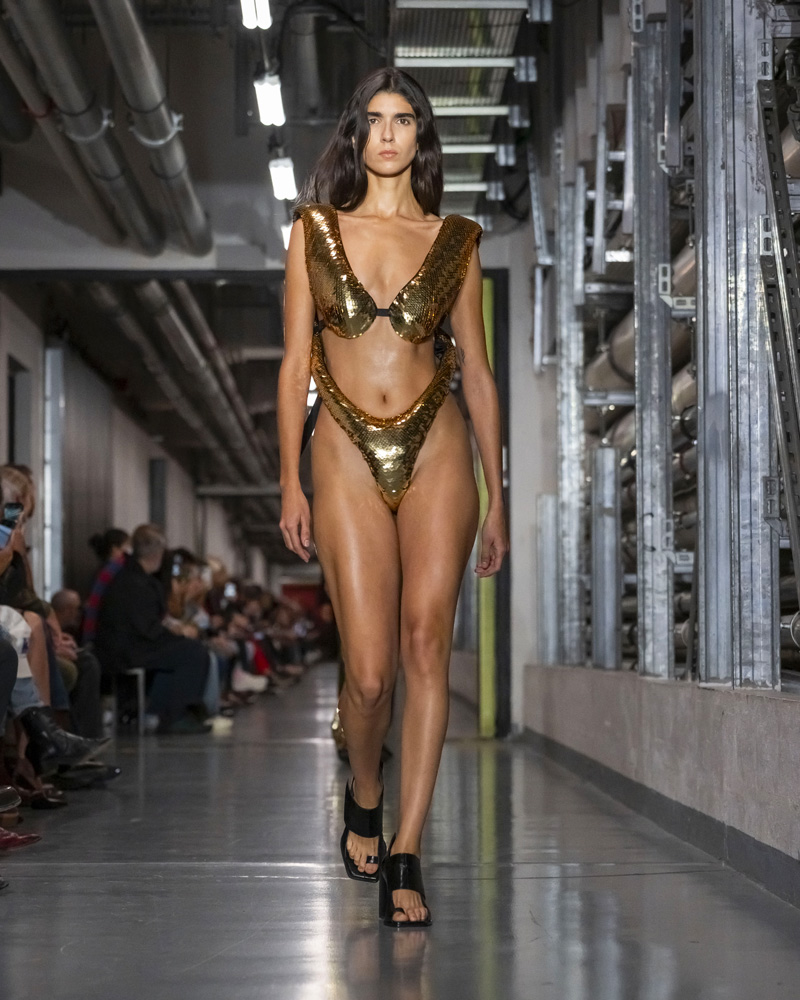
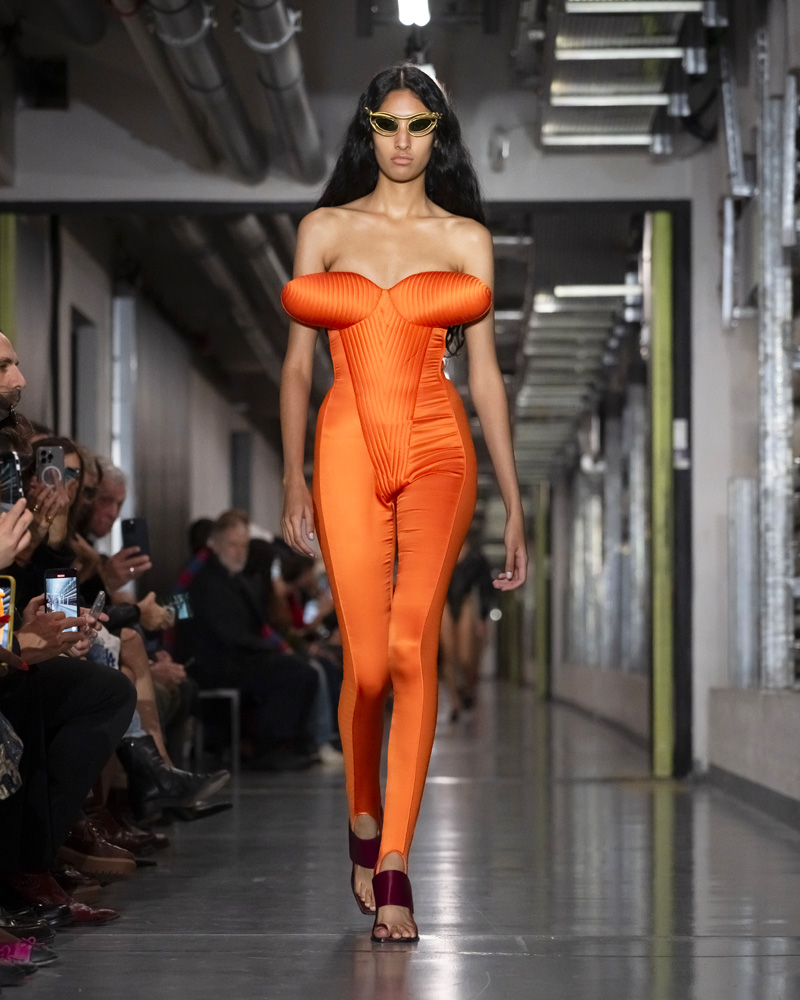
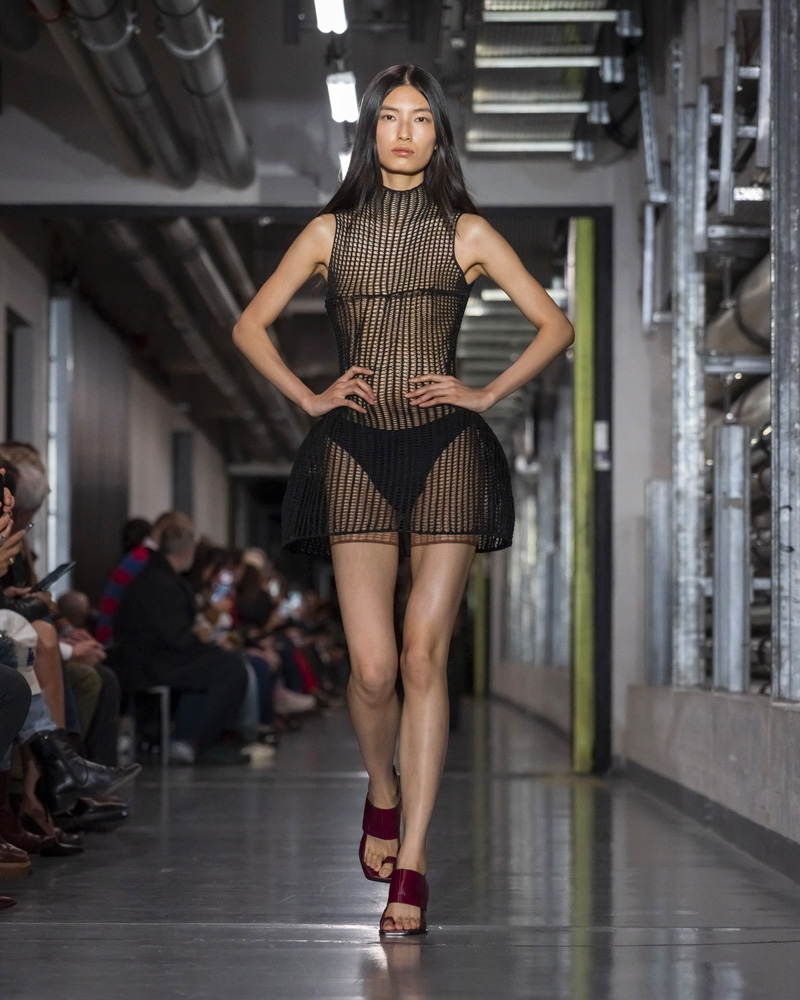
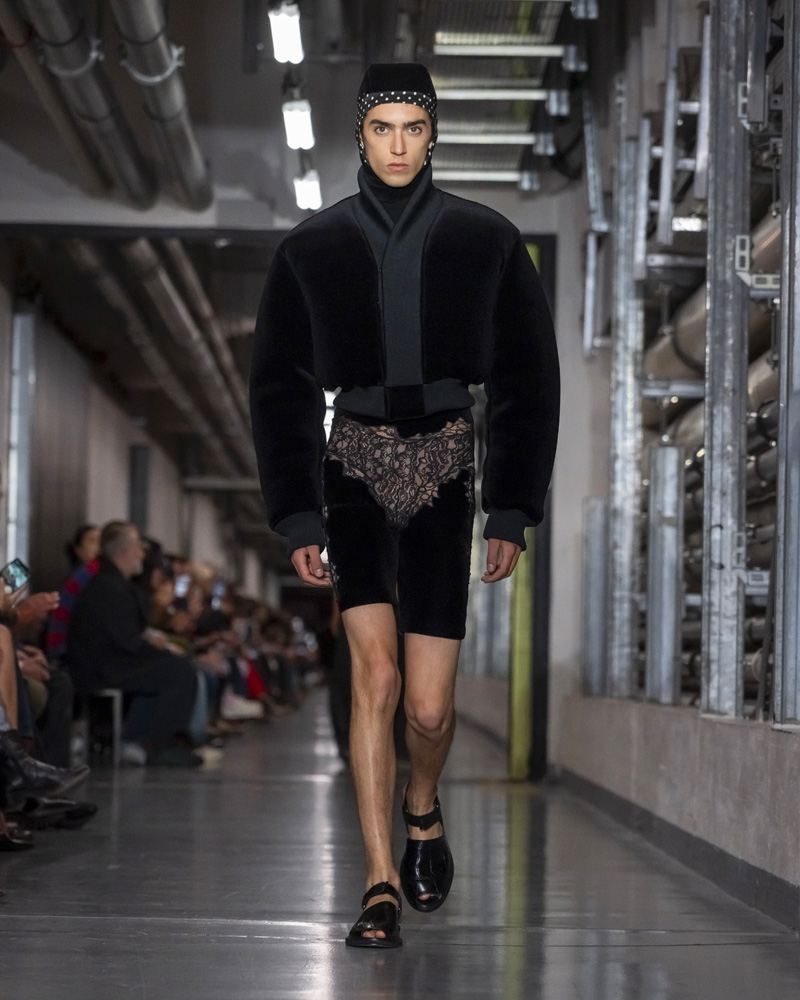
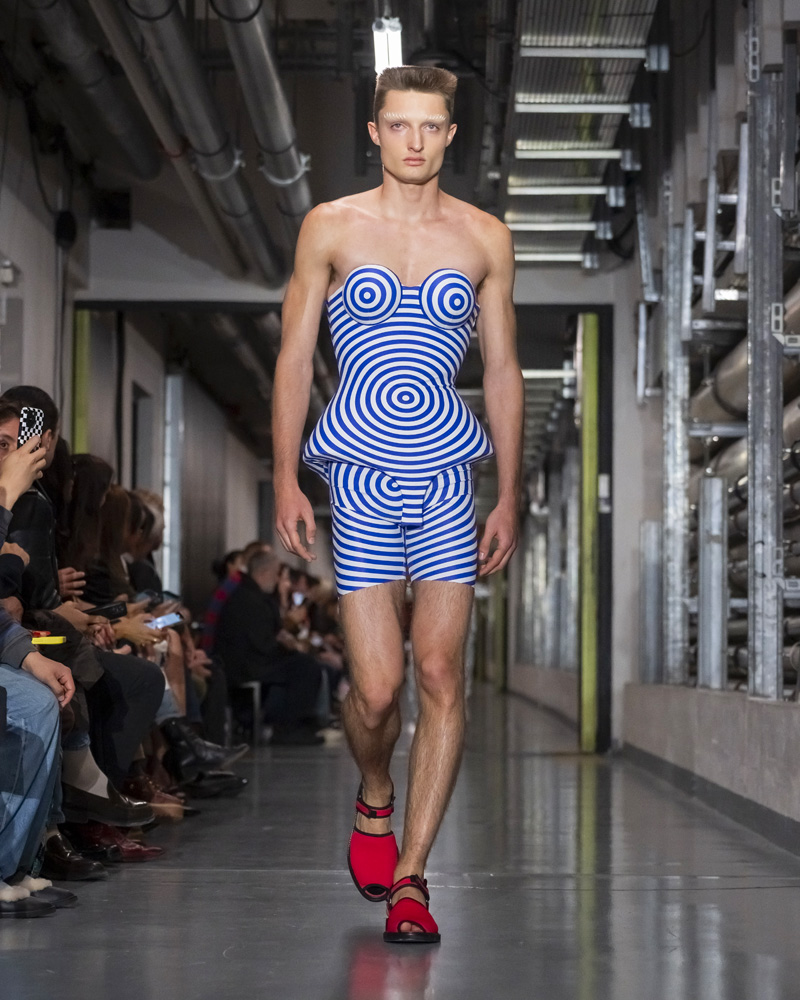
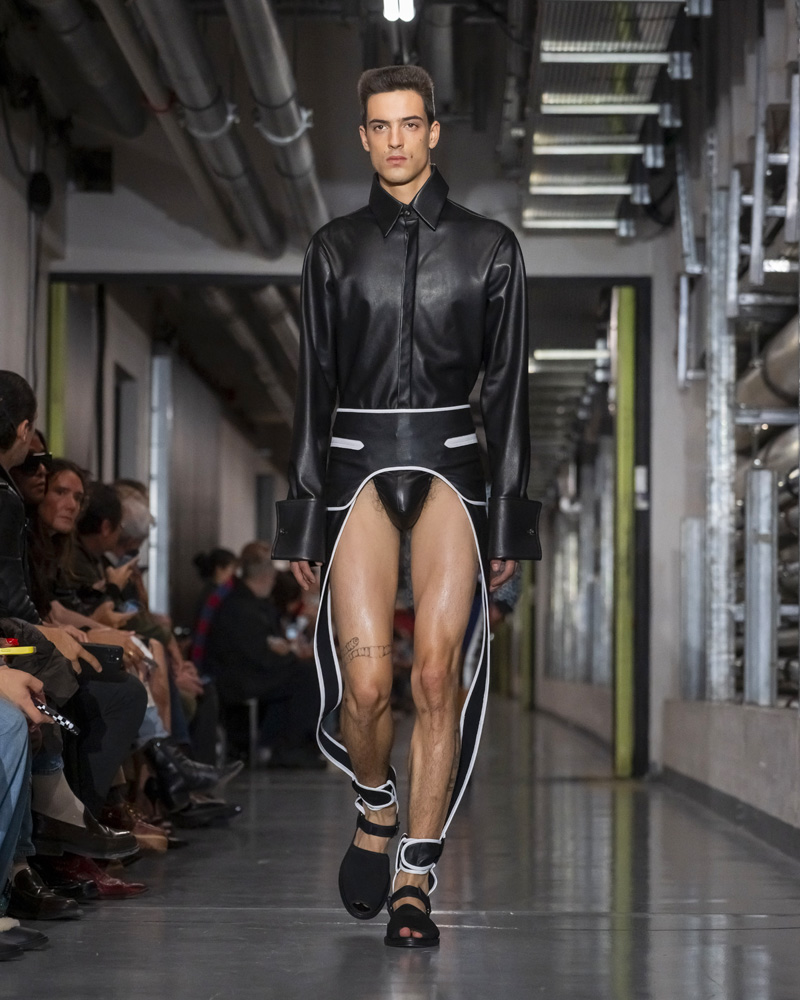
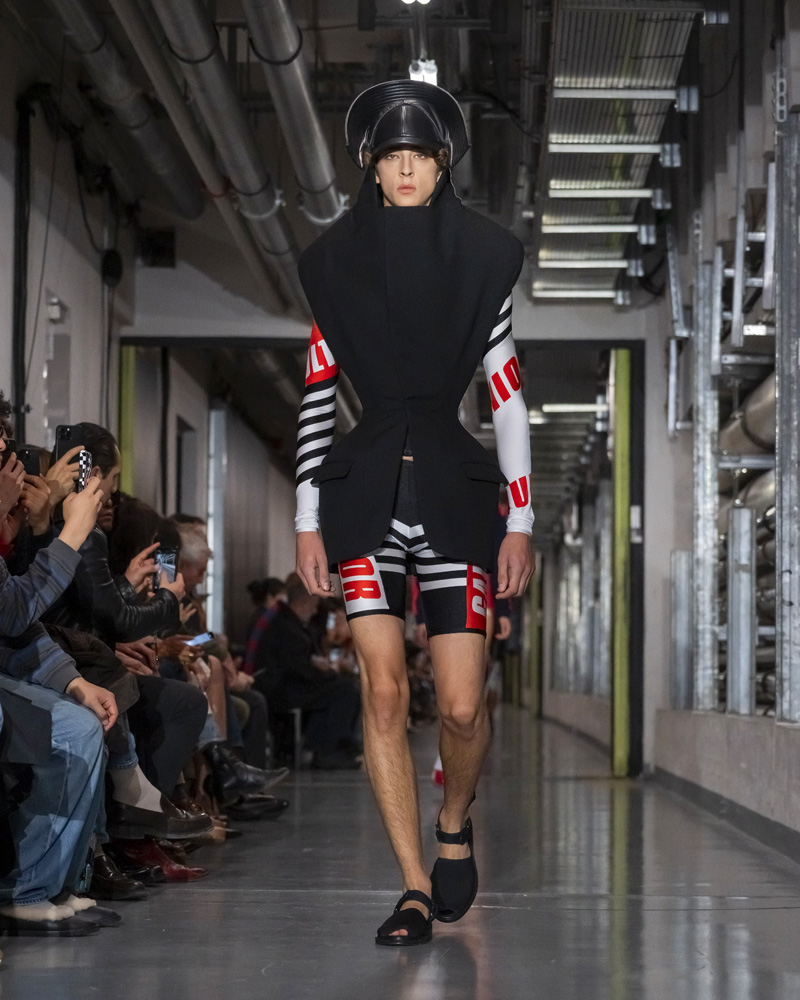
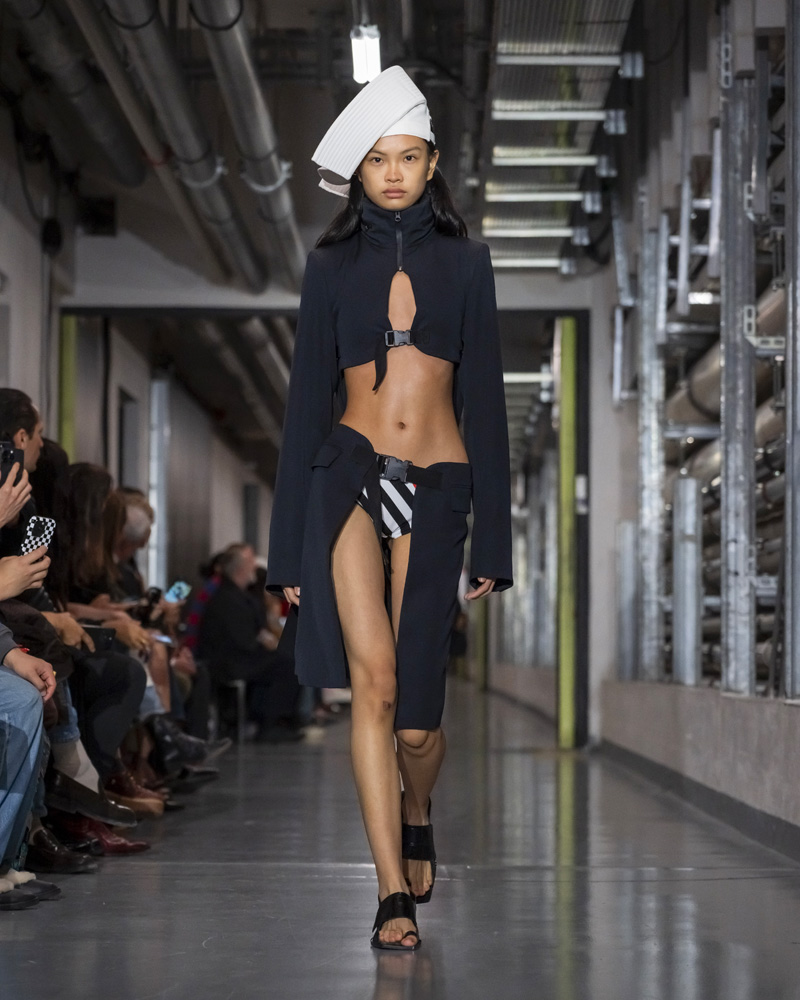
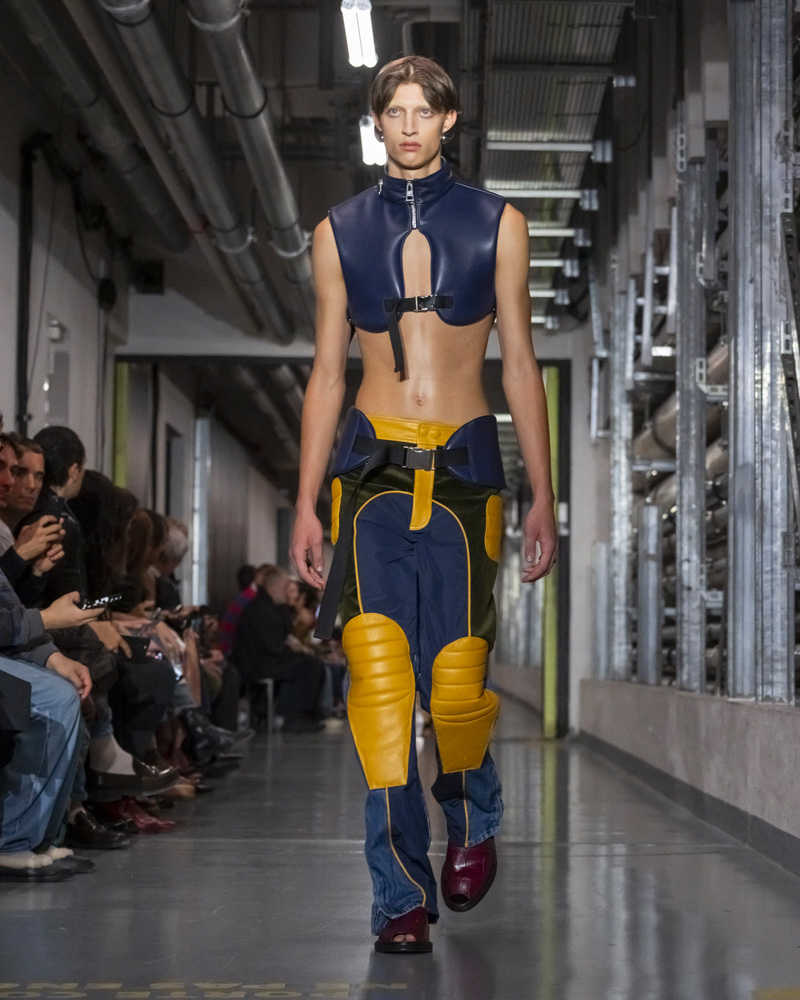
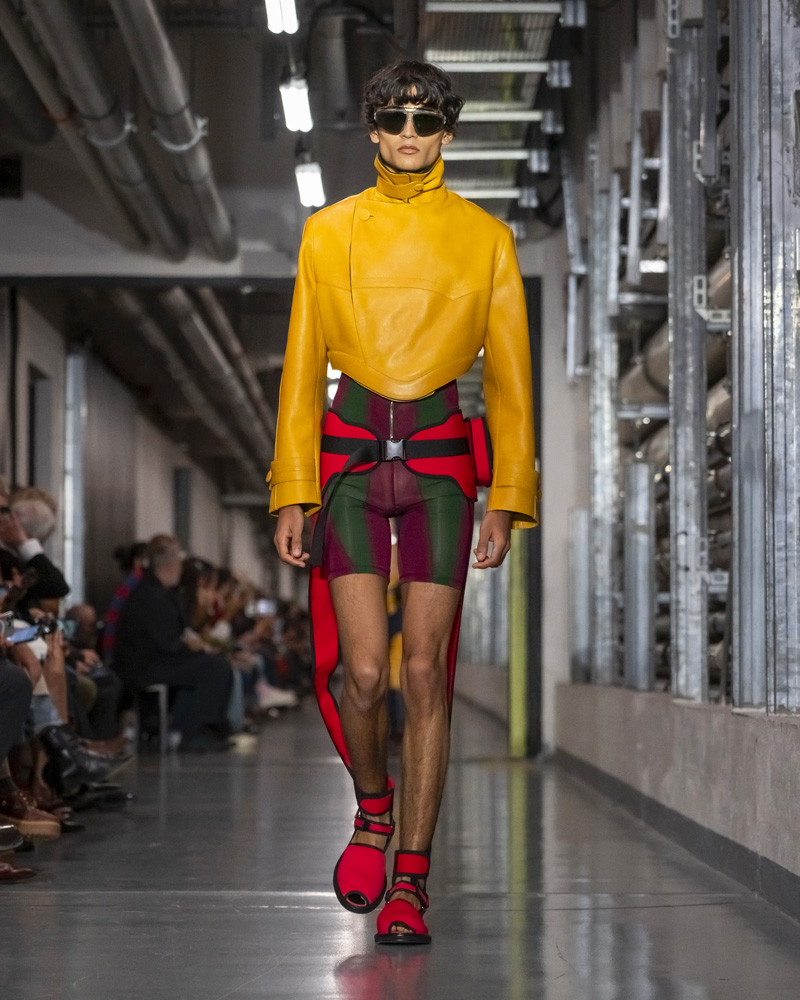
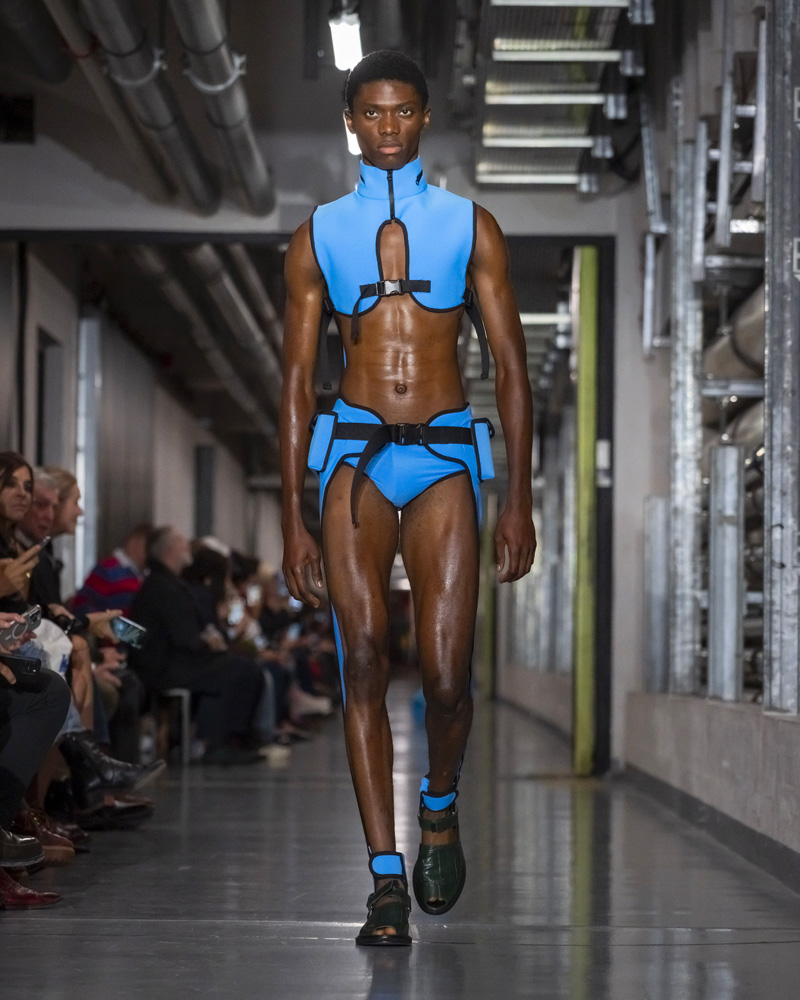
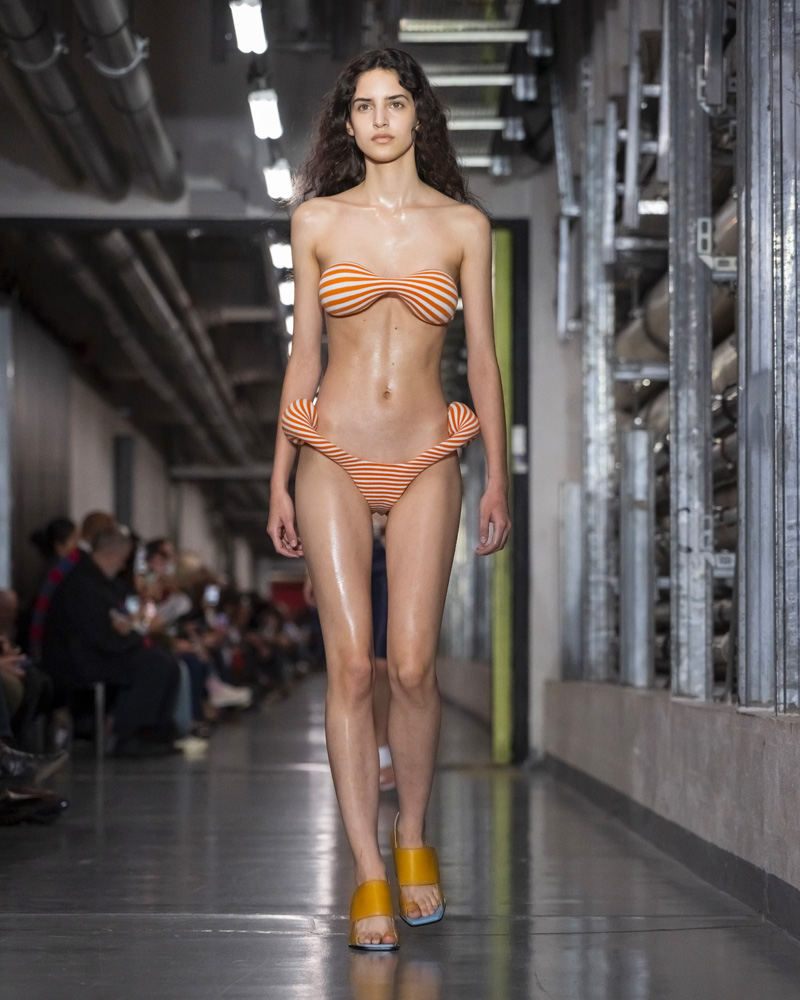
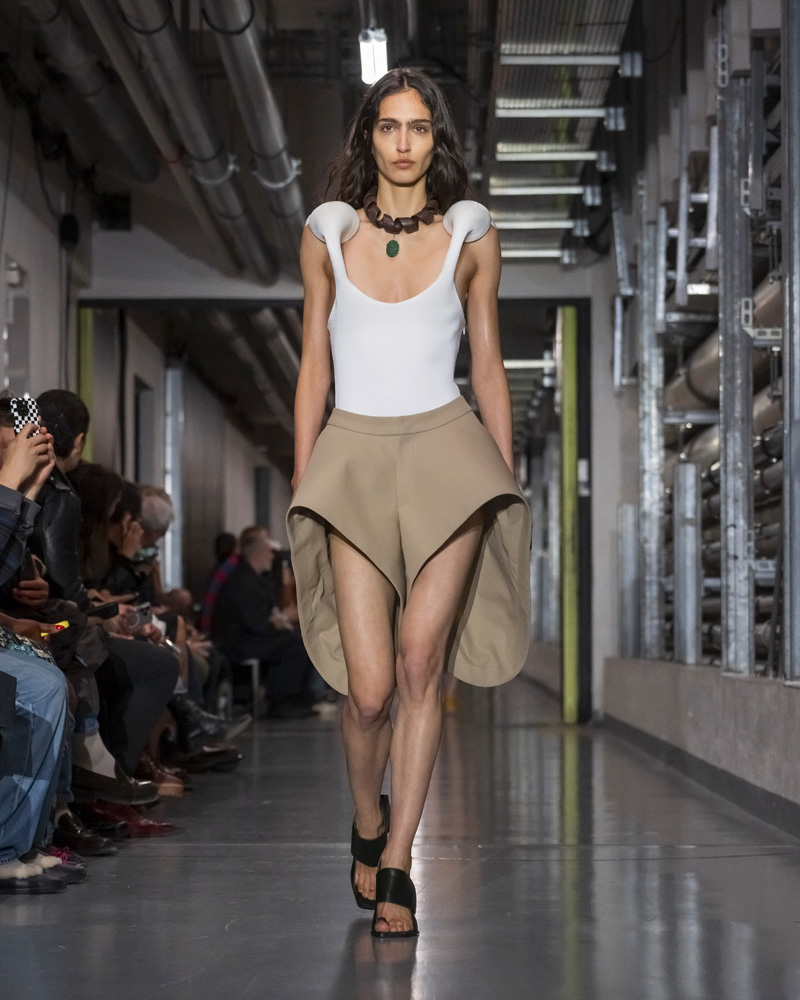
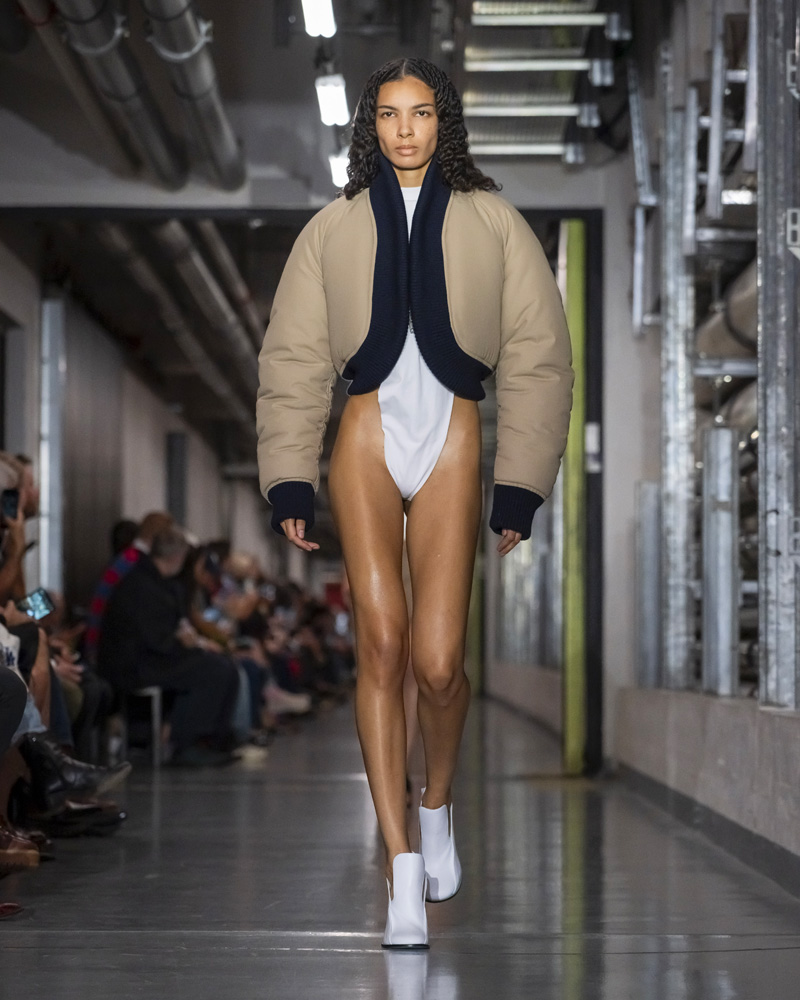
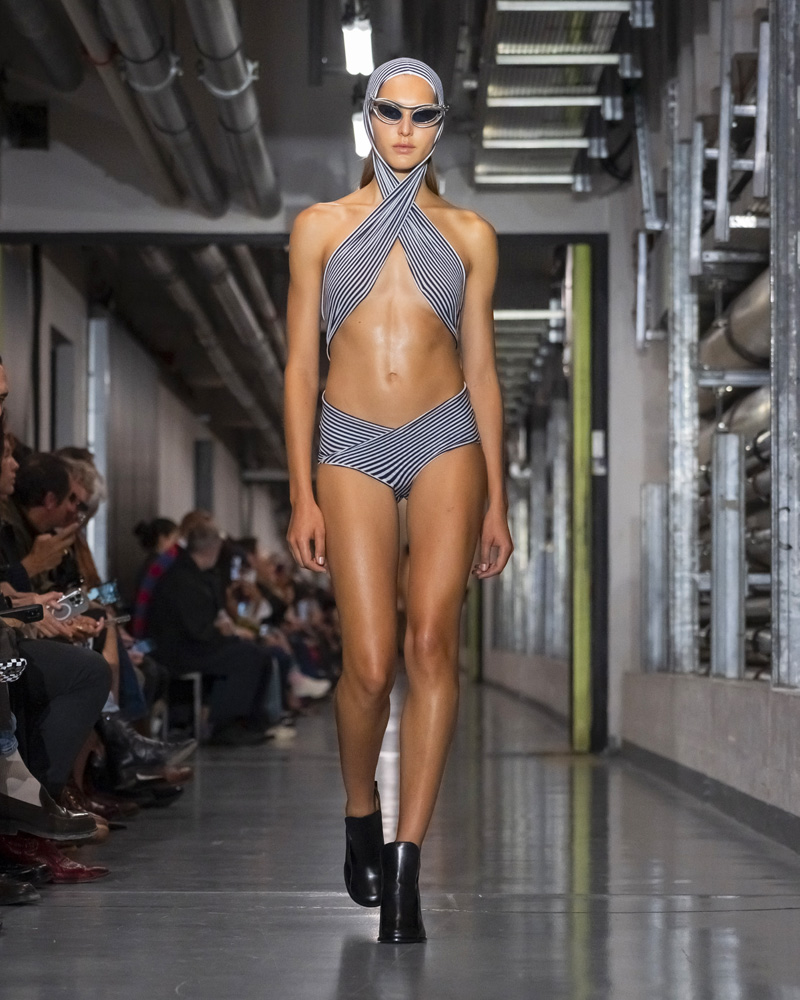
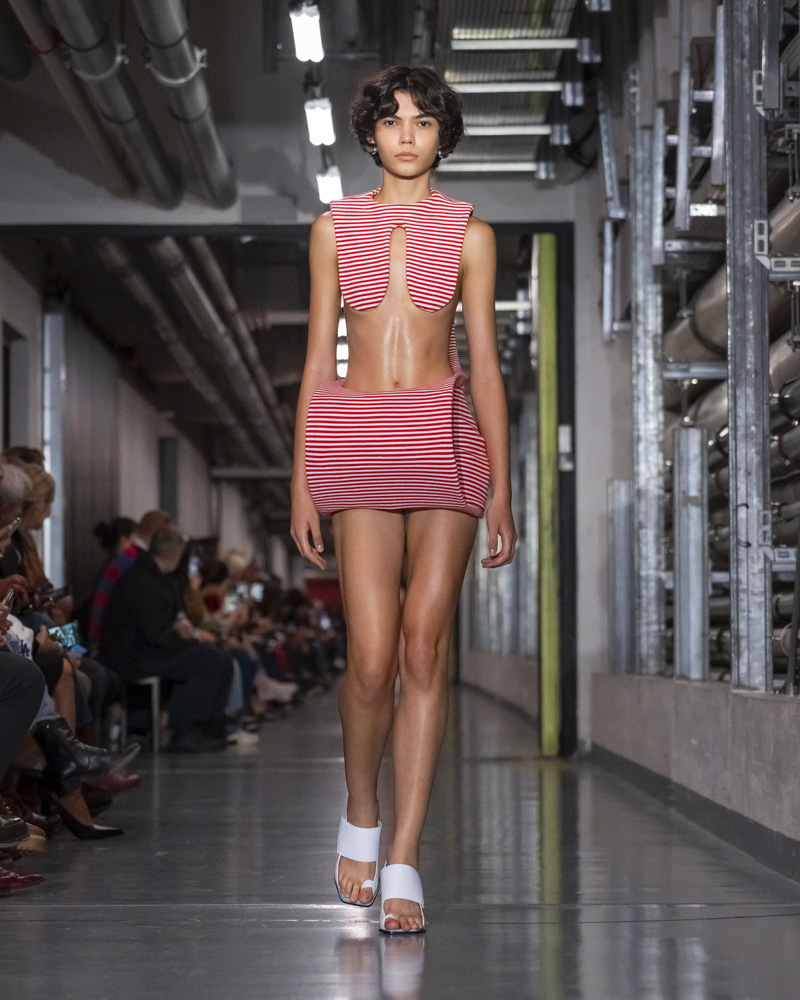
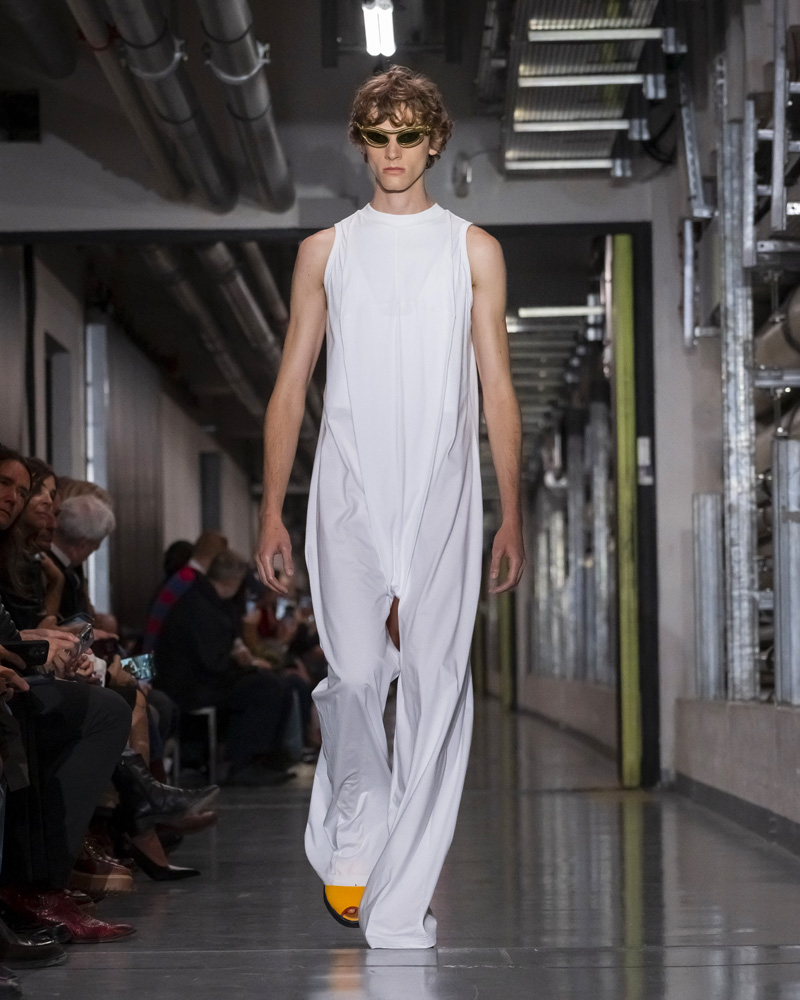
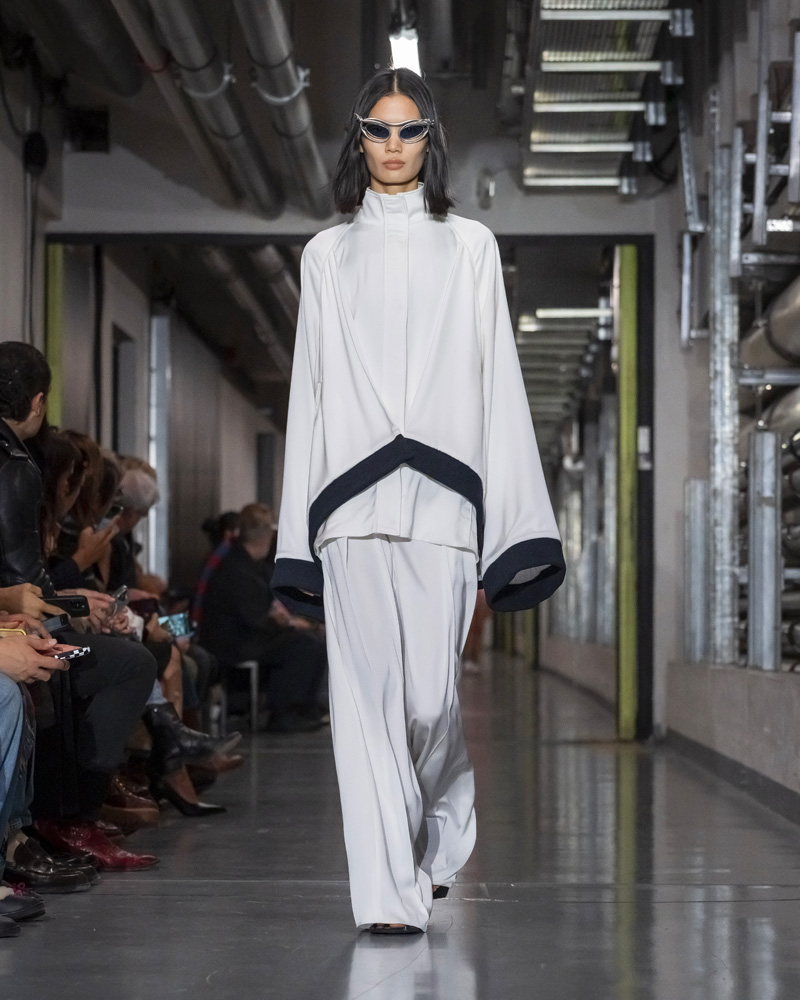
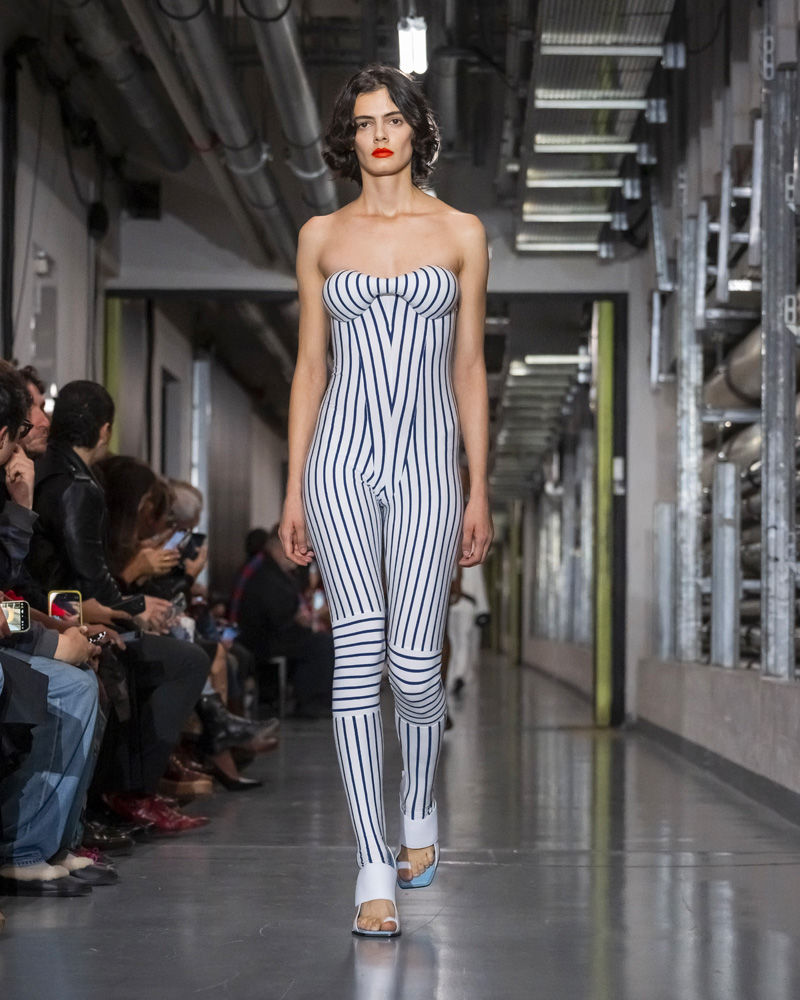
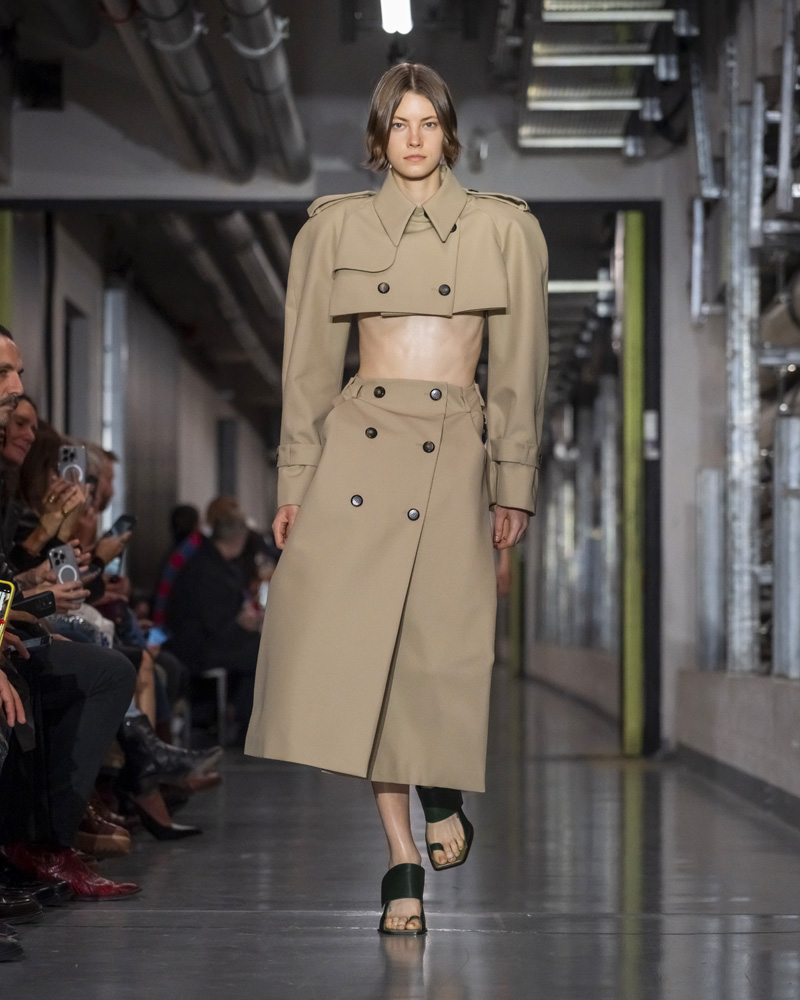
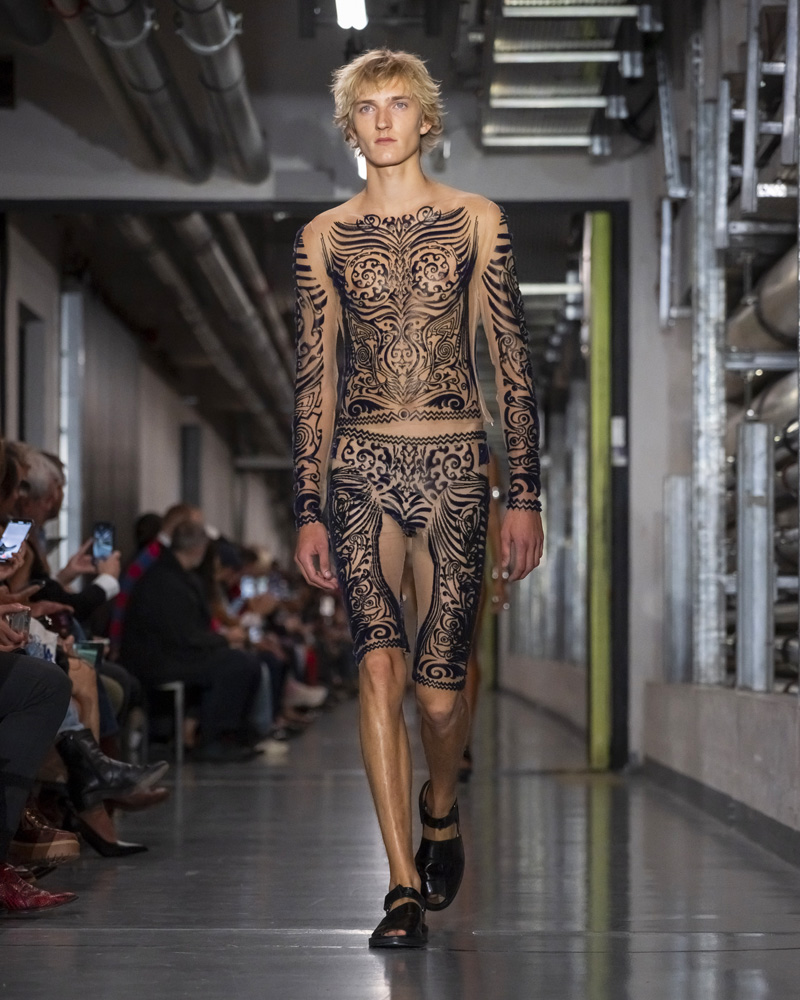
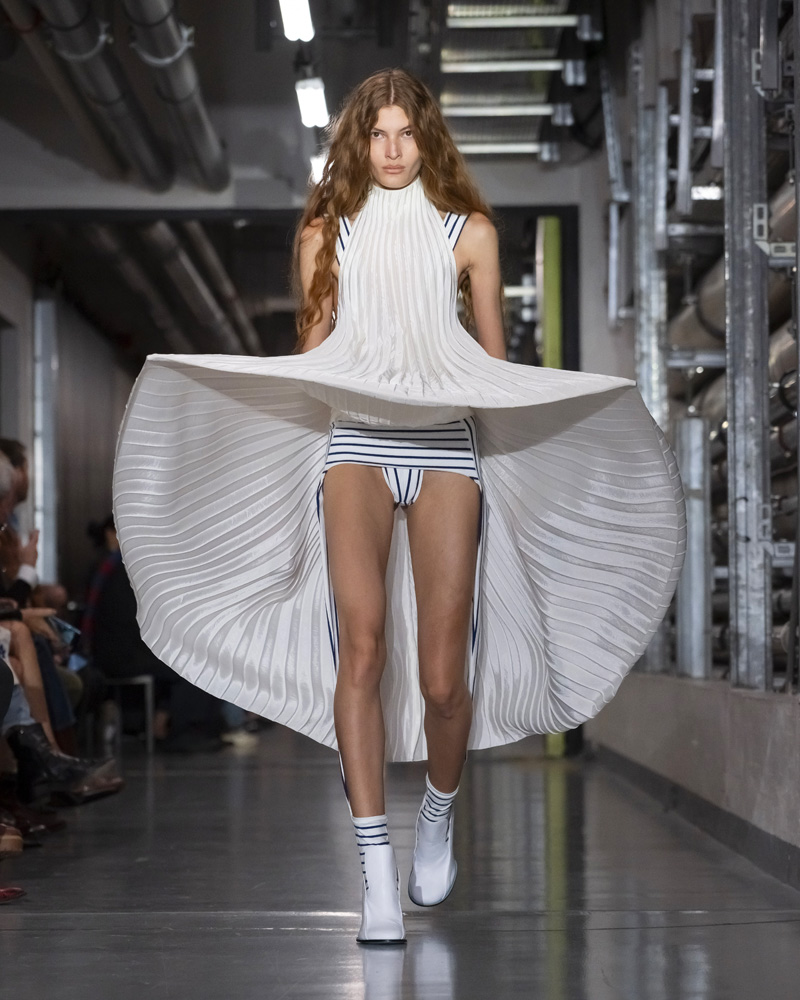
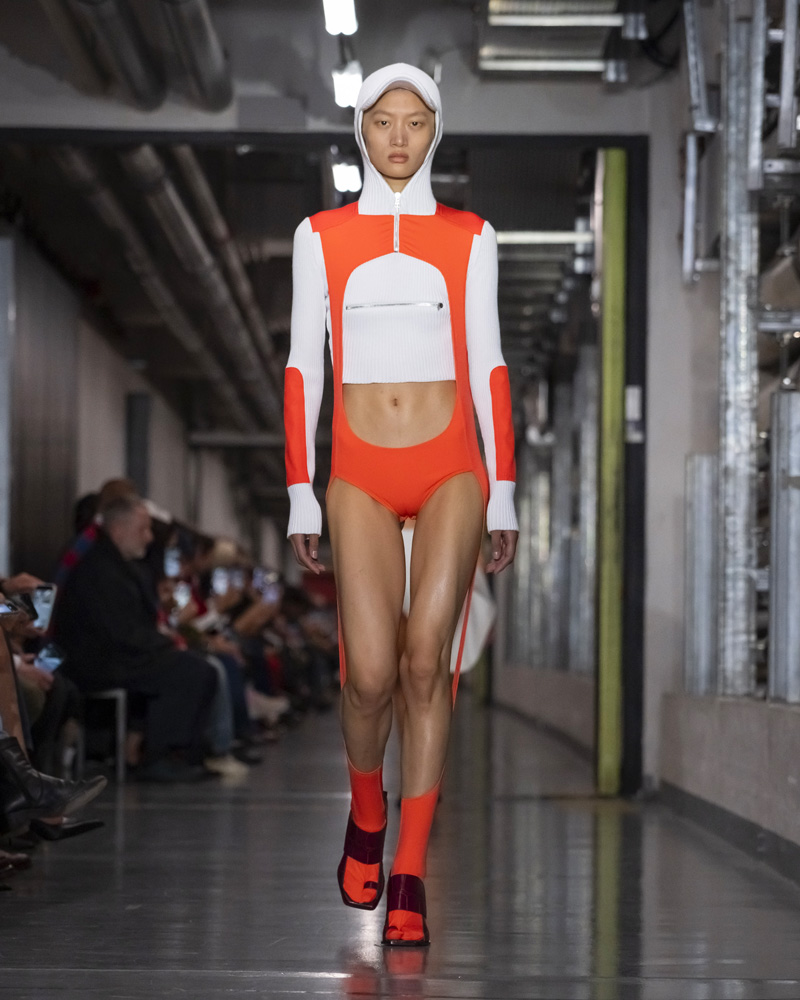
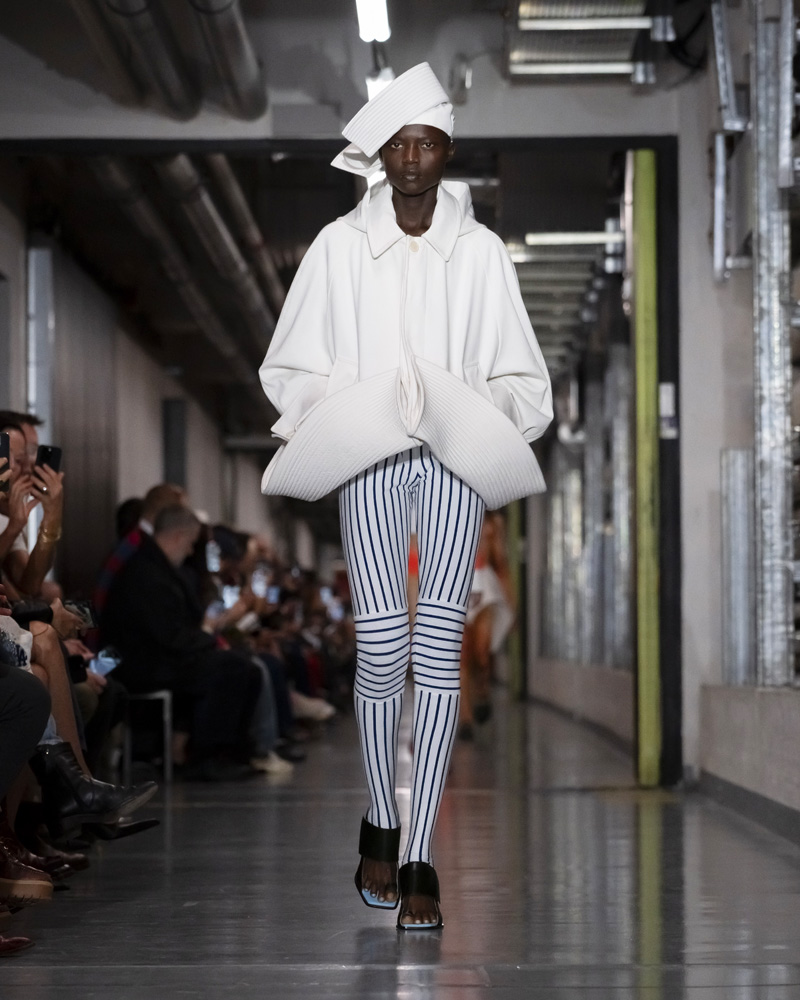
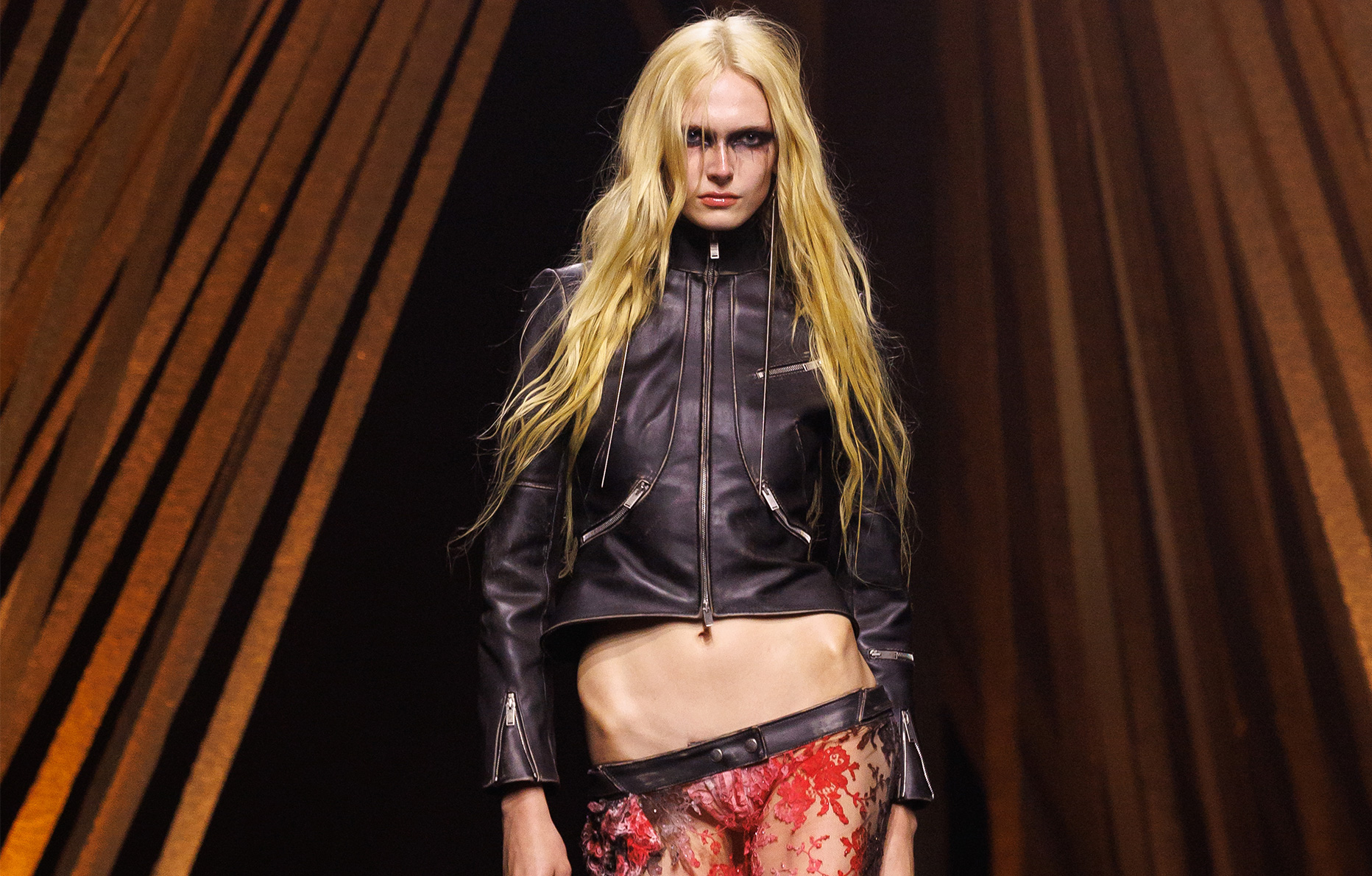
Just a few weeks earlier, the designer had unveiled his own collection, Duranimal, photographed by Juergen Teller, which featured bold, animal prints layered in total looks. His first collection for Jean Paul Gaultier displayed the same creative audacity. It embraced camp and channelled the Gaultier spirit in today’s world, rather than rehashing his codes in a reverent or overly polished way. The iconic sailor top, for instance, reappeared as a suit pairing a corset and cycling shorts in circular op-art stripes, worn by a man. The traditional torero silhouette was reimagined with a cropped bomber jacket. A white Marilyn-style dress was held aloft by a hidden structure. The Tattoo collection was revisited in a three-dimensional ensemble.
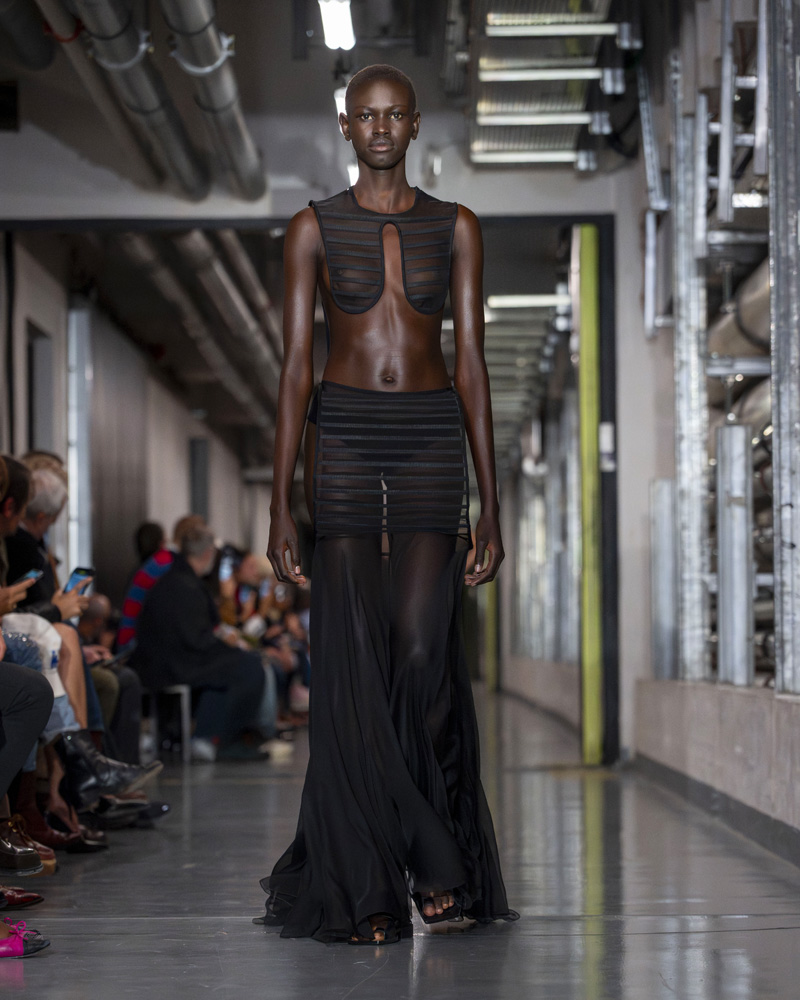
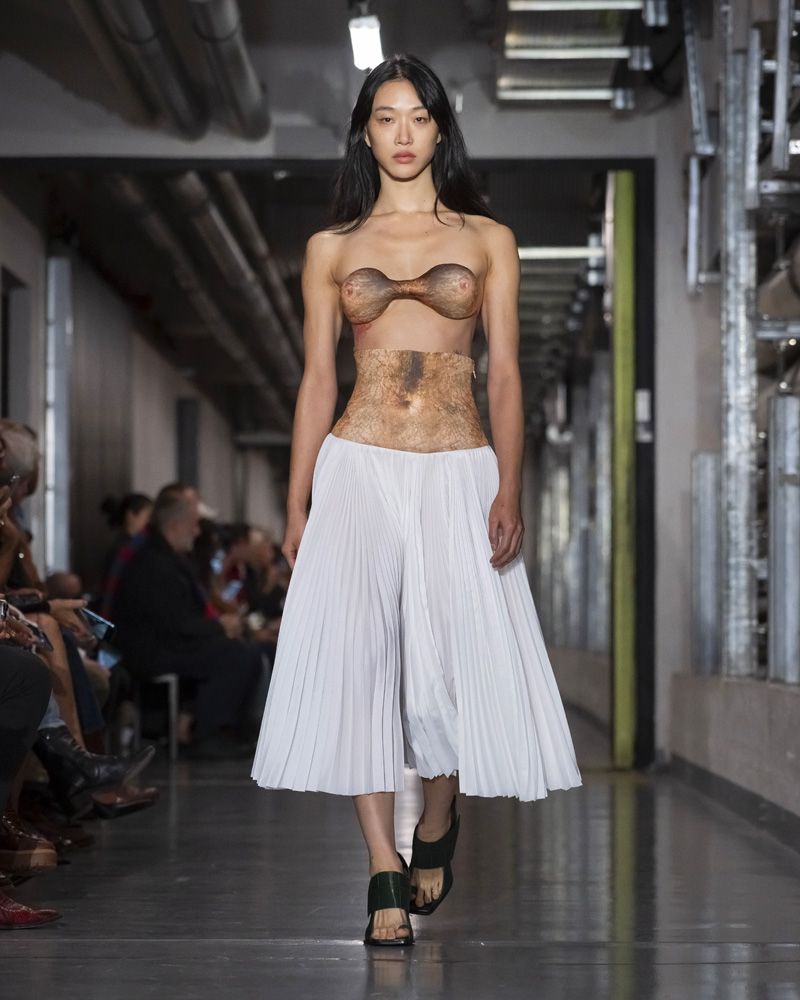
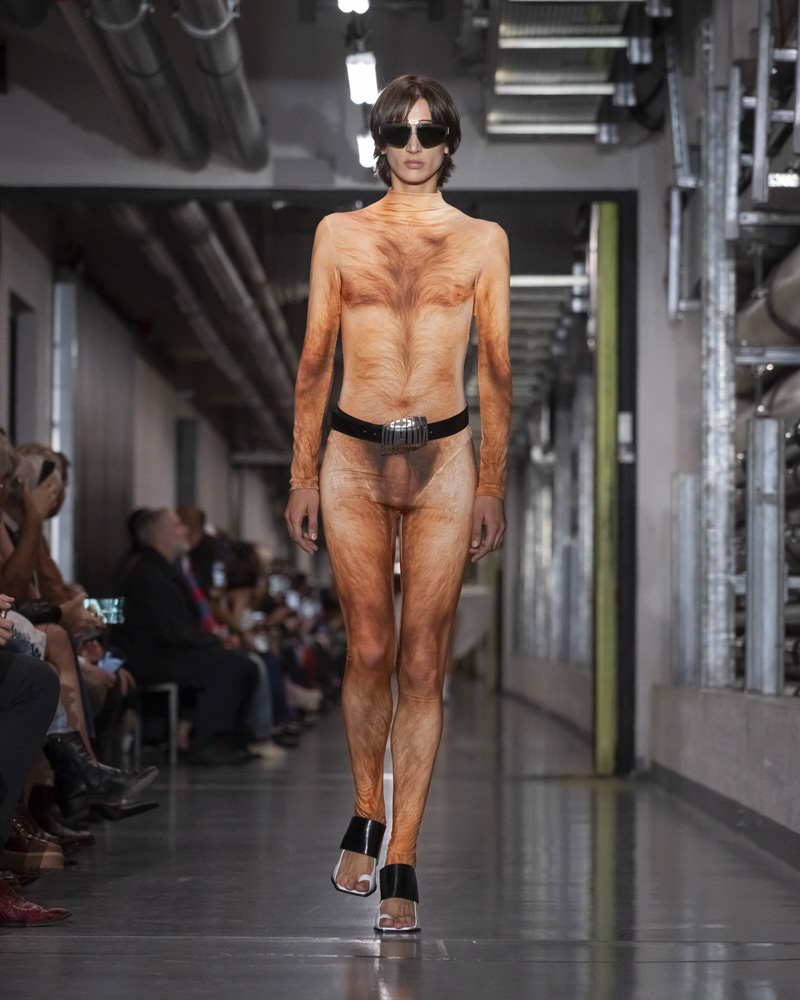
At a time when exposing one’s body has become a form of self-assertion and a performative act of identity, Duran Lantink proposes an uninhibited and ironic approach to the body — rethinking what should be shown or concealed, playing with artifice and illusion. He dares to challenge notions of taste, treating them as critical tools for revisiting aesthetic, social, and moral norms — much like contemporary artists do.
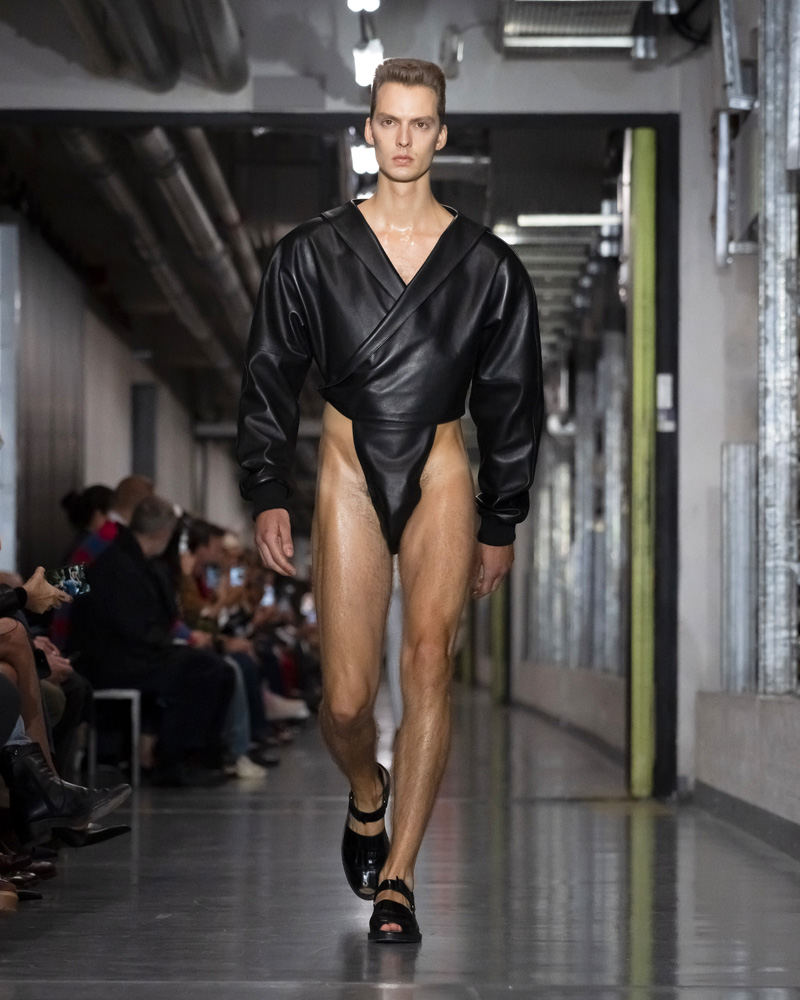
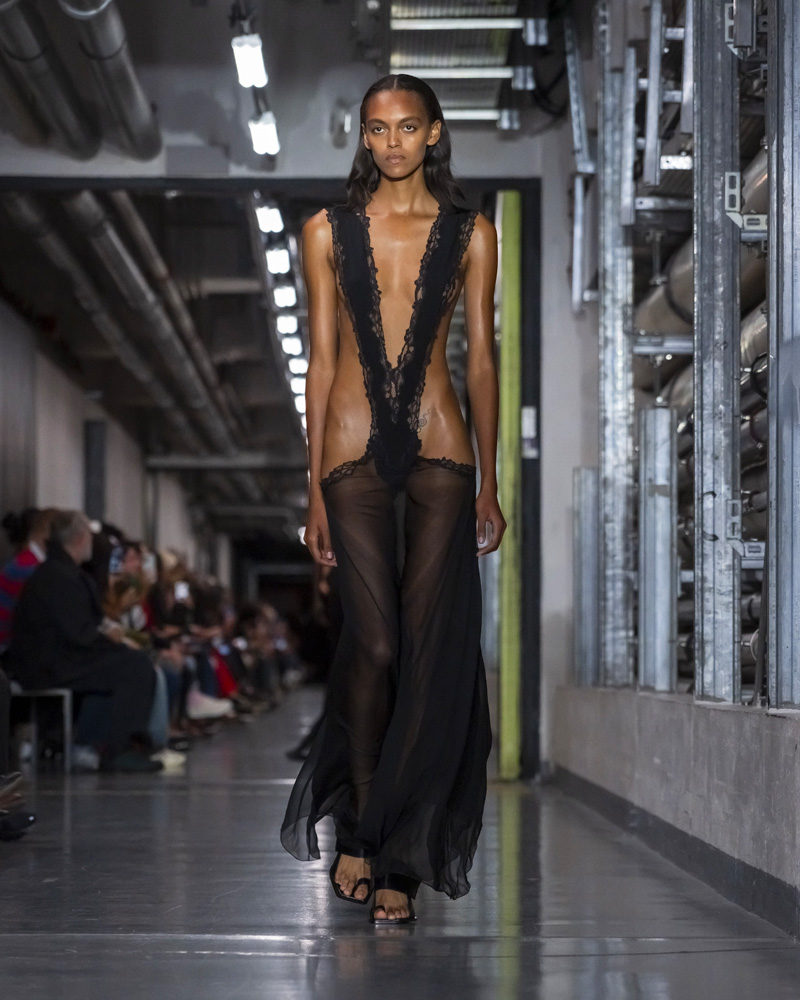
In the 1980s, Jean Paul Gaultier fully embraced the cult of the body that emerged through the rise of aerobics and the steroid-fueled heroes of cinema such as Sylvester Stallone. His fragrance Le Mâle, created by Francis Kurkdjian in 1995 and celebrated this year on its thirtieth anniversary, has since become a symbol of one of the couturier’s greatest revolutions: eroticizing the male body and helping to liberate the imagination.
From those years of the 1980s and 1990s, when pop music reigned supreme through the music videos broadcast on MTV, Jean Paul Gaultier became more than a designer — he was a provocateur, a social commentator who helped shape conversations around gender and taste. Inspired by the raw energy of life and the street, his most iconic creations earned him the enduring devotion of audiences who still flock to his runway shows: dressing men in skirts or corsets, women in mobster or banker suits, including scarred boxers and “oversized” models on his catwalks.
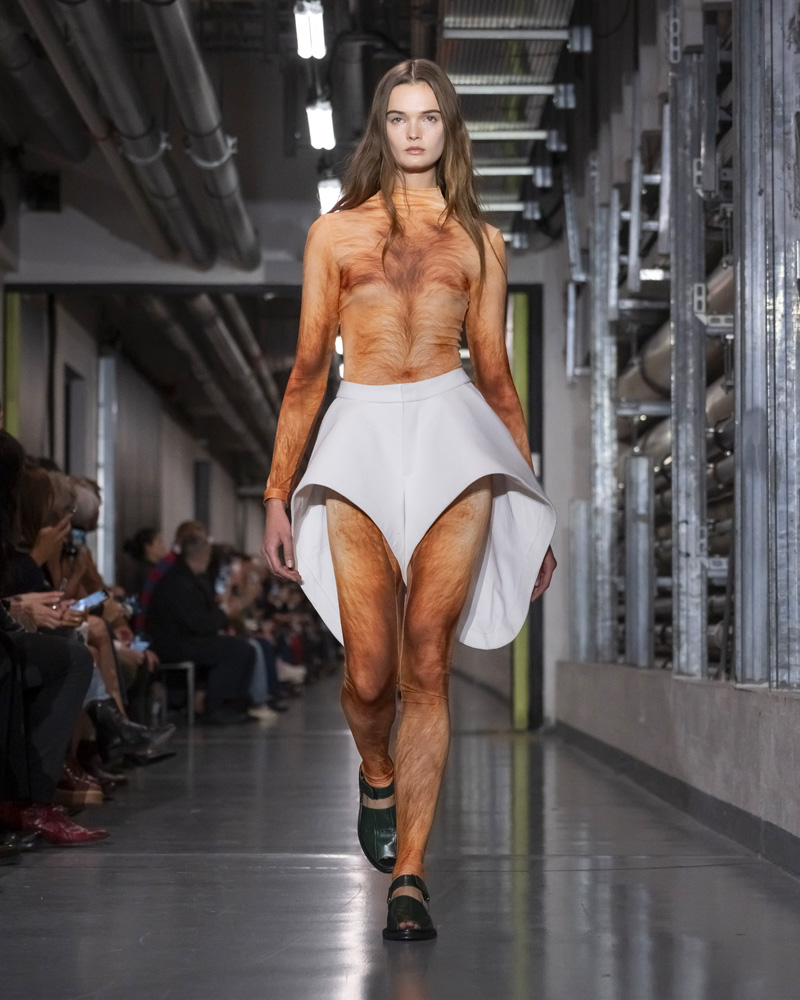
If “gender trouble” and the body are the cornerstones of the cultural edifice Jean Paul Gaultier built, then Duran Lantink brilliantly reinterprets these questions through the lens and logic of his own time. Where the Parisian couturier once created clever trompe-l’œil tops that playfully adorned men with sculpted pecs and abs, Lantink now sends women down the runway in catsuits printed with abundant masculine hair — even with a penis.
The inventiveness and audacity of this young artistic director, combined with his ability to design innovative silhouettes and deliver energetic, highly covetable pieces, such as patchwork-style jeans, clearly open him the doors to a dazzling future.
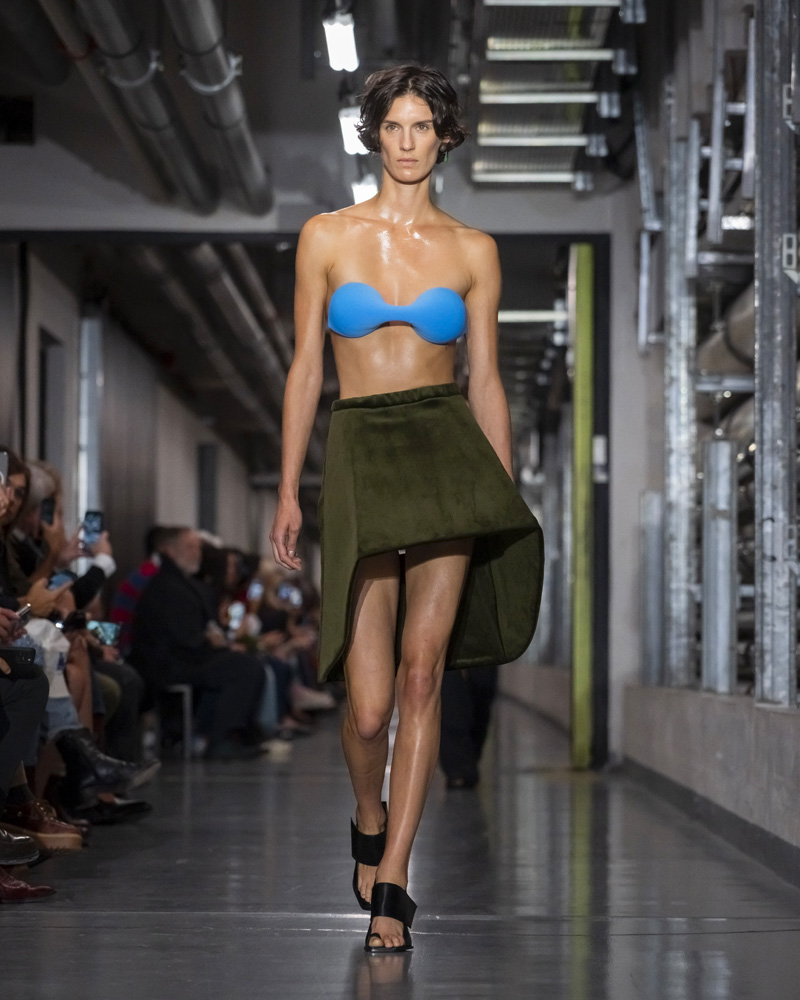
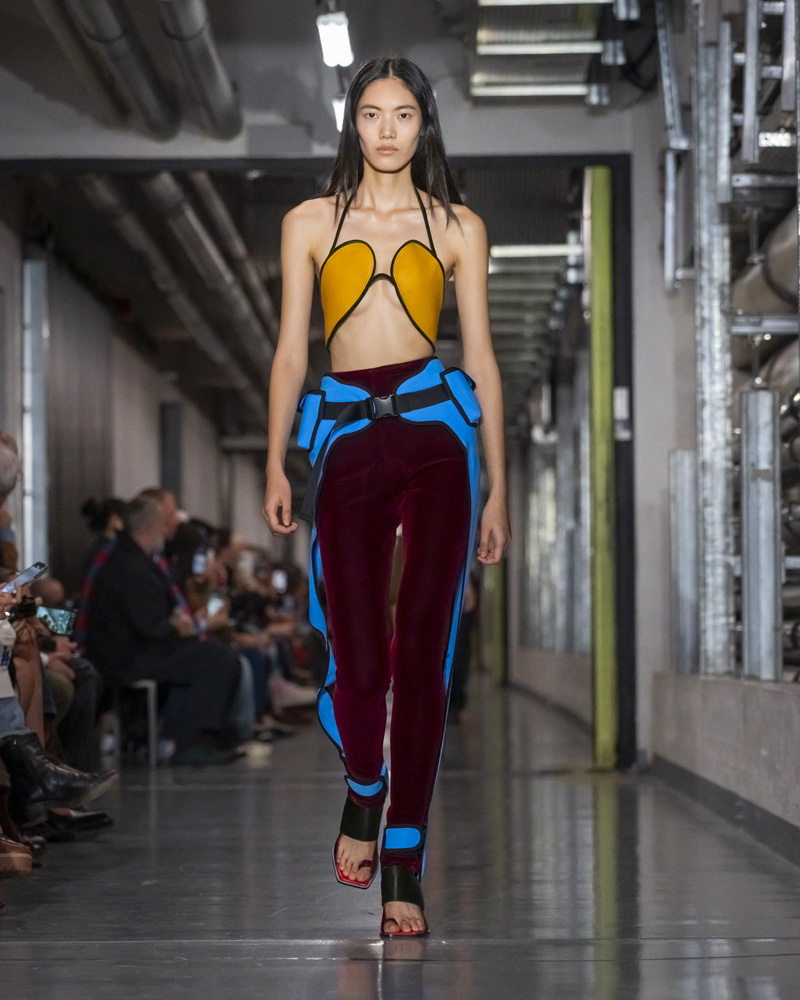
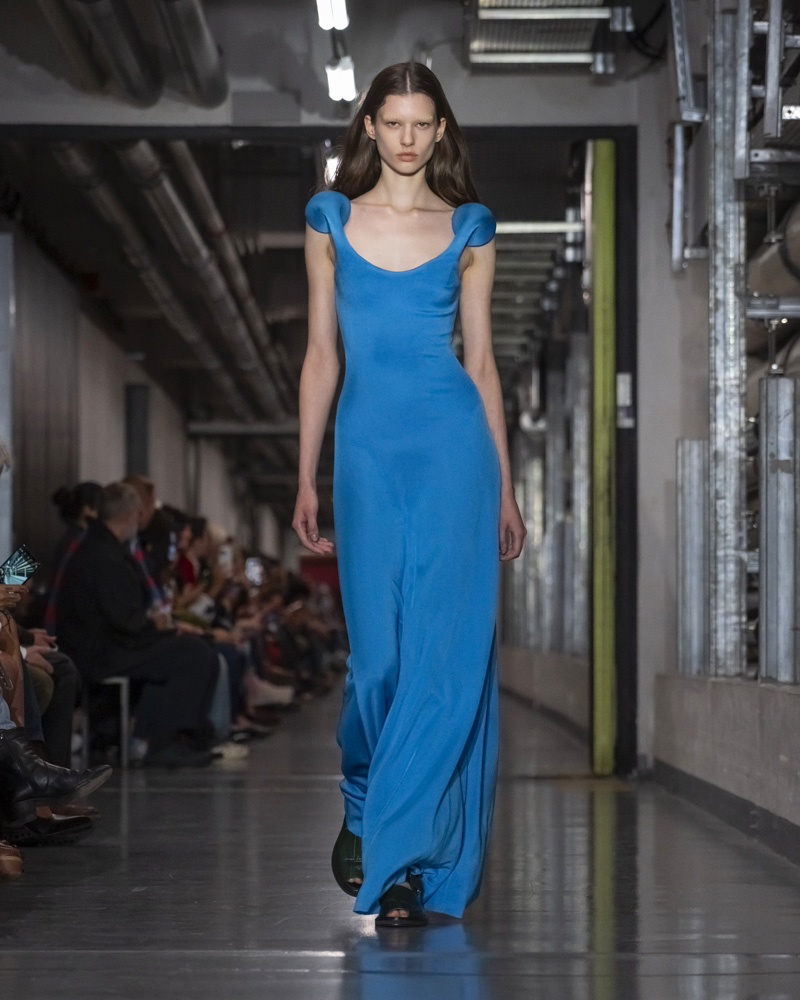
All the looks from the Jean Paul Gaultier Spring/Summer 2026 show.