
7
7


We listened to Rosalía’s monumental new album, Lux, in her presence
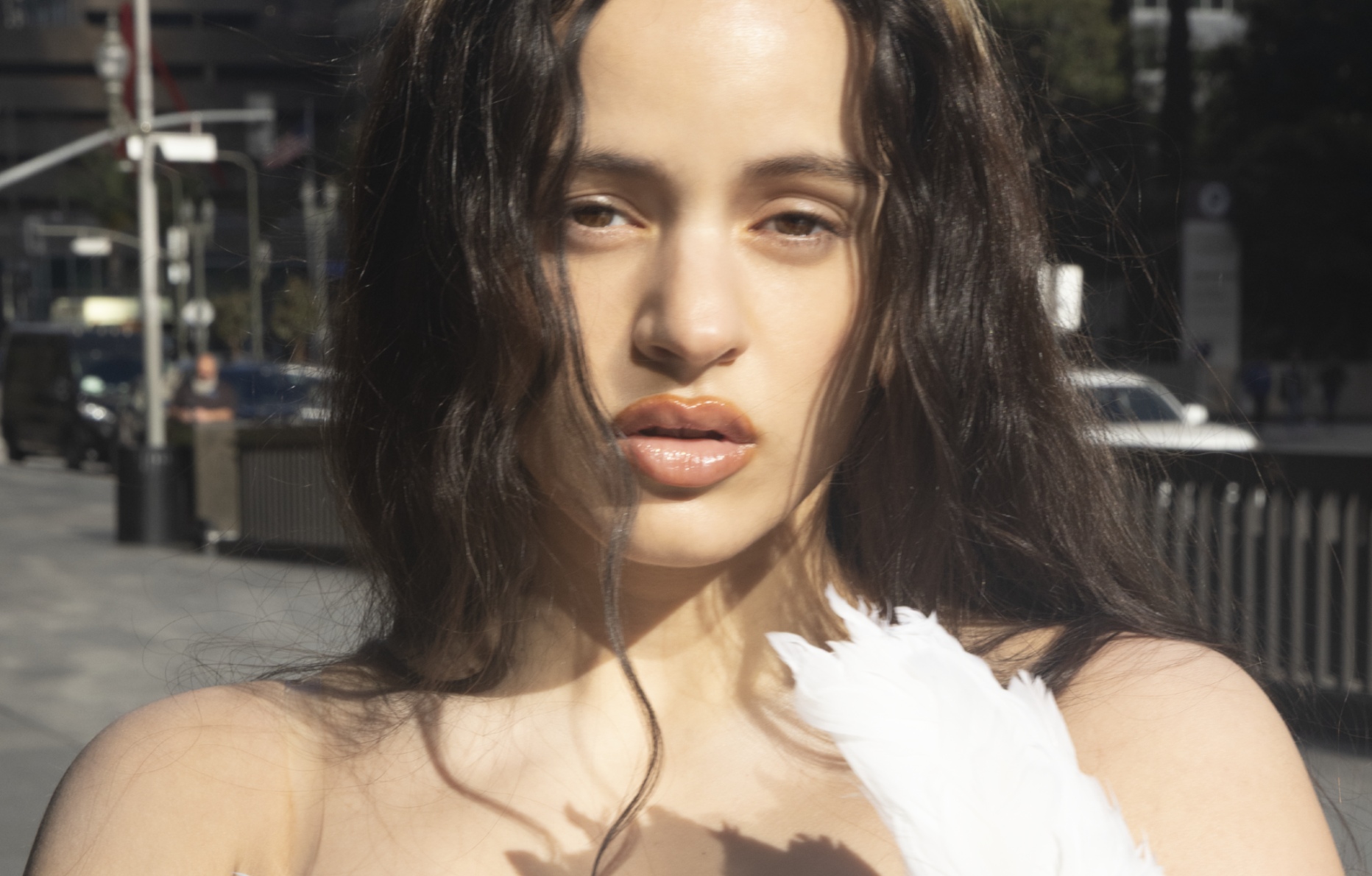
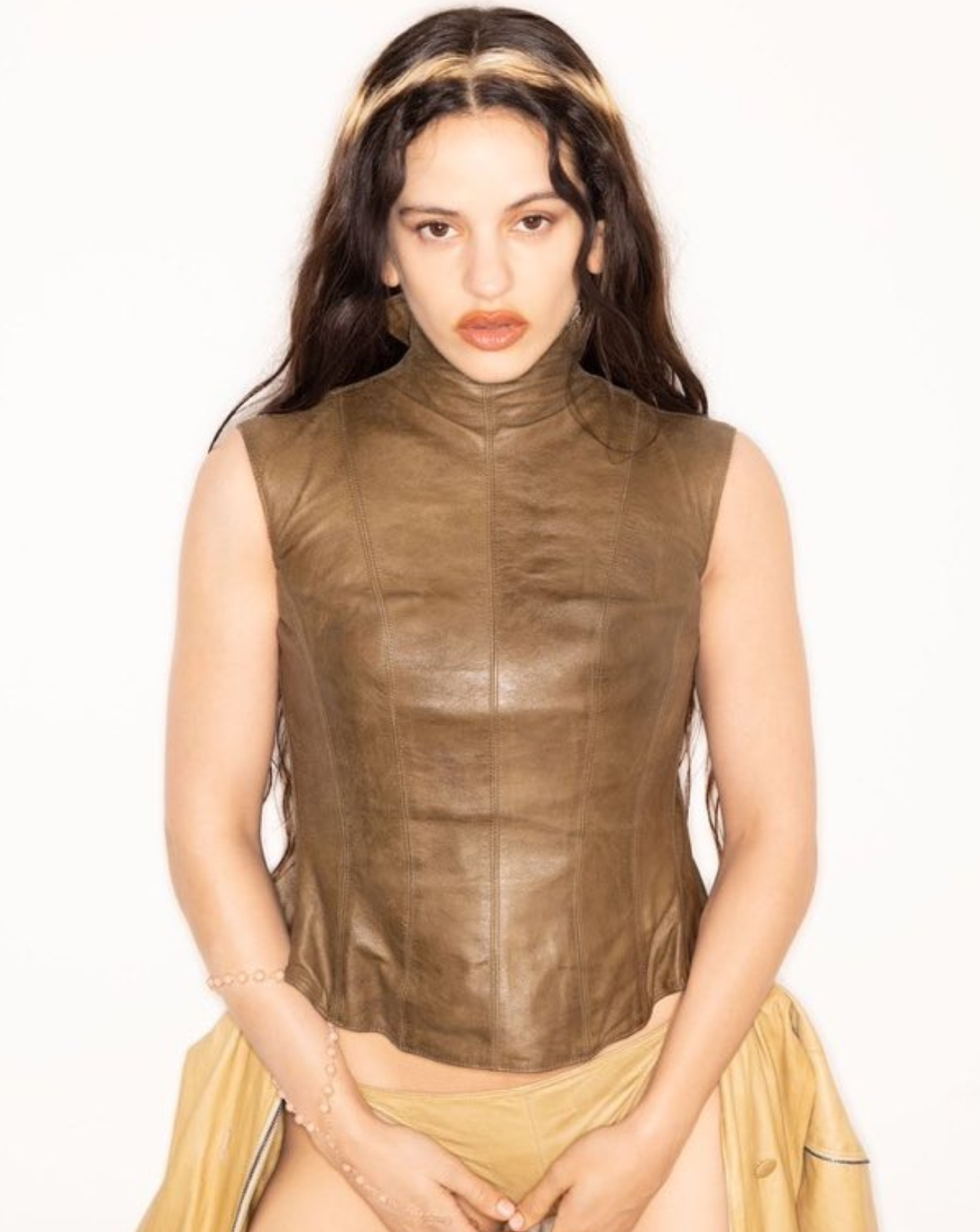
The brilliant Spanish singer Rosalía will release her fourth album, Lux, on November 7th, 2025, following the widely-acclaimed Motomami. After redefining pop music by adding a touch of reggaeton, she now embarks on a journey exploring sacred and orchestral music. The result? A radical, liturgical experience shared with the artist herself, as we listened to her latest opus with reverence in a small gathering.
By Violaine Schütz.
Published on 7 November 2025. Updated on 10 November 2025.
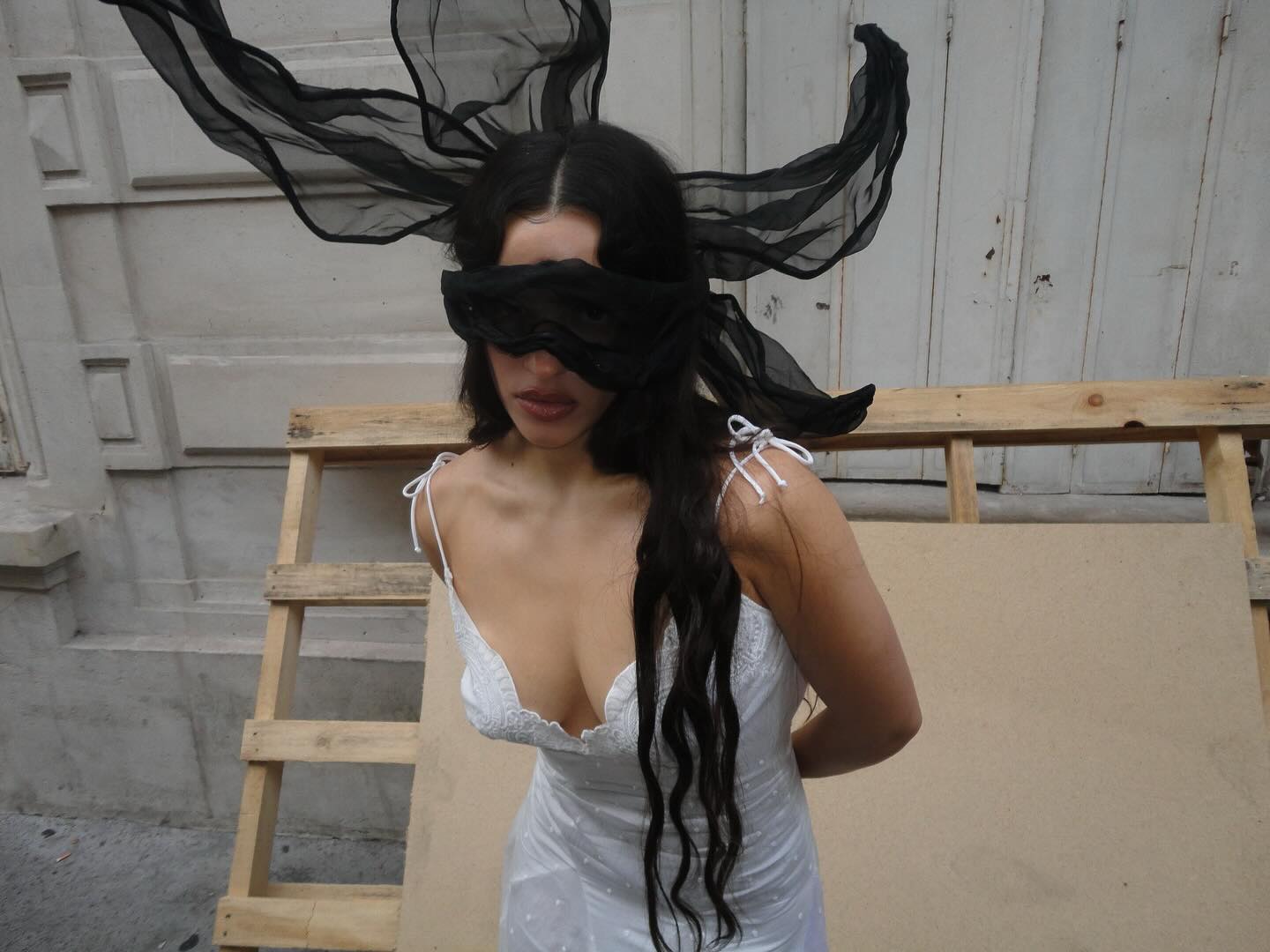
Rosalía is back with her album Lux
In the age of streaming, TikTok, and algorithms, it has become quite rare to listen to an album from beginning to end, without a phone or any other distraction… Paying contemplative attention to the lyrics and sounds, as an act of faith driven by a visceral passion for music. A near-sacred, transcendent experience we lived during the Paris Fashion Week in the midst of a thunderstorm.
Indeed, in early October 2025, we were invited by Sony, Rosalía’s label, to a listening session for the singer’s new album. At the time, we knew absolutely nothing about the album, not even the title, which would turn out to be Lux. And there was light… In the striking Espace Niemeyer, a retro-futurist den designed by the famous Brazilian architect of the same name, we gathered with a few faithlful listeners to hear a record whose only visible elements were the lyrics (translated into French) and the track titles, projected onto a giant screen. The first notes of the album rang out, and the surprise was total.
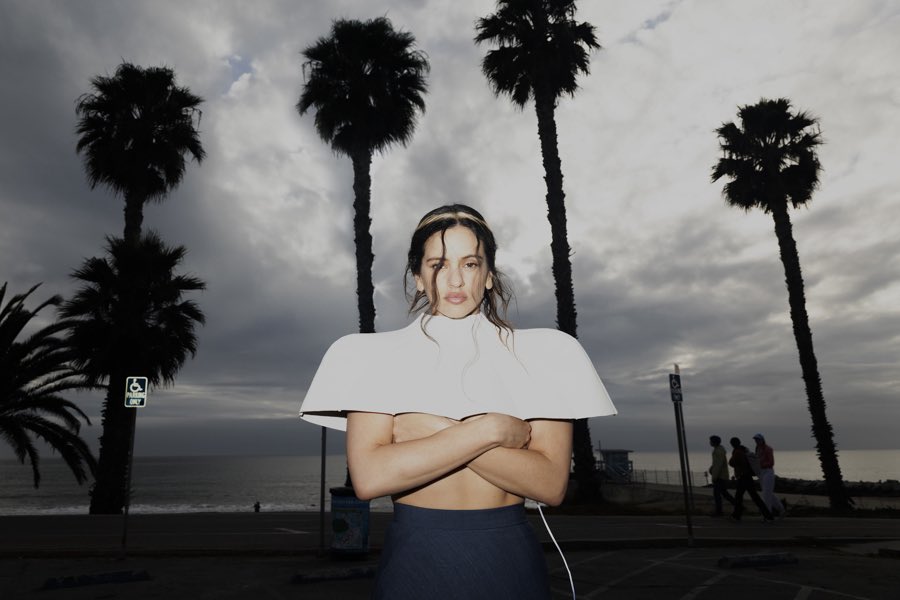
A sacred listening session in Paris with the artist
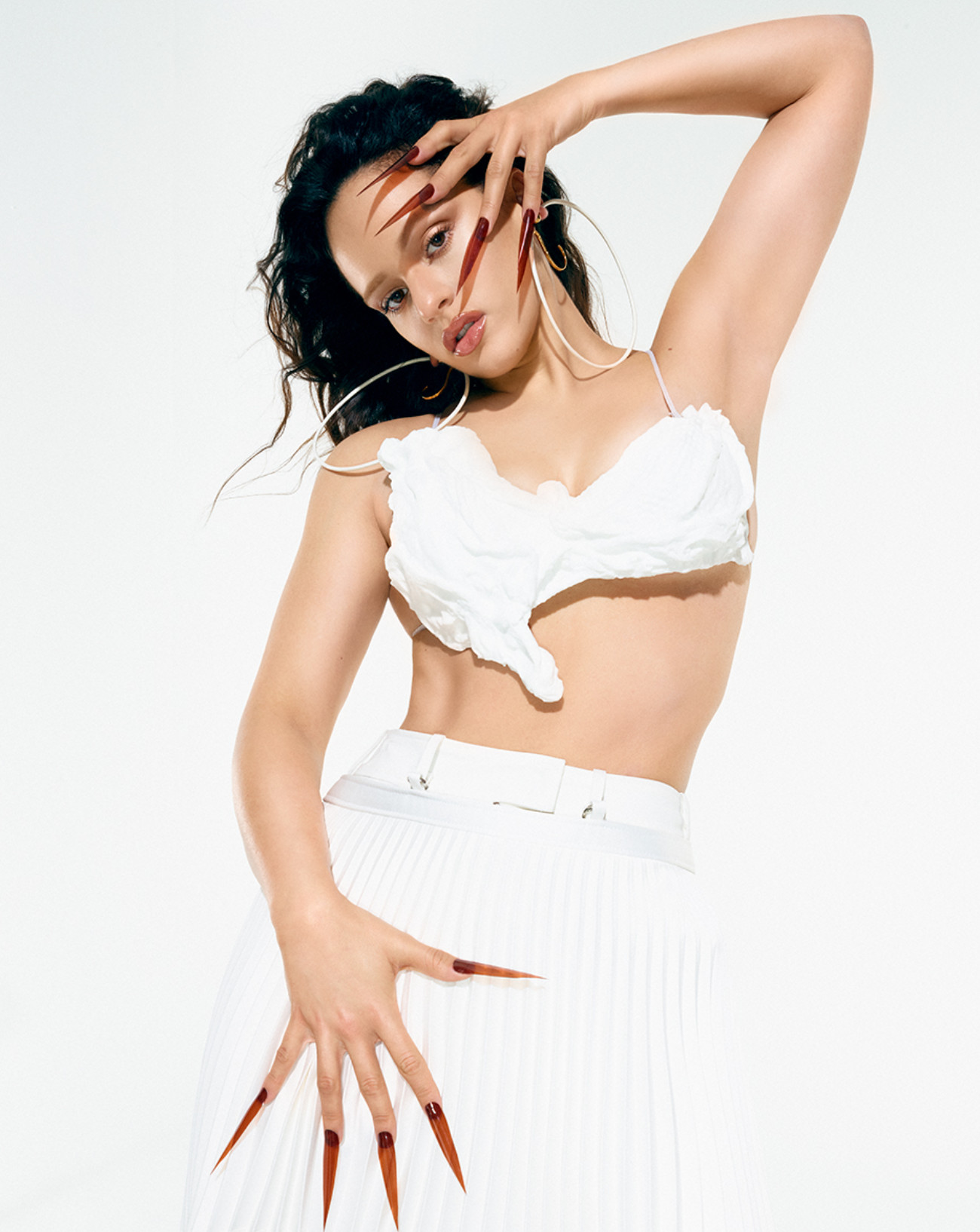
We last saw Rosalía donning a motorcycle helmet, skintight suits, and a pouch full of glossy pop-reggaeton hits. Indeed, in 2022, the brilliant singer-songwriter redefined pop, infusing it with bold electronic experiments in her record Motomami. Powerful and daring, that record leaned into sensuality and the danger, with music videos and live performance showing off the very carnal charm of the Spanish musician, producer and actress. It was simply mesmerising.
But now, at 33, the age long attributed to Jesus Christ, Rosalía is venturing into new realms – that of the sacred, baroque, orchestral and classical music. The visuals, musical scores and halo dyed into her hair she shared on social media already hinted at the start of her new era. For months now, the singer has been gradually revealing signs of her new artistic direction. She was often seen wearing virginal colours, sometimes with a rosary in her mouth, or posting pictures of a beam of light breaking through the sky.
We could also begin to reflect on two quotes printed on the vinyl and CD editions of Lux, which gave us a sense of the album’s tone. “No woman has ever claimed to be God,” a line from the Muslim poet Rabia al-Adawiyya, and “Love is not consolation, it is light,” from Simone Weil.
An ode to the sacred
In Lux, coming out this Friday, November 7th, the singer invites us to a grand mass awash with choirs, strings, and brass. The audience gathered in the Espace Niemeyer – a venue with a high ceiling drenched in metallic lights – was immediately plunged into a state of ecstasy by this emotional torrent. From the very first, heartbreaking track, Sexo, Violencia y Llantas, Lux immersed us in a trance-like state. And tears soon began to flow in face of that epiphany. We were no longer really dealing with pop music here, but with a demanding baroque symphony drawing on classical and opera, punctuated with gentler flamenco and fado pieces to ease the pace.
Rosalía’s new album was recorded with the London Symphony Orchestra. The singer will be joined by the iconic Björk – her collaborator on the 2023 track Oral – as well as Yves Tumor, flamenco star Estrella Morente, Spanish singer-songwriter Silvia Pérez Cruz, fado singer Carminho, Yahritza and a boys choir. We can also hear an excerpt from an interview of Patti Smith. And Guy-Manuel de Homem Christo, former half of Daft Punk, co-produced the track Reliquia.

Patti Smith and Björk as her guardian angels
The ambitious singer did nothing by half with Lux. She sings in thirteen languages, including Spanish, Castilian, Catalan, Portuguese, English, German, French, Ukrainian, Arabic, and Hebrew… The artist has been heavily criticised for her silence about the situation in Palestine and the state of the world at large. But singing in Arabic and Ukrainian in 2025 is no trivial gesture. It is as if she were trying to reconcile everyone in a mystical surge of rare beauty.
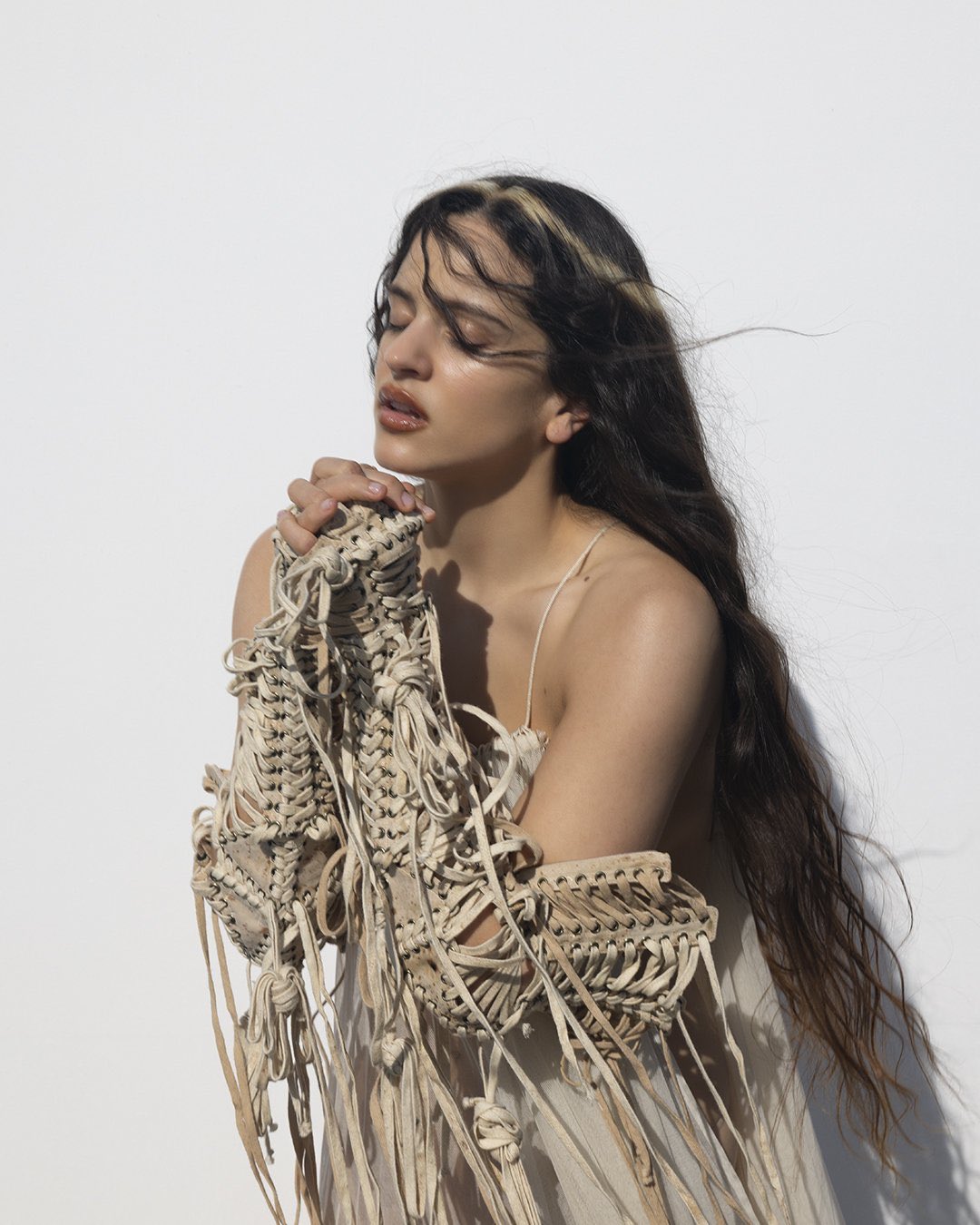
A tension between terrestrial and divine
Lux oscillate between orchestral tracks that seem to mirror the chaos of the world and a more intimate inner turmoil. Wounded, Rosalía speaks of heartbreak with a touch of humour. On La Perla, she speaks of a disappointing lover as a “total fiasco, a world-class asshole,” an “emotional terrorist,” who “deserves the gold medal for biggest son of a bitch.” A reference to one of her exes, perhaps rapper C. Tangana, actor Jeremy Allen White, or singer Rauw Alejandro. We’ll never know.
Aside from disillusioned love, the other themes running through the album are Religion, spirituality, transformation, femininity and light. The tracklist includes songs like Violencia y Llantas, Dios Es Un Stalker, Reliquia, Diviniser, and Sauvignon Blanc. The lyrics of Lux are, for the most part, poetic and well-crafted, invoking God, relics, and saints with difficult lives. Born in Sant Cugat del Vallès, Catalonia, but now living in Los Angeles and moving in Hollywood’s elite circles, the artist seems torn between the carnal, the earthly, the superficial and the divine. In one standout track featuring words in Mandarin, she condemns the sex-doll industry. As a fashion muse and brand ambassador, the star nonetheless declares war on capitalism.
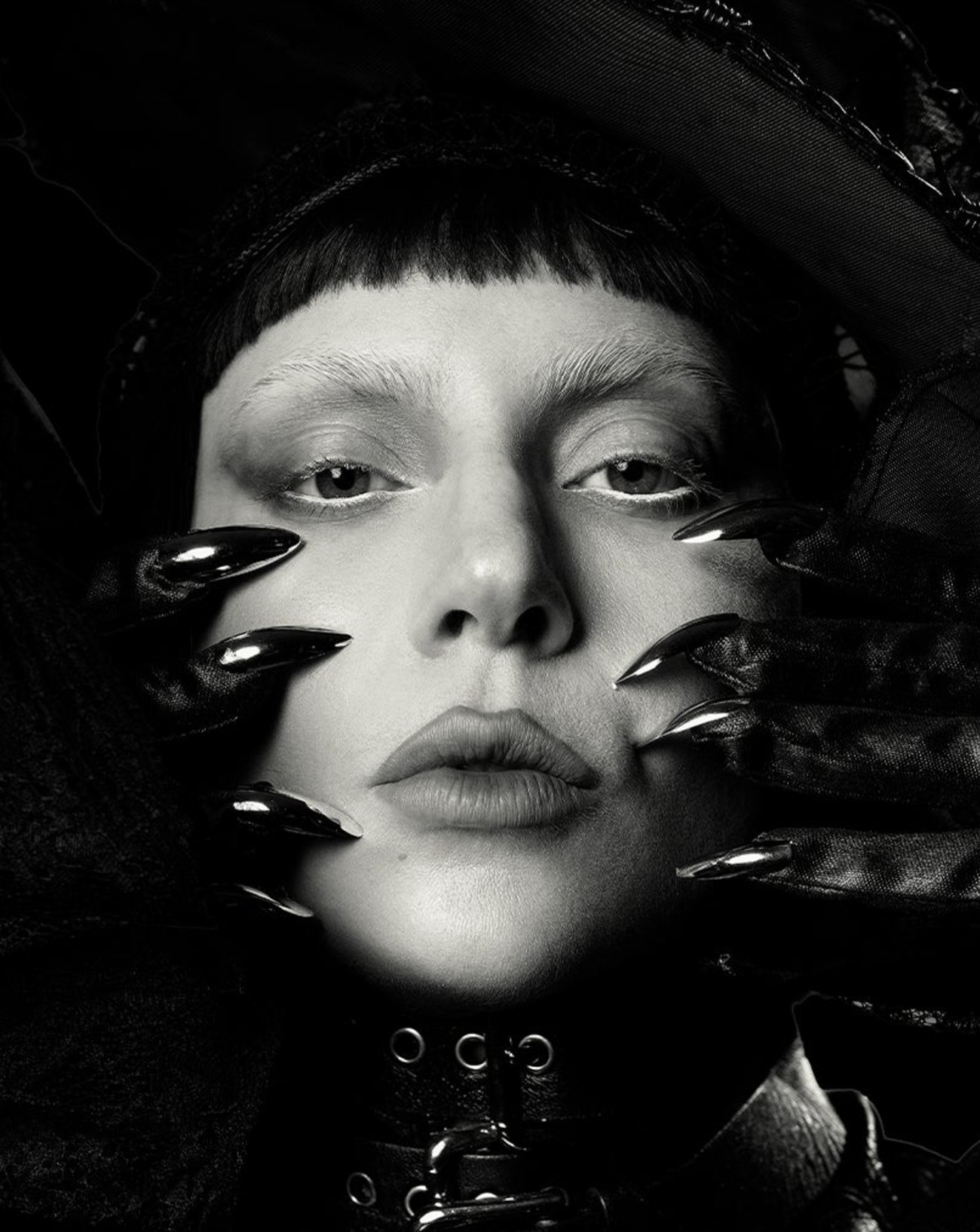
In the end, Lux is a triumph. Undoubtedly the most monumental work of her career. Its power also lies in the mystical aesthetic crafted by the star. In the tradition of Madonna, who praised the album on social media, the Spanish artist reclaims the sacred symbols. On the album cover art, Rosalía poses like a saint, dressed entirely in white with a veil over her head. The sculptural outfit, designed by AlainPaul, resembles an ultra-chic straightjacket. A new musical tour de force.
Berghain, the first epic single of Rosalía’s new record
The dreamlike video for Berghain, released on October 27th, 2025, to accompany the epic, baroque, Vivaldi-inspired first single is also remarkably powerful. Shot in Warsaw, the video shows the singer moving between the sacred and the profane, the mundane and the majestic, the urban and the natural – she appears surrounded by animals like in a fairy tale.
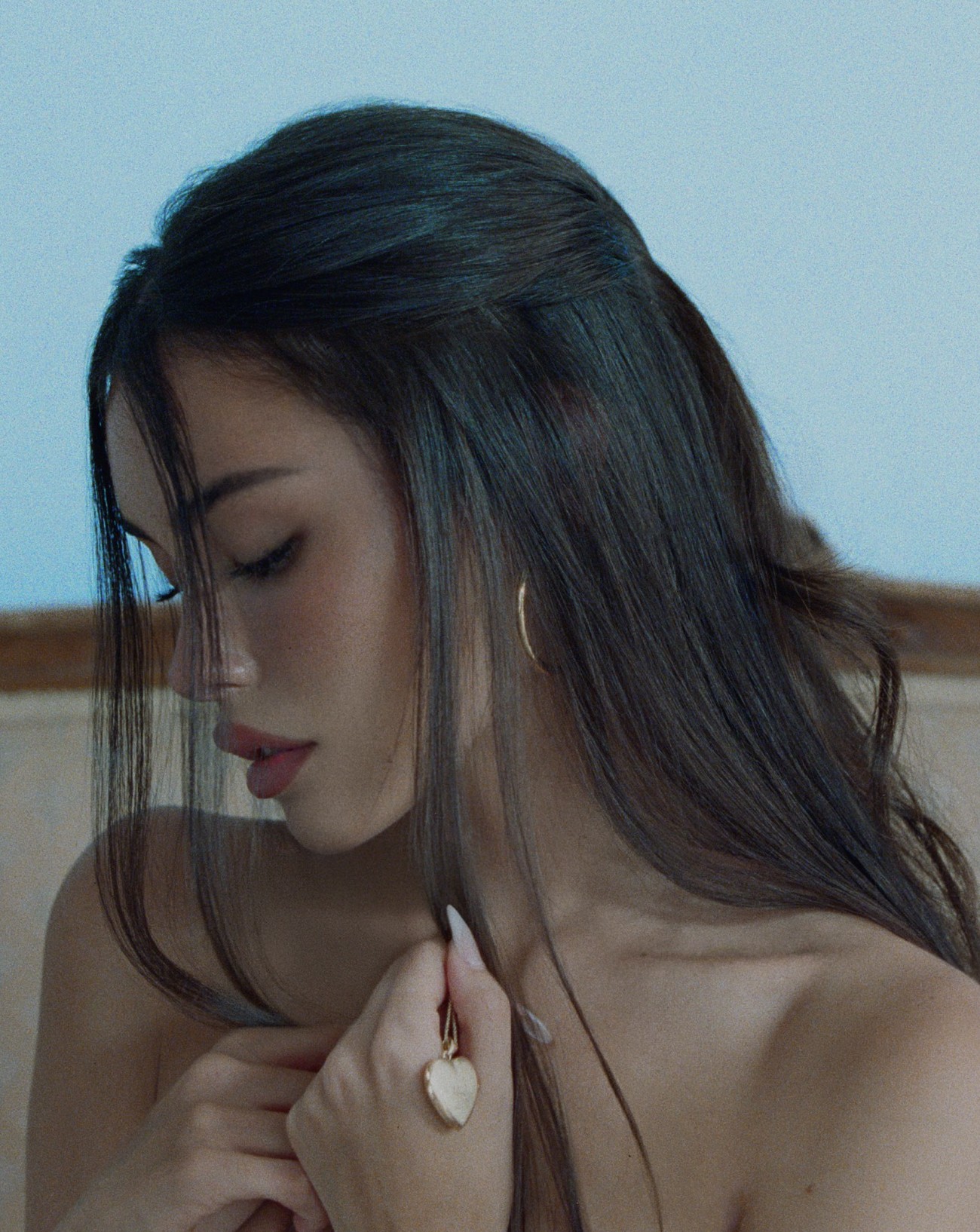
Everyday elements, like a subway ride, ironing session, or outdoor coffee, are elevated by the sudden appearance of classical musicians. As if the voices and (troubling) thoughts inside the artist’s head were made visible all of a sudden. The singer appears as a brokenhearted woman trying to piece her heart back together. In one particularly mystical scene, she is shown devouring a heart-shaped medallion as if it were a wafer. Or wearing a pair of sandals adorned with a rosary designed by Alexander McQueen in the 2000s. Already iconic.
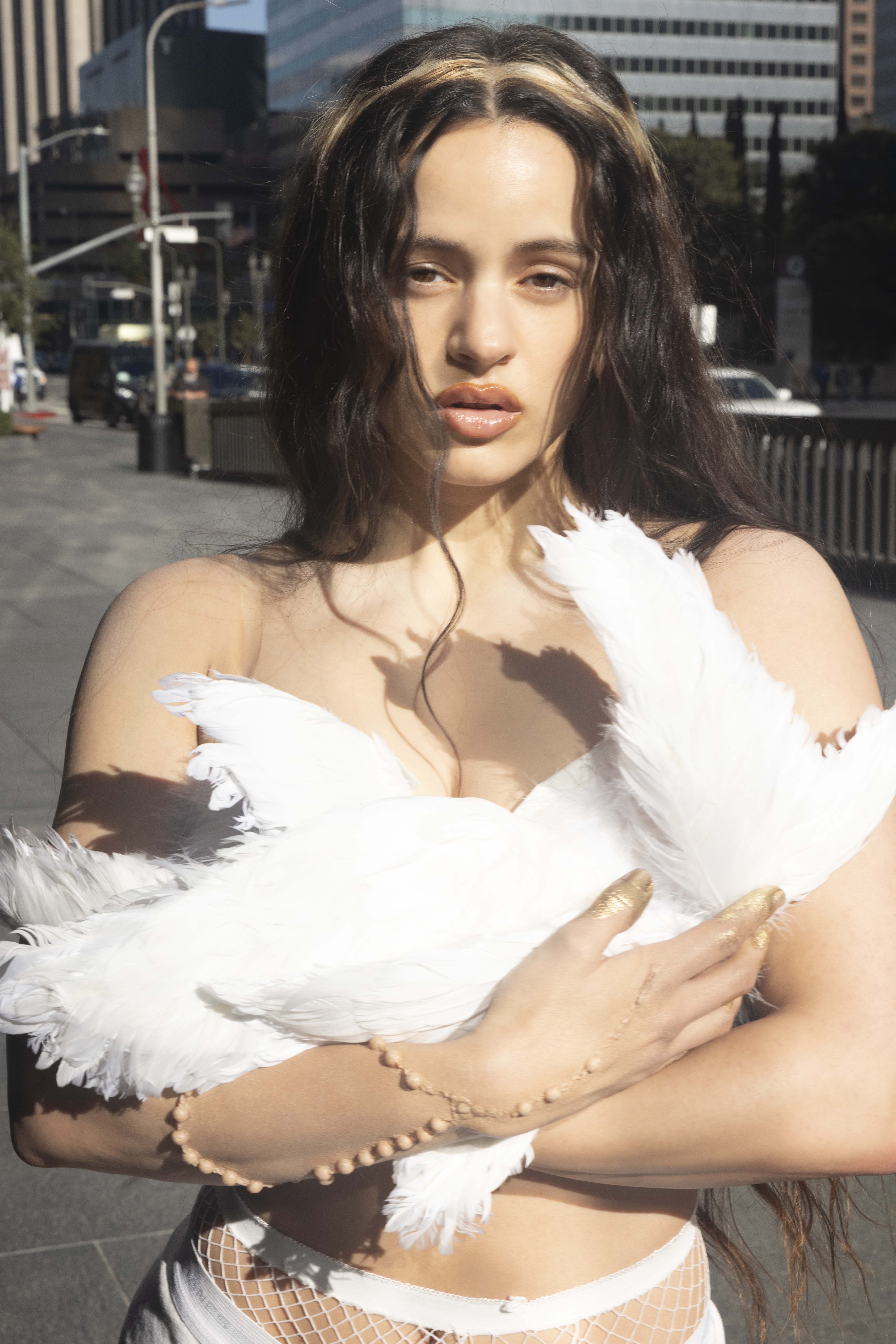
Harrowing stories of saints
She also shared a few details about how the album, structured in four movements, was made. She spent three years on it. One full year was dedicated to the arrangements, and another to the lyrics. She wrote songs in other languages using Google Translate, but didn’t use AI to correct her accent. The singer also spoke about the inspiration she drew from classical music.
The singer explained that she conceived this opus as a kind of hagiography centred on feminine mysticism. “I searched for saints from different countries and their stories by looking at a map. I studied the lives of saints and spiritual figures from all over the world. It was almost like an investigation. The languages used in the tracks correspond to them. Jeanne, in French, for instance, talks about Joan of Arc. Nothing was made randomly. Their lives echo each other. I had drawn up a plan and was tracing connections between them.”
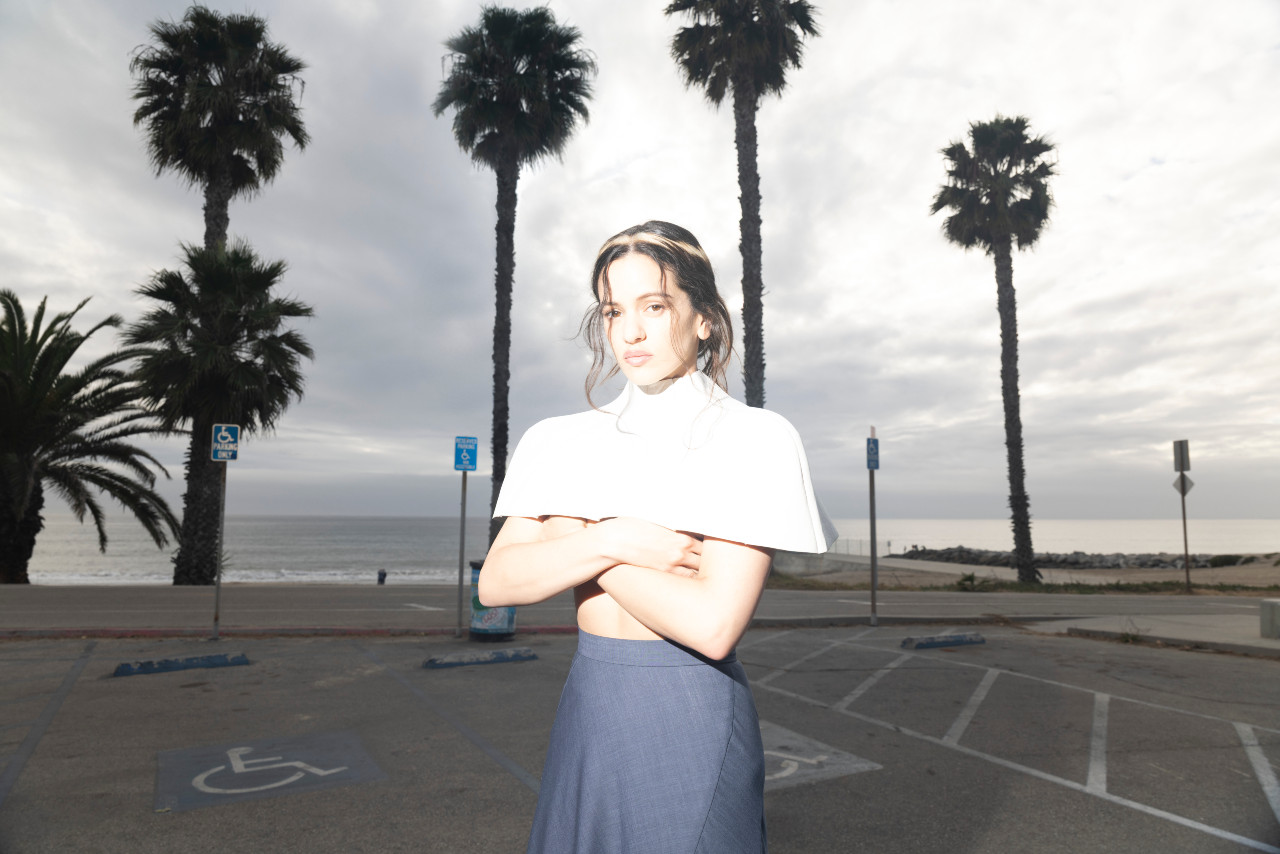
“I tried to be freer, both in my lyrics and in my compositions.” Rosalía
Still speaking after the listening session, she shared: “I tried to be freer, both in my lyrics and in my compositions.” Rosalía even allowed herself “an aria in Italian” in the sublime Mio Cristo. “I tried to sing an aria,” she says as others might try their hand at flipping a crepe. It says a lot how demanding she is with herself, at a time when so many others ride the wave of ready-made formulas. The Spanish artist is a rare kind of artist, one who pushes herself tirelessly, facing any obstacles or risk with confidence. Lux is anything but commercial and none of its tracks seem designed for radio stations.
Fans of the hit Despechá (2022) may find the radical and intense Lux a true Stations of the Cross to get through. The spiritual Rosalía of 2025 bears little resemblance to the singer of Motomami. But those who first discovered her through the feverish albums Los Ángeles (2017) and El mal querer (2018) will be attuned to her liturgical and dramatic depth. They will likely be pierced by the light and fervour of this mystical fresco, already standing out as one of the most beautiful and moving records of the year. With her latest album, Rosalía might even convert Gen Z to orchestrated music.
Lux by Rosalía, coming out on November 7th, 2025.