
16
16


Tribute to the king of nu soul D’Angelo
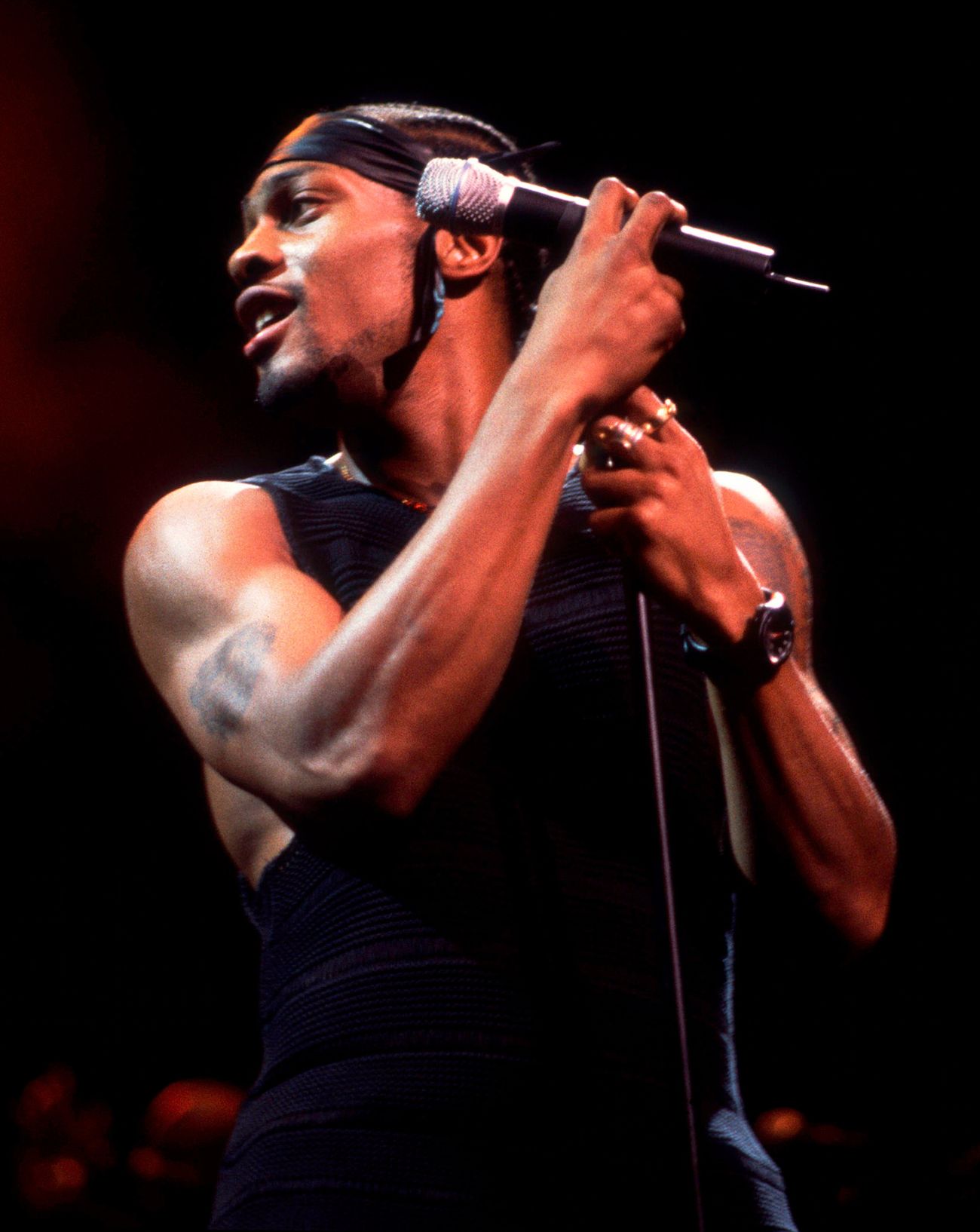
The undisputed icon of nu soul D’Angelo – born Michael Eugene Archer – passed away on October 14th, 2025, after a long battle with cancer. As the creator of a sensual and mystical groove, he leaves behind a rare and transformative body of work, from Brown Sugar to Voodoo. A guiding light for modern R’n’B, who has left an indelible mark on African-American music.
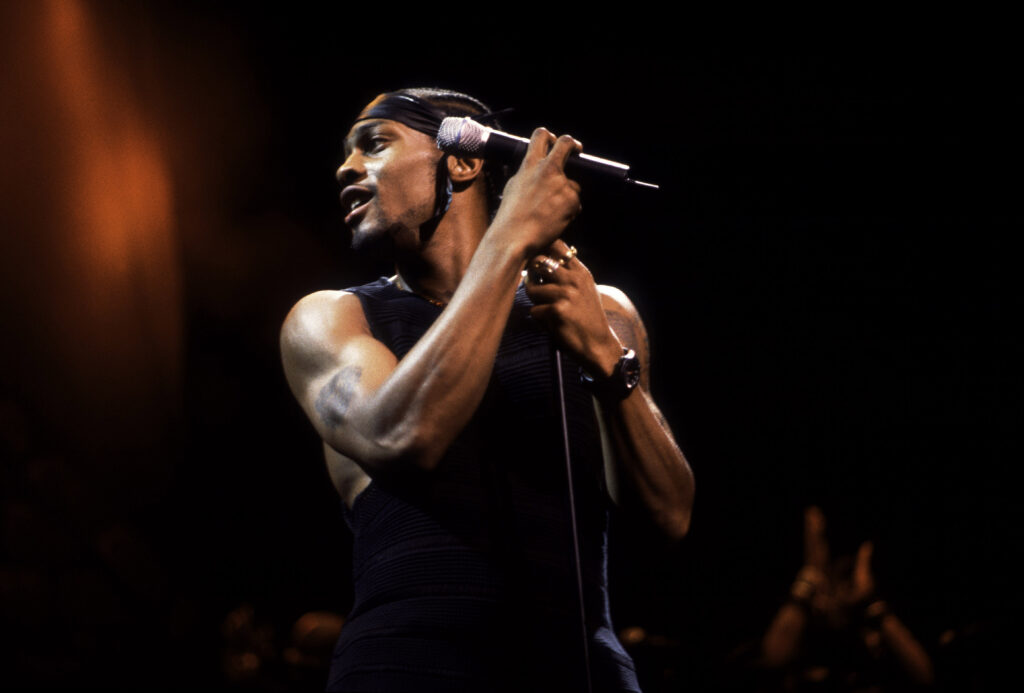
The king of nu soul D’Angelo has died
He belonged to that rare breed of artists who transcend their time to the point of becoming an adjective. A track was coined “D’Angelo-esque,” just as one might call a film “Lynchian.” As a definitive figure of nu-soul, the artist embodied the genre’s shadowy sensuality and spiritual fervour, both of which he helped define.
On October 15th, 2025, Beyoncé, Erykah Badu, Mary J. Blige, and Jamie Foxx paid tribute to one of their peers. Born in Richmond, Virginia, Michael Eugene Archer, his real name, died of cancer on October 14th, 2025. “After a prolonged and courageous battle, we are heartbroken to announce that Michael D’Angelo Archer has been called home, departing this life today,” his family wrote in a simple, elegant statement to honour the singer. The American pianist, guitarist, composer, and producer was just 51 years old.
A prominent figure
D’Angelo leaves behind a body of work that is brief, but essential. One inevitably thinks of Voodoo (2000), a feverish album that composer Christophe Chassol once called “a masterpiece of vocal layering,” referring to the gospel-derived technique in which overlapping voices merge into a single sonic material.
Nu-soul, of which he was the pagan messiah, was born from this fertile hybridization: an alchemy of jazz, funk, hip-hop, and African spiritual memory. In the early 1990s, as classic soul was sometimes fading into the gloss of pop, artists like Maxwell, Omar, and Erykah Badu reimagined it in a more visceral, more organic form. A sensual, syncopated soul that breathed between the beats rather than hammering them. That looseness—that laid-back groove—became its hallmark: a beat after the beat, a breath in the space.
Singer Bilal once summed up this philosophy in L’Express: “Nu-soul is warm music, played with real instruments. A vintage violin instead of a synth—it’s just not the same.” D’Angelo brought to it a spiritual intensity, in the tradition of Curtis Mayfield, Donny Hathaway, and Marvin Gaye.
The journey of a prodigy
Raised in gospel, D’Angelo grew up in a home where music was a language before it was a job. The young piano prodigy learned trance before theory, faith before form. From the very beginning, he stood out as a singular figure in 1990s R’n’B thanks to his sepulchral voice, smooth groove, and almost-mystical presence.
His debut album, Brown Sugar (1995), upended the grammar of soul – a steamy, incandescent record, rooted in tradition but looking ahead. Voodoo (2000) would complete that transformation, thanks in part to J Dilla, whose imperfect beats infused every bar. But his bare torso in the video for Untitled (How Does It Feel) covers up some discomfort. That of a man trapped in his own myth. “I wasn’t feeling comfortable in that sex symbol role,” he would later admit.
After the storm of Voodoo, silence. Fourteen years of inner exile before the epiphany of Black Messiah (2014), an album blending prayer, rage, and insurrection. In the meantime, D’Angelo honed his craft… Bass lines sculpted by Pino Palladino, the hybrid textures crafted by Charlie Hunter, the sweat of sound as raw material. D’Angelo thus reminded us that beyond the cult, music was far more than just a career for him.
Black Messiah (2014) by D’Angelo, available now.