

23
23


Director Paul Thomas Anderson in 5 obsessions
From Boogie Nights to Licorice Pizza, the 55-year-old American filmmaker has never stopped probing American obsessions. His features are driven by ambivalent figures – gurus, excessive, violent or wandering characters – in a fractured America about to collapse. As his new film, One Battle After Another, starring Leonardo DiCaprio and Teyana Taylor, hits theaters this Wednesday, September 24th, Numéro looks back at five motifs that structure Paul Thomas Anderson’s work.
Par Alexis Thibault.
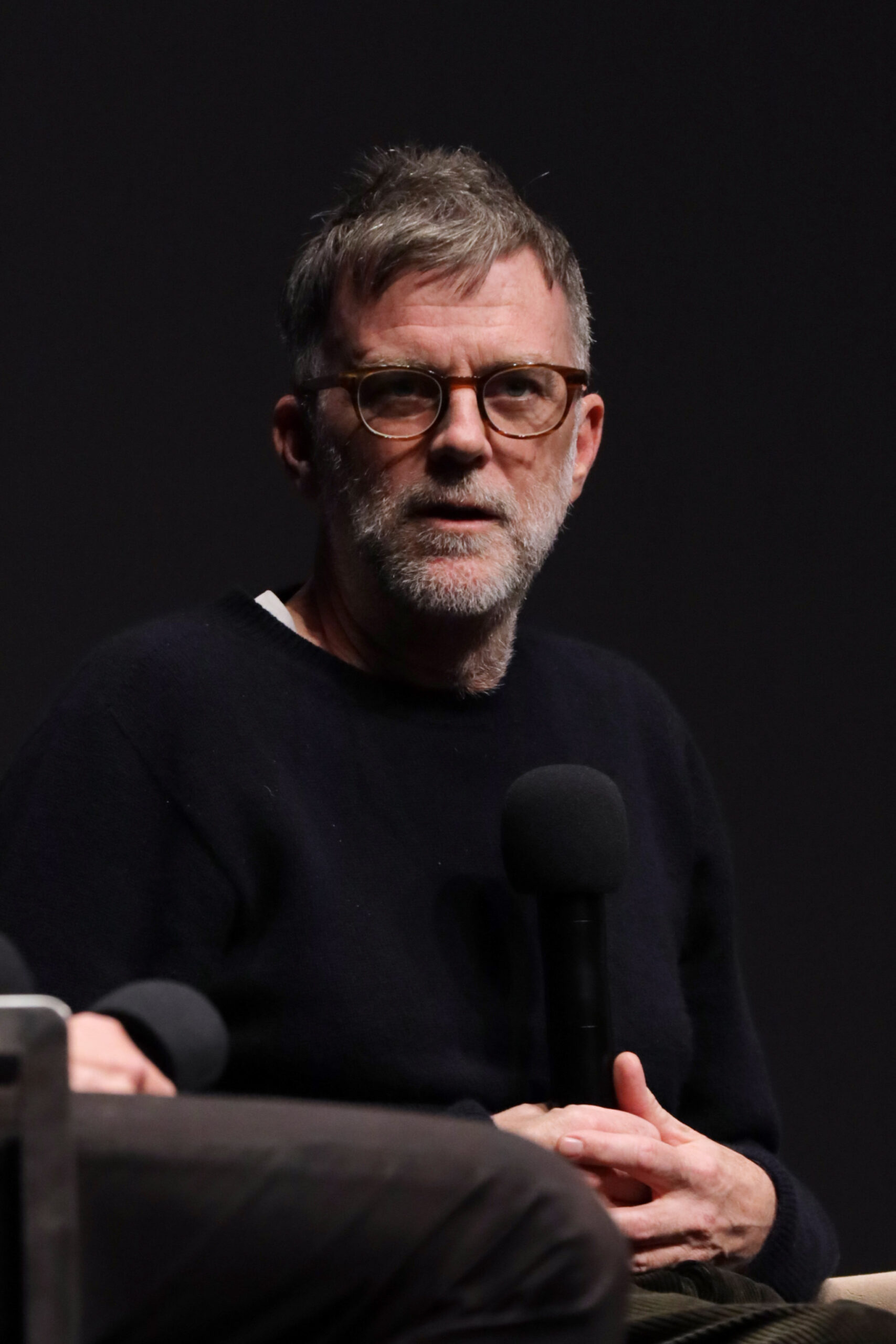
Paul Thomas Anderson is back with a new film
In theaters on September 24th, 2025, One Battle After Another unfolds as a contemporary epic. A father is seeking redemption in an America pushed to its breaking point. The mischievous, yet sharp tongue already present in the trailer hints at a dark comedy, where the quest for a suspended past becomes dizzying.
Four years after Licorice Pizza (2021), Paul Thomas Anderson is back with his tenth feature reinvigorated by a renewed formal enthusiasm. The American director is delivering a haunting odyssey, halfway between a mythological thriller and a visceral staging of impulse. Another deep dive into the furrows of his inner truths.
Like in There Will Be Blood (2007), there is the drive of a man confronted with his shattered ideals. Here, that character is portrayed by Leonardo DiCaprio, who embodies both a fugitive and decisive man in what already appears to be one of the director’s most ambitious films. This time, he weaves a story in which the enemy resurfaces after sixteen years, forcing a group of former revolutionaries to come together to save a child, thus revealing the fragility and resilience of family bonds.
Throwback to five of Paul Thomas Anderson’s obsessions.
Gurus and their communities seen through the director’s lens
In Paul Thomas Anderson’s cinema, there is always this fascination with those who speak louder than the rest. Take The Master (2012), in which Philip Seymour Hoffman plays Lancaster Dodd, a spiritual leader whose words and authority both mesmerises and soothes his audience. Many saw a direct reference to the Church of Scientology, even though the American filmmaker has consistently denied that connection.
The figure of the guide and of an America yearning for new beliefs never comes without its ambiguities. A decade earlier, in Magnolia (1999), Tom Cruise was already portraying a toxic guru, both captivating and repulsive. For Paul Thomas Anderson, the power of persuasion is a form of performance in itself. Fixed gazes, deliberate silences, dialogues that border on incantation… As The Guardian noted upon the film’s release, “influence becomes a spectacle in itself.”
Ultimately, the director is less interested in sectarian aberrations than in the mechanics of charisma. His gurus reflect a society desperately looking for someone to follow, for a common narrative. Cinema then becomes a mirror. Who is watching who? And more importantly, why?
Filming solitude and isolation
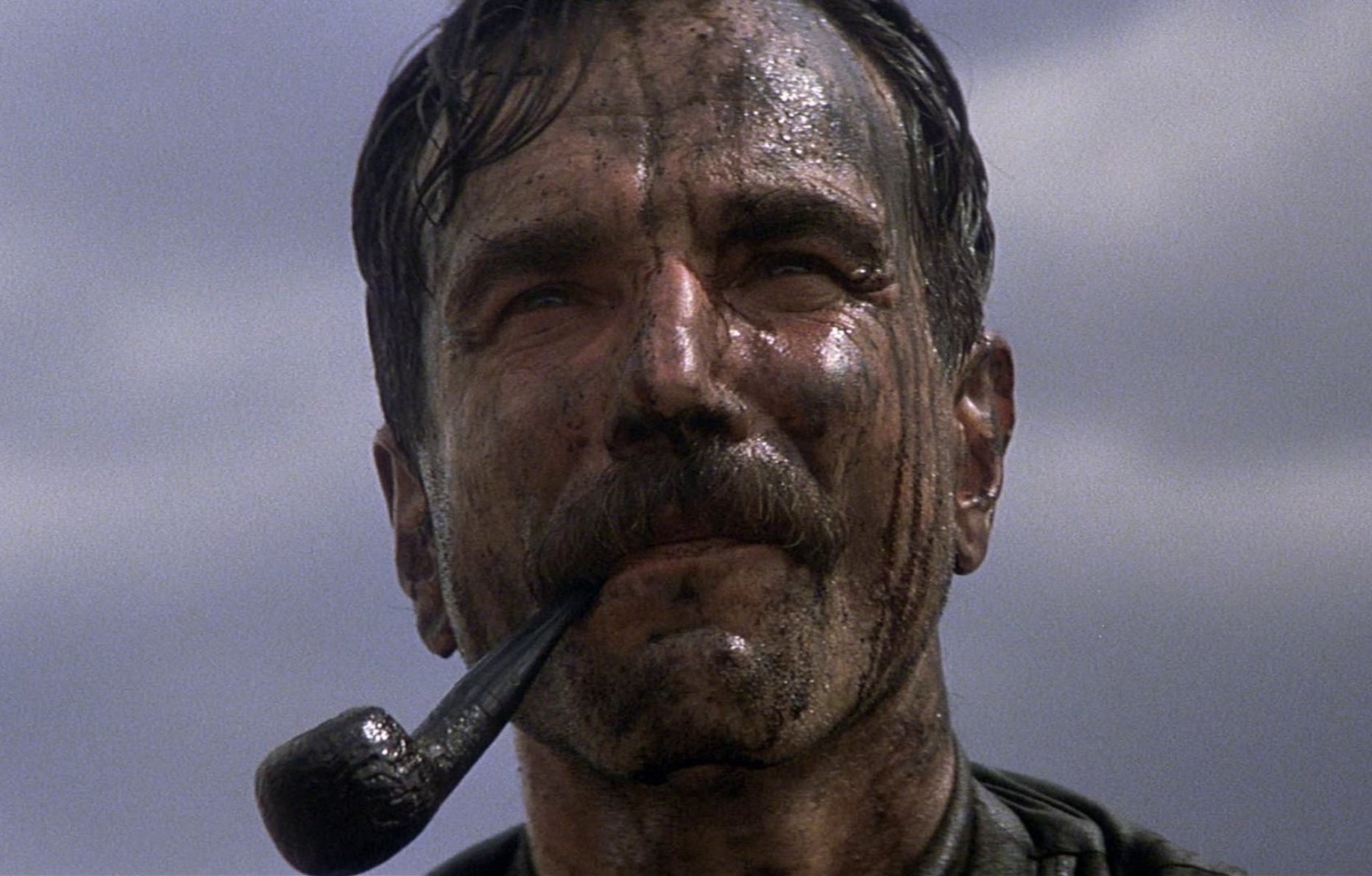
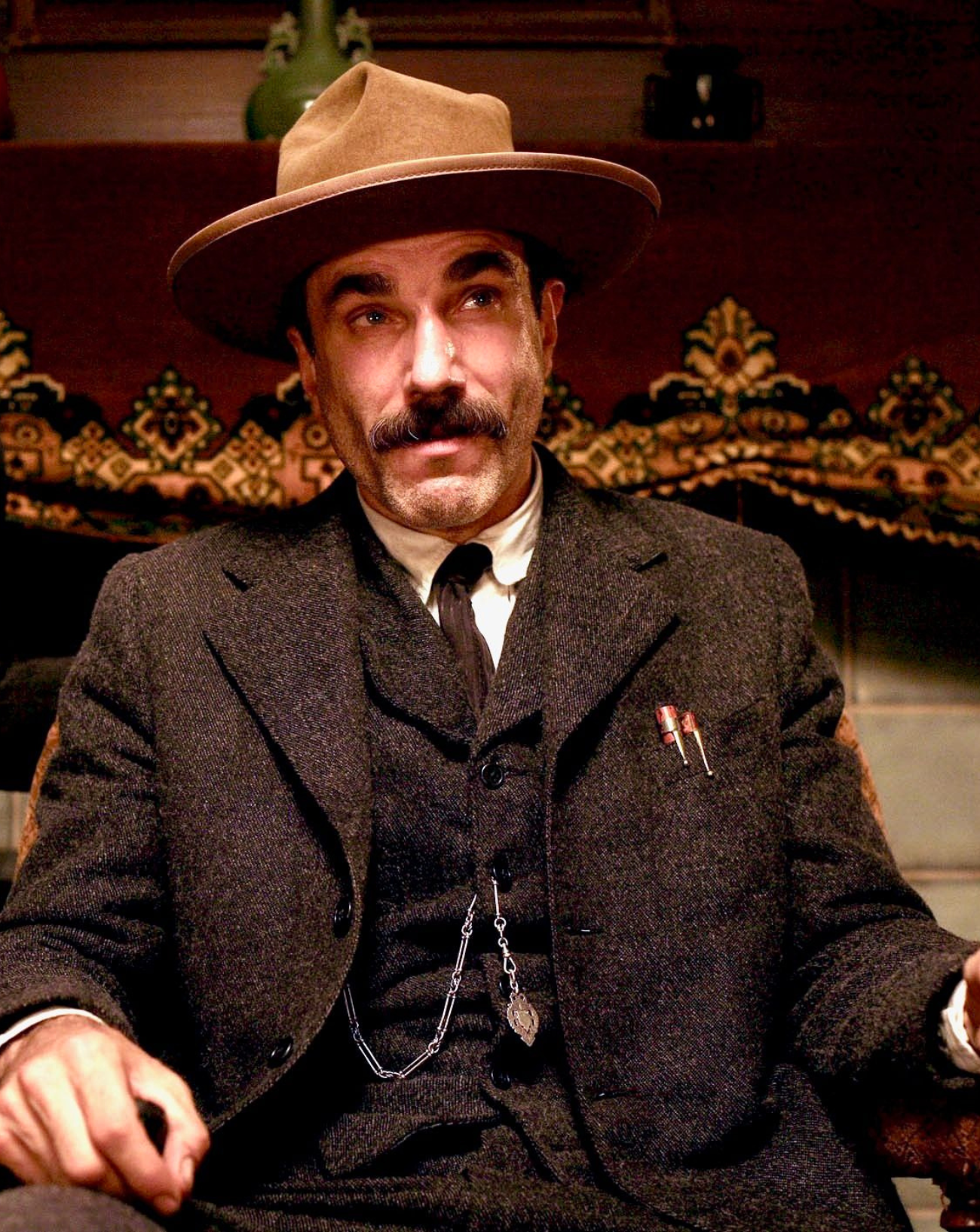
Nothing is more central to his work than solitude, that intimate crack running through each one of his films. In There Will Be Blood (2007), Daniel Plainview – played by the legendary Daniel Day-Lewis – ends his journey crushed by his own ambition, trapped in a mansion with no heirs. “The fundamental desolation of American capitalism,” as The Washington Post put it at the time.
But solitude isn’t just physical isolation. In Punch-Drunk Love (2002), Adam Sandler plays a man trapped by his impulses and crippling shyness. The film plays on silence and sudden outbursts, revealing the struggle to find one’s place in a world overflowing with social norms.
Paul Thomas Anderson amplifies that feeling by placing his characters in vast, empty spaces. Solitude becomes a condition rather than a circumstance. Viewers are thus invited to identify their own internal broken parts.
A fascination with excess in cinema
Everything in Paul Thomas Anderson’s films overflows. Even his tracking shots doesn’t seem to ever end. In Boogie Nights (1997), his sweeping portrait of the 1970s porn industry plays out, naturally, like an orgy… One of colour, music and cocaine.
The narrative and visuals are equally excessive. Magnolia piles up broken destinies and musical interludes. Rather than veering into chaos, the American filmmaker embraces this excess as the only viable form to portray troubled lives. Paul Thomas Anderson‘s cinema is one of controlled overdrive.
Even his gentler films, like Licorice Pizza (2021), bring out a boundless energy. Wild chases through the streets of Los Angeles, adolescent fervour… Here, excess becomes an ode to vitality. Characters unable to contain themselves mirror an America that has never learned moderation.
Capturing violence through the camera
Brutality pulses through each of his films. Sometimes it lurks beneath the surface, sometimes it erupts violently. In There Will Be Blood (2007), the final confrontation between Daniel Day-Lewis and Paul Dano ends in bloodshed and madness. A violence that is inevitable and legitimized by the economic conquest. But Paul Thomas Anderson also knows how to work with latent threat. In Punch-Drunk Love (2002), the hero’s bottled-up rage occasionally bursts forth, exposing the simmering aggression that is part of his daily life.
This violence isn’t limited to individuals. It unfolds through institutions, families, communities. Inherent Vice (2014), starring Joaquin Phoenix, shows a paranoid American society riddled with diffuse forms of brutality, whether political or police-related. Violence is never accidental – spilling blood is just another operational mode of the nation…
America and, by extension, the American Dream
More than a mere backdrop, America is ultimately the true protagonist of Paul Thomas Anderson’s works. In There Will Be Blood (2007), the tale of oil becomes a parable of emerging capitalism. Boogie Nights (1997) draws a portrait of California, where sex and money set the rules. Licorice Pizza (2021) captures the post-Vietnam youth, caught between innocence and cynicism.
Each era filmed by the American director unveils a nation that is both recognizable and distorted. The Master (2012) tells the story of a spiritually starved postwar America, eager for new beliefs. Magnolia (1999) dissects the San Fernando Valley, like a lab for contemporary neuroses.
The New York Times may have best defined Paul Thomas Anderson. The media called him a filmmaker who maps “America’s fractures”, a puzzle where dream and disillusion coexist. A nation on the brink of collapse.
One Battle After Another by Paul Thomas Anderson, coming out in theaters on September 24th, 2025.