
17
17


The meteoric rise of photographer Tyler Mitchell, from skateboarders to Beyoncé
Interview by Clothilde Morette .
In partnership with Art Basel Paris.
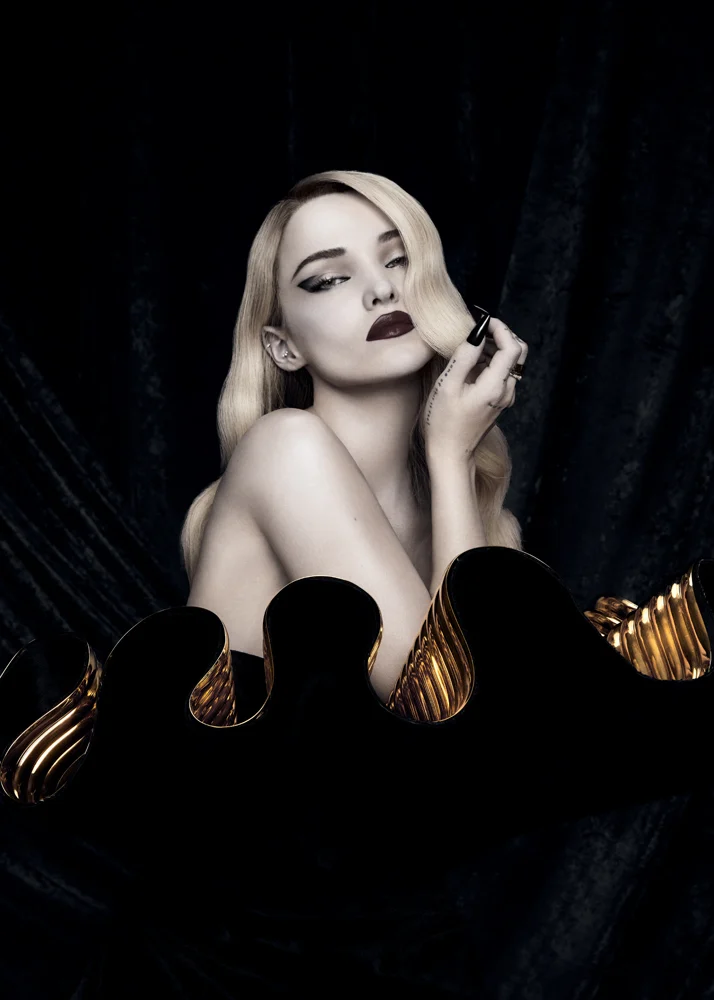
Interview with photographer Tyler Mitchell, on view at the MEP
Clothilde Morette: You grew up in Atlanta, and you were skateboarding a lot at that time. You actually first got interested in video started in order to film your sessions with your friends. How did skateboarding and its counterculture shape your work and your approach to art?
Tyler Mitchell: For me it was twofold. It was, of course, meeting friends through skateboarding. I don’t quite know when it dawned on me that I wanted to become a skater. I think I taught myself from YouTube. But at the time when I was maybe 12, it was very much a subcultural activity, especially in Atlanta. It wasn’t something felt supported or easy to step into as a teenager or pre-teen. Skateboarding enabled me to see filmmakers like Spike Jonze or William Strobeck, who were approaching the act of filming skateboarding with real style, while having their own projects as artists. That opened my mind to the possibility of becoming both a filmmaker and an artist.
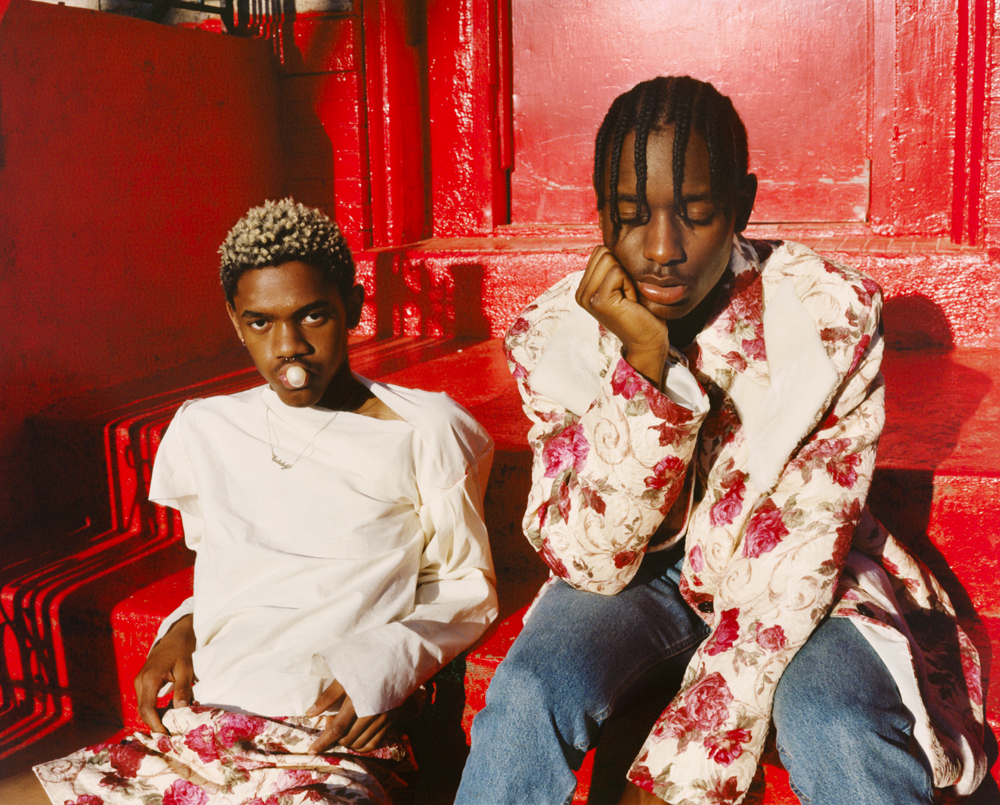
Around 2015, I began thinking seriously about pursuing photography. For years later, people knew a little about my background as a skater, that I had come to photography through skate culture. There were these young boys in Lagos, who messaged me and said, “If you ever come to Nigeria, please meet us. We take pictures as well. We skate in a city where there’s actually no culture for skating. It’s actually illegal to do it in public.” I felt like I was seeing a version of myself in them, and I was genuinely moved by what they were making. I leveraged an opportunity with i-D magazine to go to Lagos and take pictures of them.
From skateboarding in Atlanta to coutercultures in Cuba
During your studies in New York you went to Cuba for some time. What first brought you to this country?
At NYU, I was a very ambitious student and I wanted to do as many things as possible while I was there. I was interested in multiple study abroad programs, and one of them in Havana. I thought that would be fascinating, much more so than, say, Florence or a place one might easily go later in life. When I arrived, I discovered a place filled with vibrant people, many of whom looked like me, and also people who were just beginning to form a skateboarding culture. That reminded me of my own beginnings as a pre-teen. It was also a place filled with colours, interesting architecture and the way the light falls on buildings and things connect spatially became something I was drawn to. What started as a school trip eventually became a kind of self-initiated project. I was obsessively making pictures on my own, and it eventually became a small self-published book of 200 copies. From that moment, people began to consider me as a photographer, before I fully understood what I was doing.
In 2015, you created a short film, This Is Real, which now gives its title to your exhibition at the Maison Européenne de la Photographie. At the time, Tamir Rice, a 12-year-old boy, got shot by a policeman, while he was playing with a toy gun. That tragic event marked an entire generation…
I thought a lot about reality and fantasy, and about the imaginary versus the real. I also was taking an experimental film class at the time and wanted to play with symbolism. It was, in some sense, an exercise. I certainly didn’t imagine at the time that the film would become the title of a museum exhibition or be included in one. This Is Real came from a very gut reaction to the politics of the moment, and to the ways I wanted to see young Black men in front of my camera, as opposed to the ways images of danger have been projected onto them. That tension is quite clear in the symbolism of the film. I wasn’t interested in being didactic. I was trying to make something quite playful and childlike, alongside a looming sense of danger. That duality is clear in the imagery and the soundtrack.
A radiant gaze on Black youth
At that time, you were also interested in photographers like Ryan McGinley and Larry Clark. Did you also aim at creating new images of Black youth focusing more on joy or freedom?
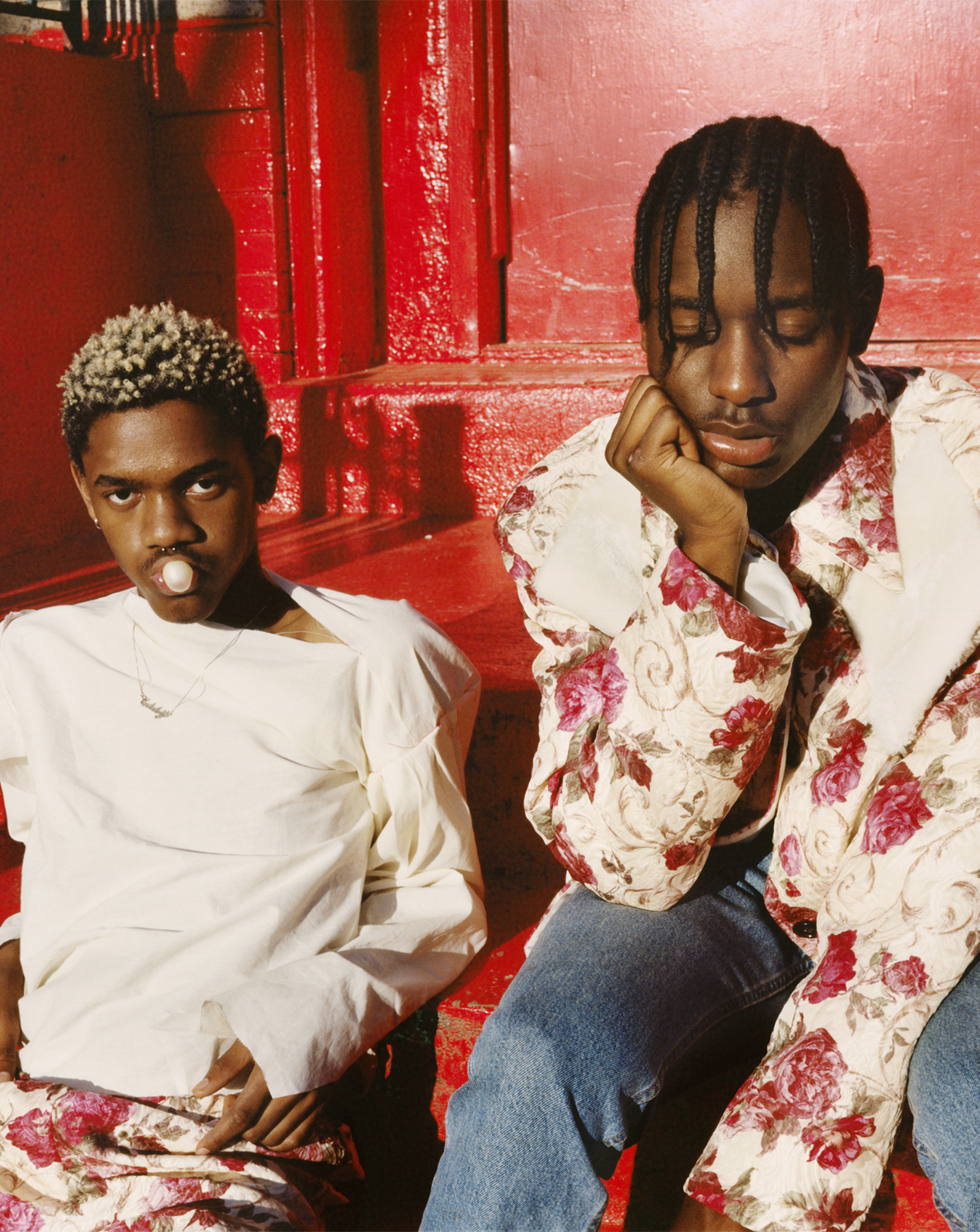
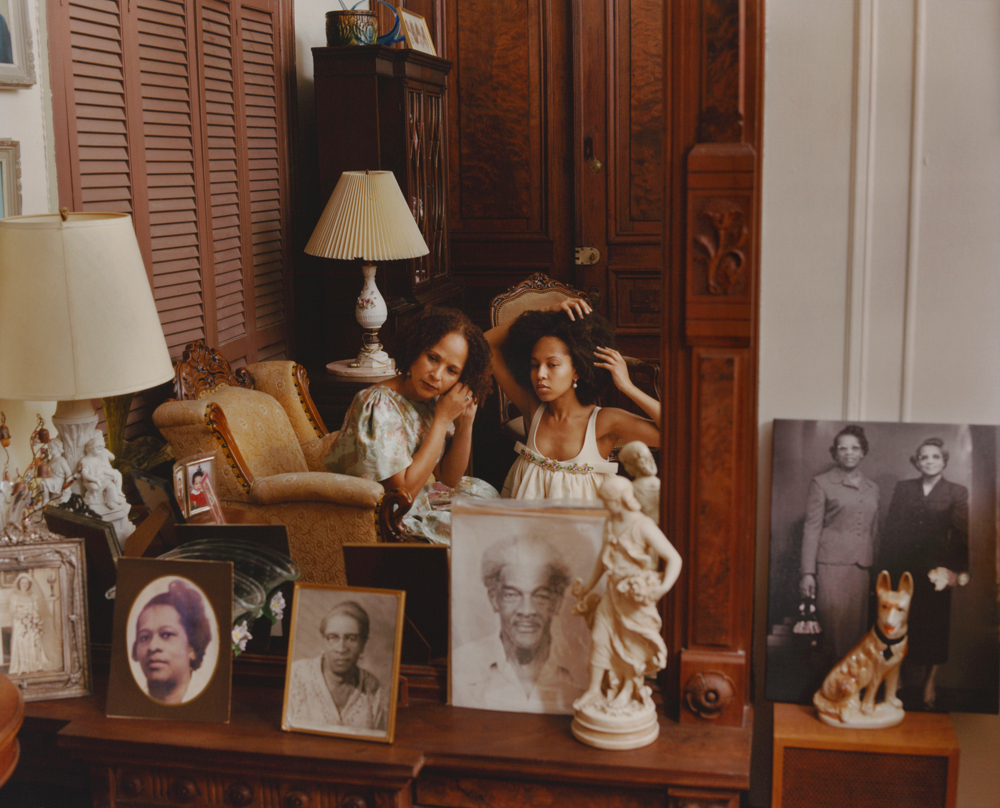
I definitely wanted to center a sense of togetherness. Especially in the early portraits, I was thinking about how visual style and fashion could merge with portraiture. And how portraiture and political imagination could come together without becoming didactic, and while still being poetic. There were many books I was reading, including The Sovereignty of Quiet by Kevin Quashie, which reframes our understanding of Black life, moving beyond the assumption that Black life is defined primarily by struggle, toward an idea of rich interiority. I was trying to make pictures that suggested that sense of interior life, but also were quite playful and youthful. At the same time, I wanted to create an image that felt fresh and new in order to enter the canon of photography that I was actively studying.
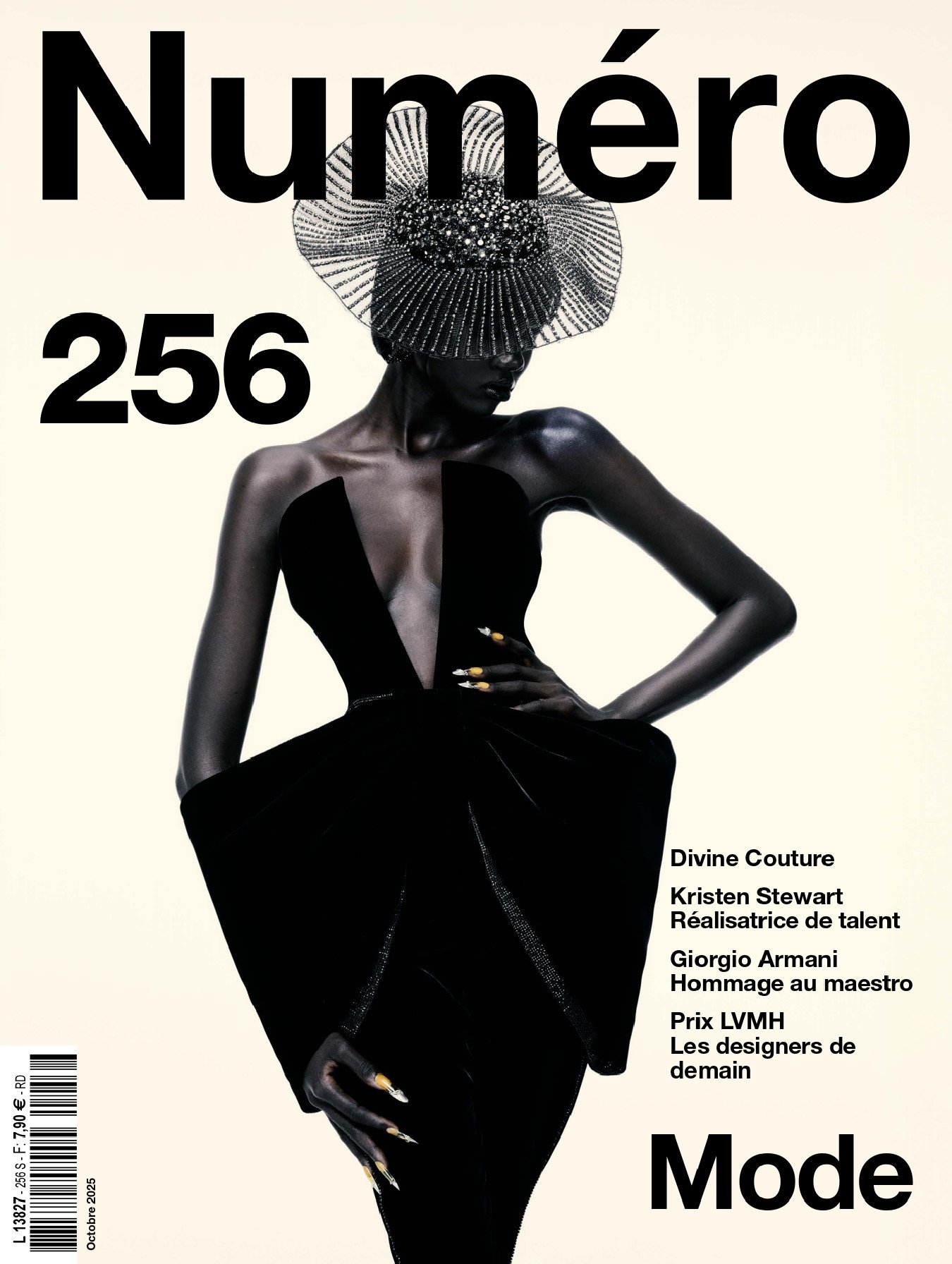
In 2018, something really important happened in your life. At only 23, you photographed Beyoncé for the cover of the American Vogue. You then became the first Black photographer ever to shoot the cover of this iconic magazine. How did that experience influence your career?
I was already doing editorial projects that explored masculinity and men’s fashion, but also political subjects responding to the current events at the time. I had photographed Emma González, who survived the Parkland school shooting and went on to become a gun reform activist. That portrait was on the cover of Teen Vogue.
So people were becoming more familiar with my work and the way it crossed multiple parts of culture. It was engaged politically, it spoke to fashion and style, and I was also thinking about how to reinterpret pop figures through my lens. One way or another, I think Beyoncé or Vogue came together around that idea, and someone from the magazine reached out. It became a defining moment for sure.
Tracing back the story of Atlanta
Right after the pandemic, you went back to Atlanta after more than one year away. You started a new project there, in the city where you grew up surrounded by nature and light, but also a city marked by a heavy history, stories of struggle, violence and survival. How do you manage to walk in between these two different dimensions?
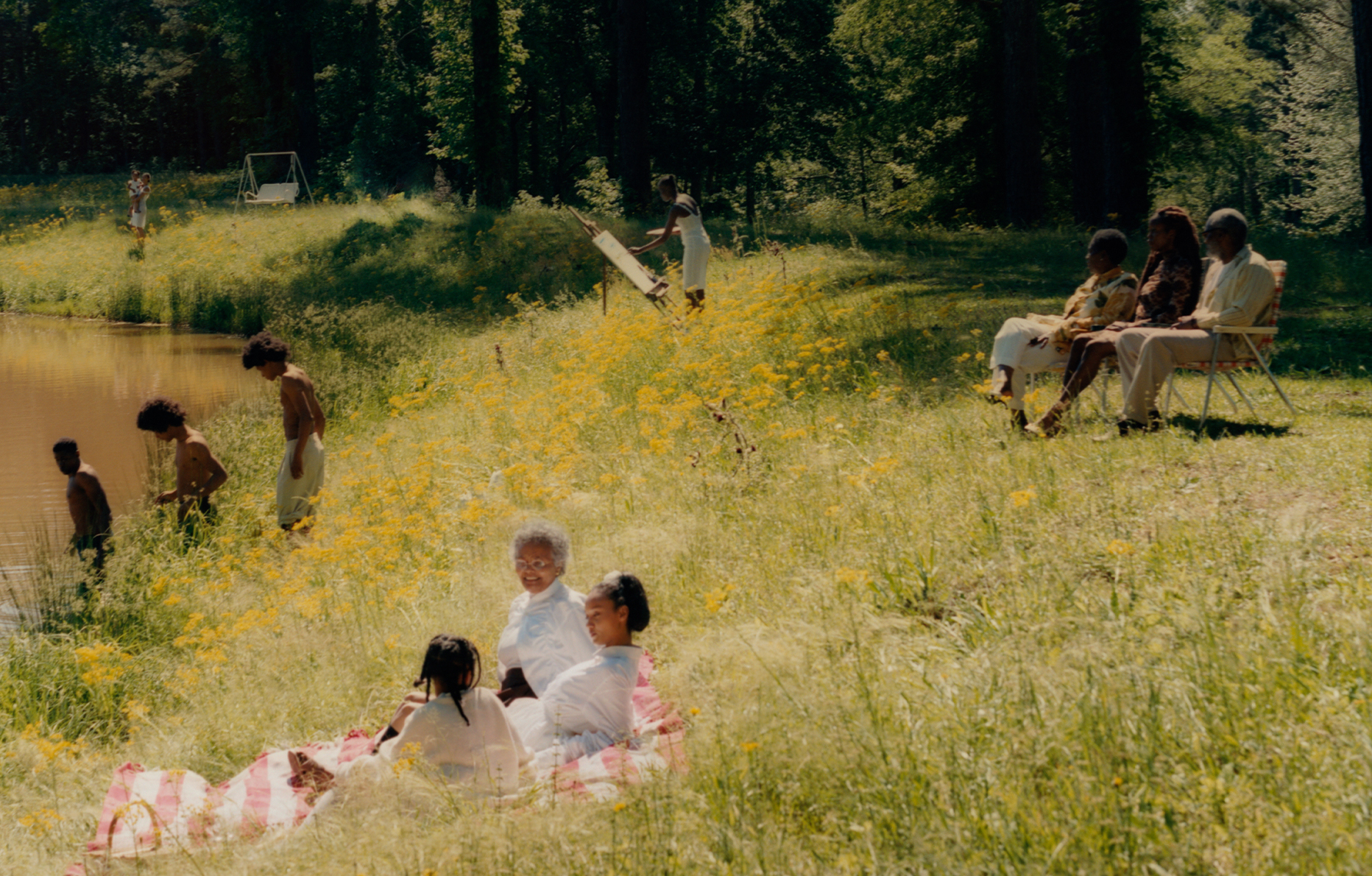
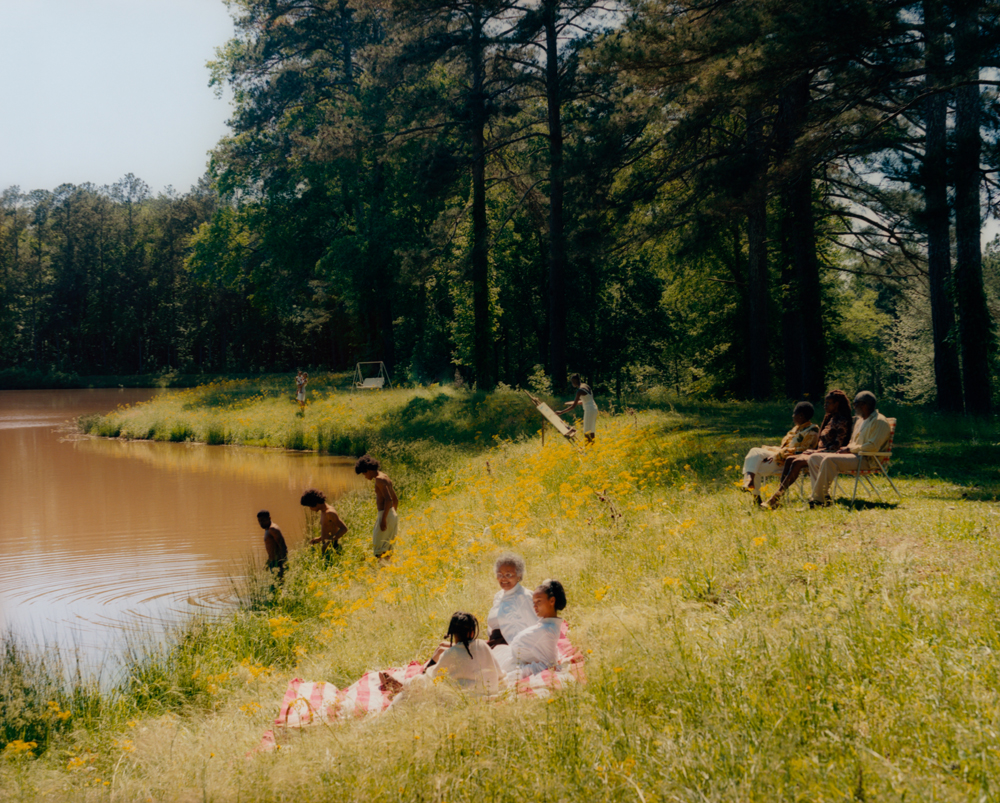
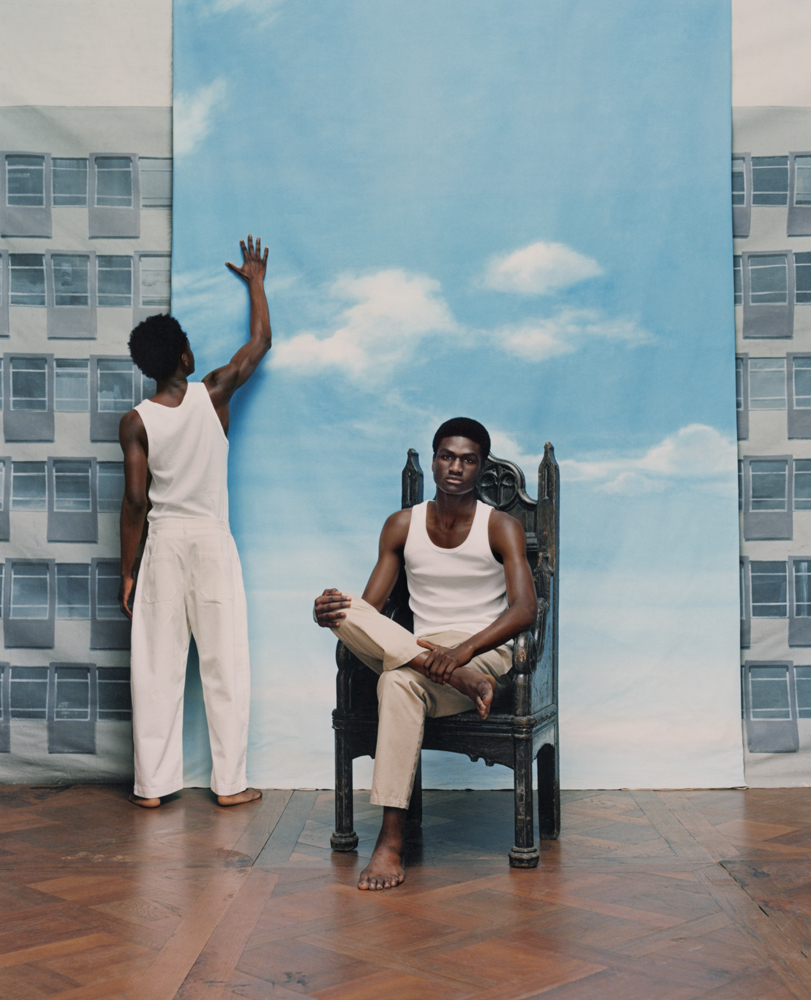
Through reading a lot of literature and watching a lot of films, I’m obsessive about movies. During the first wave of COVID, I was watching three movies a day. I was missing home a lot, missing Georgia a lot. I started was thinking of the landscapes of my childhood as something also mythical or dreamlike. I also became interested in how people in New York or other cities reacted when I told them I was from Atlanta. There was often this fantasy perhaps of an urban stereotype in their heads. I realized there was an opportunity to challenge that and to engage with the pastoral in a way that acknowledges both a history of exclusion and the ongoing act of reclaiming the landscape in the South.
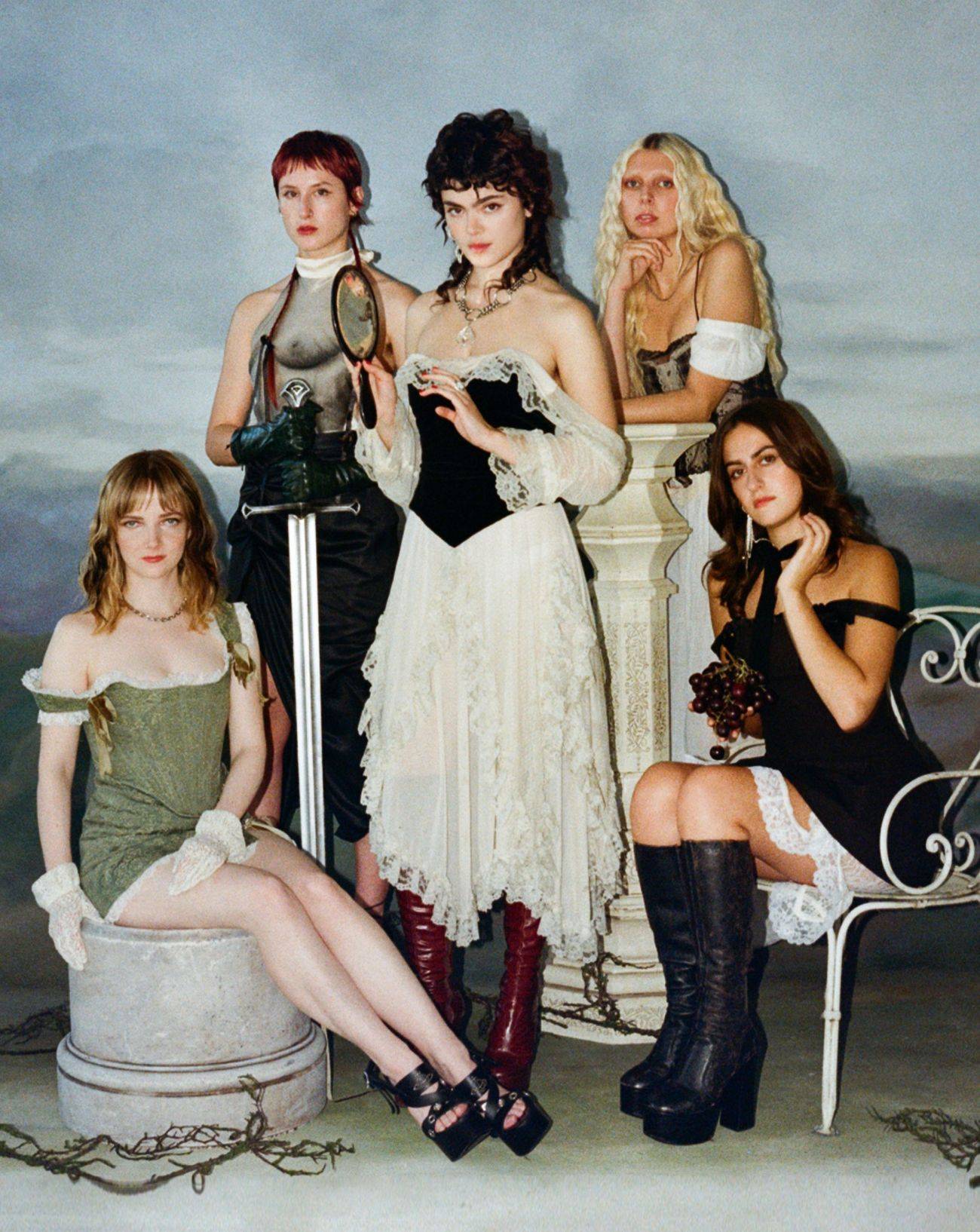
The tableaux I have been making there, the visions of Black leisure in the American South, are never divorced from those histories. The pictures raise questions about who the landscape has been for, who it is for now, and how we might rethink landscape, Black history, and togetherness through images.
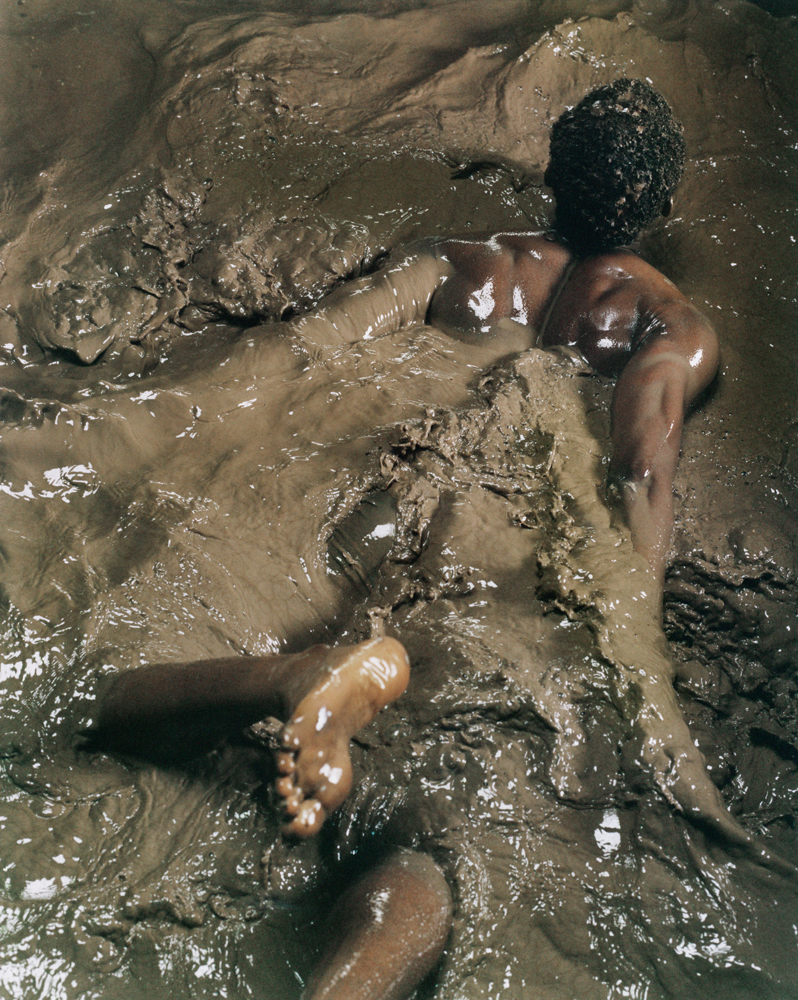
Lately, you have started to explore different media, like printing on mirror and glass. What made you want to move away from a more classical way of printing photographs?
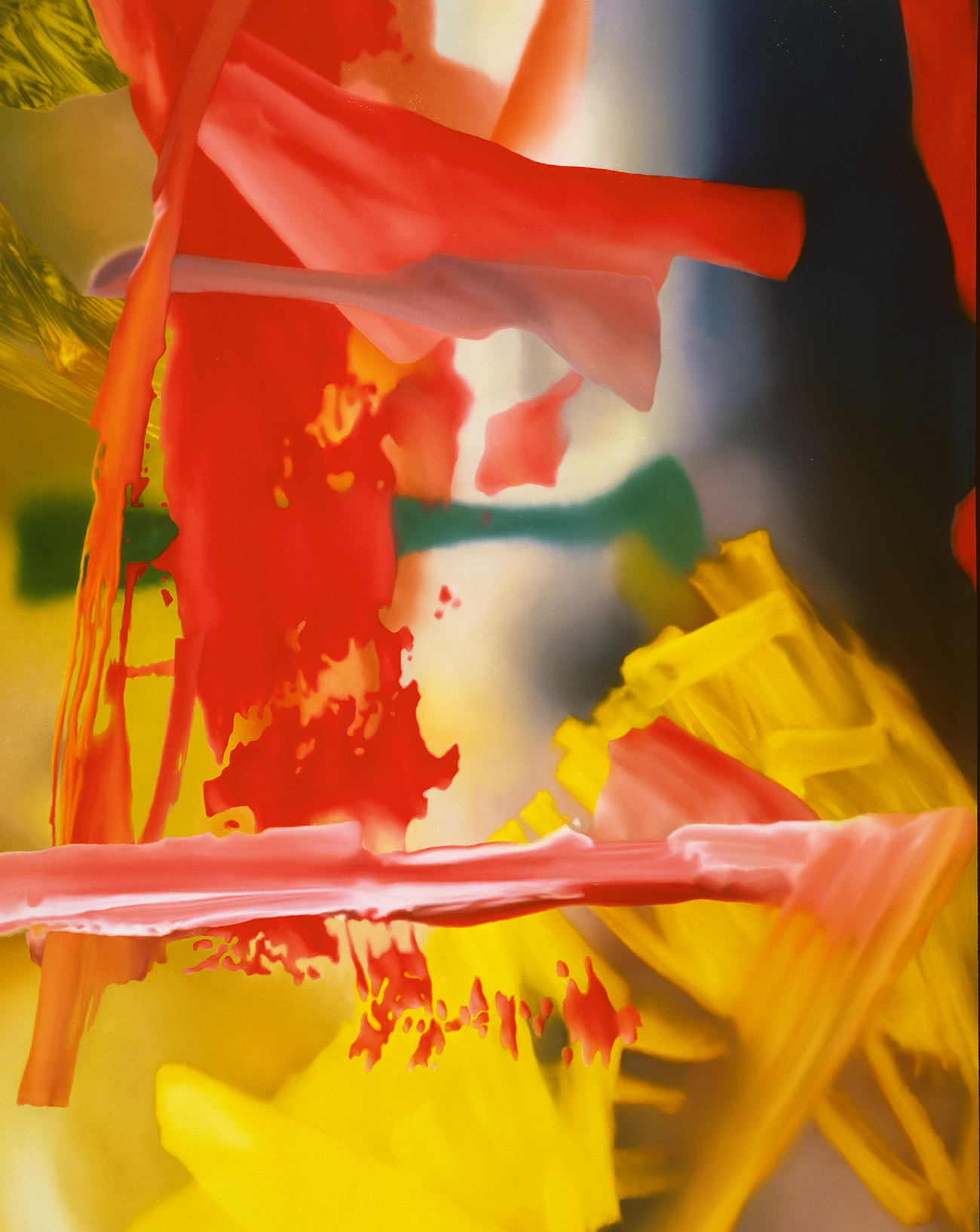
The work is very specific and one has to experiment it by themselves. It came from a printing process I developed with the person who prints almost all my work. With UV printing, when an area of the image is completely white, the machine lays down no ink. That fascinated me. I realized that if you blow out certain parts of a photograph, those parts could become clear and transparent, especially on glass. Keep in mind that glass has been part of photography since the beginning – daguerreotypes, tin types, lenses, enlargers and so on.
All of that came together, and I wanted to see what kind of visual experience could be made from reflection, water, transparency, surface. It’s a very sensitive process and only works for specific images. But it adds another layer to the vocabulary of my exhibitions – questions about looking, reflection, aspiration, and the history of gaze.
At the MEP exhibition, we are pleased to show one of your latest artworks, Colonial Conversation, which you made in 2024. It is an image printed on fabric, in which you play with transparency and layering. We talked about photography as a medium for ghosts and about spirit photographies. Do you think that photography can help us to exorcise history, can help us to face or heal past stories?
These fabric works carry a history that is very simple and everyday – the laundry line. I’m obsessed with the motif. The idea of fabric, of draping and layering, of the photograph being a delicate object, just as ephemeral as anything else. Photography culture is obsesses with permanence and archivability. I’ve always been more fascinated by the idea all of this will eventually go away anyway.
So, I’m thinking about ephemerality, memory, intimacy and also labor. Particularly Black labor, care, mutual support, tending, and sharing. A laundry line can evoke that, depending on the fabric and the context. I’m trying to bring form and content together to let the materials themselves carry those layered histories.
“Tyler Mitchell, ‘Wish This Was Real’”, open until January 25th, 2026, at the Maison Européenne de la Photographie, Paris 4th.
[Conducted as part of the Art Basel Paris 2025 Conversations program, this interview has been edited for clarity and length.]