
13
13


Gallerist Thaddaeus Ropac opens up to Numéro art, from Basquiat to his love of opera
He’s one of the best-known art dealers in the world. At his galleries in Salzburg, Paris, London, Seoul, and – as of this autumn – Milan, Thaddaeus Ropac shows work by superstars such as Georg Baselitz and Anselm Kiefer, or by younger but just as relevant practitioners like Oliver Beer and Mandy El-Sayegh. But, behind his sartorial elegance and legendary urbanity, who is he really? Numéro art spent an evening in his company to try to find out.
Interview by Thibaut Wychowanok.
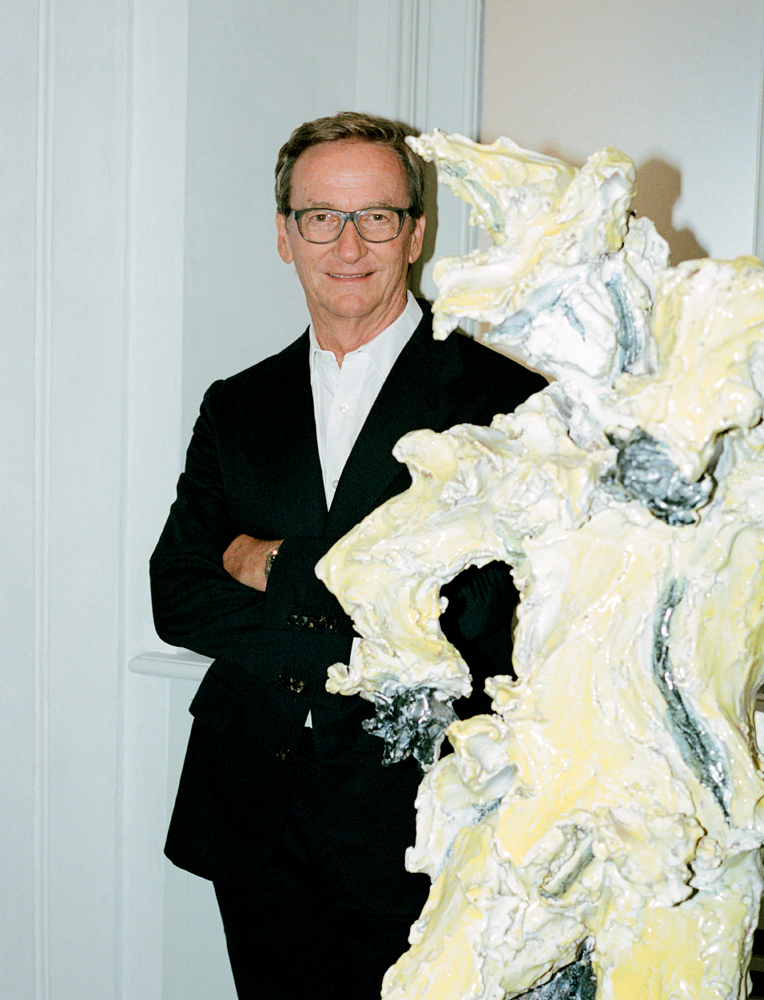
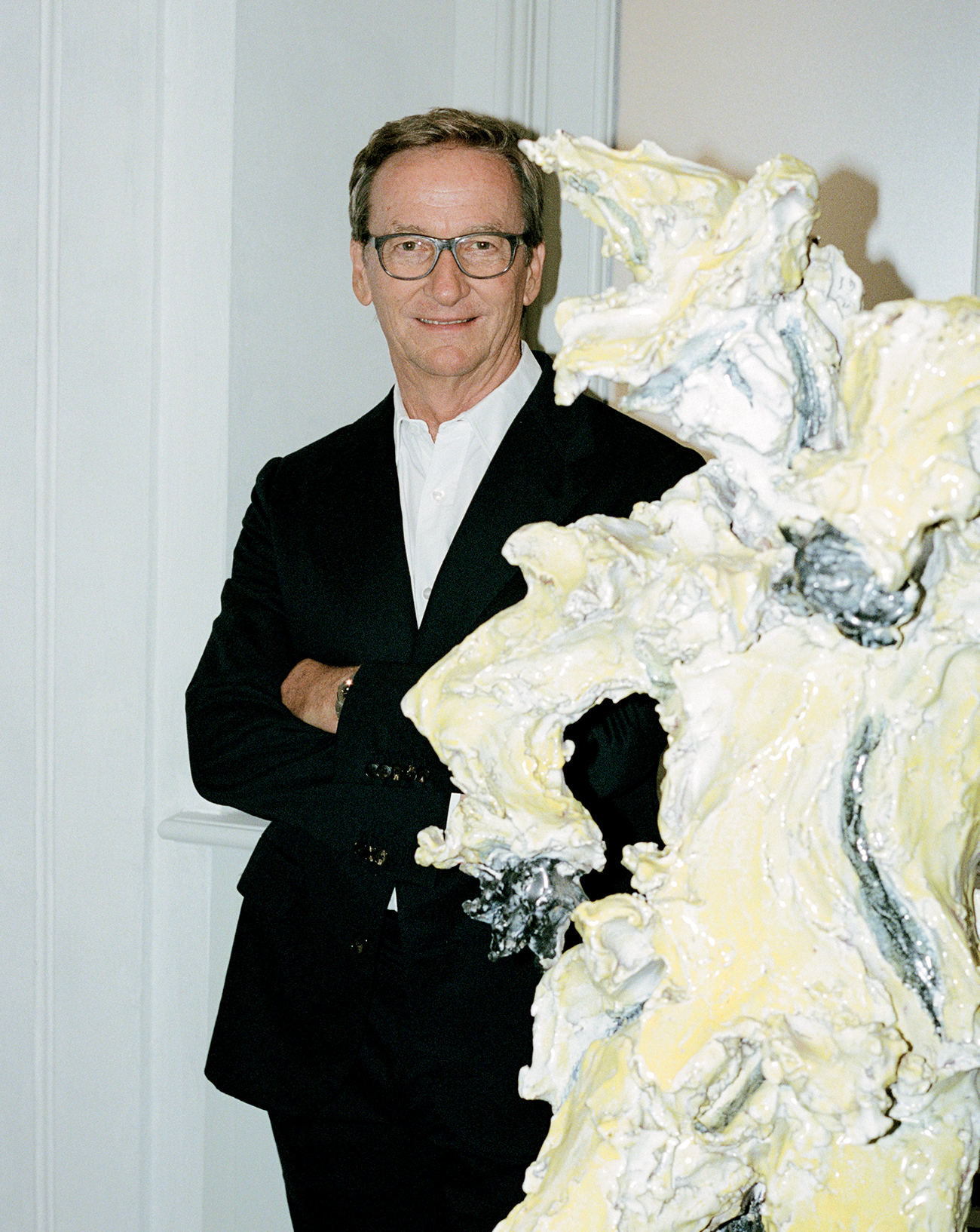
Interview with gallerist Thaddaeus Ropac for Numéro art
Numéro art: What would you like to drink? Thaddaeus Ropac:
Nothing fancy… A tequila sour.
That’s not exactly water!
It’s a choice dictated by rather boring considerations. As the cocktail with the lowest sugar content, it has the fewest calories. [Laughs.]
Let’s get serious. What would you be doing if you weren’t a gallerist?
It’s funny you ask, because when I started out, aged 22, I told myself I’d quit at 40. I’m now 65 and still around. I think it’s too late to reinvent myself.
But when you were younger, what did you dream of doing?
Of working in opera. Not as an artist, because unfortunately that isn’t my strong point. As you probably know, I tried to be an artist when I was younger. I even went to Düsseldorf to study with Beuys. But, thank god, I quickly realised I wasn’t cut out for it. [Laughs.] It wasn’t a complete waste of time, though, because its what led to my becoming a gallerist. People often ask me why one dealer makes it while a thousand others fail. In my opinion, there are three reasons. First, you need an eye. Unfortunately, I don’t think it’s something you can fully learn. Some people exhaust themselves trying, and still can’t tell a good painting from a bad one. Second, you need luck. And I’ve had plenty. Finally, you must work very hard.
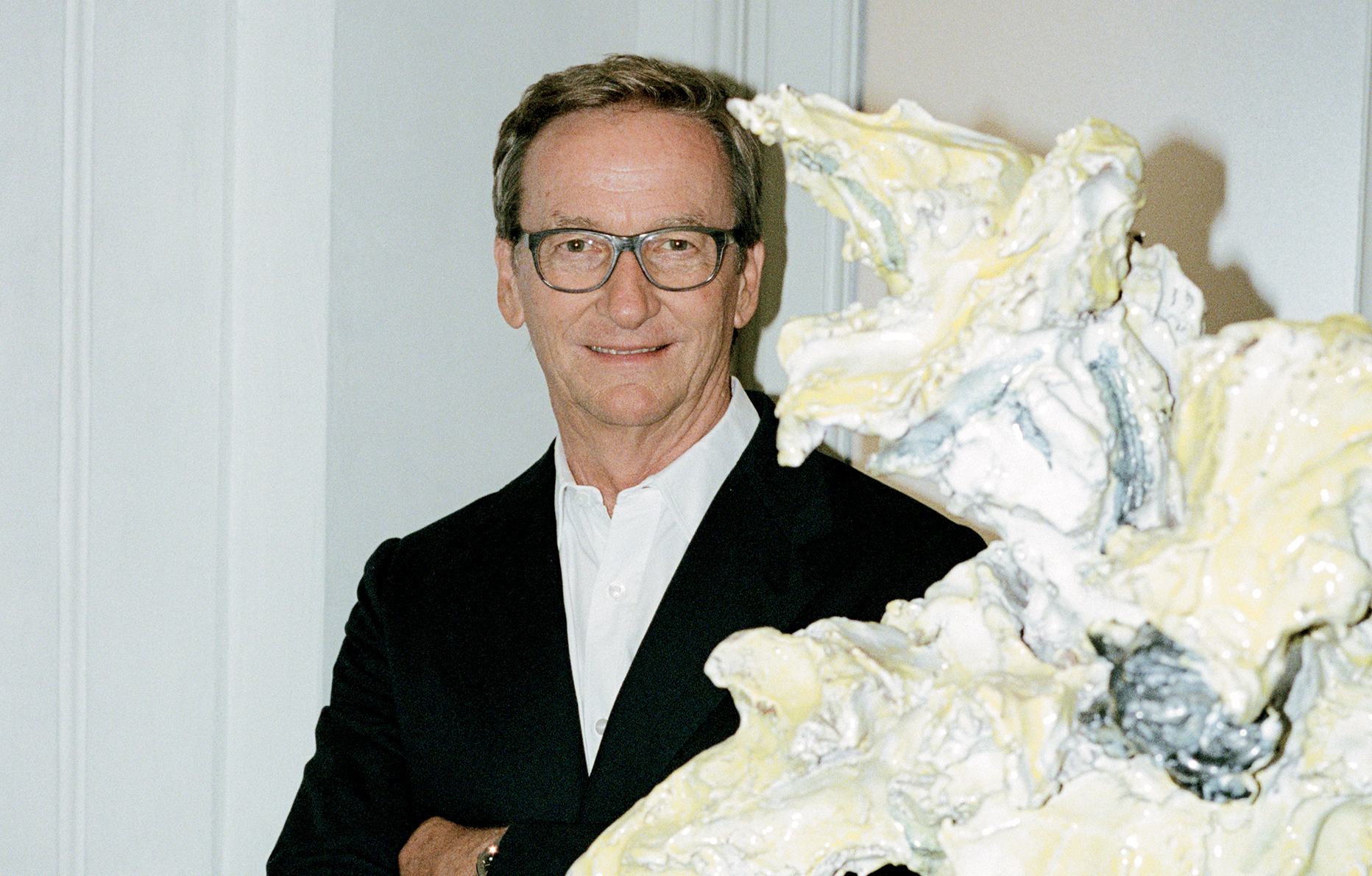
“I’d already realized being an artist wasn’t the path for me.” – Thaddaeus Ropac
How much of your success was down to luck?
It all goes back to my desire to become an artist. Alongside other students, I interned with Beuys for Documenta in Kassel. We had to plant 7,000 oak trees… At a small party on the last day, Beuys went around asking each of us what we wanted to do with our lives. Of course, everyone replied, “I want to be an artist.” But I’d already realized this wasn’t the path for me. I didn’t know what to say, so I improvised. “I’m going back to Austria to open my own gallery.” And I dared to add: “Will you do an exhibition with me?“
To which he replied, “If you do it seriously, yes.” And he would keep his word. Then I ventured another request: “I know you’re friends with Andy Warhol, and it just so happens I want to go to the United States. Would you write me a letter of recommendation?” Beuys took a piece of paper and scribbled: “Andy, let me introduce you to a talented young man. Thank you for agreeing to meet him.” That was my ticket to America.
And did you end up meeting Warhol?
I went to the Pan Am ticket office and booked a flight to New York. I knocked on the door at the Factory. I didn’t even have an appointment. Naturally, they laughed in my face. But I stood my ground – after all, I had a letter of recommendation from Beuys! In the end, Fred Hughes, Warhol’s manager, received me in a rather strange room. “Why do you want to meet Andy Warhol? Give me a reason. You can’t just show up like this.” So I explained that I wanted to organize an exhibition in Austria. To which he replied, “And how much cash do you have?” Obviously, I had none, so he kindly suggested I go home and come back when I did. That could have been the end of it…
At this point, you still hadn’t met Warhol?
Actually, I had without realizing it. I was so focused on Fred Hughes that I hadn’t noticed someone else in the corner of the room. Someone who, seeing the state I was in, eventually spoke up. “Don’t be so hard on this young man.” It was Andy Warhol. He motioned for me to sit next to him and explained that I should work with artists of my own generation, and that he would introduce me to one if I came back at five o’clock. I was so nervous that I got lost in New York. And at five we went off together to Jean-Michel Basquiat’s studio – the artist with whom I did my first show in Austria.
People sometimes say I was a visionary or that I had an incredible eye. Not at all – it was sheer luck! I had no idea who Basquiat was. At his studio, I didn’t say to myself, “You’re discovering an exceptional artist,” because I was far too stressed and overwhelmed. We lived on completely different planets, to the point that, later, at another show, Jean-Michel apologized for not including kangaroos in his paintings. He’d confused Austria with Australia!
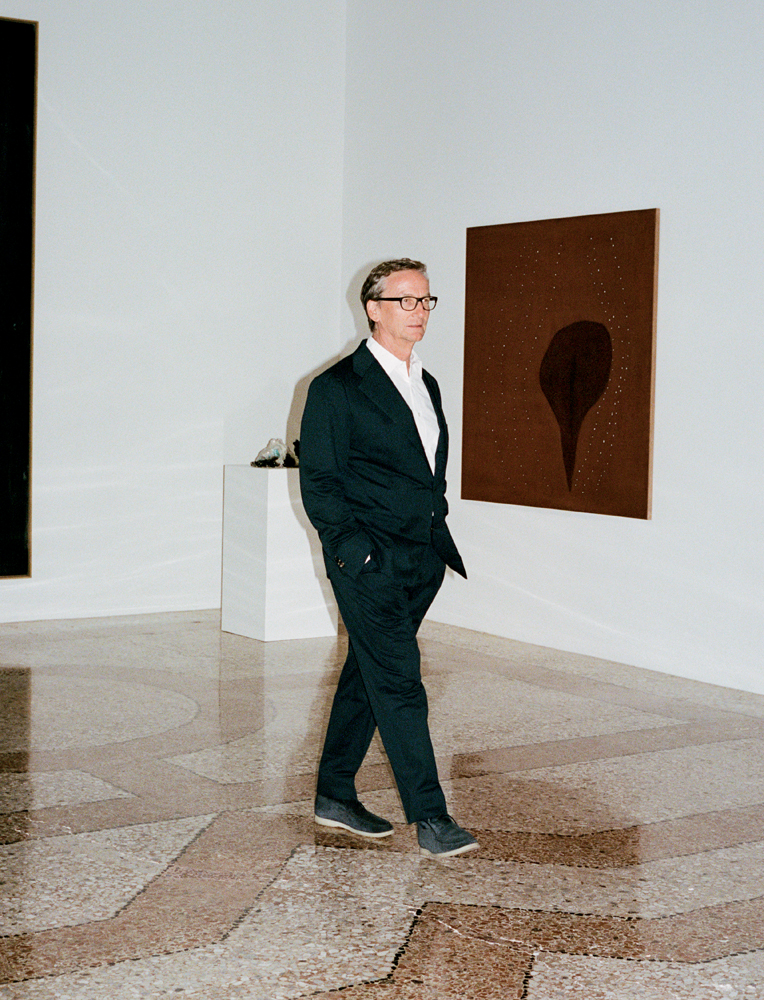
“I find the art world far more exciting today. Back then, it was incredibly elitist…”– Thaddaeus Ropac
Do you feel nostalgia for the “good old days”?
Absolutely not! There’s no such thing as the “good old days.” I find the art world far more exciting today. Back then, it was incredibly elitist, just a small, closed clique. It was very limited intellectually, and impossible to break into – an ivory tower. Look how much more inclusive the art world is today. It no longer centres just on Europe or North America but the whole globe. Artists are no longer all white men. If you’d seen who I represented 20 years ago, there were very few women. I was a product of that world.
Let’s talk about today then. Where did you fly in from, since you just stepped off the plane?
I spent a few days at my place in the south of France, near Saint-Tropez. It’s a real pity the region suffers from such a bad reputation. I can assure you that the cheesy, vulgar Saint-Tropez is only a small part of it. The rest is stunning. The landscapes are exceptional!
I must admit, I find it hard to picture you at Nikki Beach…
Yes, and what’s more the Saint-Tropez region wasn’t my first choice. I’d been searching for a property in the south for ten years. I looked around Aix, the Luberon, and Provence more generally. But I found nothing I liked. And then I was offered an incredible property of several hectares, surrounded by nature… But overlooking Saint-Tropez! It was out of the question, but I went to see it anyway. And I must admit that I was won over. So now I have to cope with the the rather funny fact that I live five minutes by car from Saint-Tropez.
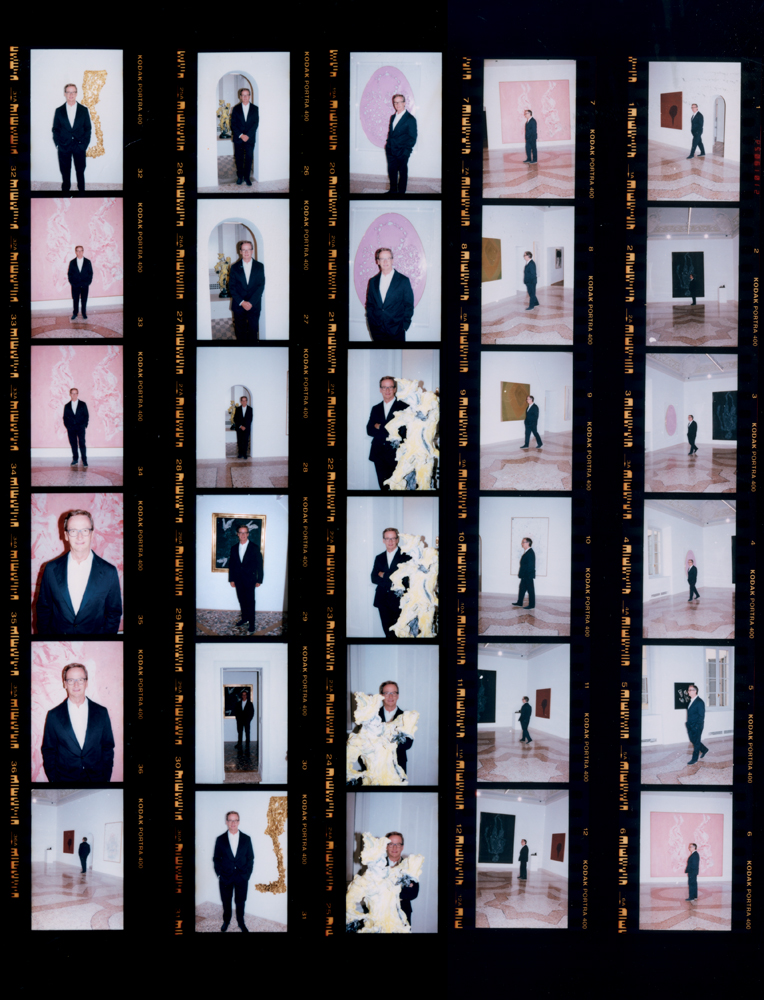
Have you installed any artworks there?
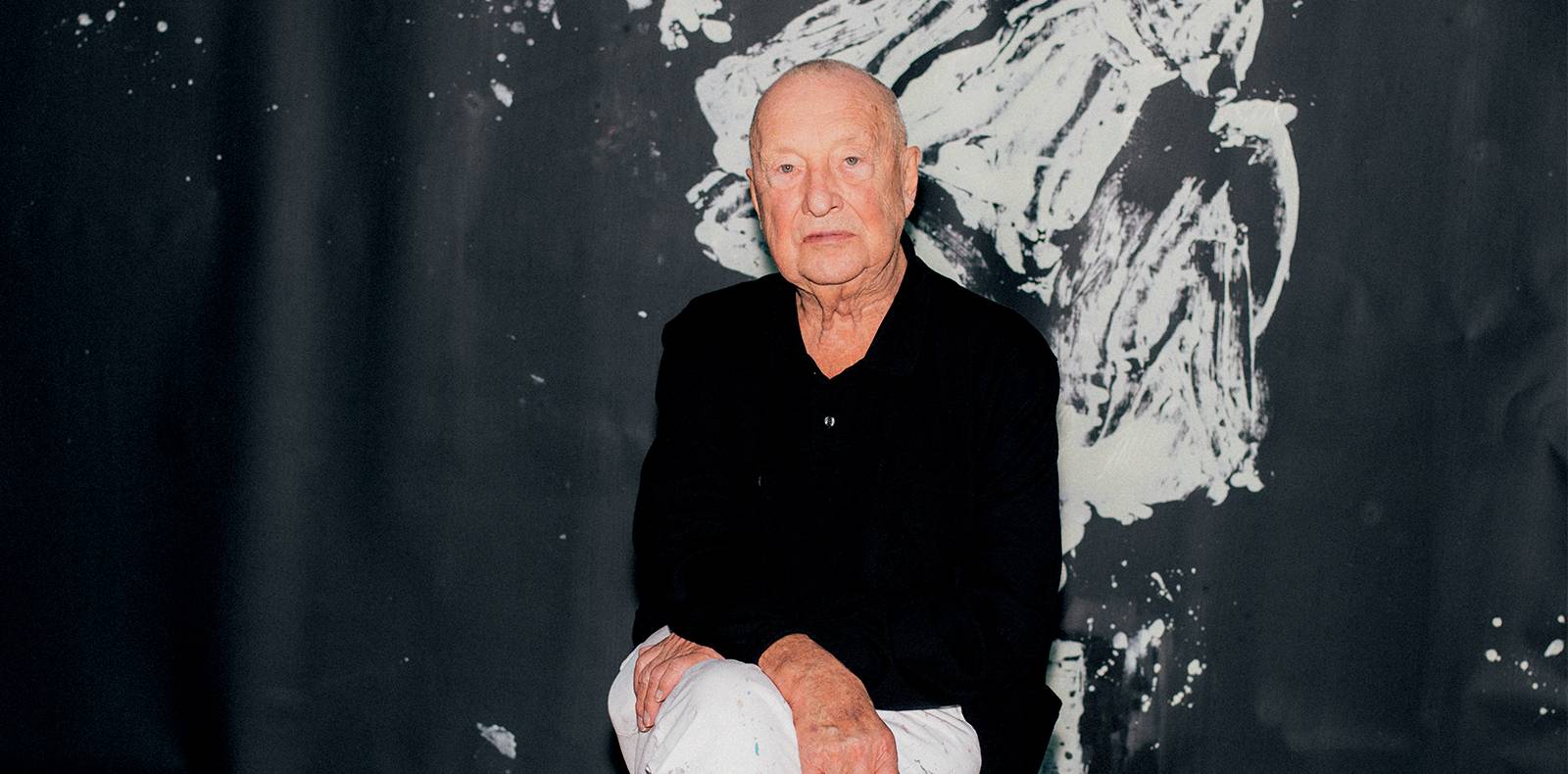
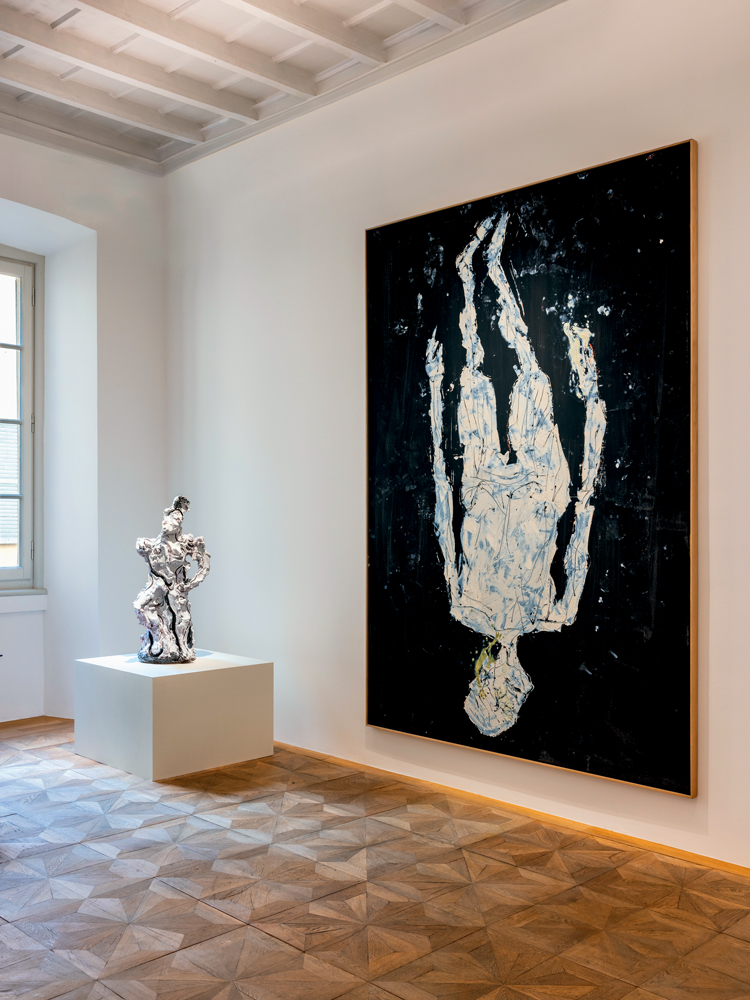
Well, I asked Baselitz to do a project for the swimming pool. I knew exactly how to convince him: Matisse did a swimming pool, and the original drawings are on permanent display at the MoMA in New York. Naturally, that excited him. And he suggested drawing his wife, naked, as she is today, with all the imperfections of an 80-year-old. You must remember that, when Baselitz was a young man in Germany, he dreamed of Hollywood. So for him, my swimming pool had to be blue, like in California. And that’s where the problems started. The region is extremely protected, and the regulations require swimming pools in the south of France to be green.
I imagine they made an exception for Baselitz?
Of course. After some negotiation…
“After all, it’s been one of the most extraordinary countries for art for millennia.” – Thaddaeus Ropac
On a completely different note, you’ve just opened a gallery in Milan, which many now consider the new El Dorado for millionaires and billionaires fleeing London after the repeal of the very favourable non-dom tax laws.
I hate the idea that we’re opening the gallery in that context. That’s not what drew me to Milan. I never do market research, even if I admit that we will benefit greatly from this phenomenon. The idea actually started brewing five years ago, after we opened our gallery in Seoul. I asked myself: “Where should I go now?” I wanted to strengthen my presence in Europe. We were already well established in the German-speaking world, in Austria, in France of course, and in the UK. Italy was sorely missing from this picture. After all, it’s been one of the most extraordinary countries for art for millennia. Even France can’t compare.
With this new address, you now run a team of 150 people. What kind of boss are you?
Unfortunately, I’m still a control freak, right down to the smallest detail. But, on the other hand, I’m learning to give my staff more freedom. In Milan, I let the director put together her own team…
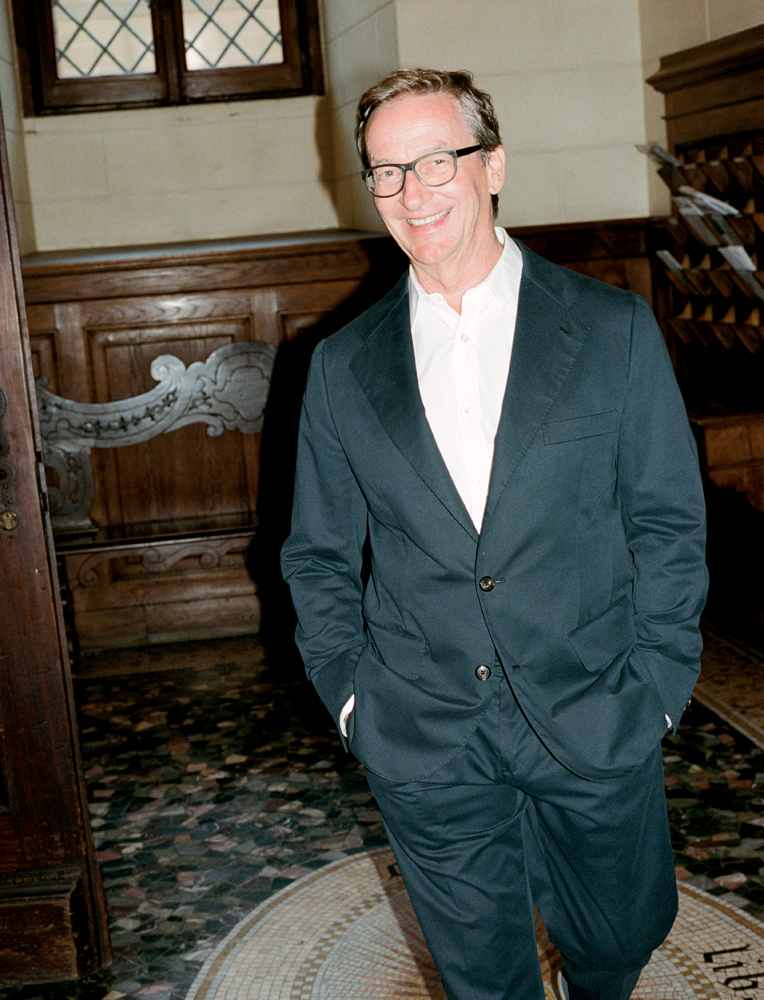
“I didn’t expect our arrival in Milan to create such a stir.” – Thaddaeus Ropac
Do you have any personal ties to the city?
I regularly travelled there for exhibitions, and for the opera, of course. The fact that our gallery is so close to La Scala was a huge draw. But I never went there specifically for fashion or design. I’ve never been shopping in Milan, even for a T-shirt. And I never went to a fashion show.
And yet you’ve developed ties with the fashion world.
Yes, absolutely. I’ve known Miuccia Prada for years. She’s connected to our programme and our artists. And a few days before the announcement last January of our Milan opening, I was having dinner with Raf Simons, who now works with her. Raf told me how much Milan needed a gallery like ours. But I couldn’t reveal anything yet. I had to bite my tongue. It was very funny. Naturally, when he found out he gave me a hard time in rather crude terms. [Laughs.] But we’re friends. All of this is to say that I didn’t expect our arrival in Milan to create such a stir. Not to sound too pretentious, but the city didn’t have a gallery of our calibre. There’s Gagosian in Rome, and that’s it.
What should a Thaddaeus Ropac gallery look like? The one in Milan occupies an 18th-century palace.
It should never be a white cube. Each Ropac space is different. In Pantin, for example, we’ve just opened a bistro.
Why not a Ropac hotel?
No, I don’t want to become a lifestyle gallery…
“Opera, you know, is a taste you develop. It’s not like art, which comes more naturally to me.” – Thaddaeus Ropac
You mentioned that opera was one of your passions.
Opera, you know, is a taste you develop. It’s not like art, which comes more naturally to me. Obviously, I’m always trying to learn, to contextualize art, etc. But once again, I believe that taste in art is innate, whereas opera requires an education. I first went to the opera when I was 25, in Salzburg, for a work I no longer actually like, Carmen. My taste has developed since then, and I’ve turned to Wagner.
At the opera, though I may feel great emotion, I’m essentially silent. I learn. I only appreciate it afterwards. Opera is the most complete and demanding art form. Everything must be perfect – you need the best singers, orchestra, and conductor, a visionary director, and so on.
Do you enjoy opera alone or with friends?
I love sharing those moments. Every year, when she goes to the Salzburg Festival, I’m in touch with [Pinault Collection curator, ed.] Caroline Bourgeois. She’s obsessed with the conductor Theodor Currentzis. No matter what he does, she loves it. It’s both frightening and fascinating! My friend Amira Casar is also an opera lover. As is the painter Elizabeth Peyton. And Baselitz, of course.
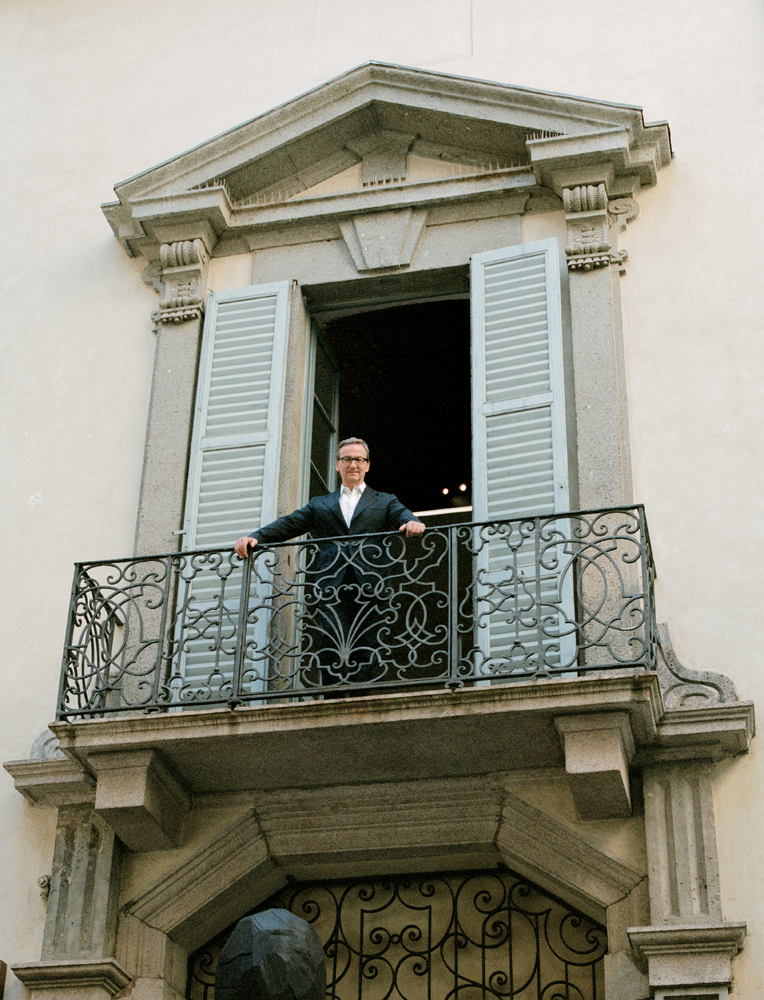
“I always felt Paris was more sophisticated than London or New York.” – Thaddaeus Ropac
Are you a harsh critic?
I’m demanding. For instance, this summer I went to Aix for Don Giovanni. It wasn’t very good. And the Paris Opera? It’s OK. Maybe not the most exciting place, but OK. I still can’t quite figure out exactly what the orchestra’s repertoire is. Normally, when you think of an orchestra, you immediately think of what it excels at. I imagine it could be Rameau or Bizet, but they’re not really my cup of tea. And I’m not a big fan of Offenbach either.
Does Paris play an important role in your life?
Of course. When I opened my gallery in Paris, in 1990, everyone asked, “Why not London? Or New York?” But I always felt Paris was more sophisticated. Less focused on money. At any rate, success there isn’t measured solely in terms of money. And Paris offers greater diversity. I never feel trapped in the art ghetto there. The art scene can easily engulf your whole life – your work, your social life, your network… During all those years when Paris wasn’t really a major art hub, it was quite easy to keep a foot outside.
Is there somewhere you can get away from it all?
Nowadays, there’s the south of France. I also own a property in Greece, on Hydra. But I hardly ever go there. It’s too far for just a weekend. But artists love it. My friends too, like Norman Foster.
As a dealer, what do you find most exciting right now?
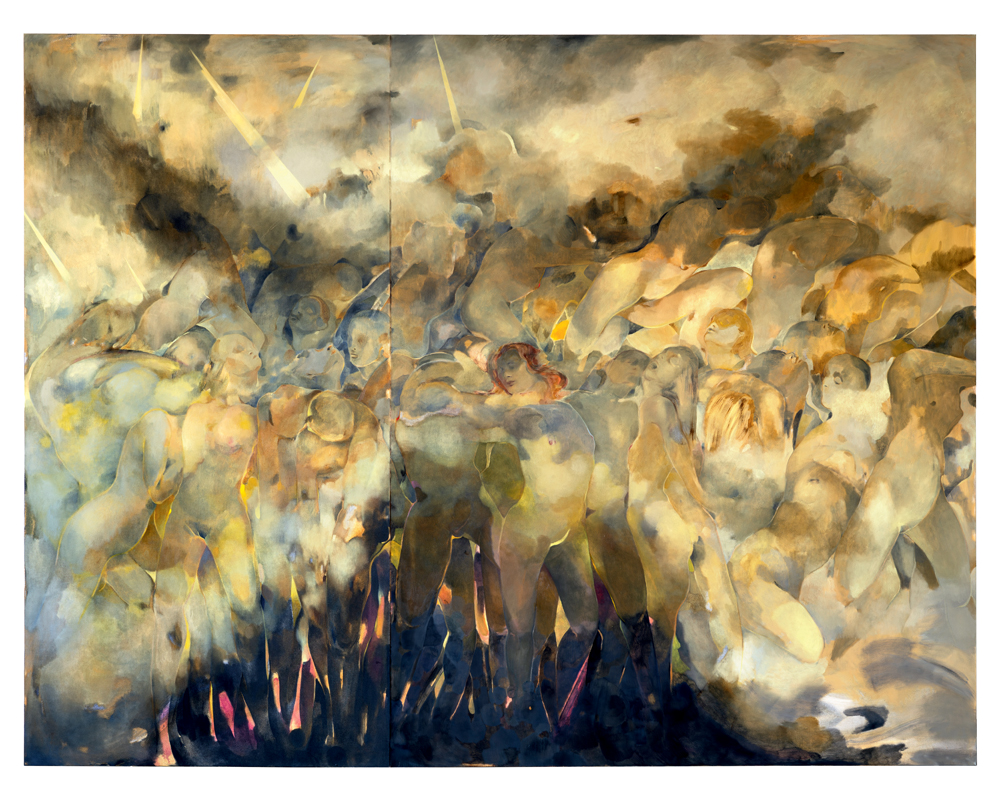
Young artists, I think. We just signed an incredible young painter, Eva Helene Pade. She’s only 27, from Denmark. One of our London colleagues discovered her at an exhibition in Copenhagen. She now lives in Pantin, where she has her studio. And she’ll have her first show at our London gallery in October.
And what about Milan?
For the moment, our first two exhibitions will be more historic “duo shows” that pair an artist from the gallery with an Italian artist. Firstly, two men: Fontana and Baselitz. Then two women: VALIE EXPORT and Ketty La Rocca. I was speechless when I discovered La Rocca’s work – I’d never heard of her before. I must admit that, in opening the gallery in Milan, I’ve discovered more exceptional Italian artists from the 50s, 60s and 70s than young contemporary artists. But let’s wait and see what the future has in store…
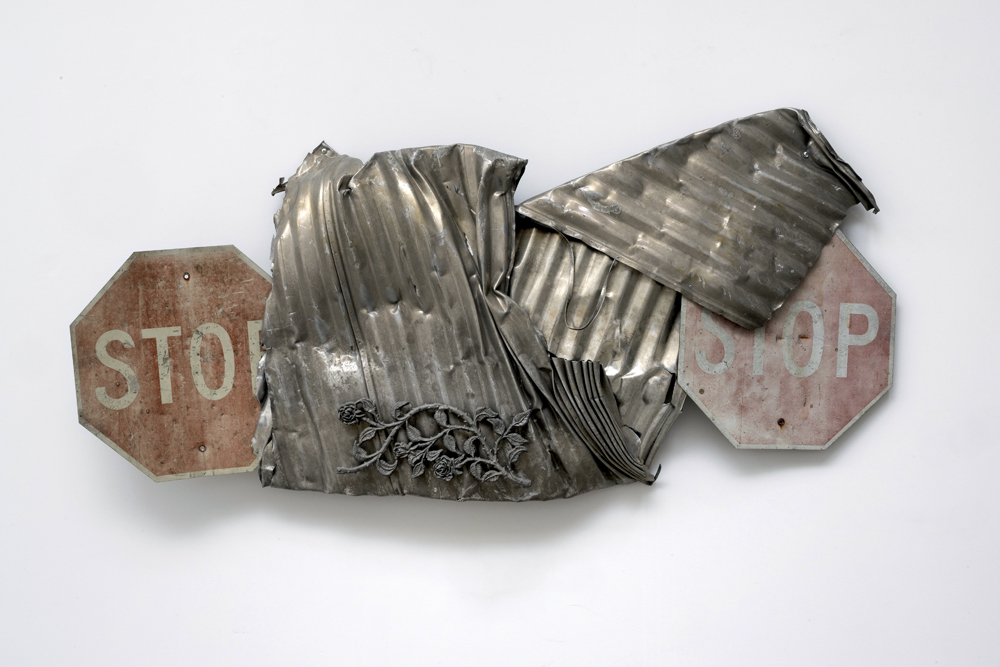
“Robert Rauschenberg, Gluts (1986–1994),” from October 20th to November 22nd, 2025, at Thaddaeus Ropac gallery, Paris 3rd. The artist showcases one of his early explorations of metal through found objects assembled and riveted to create wall reliefs and freestanding sculptures.
First solo exhibition of Danish artist Eva Helene Pade, from October 14th to November 22nd, 2025, at Thaddaeus Ropac gallery, London.
“Georg Baselitz and Lucio Fontana. L’aurora viene,” on view until December 9th, 2025, at Thaddaeus Ropac gallery, Milan. The show will be followed by an exhibition dedicated to VALIE EXPORT and Ketty La Rocca.