21
21


An encounter with Christian Marclay, at the heart of a Celine show and a Tate Modern exhibition
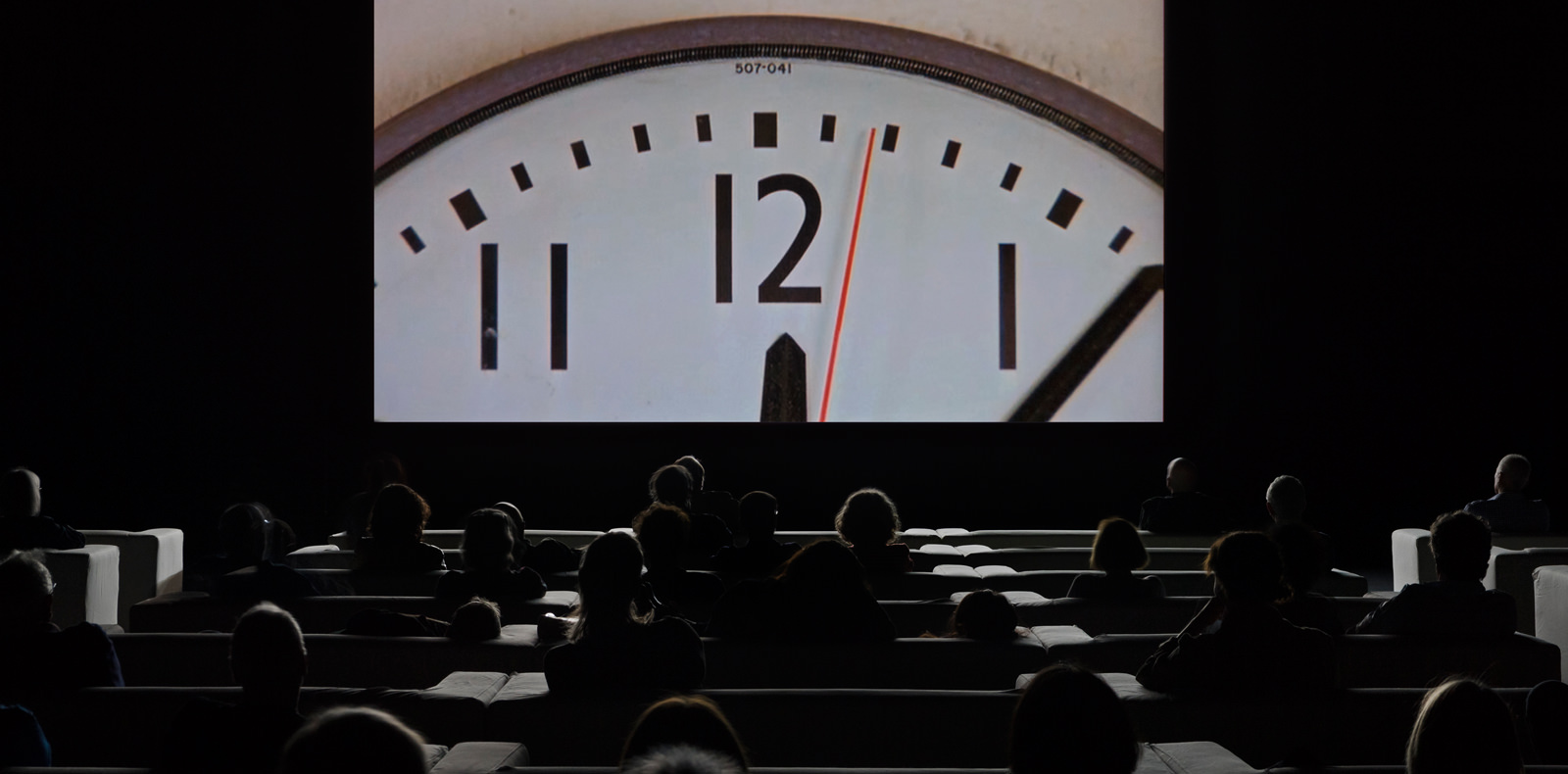
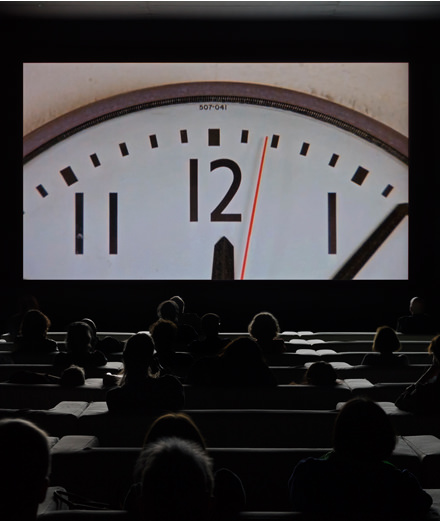
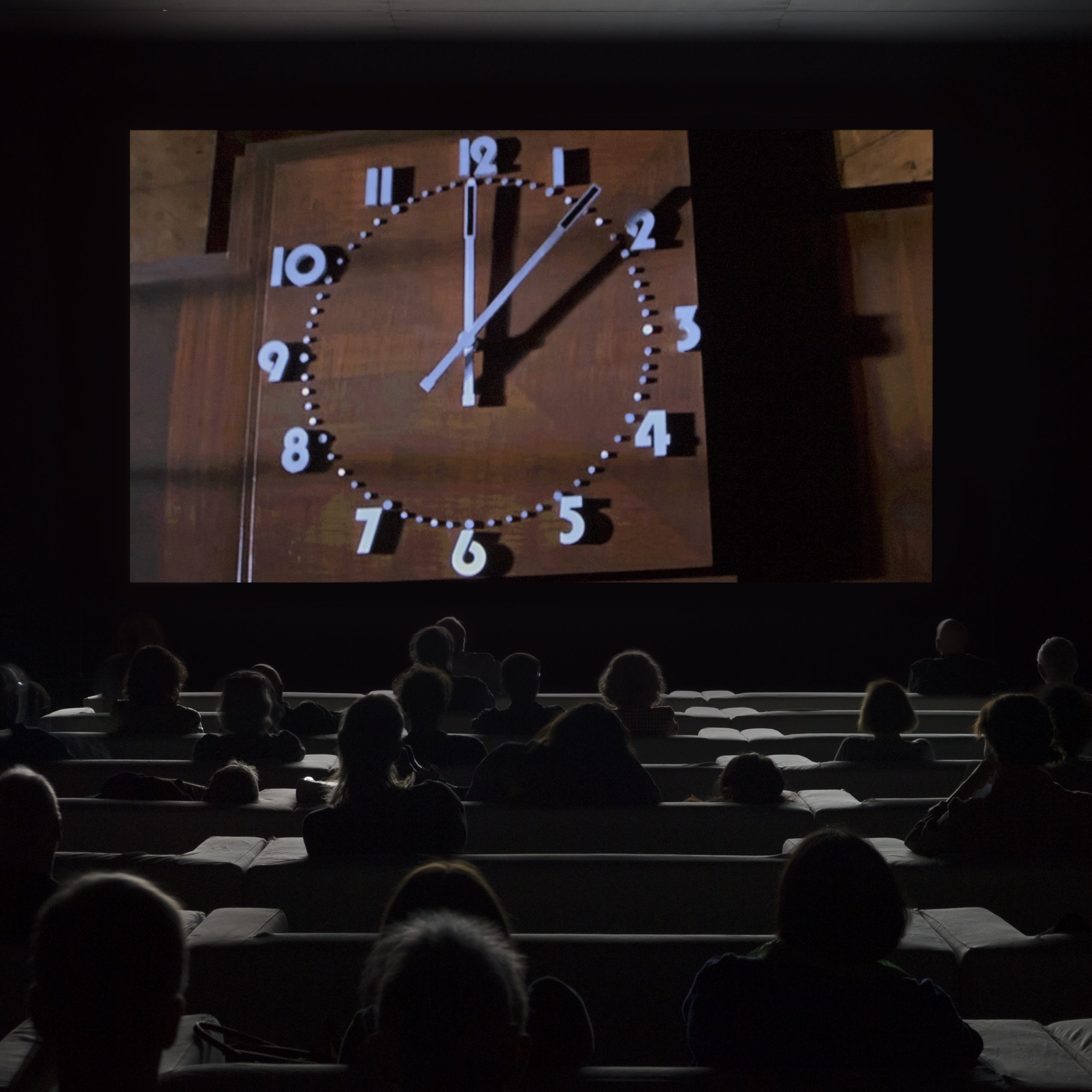
In his first show for the house of Celine, Hedi Slimane paid tribute to the Swiss-American artist Christian Marclay. The designer revisited and transposed some of his artworks in his collection, printed on bags and clutches, or embroidered on couture dresses, kimonos… At the same time, Christian Marclay was taking hold of the Tate Modern with his major piece The Clock, shown for the first time in London in 2010. A year later, the artist received the Golden Lion award at the Venice Biennale. The 24-hour video installation is composed of thousands of edited clips for a captivating and poetic result.
Interview by Maïa Morgensztern.
Published on 3 September 2020. Updated on 21 May 2026.
Numéro: It took you three years and an army of assistants to create The Clock. What was this experience like?
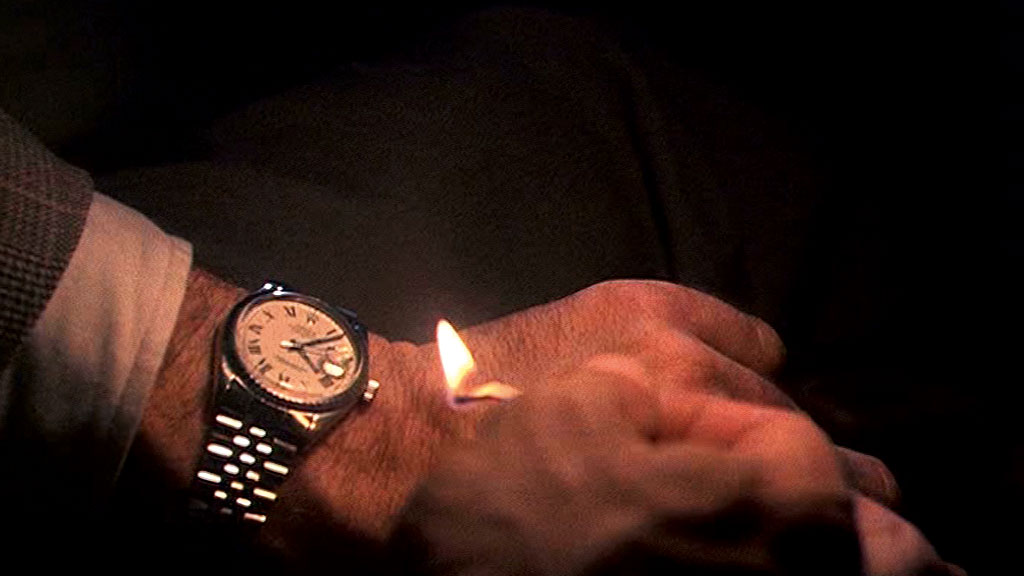
Christian Marclay: The process was long and difficult. We watched thousands of films, extracting sequences that showed the time and storing them according to the time shown on a computer. Then, we had to find connections between each scene that were completely disconnected and edit them. Every time we wove an interesting link, there was that rush of adrenalin and tangible excitement in the studio. We would start all over again for the next section. It was those little moments of chronological satisfaction that kept us going, when a section seemed to tell a story that we had completely invented. It was a monumental challenge and there were times when I thought we’d never get to the end.
There is no resolution in the narrative, which could be frustrating. Yet, The Clock has been round the world, often with sold-out shows. How do you explain the audience’s reaction to your work?
It’s true that the audience has no means of knowing what will follow, nor can they anticipate the next action. It could be frustrating for them, yes! In fact, I was surprised by how much time people spend watching it. Some set themselves a real marathon session, trying to see as much as possible in one go. Lots of artworks require several visits to be truly understood, and in my opinion, those are the ones that most deserve our attention. There is no mystery with The Clock. Everyone leaves with a different experience, whether they are a movie buff or a straightforward spectator. Every visit is a surprise.
Ultimately the scenes that were the hardest to edit are those that are least seen, between one and five in the morning. Most people will never see the whole film, and even you haven’t seen it in in its entirety since the editing…
I would have liked the work to be visible 24 hours a day. But the logistics and costs were just crippling. There are several all-night sessions at the Tate Modern, which is already pretty cool! It was obviously out of the question to show the off-peak hours at another time. The work must be seen in real time. That’s not a technical whim, but because the scenes tell different stories according to the time, like in real life. At night there are lots of dream and fantasy scenes.
The viewer is also probably tired, trying not to fall asleep. For example, he may drift off and wake up in the middle of a nightmare scene. Or he could rub his eyes and fall asleep, while an actor is doing the same thing on the screen. It creates a real link between the work and the spectator, a bit like a communion. That wouldn’t have been possible with a similar scene happening at 10am.
After having seen so many films, do you confirm that midnight is crime time?
It’s certainly the moment I watched the most! I used midnight as the reference point for the sound, because it is the time when the craziest things seem to happen. I’ve seen so many very different scenes over the hundred years of cinema, all extremely rich. Showing midnight is a powerful cinematic act in itself. It’s that strange atmosphere that I try to relay with The Clock. That’s why I never lend the work, not even to researchers. It only makes sense in the context of a complete installation. To see it, you have to go to the Tate Modern, the Pompidou Centre or the Israel Museum in Jerusalem, who bought a copy. I am very aware of limiting the diffusion of my work. It’s a bit like a Rubik’s Cube… Everything is linked, there’s no point in having just one bit of it!
The Clock by Christian Marclay is on display at Tate Modern until January 20th, 2019.