1
1


3 queer artists shaking figurative painting up to discover during Pride Month
For Pride Month, Numéro focuses on 3 rising queer artists giving figurative painting a new lease of life in Paris. Discover painters Matthias Garcia, Anthony Cudahy and Louis Fratino.
By Matthieu Jacquet.
Published on 21 July 2021. Updated on 1 July 2026.
Matthias Garcia’s springtime phantasmagoria
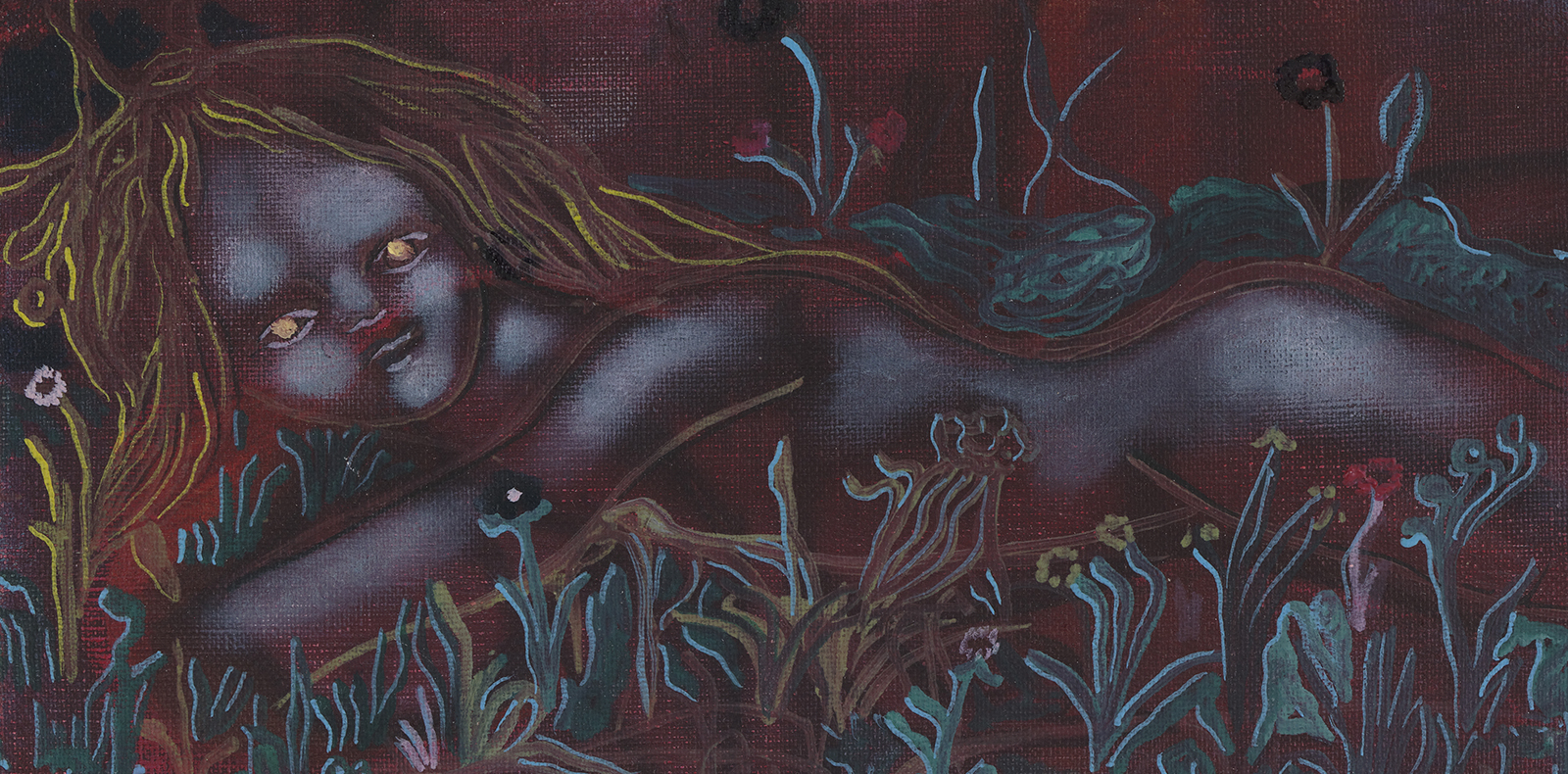
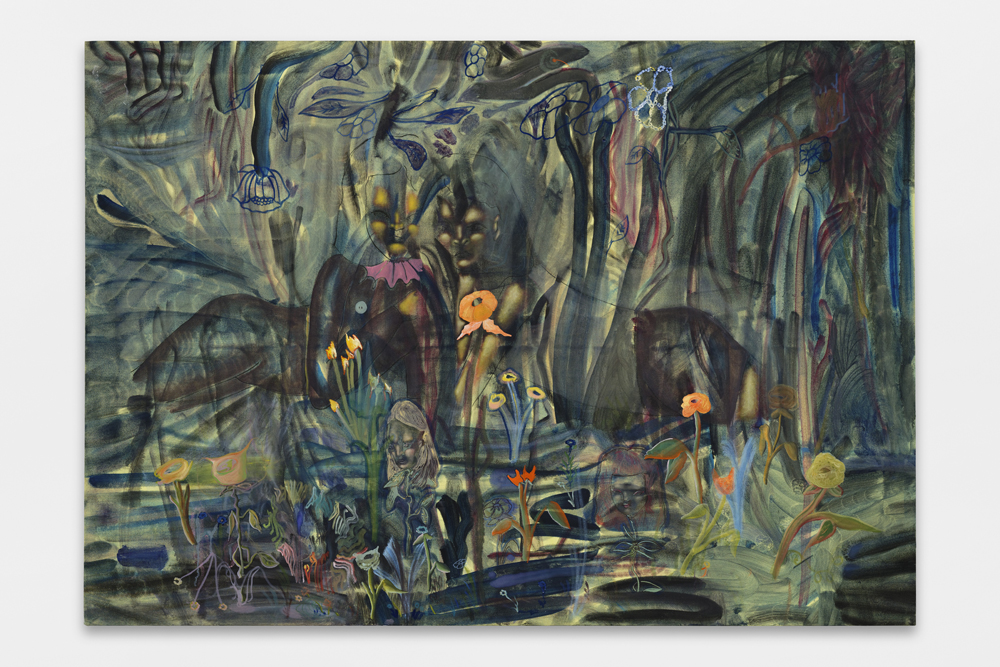
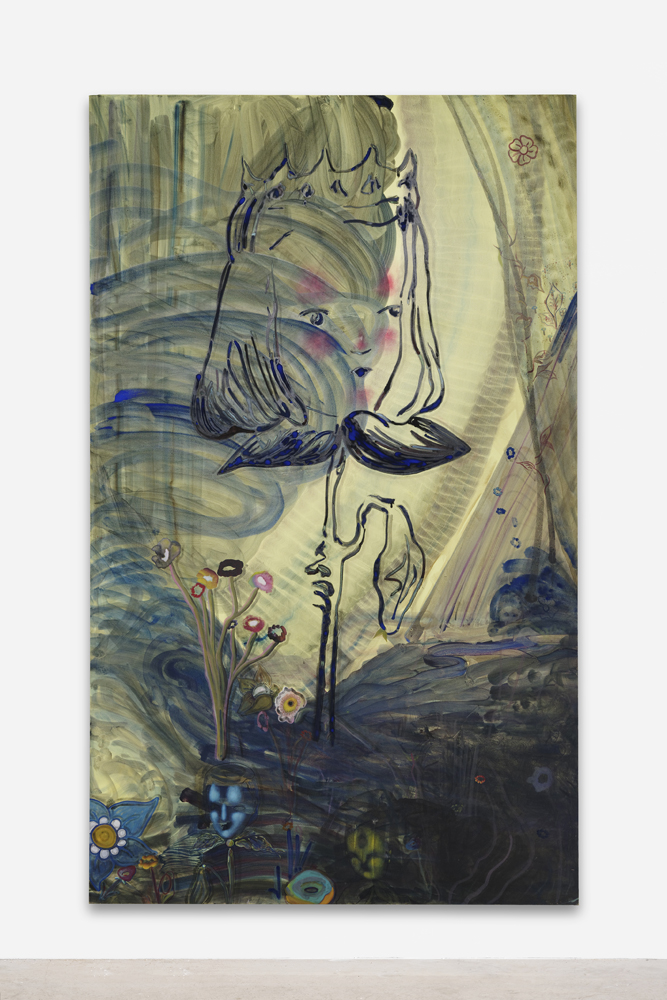
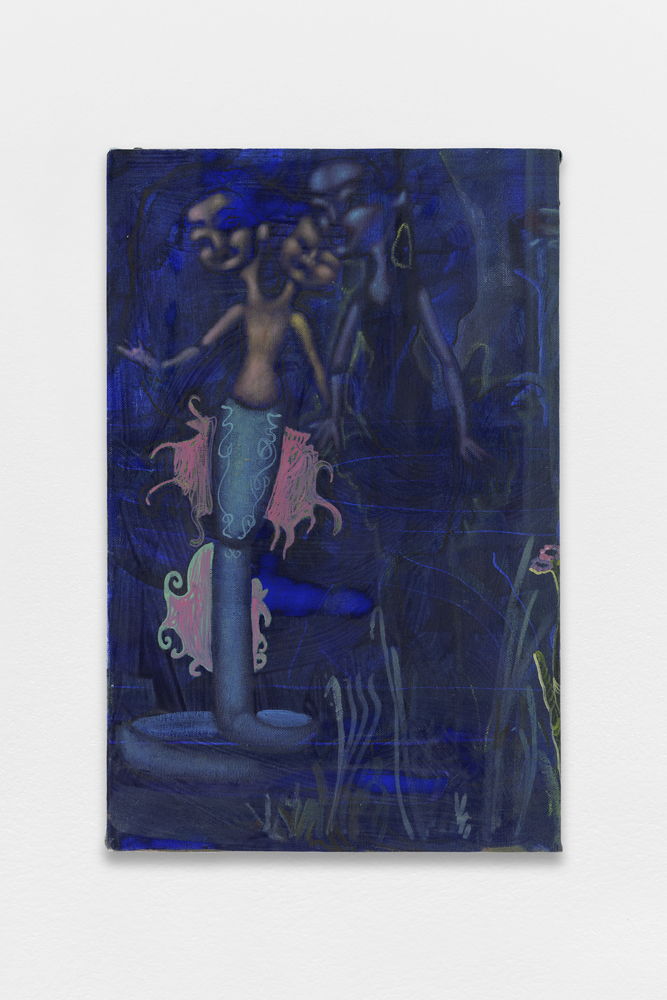
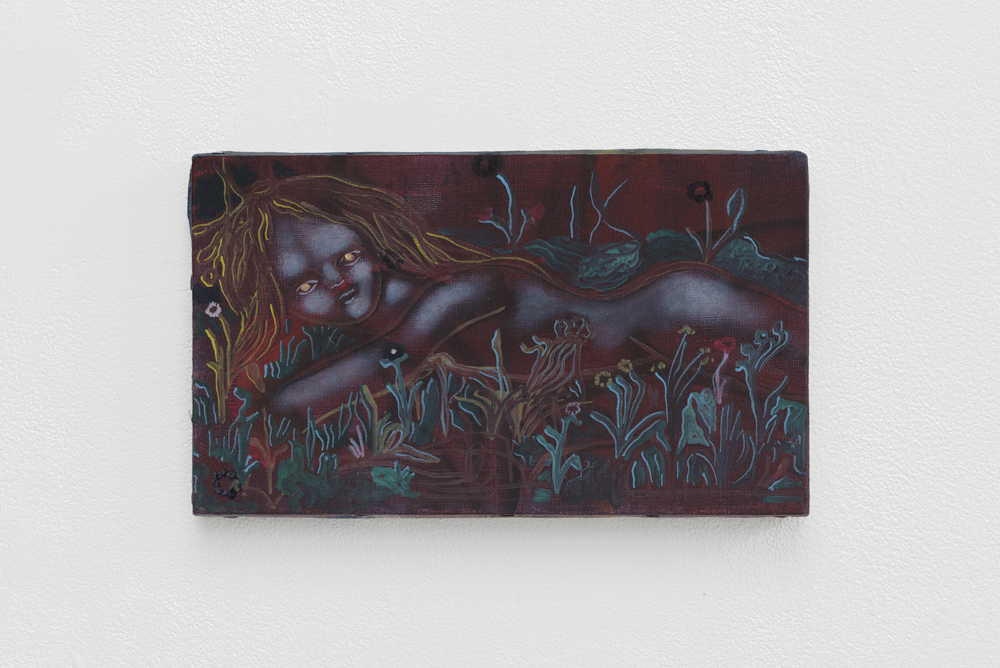
Matthias Garcia’s favorite season is no secret — spring. But no regular spring, an eternal one where human and nature unite, where ground and water meet to form plentiful and joyful landscapes. Lustful nymphs and two-headed sirens live there together, flowers have baby faces while young girls wander through climbing plants, all of which are born from this young painter’s imaginary. His childlike characters merge into the greenery, become youthful ghosts lost in the toned-down hues of his paintings, while he awakens them with the help of some bright pigments. The 26-year-old artist, who just graduated from Paris’ school of fine arts, does not shy away from working on various formats, be them very small or very large ones. On canvas, he adds multiple layers of oil and acrylic painting to generate texture and create allegories of the depth of our subconscious.

Anthony Cudahy’s expressive painting
History painting and portrait have long dominated pictorial genres’ hierarchy. Another has flourished since the 17th century – genre painting. It doesn’t stage any hero or heroic scene, but an ordinary daily moment whose triviality becomes extraordinary. While French artists Jean-Simeon Chardin and Jean-Baptiste Greuze became masters of this genre during the 1700s, American painter Anthony Cudahy seems to carry on their legacy. The characters he paints are so involved in their action that they become oblivious to the viewer’s presence. Some are having intimate nighttime conversations, others are focused on tearing a canvas up or setting a camera up. From one painting to the other, these bits sometimes write a narrative, providing multiple angles to the same scene. The artist’s singularity lies in his expressiveness. His vigorous lines brush or scratch the canvas, while his luminous colors inform us on the scene’s emotions at stake. While blue is about dreams and softness, yellow conveys joy and glory and red, wrath and passion.

Louis Fratino’s tender and domestic homoeroticism
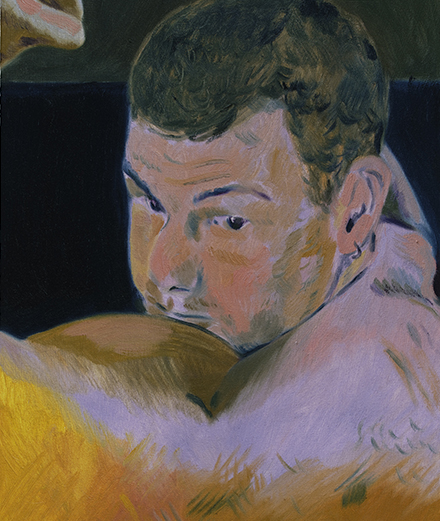
American painter Louis Fratino’s gesture is as round and tender as his subjects. While his brush strokes the canvas with circular continuous movements to make his shapes appear, his pencil scribbles and tickles them to bring out some texture and details. Tenderness also lies in the muscular masculine bodies starring in his works, lying and hugging themselves in those homoerotic scenes. Fratino’s attention to two-dimensionality is obvious. Hieroglyphs, bas-reliefs, cubist and naive paintings all seem to influence his practice, in which he brings most of his subjects to the forefront. Queer couple’s domesticity is the main focus. Thanks to warm colors, the painter creates welcoming and intimate homes, enhanced by lit fireplaces and tables filled with meals and bouquets of flowers. He also recently imagined bare fall landscapes with trees and swallows, bordering on contemplative melancholy.