11
11


The museum of failure: the catalogue of history’s greatest flops
All summer, Numéro is revisiting the quirkiest museums inaugurated around the world and from all periods of time. Our second stop is the Museum of Failure, which showcases the biggest failures of recent decades.
By Éric Troncy.
The largest collection… of failures
You cannot actually visit the museum per se, but you surely can take a virtual tour right now. The very act of trying to go there leads you to its main topic. The Museum of Failure lays all its cards on the table, presenting “a collection of products and services from around the world that were failures.” There are over 200 items, catalogued on its website (museumoffailure.com) and featured in travelling exhibitions. From Budapest to Shanghai, Los Angeles and Taipei, it’s hard to resist a good flop.
“All progress is built on learning from past failures and mistakes,” one can read on the website’s homepage. Multiple subjective categories sorts these blunders, including “In Bad Taste,” “Lack to Innovate,” “Digital disasters,” “Idea Failure”, “Medical Mishaps”…
The unexpected “archives” of the Museum of Failure
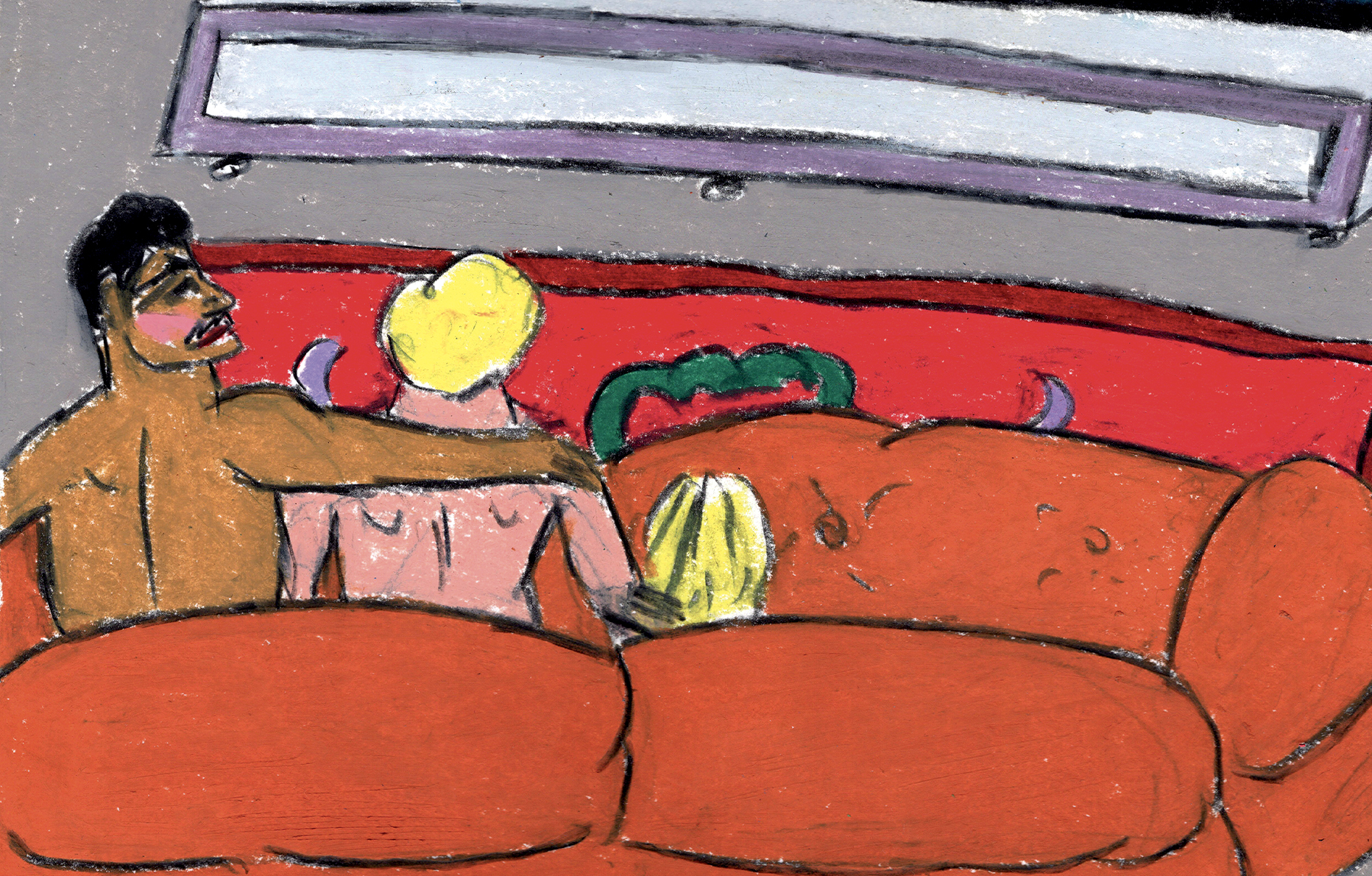
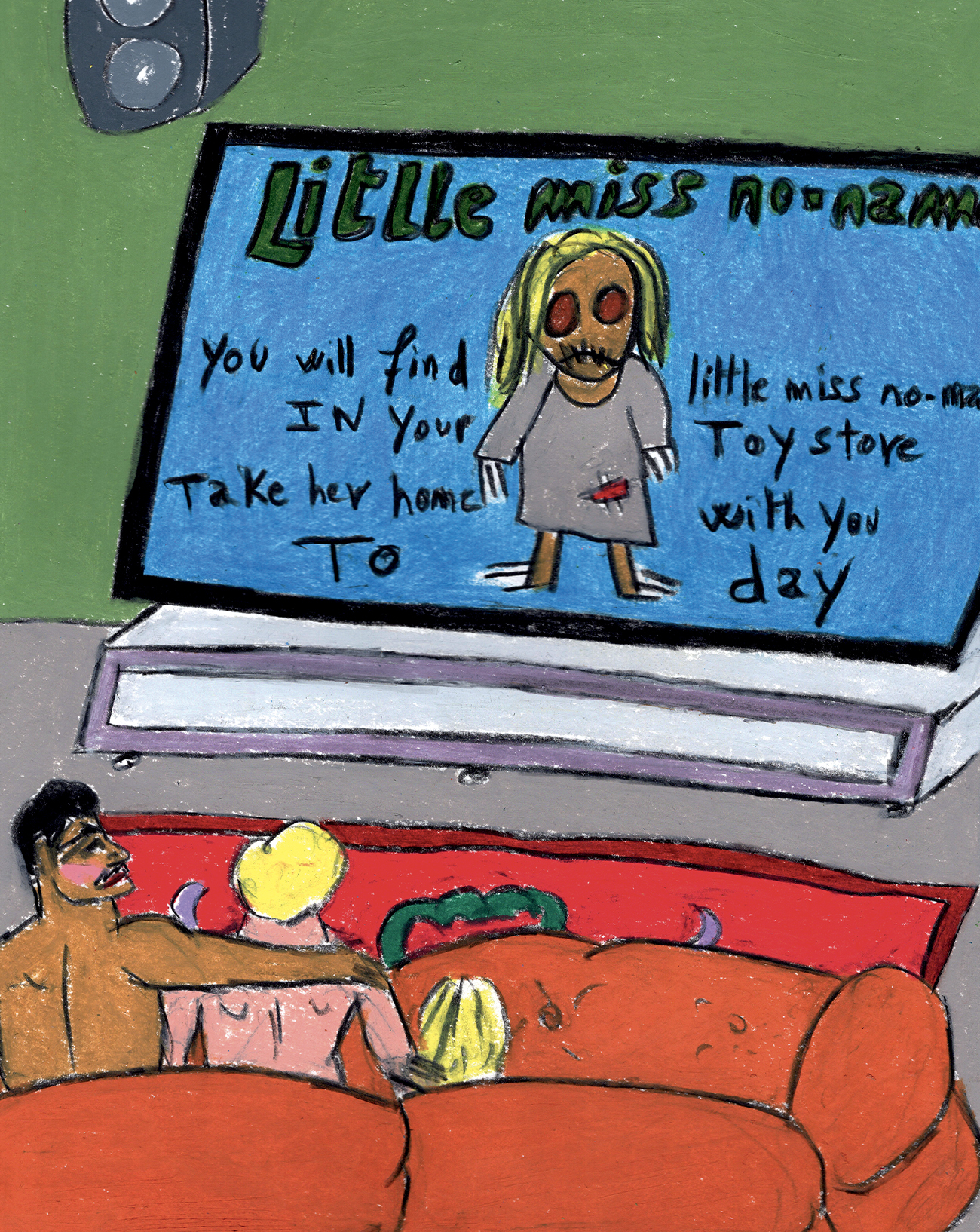
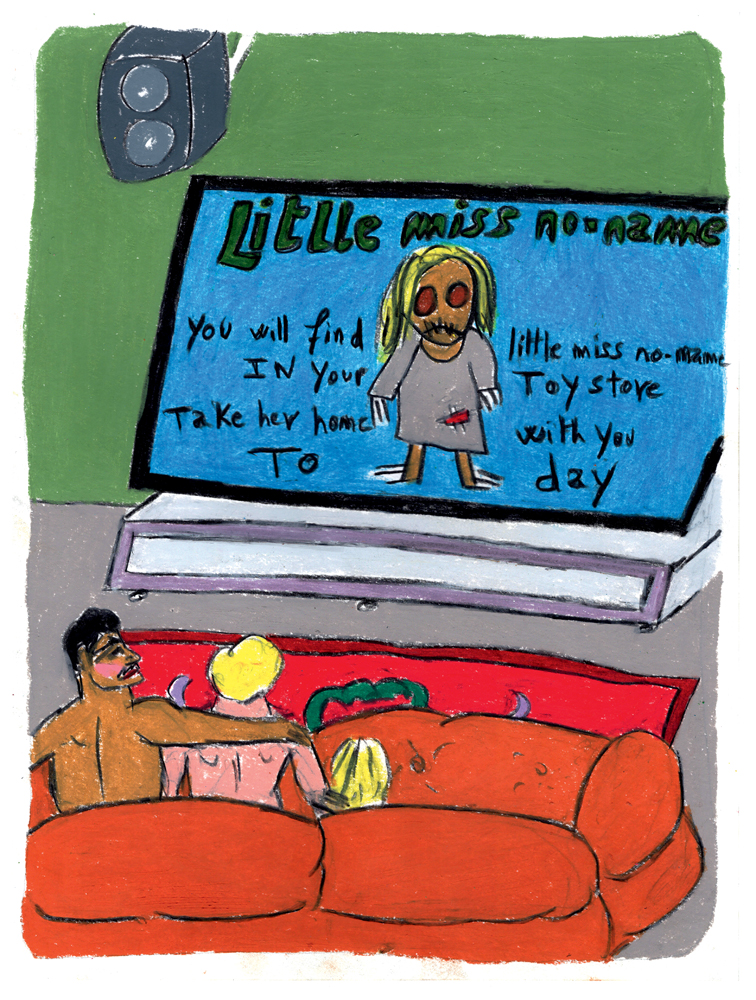
Among its more curious exhibits is the posthumous appearance of Little Miss No-Name, a homeless orphan doll created by toy company Hasbro in 1965 to compete with Barbie. Dressed in a poor burlap dress, barefoot, dirty, and with a removable tear on her left cheek, the doll was created to teach little girls empathy and compassion. Instead, it terrified its target audience and was swiftly withdrawn from the market.
Another highlight of its eclectic collection is the “brilliant” invention from Austrian start-up Amabrush. They designed the first automatic toothbrush, essentially two denture-shaped mouthpieces lined with bristles. The promise was to revolutionise oral hygiene by brushing every tooth in ten seconds – for the modest sum of $129. Although the crowdfunding campaign launched on July 5th, 2017 quickly reached $7 million in pre-orders, the device failed spectacularly, because it didn’t actually clean the teeth at all.
A fascinating virtual museum
Other gems include Crystal Pepsi (1992–1993), a colourless version of the famous soda designed to convey purity. “It would have been good to make sure the product actually tasted nice,” the company later admitted, after consumers promptly cancelled the bland drink.
Among Zimbabwe’s hyperinflation, Dyson’s air-purifying headphones, Colgate’s failed venture into frozen ready meals and Blackberry’s downfall against the iPhone (2008)… The virtual museum has kept an endless collection of spectacular flops. It sends us back to the museums we know better – those we can physically walk through. They might perhaps be entirely devoted to displaying another kind of failure, that of conformity.
museumoffailure.com. Open 24/7.