21
21


LVMH Prize 2025: Danial Aitouganov, co-founder of the sunny label Zomer
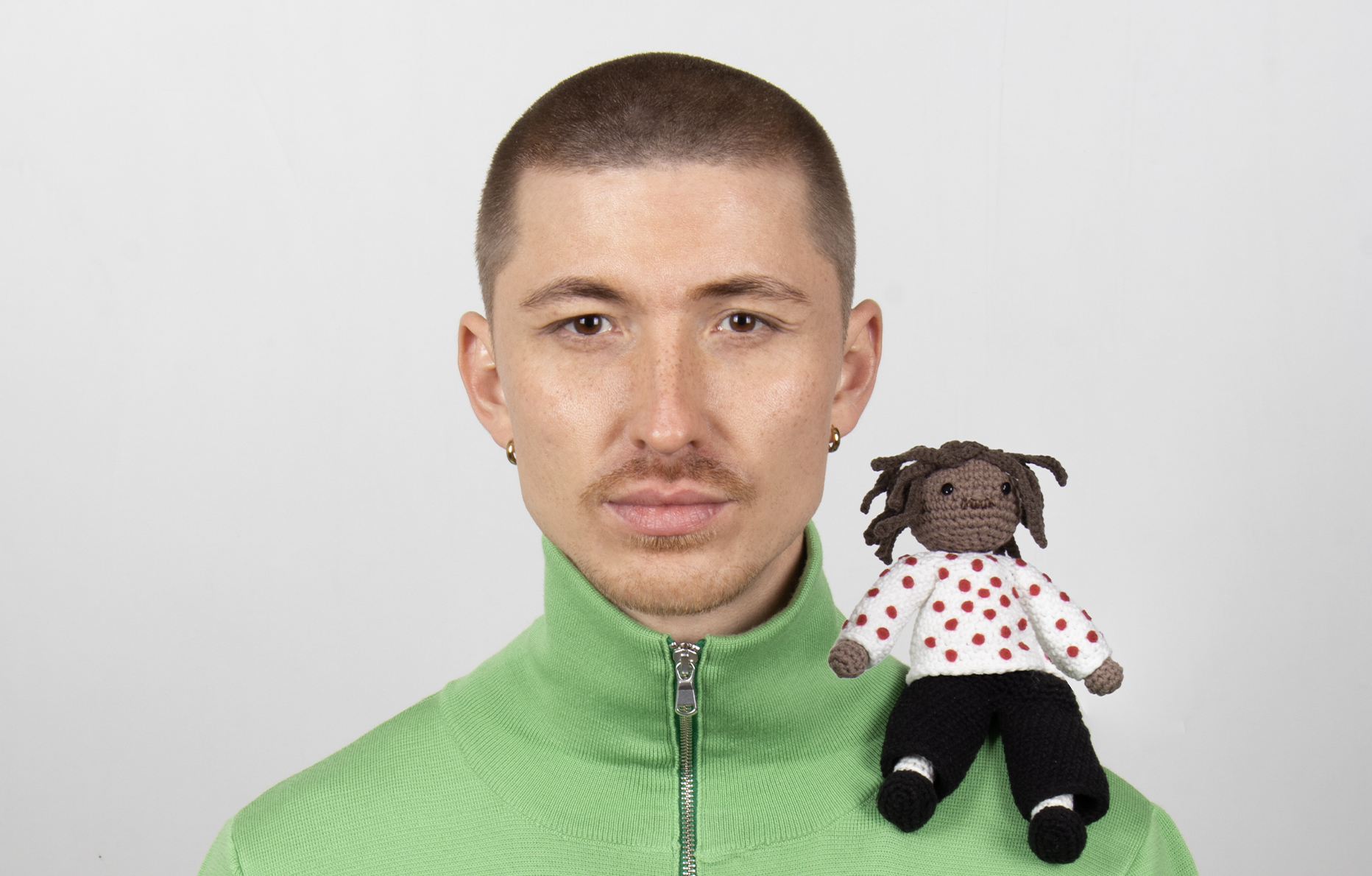
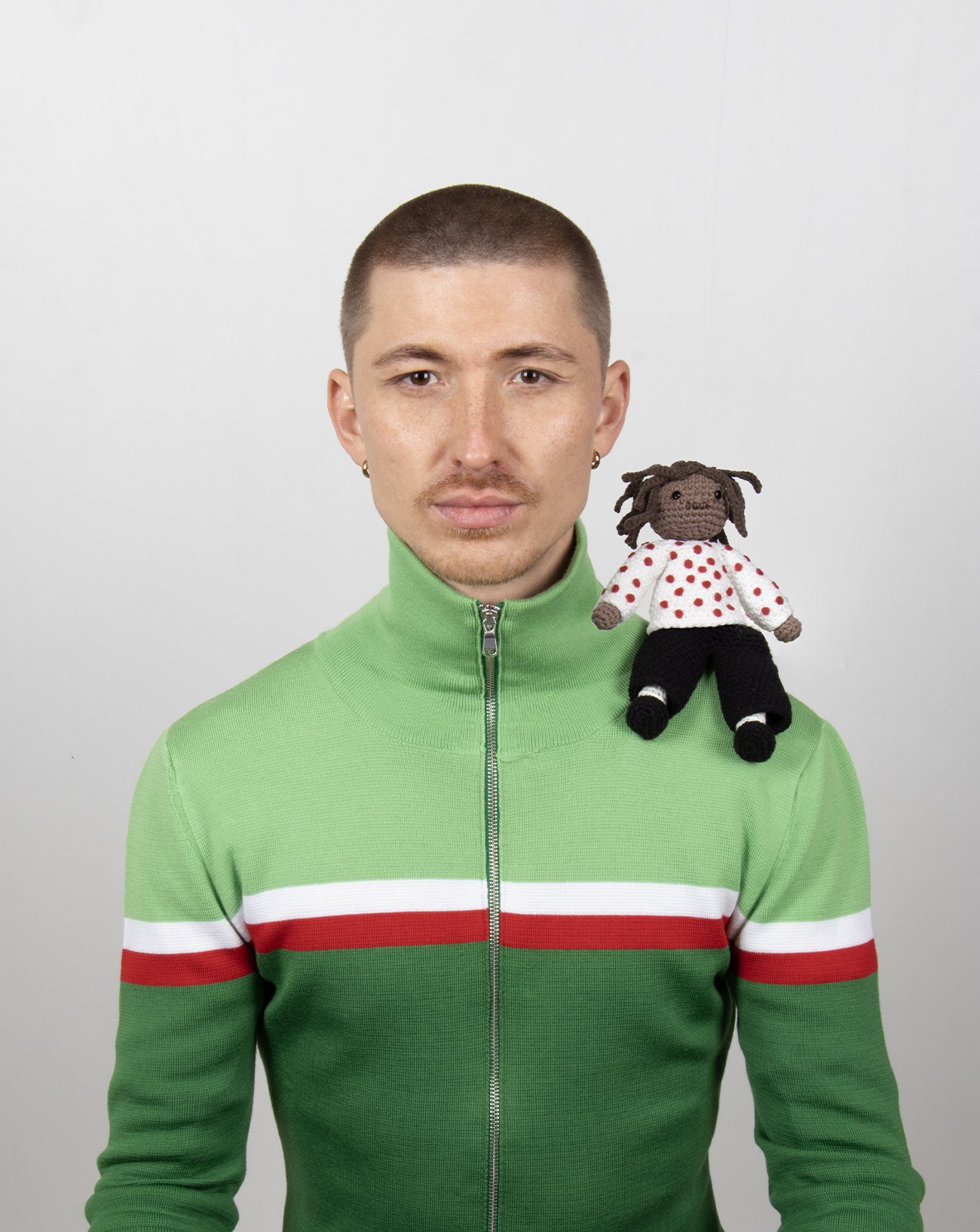
With his label Zomer, co-founded with renowned stylist Imruh Asha, Dutch designer Danial Aitouganov envisions a vibrant fashion approach, deeply rooted in his childhood memories. This year, the duo is among the eight finalists for the prestigious LVMH Prize. Numéro has met this passionate designer. Interview.
Interview by Nathan Merchadier.
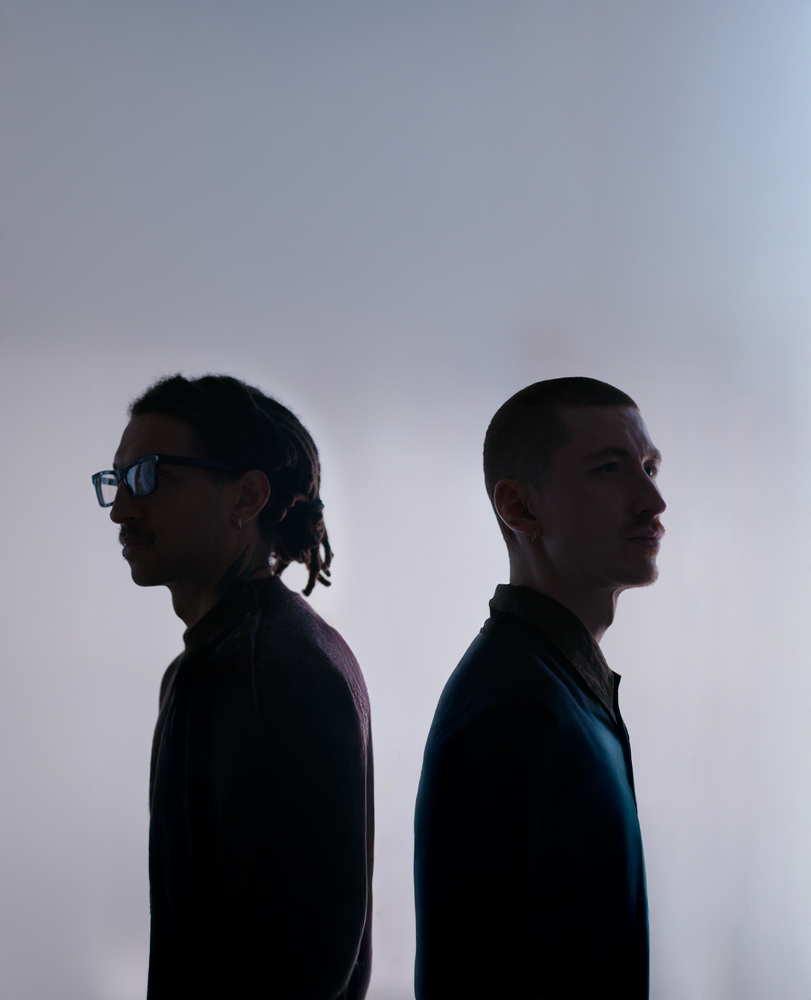
Zomer, finalist of the 2025 LVMH Prize
Sometimes a single accessory is enough to capture a fashion moment. An invisible bag made up of handles with no actual container, simply hanging from the crook of the arm, has recently gone viral on Instagram. Behind this whimsical, coveted item is Zomer. Founded in 2023 by designer Danial Aitouganov and stylist Imruh Asha, this new Dutch label has been presenting its collection at Paris Fashion Week since its creation.
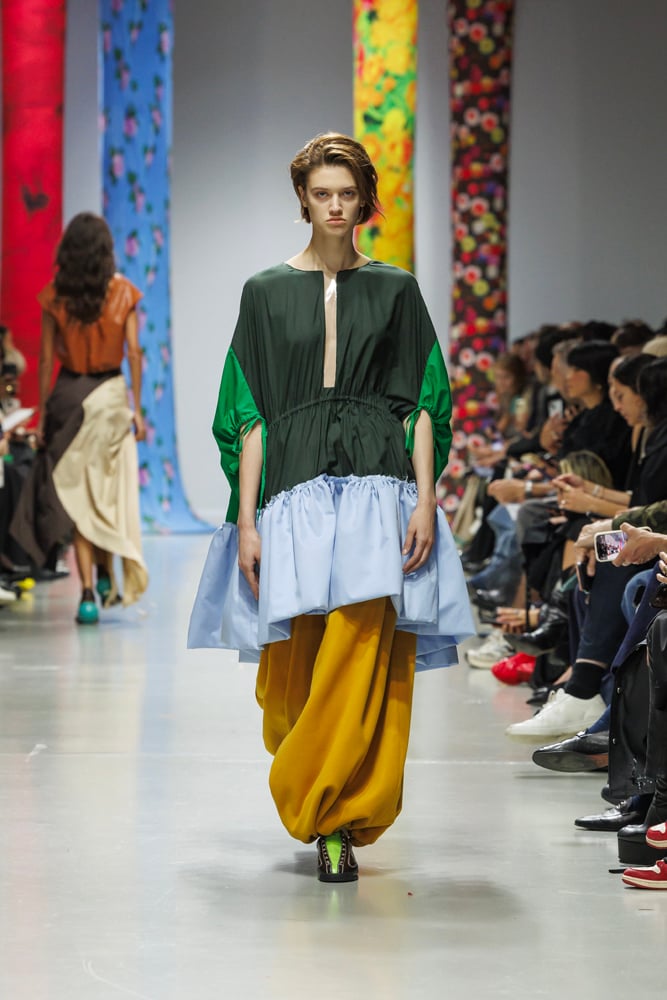
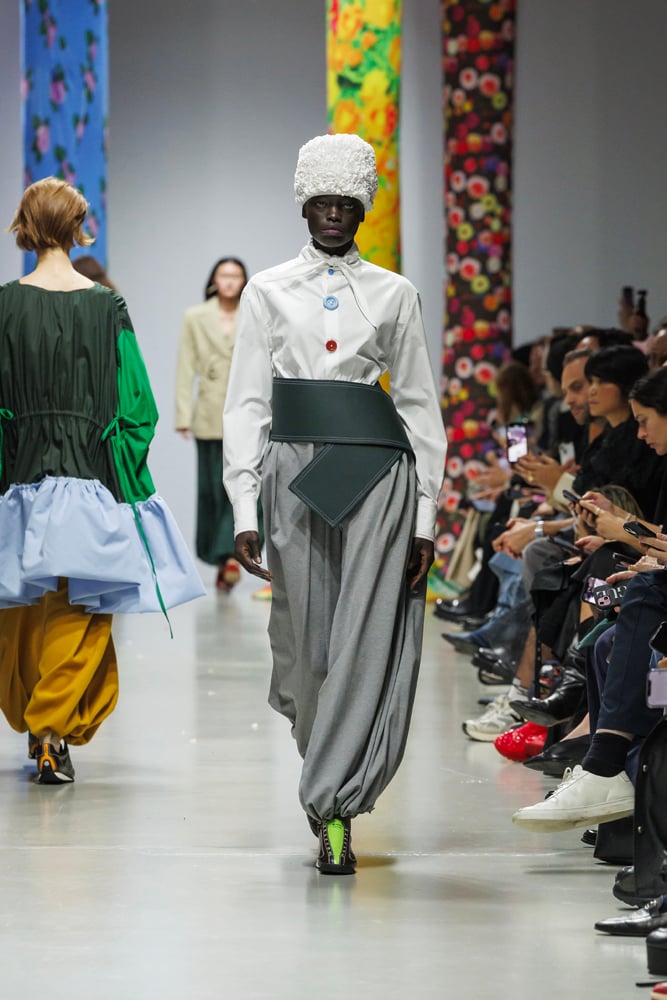
As finalists for the 2025 LVMH Prize, the duo has rapidly made its mark with their signature style blending experimental silhouettes, childhood nostalgia, and kaleidoscopic colour palettes. Their brand, whose name means “summer” in Dutch, exudes a naturally free, sunny energy and storytelling to offer a wardrobe designed as a playful space.
With vibrant materials and stylized surrealism, each one of their pieces is an act of exploration. And every visual campaign they release, staged like a short film, reinforces their ambition to create an all-encompassing world where fashion, cinema, and contemporary art collide.
To translate this vision, the duo frequently collaborates with renowned photographers. Among them is the brilliant Viviane Sassen (also Dutch), whose graphic and colourful universe beautifully aligns with that of Zomer. Interview with one designer from the duo shaping the future of fashion design.
Interview with Danial Aitouganov, co-founder of Zomer
Numéro: When and why did you create your label Zomer?
Danial Aitouganov: I had been working in the fashion industry for about ten years, and so had Imruh Asha. We had always dreamed of creating something together, but we didn’t have the experience, means, or network at first. Zomer was born out of a need for personal expression. I was tired of bringing someone else’s vision to life. As for Imruh, he often felt restricted in his shoots because of commercial constraints.
If you dig deep into yourself, what’s your earliest fashion-related memory?
As a child, I was very particular about what I wanted to wear. My mother picked out my clothes, but I never agreed with her choices. There was a blue and white striped t-shirt that I loved, and we actually recreated a version of it in a previous collection.
A prestigious fashion journey from Chloé to Burberry
You trained at Chloé and Burberry. How did those experiences shape your own approach to fashion design?
At Chloé, it was all about mock-ups, experimenting with materials, working with draping and moulage. We shaped garments in space. Conversely, at Burberry, it was more about sketches, a more graphic approach. Today, I try to combine both in my own work. Sketching is quick, but it can result in something flat, while working in 3D allows you to grasp volumes.
Speaking of which, are there any designers whose work particularly inspires you?
Two women have always held a central place in my personal pantheon: Rei Kawakubo and Phoebe Philo. I admire Rei’s bold radicalism, her ability to challenge shapes and expectations. As for Phoebe, her early shows left a deep impression on me. Her clothes radiated such strength and elegance… I was a man, and yet I wanted to wear them!
How would you define the essence of Zomer?
Zomer is first and foremost a brand that plays with lightness and humour while cultivating a subtle sense of elegance. We always rely on high-quality materials, a legacy of our backgrounds in luxury, where rigour is key. At Louis Vuitton, for example, we would make three prototypes in premium materials before moving forward. That level of luxury is hard to replicate at Zomer today, but I’m always striving to reach that standard.
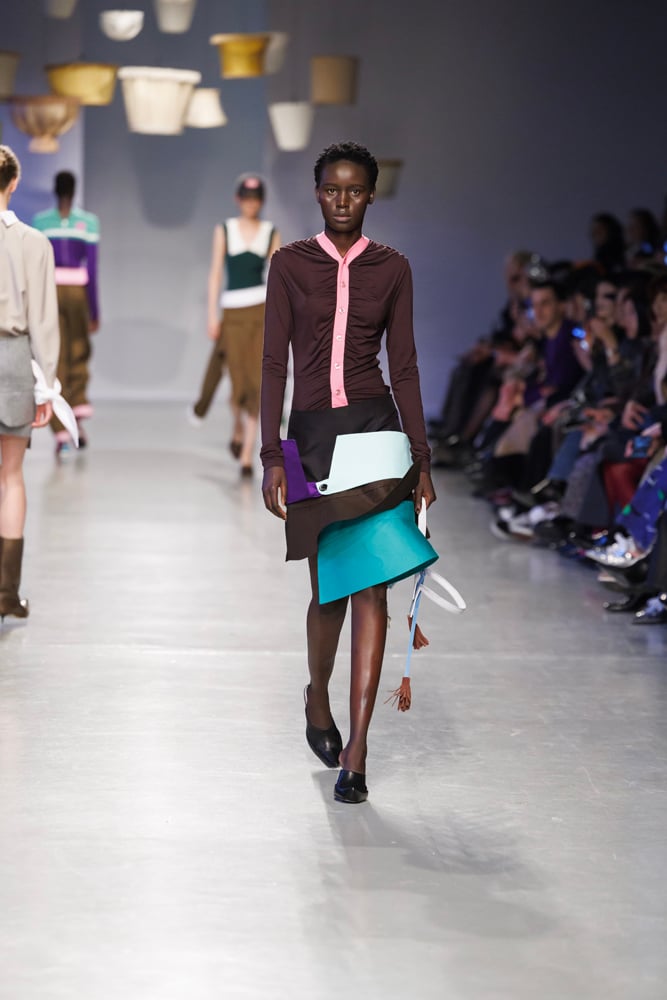
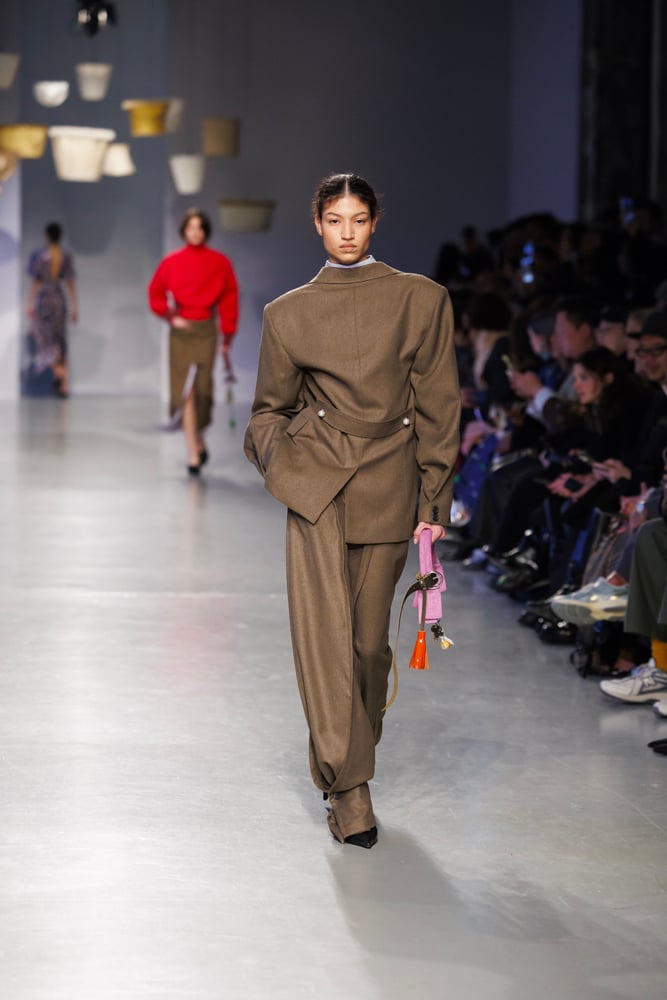
Behind the scenes of the invisible bag
What guiding principle helped you create your Fall/Winter 2025-2026 collection?
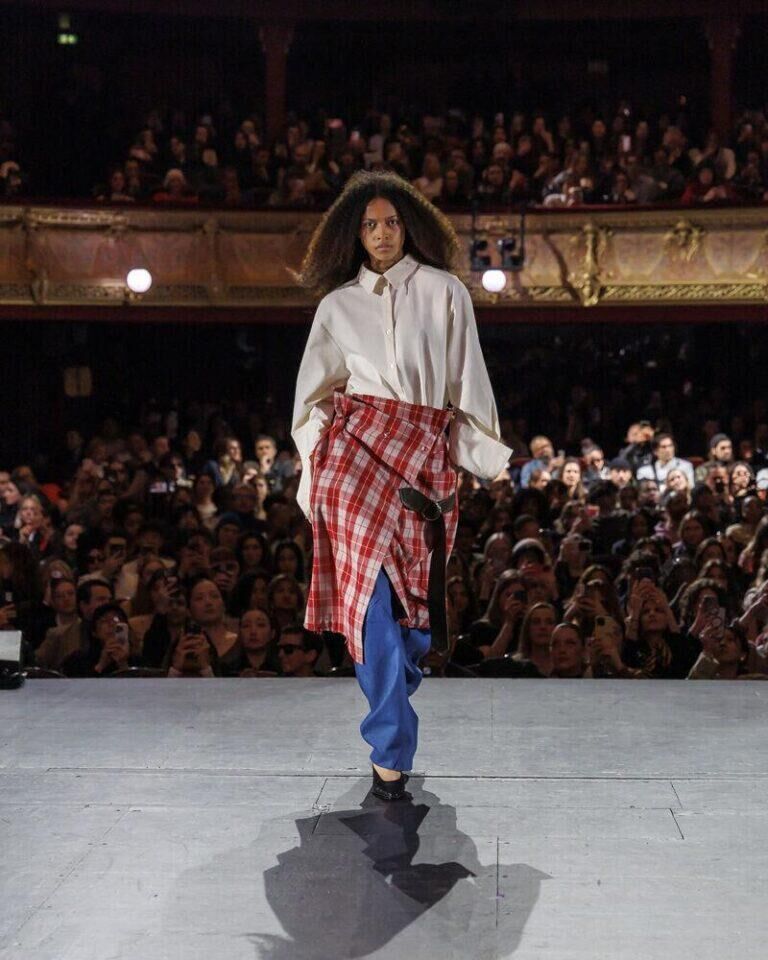
It all started with a conversation. I was going through a personal phase where I felt the need to look back at my life. Imruh suddenly said, “What if we created a collection backwards?” And from there, everything took shape. The show opened with the finale, and some garments were designed back-to-front. We had a lot of fun with it. Next season, we want to move straight into a 3D approach from the outset, rather than relying on Photoshop and sketching.
How did the idea for the invisible bag come to you?
It happened randomly. While sourcing materials for the collection, my interns and I came across bag components. One of them held them as if it were a bag and that’s how the idea was born. We wanted to turn it into a real desirable object, with refined finishes and attractive colours… And we could already feel it would go viral. We’re now in full production and already working on a more functional version for next season.
Your campaigns have a strong cinematic feel to them. To what extent does cinema influence your daily work?
Zomer is a platform, not just a brand. Visuals are an integral part of our language. We enjoy collaborating with artists who don’t necessarily come from fashion. For instance, Vincent van de Wijngaard, who photographed our latest campaign, comes from documentary filmmaking. He loves the clash between a “non-fashion” approach and the fashion world. It produces very powerful images. And for us, it brings real depth to the project.
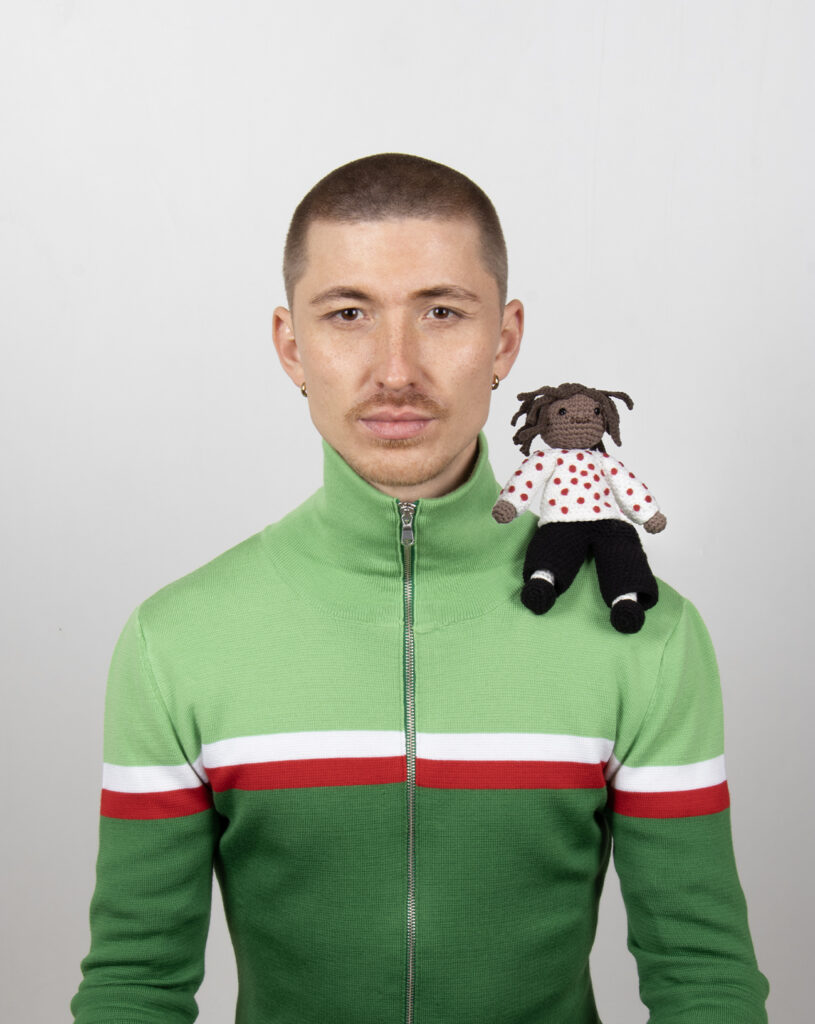
The LVMH Prize and the future of Zomer
You are among the finalists of the 2025 LVMH Prize. What does that mean to you?
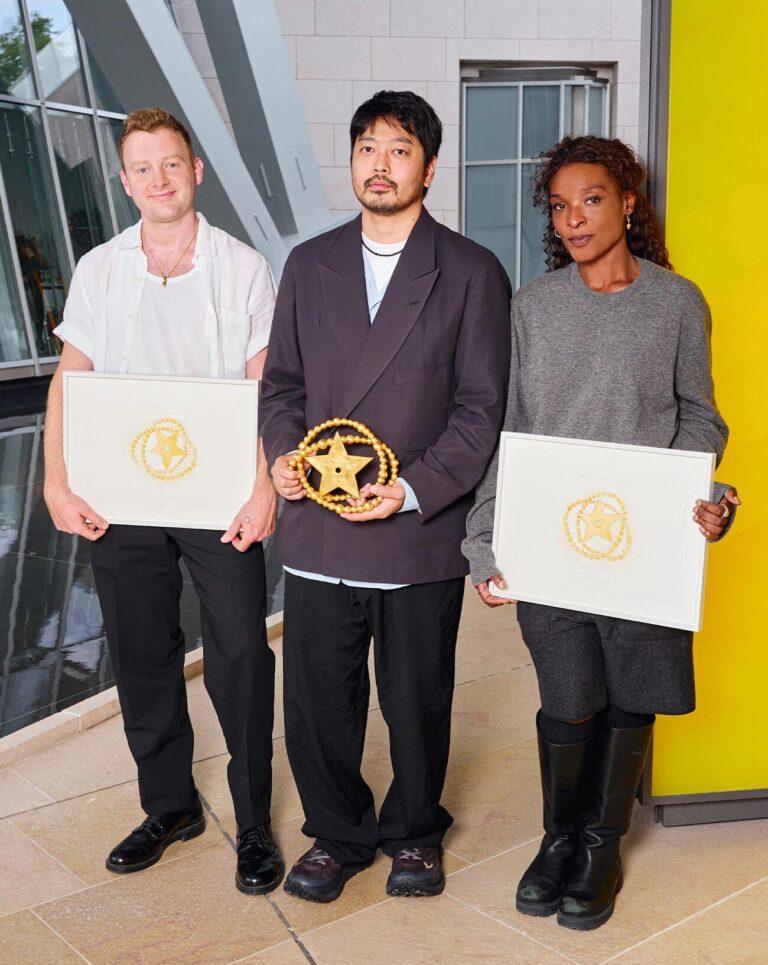
We’ve only existed for two years, so the LVMH Prize 2025 felt quite like an unreal dream. Hearing that we were among the finalists was a euphoric moment. It’s both an honour and a decisive milestone in the development of our house.
What are the main challenges your young, independent label faces today?
The main challenge is, of course, the budget. On top of that, since we don’t have a dedicated team for each area, we have to manage everything ourselves regarding finances, marketing, production, sourcing, design… It’s extremely demanding. We mainly work with interns, which has led me to discover areas that were completely new to me, like production and accounting. These aren’t my specialties, but I’m learning on the job. Once the brand will be profitable, my goal is to hire professionals, a product developer, for example, so I can focus on what truly drives me – creation.
How do you envision the future development of Zomer?
The priority is to structure the house. That is to strengthen product development, optimize our e-commerce platform, and stabilize production to offer high-quality pieces on a consistent basis. We want to build solid foundations and make Zomer a healthy, self-sufficient business that lasts.