9
9


How Karol G became a reggaeton icon
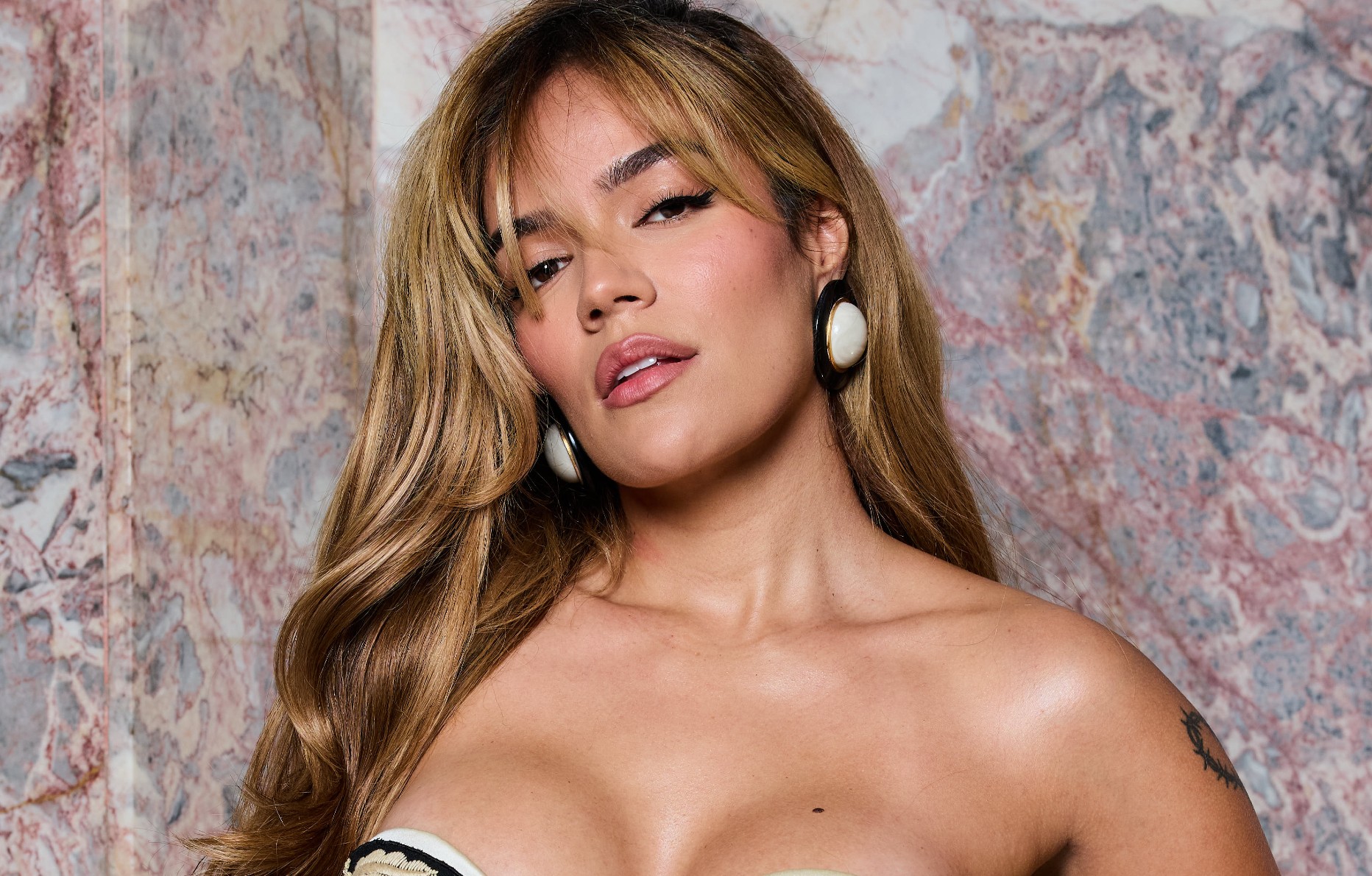
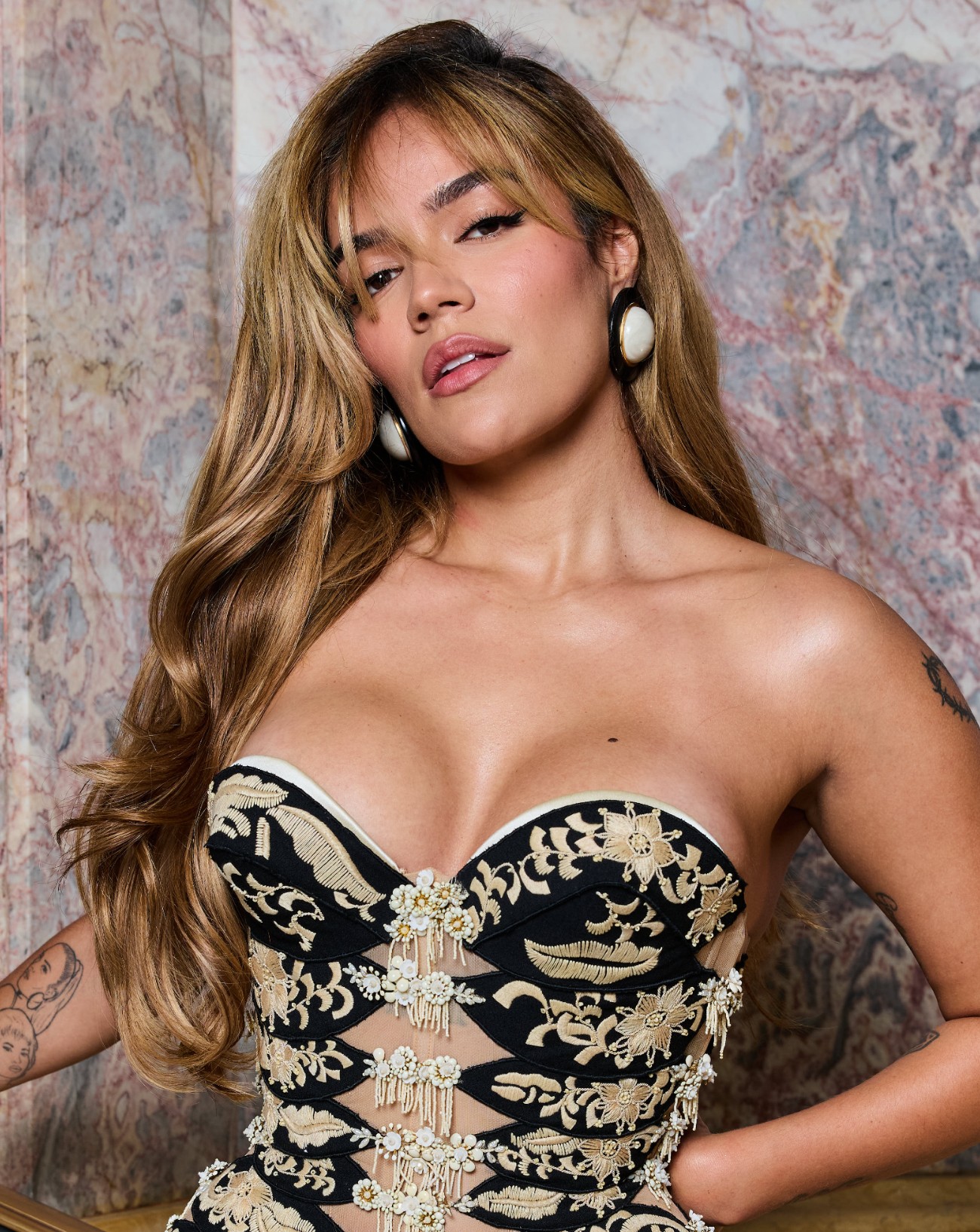
A leading figure in Latin music, reggaeton icon and collaborator of Shakira and Bad Bunny, Karol G has made a name for herself far beyond the charts. From her quiet debuts to her latest album Tropicoqueta (2025), the Colombian artist has charted a unique path. Throwback to the wild rise of an already major artist.
Published on 9 July 2025. Updated on 10 July 2025.

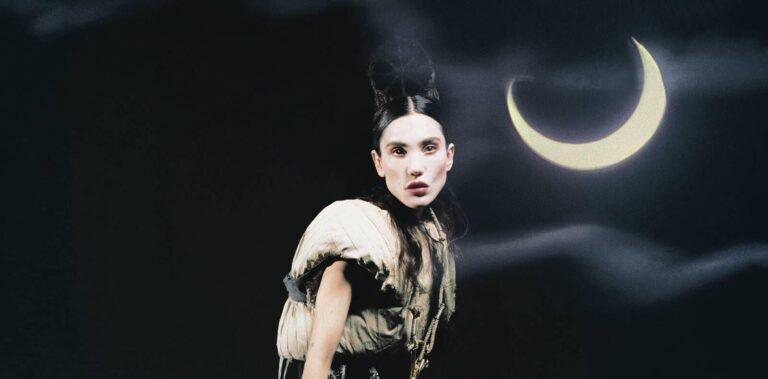
Alongside Dua Lipa and Cardi B, she made a lasting impression at the latest Schiaparelli show in Paris. Karol G has established herself as one of the key reggaeton artists in both music and fashion. She has even won several awards, including a Grammy Award and five Latin Grammy Awards. Yet, her rise to fame didn’t happen overnight…
Singer Carolina Giraldo Navarro, aka Karol G, began her musical journey at a young age. Born in Medellín, “the city of eternal spring” located in the Colombian Andes Mountains, from a modest, music-loving family, she enrolled at the local music conservatory at an early age. At just 14, she appeared in the debut season of the talent show El Factor Xs, the junior version of The X Factor, in 2006. Sadly, she was eliminated just before the galas broadcast live… But there was still a long way to go. Carolina Navarro also struggled to win over Colombian record labels. A woman had no place in reggaeton, they said. But, she powered through adversity.
Karol G’s rise: from music conservatory to global stardom
Between 2006 and 2017, Karol G, now 34, forged an unusual path for herself, far from the fast-track road to fame. She steadily built her career behind the scenes, releasing self-produced singles and low-profile collaborations. Away from the spotlight, she shaped her voice and identity, blending classic reggaeton with bittersweet urban pop music. 2014 was the year for a strategic pause in New York. She needed to grasp the inner workings of the ruthless music industry, and above all, of the massive business it represents.
Signing with Universal was a turning point in her career in 2016. It paved the way for her breakthrough of duet with Bad Bunny Ahora Me Llama, a anthem about independence and mastering desires. This track was the launchpad for her debut album Unstoppable (2017) and sealed her transformation from outsider to major figure of the genre.
The hybrid track, somewhere between Latin trap and classic reggaeton, skyrocketed on YouTube and propelled Karol G onto the global stage. Her single quickly racked up 900 million views – a milestone. But it was with Tusa (2019) featuring Nicki Minaj that her career really took off.
This post-breakup catharsis went viral and became an anthem for millions of fans. The mix of Spanish and English, self-deprecation, and razor-sharp production by Ovy on the Drums hit the mark. From then on, every release became an event. Karol G knew how to surround herself and collaborated with J Balvin, Anuel AA, Shakira, or Becky G, among others. All that without ever fading into the background.
A bold aesthetic, balancing power and vulnerability
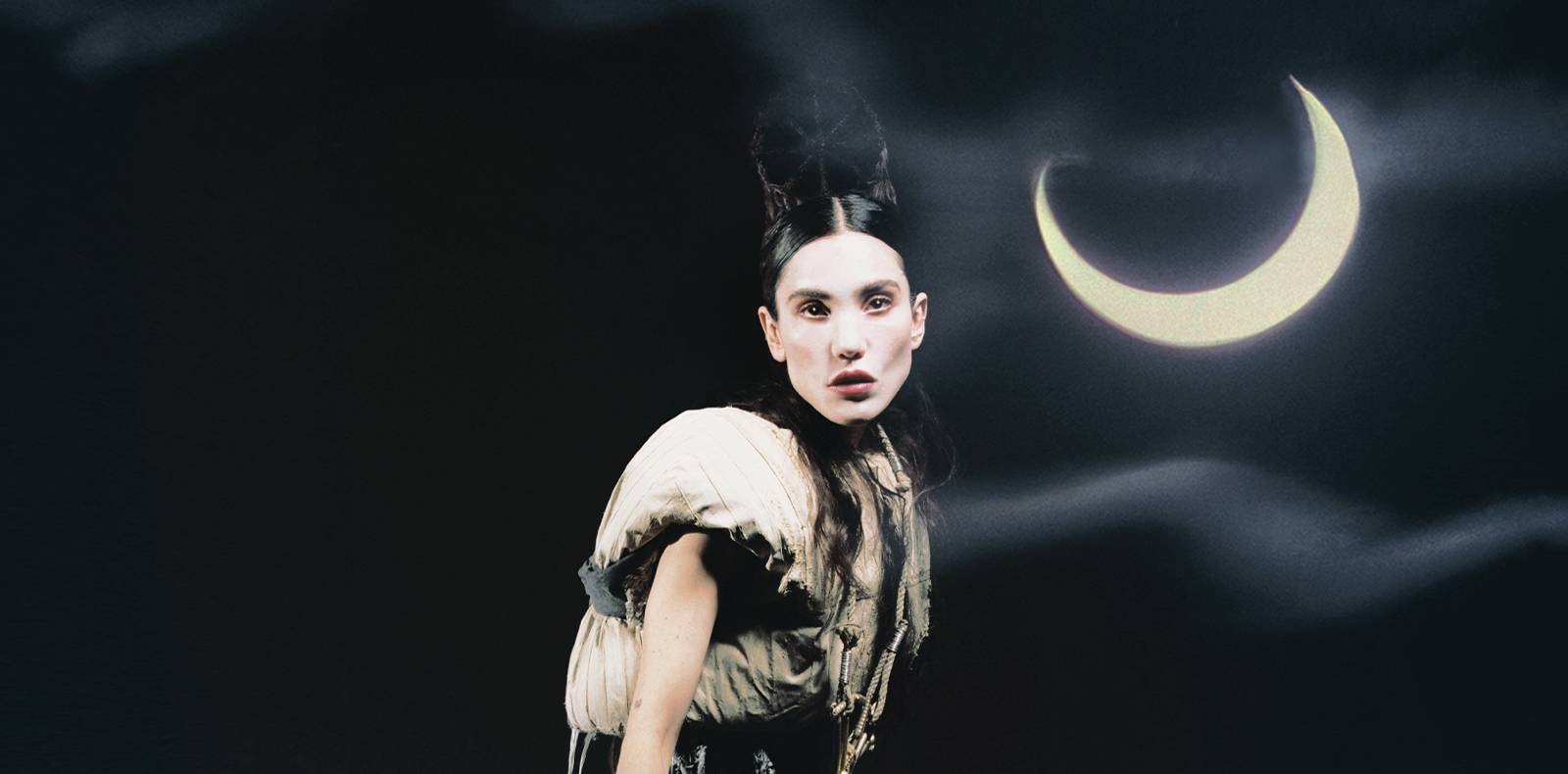
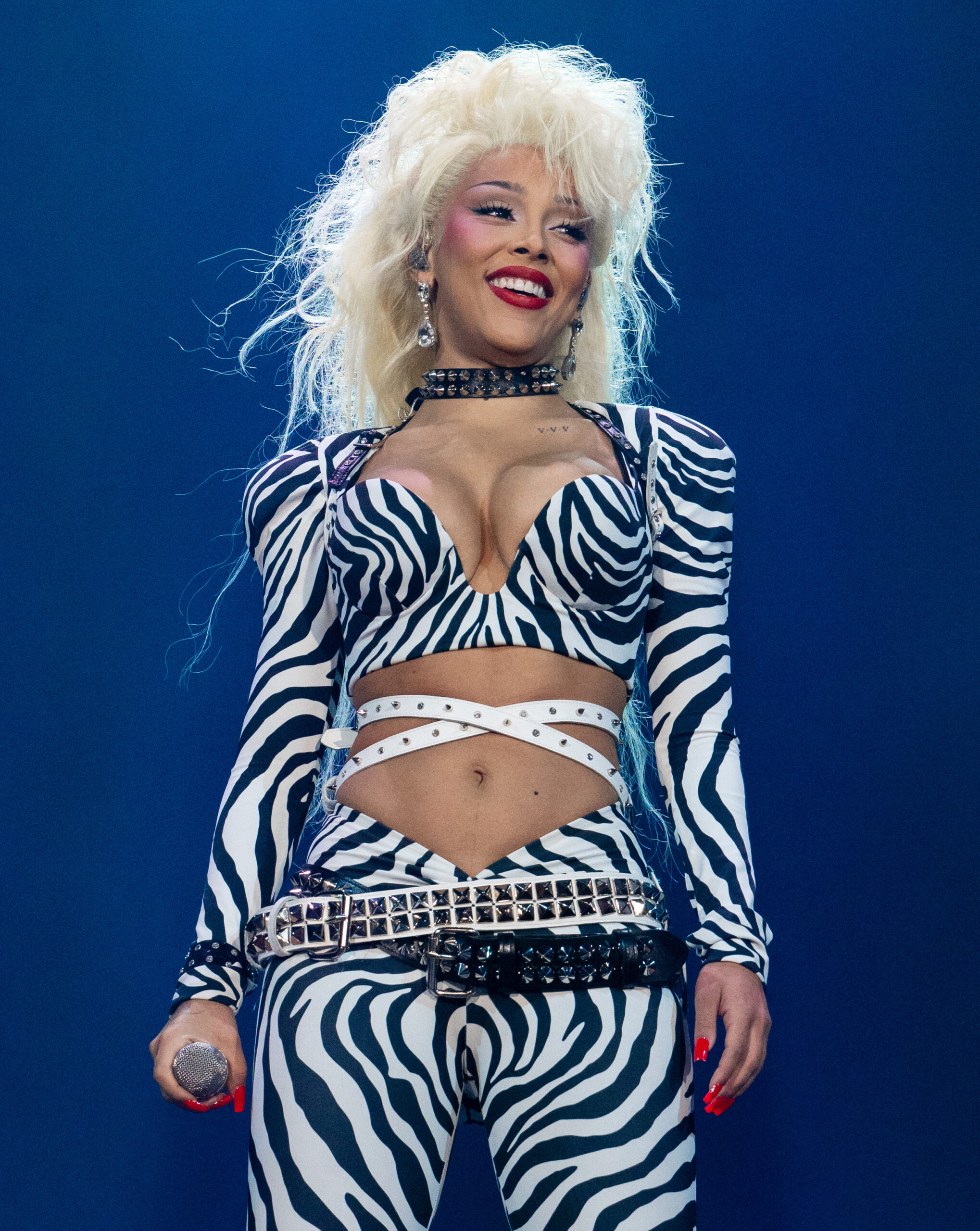
Visually-speaking, Karol G cultivates a strong, fluid, and at times paradoxical identity. Electric blue hair during her KG0516 era (2021), see-through dresses, visible tattoos… She embraces excess, yet rejects the “urban bimbo” label. Her half-retro, half-futuristic style draws equally from street culture and early 2000s glamour. The New York Times emphasized that she embodies a kind of “hyper-aware” femininity that is both commercial and subversive.
Musically-speaking, she navigates genres like reggaeton, trap, Latin pop, and even ranchera (200 Copas, 2021), a traditional Mexican genre from the late 19th century known for its patriotic, romantic, or melancholic themes. This hybridation of aesthetics reveals a desire to stand outside any box. According to Rolling Stone, the album Mañana Será Bonito (2023) marked a turning point. More introspective and personal, the record unveiled a singer searching for reinvention. Critics saw it as a response to the overexposure of her romantic relationships and a way for her to reclaim the narrative.
Karol G doesn’t just aim to “make people dance.” She wants to move, unsettle, even provoke them. In a still largely male-dominated industry, she is asserting her choices firmly.
Tropicoqueta by Karol G: a hot, intimate record
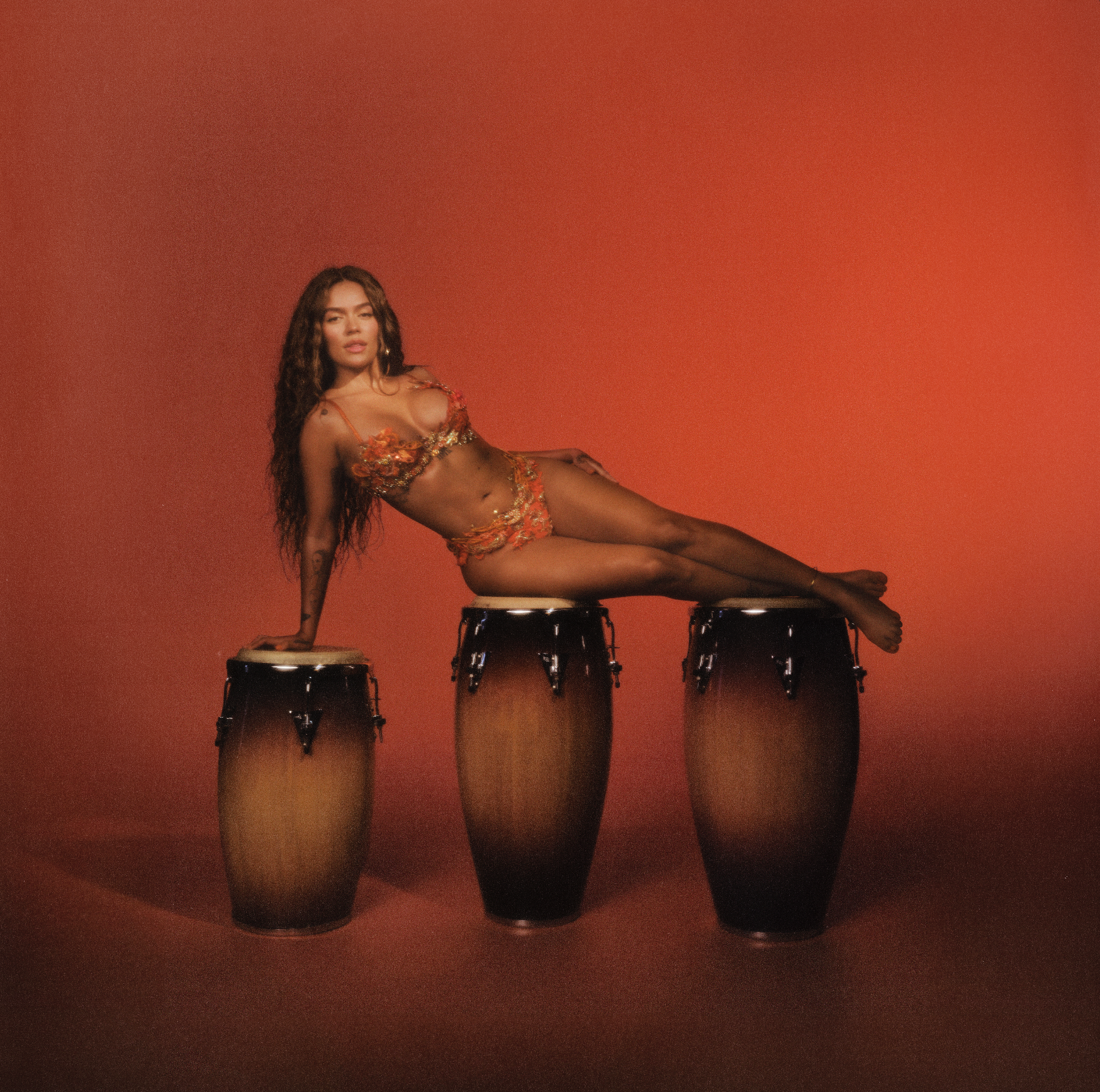
With the release of Tropicoqueta on July 2nd, 2025, Karol G delivers a dense, sensual album with striking maturity. The title, a feminized, tropical neologism, sets the tone – it is a personal manifesto. She explores a wide range of styles, from reggaeton ballad (Silencio en la Playa) to retro trap (Café y Ceniza), and even unexpected forays into house music (No Me Llames Más).
What’s striking is the precision of the production. Every beat feels like a breath, every pause is a caress. On Playa del Olvido, she tackles heartbreak with rare delicacy, over a pared-down acoustic guitar loop. Her album is less radio-friendly than her previous works, but more personal. It is made for her longtime fans, a love letter to Colombia.
The track La Última con Él, featuring Feid, is a gem. Their chemistry is tangible, the lyrics are elliptical, almost literary. The music critics have praised this new direction. Billboard qualified Tropicoqueta as “an offering of sincerity in an industry that no longer demands it.” With Tropicoqueta, Karol G is no longer trying to prove anything to the music world. She creates for those who truly listen beyond the numbers. Above all, she creates for herself.
Tropicoqueta (2025) by Karol G, available now.