21
21


Why Leonard Cohen’s cult song Hallelujah almost never saw the light of day
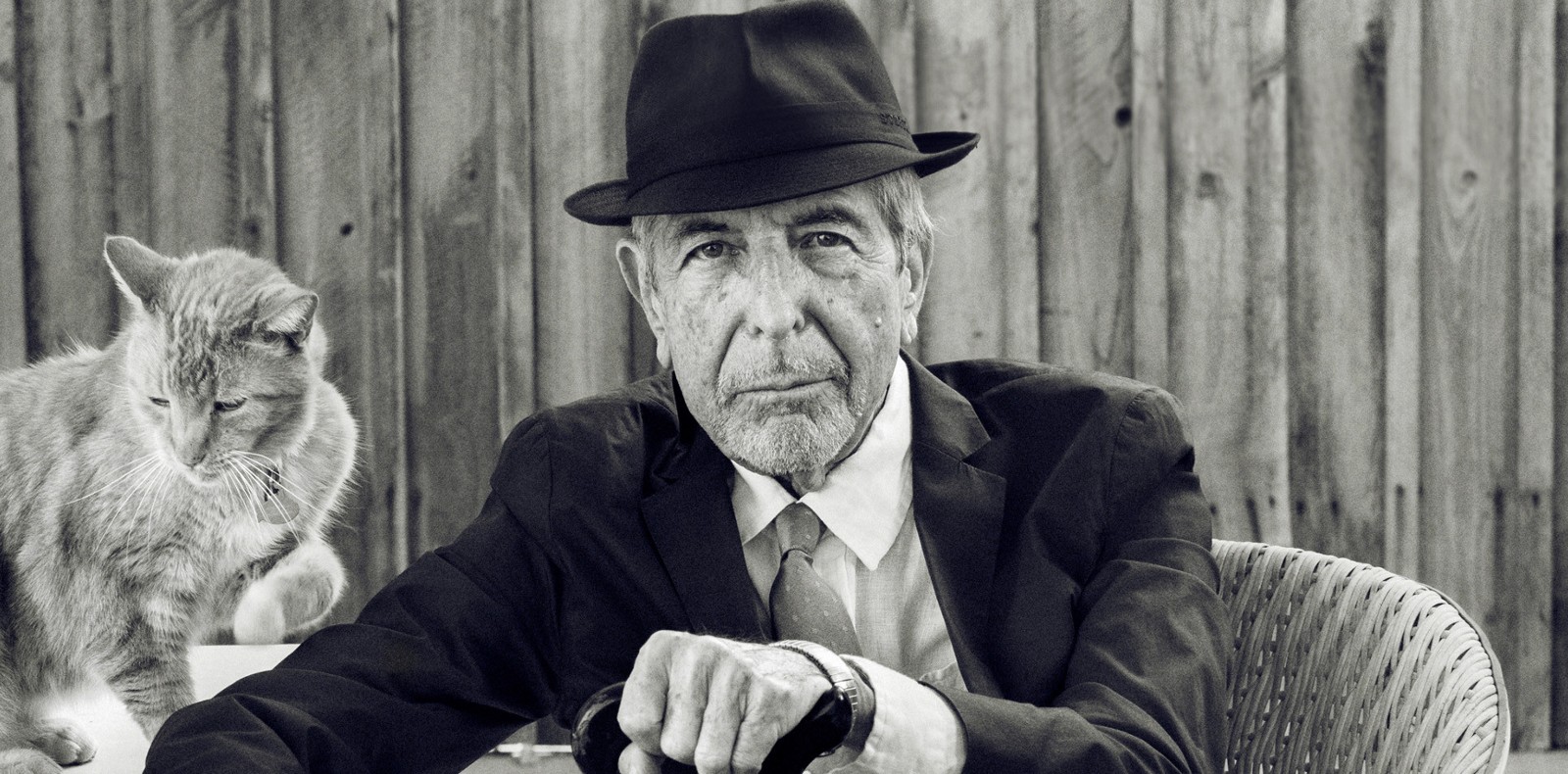
In 2021, American filmmakers Dan Geller and Dayna Goldfine tackled a monument in music with the biographical documentary Hallelujah: Leonard Cohen, A Journey, A Song. Full of rare archival footage and interviews with artists and personalities from the music industry, the film traces back the incredible genesis of the cult song Hallelujah (1984), written by Canadian poet and singer Leonard Cohen. A moving hit oscillating between sacred and profane, which almost never saw the light of day. The anthem has now become the symbol of rock and folk icon’s mystical quest, as well as many fans’ spiritual, or sensual, journey.
By Violaine Schütz,
translation by Emma Naroumbo Armaing .
Published on 2 November 2022. Updated on 21 April 2026.
The difficult birth of a monumental song
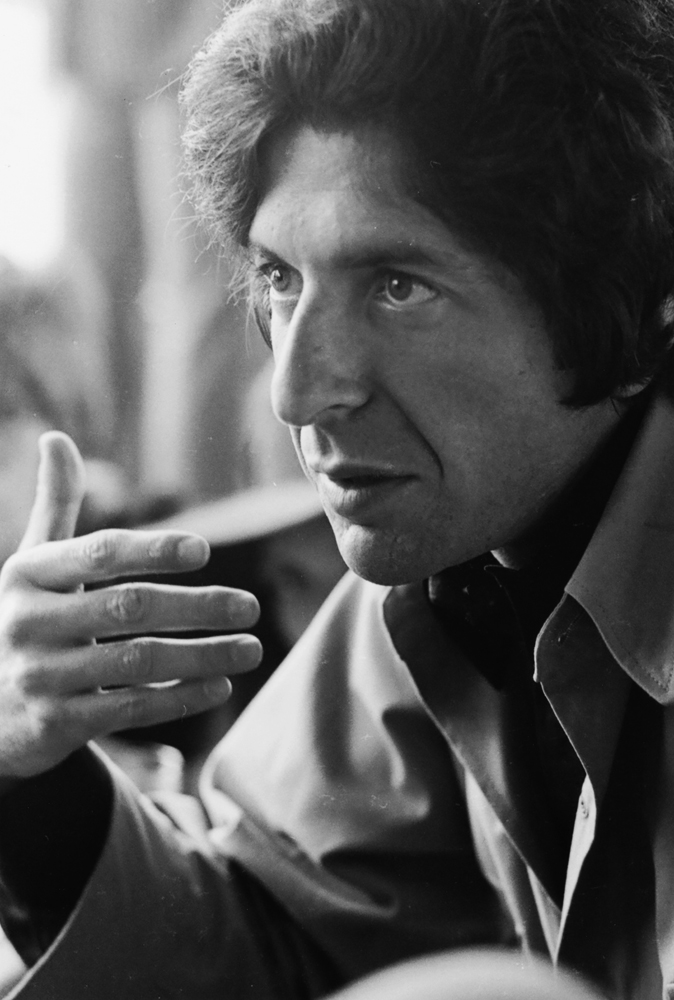
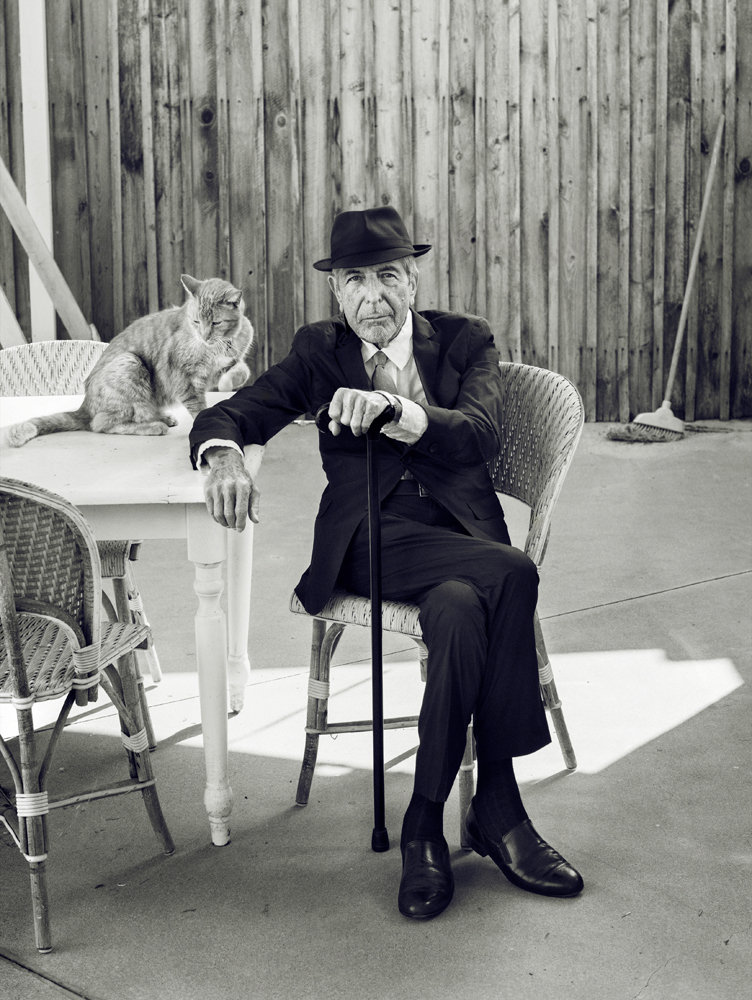
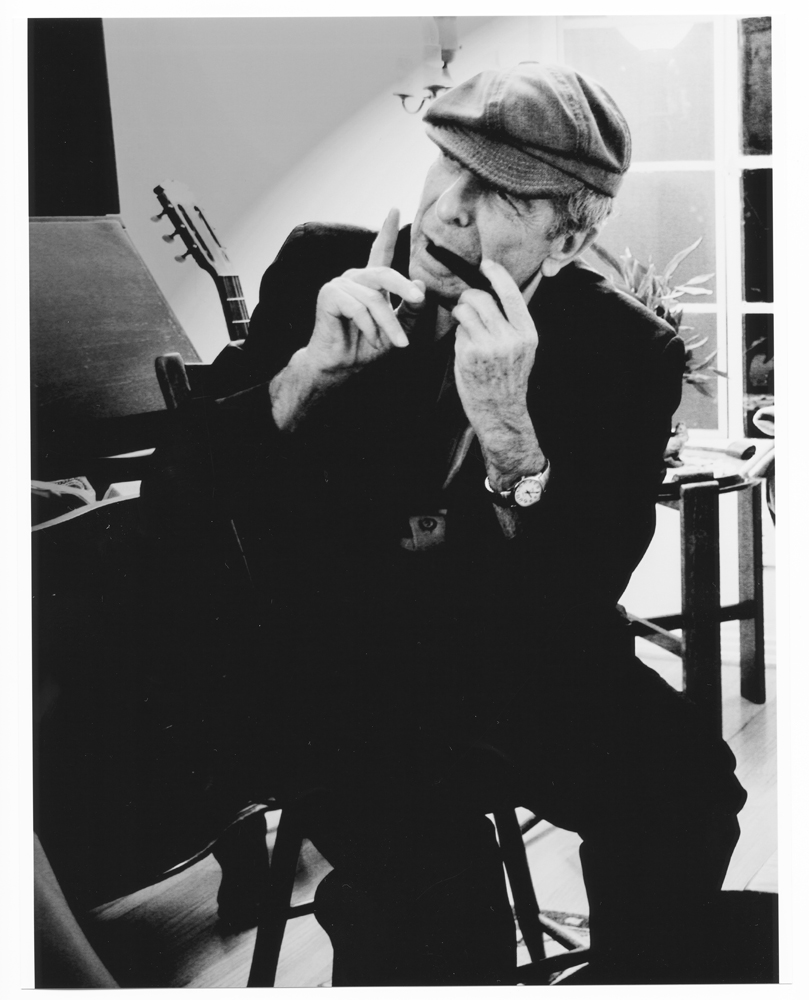
Some artists, like Bob Dylan, are known for being able to write songs in fifteen minutes on the back seat of a taxi. But Leonard Cohen (1934-2016) did not belong to this family of songwriters. The Canadian singer, dandy, musician, poet, novelist, and painter took over five years to write his beautiful Hallelujah (1984). The legend says that he scribbled between 80 and 180 different versions of the lyrics. He wrote many drafts in his notebooks, before finding the right lines for this folk-rock-gospel song.
Hallelujah: Leonard Cohen, A Journey, A Song (2021), the biographical documentary directed by Americans Dan Geller and Dayna Goldfine, traces back the incredible story of this cult song. At times confusing and a bit long, the film’s value lies in the numerous interviews with the artist, with his ex-girlfriend, French photographer Dominique Issermann, and with figures from the music industry. Together, they try to recount the difficult genesis of this monumental track. We learn that Leonard Cohen gave birth to the most played anthem at weddings and funerals during troubled times in 1984. The various changes in the lyrics, that the artist later tested during his concerts, reflected a tormented personal and spiritual journey from the profane to the sacred dimensions. The tension was so intense that the song almost never saw the light of day.
A search for divine and carnal inspiration
In both Jewish and Christian liturgies, the word “Hallelujah” describes the joy of the believer. It is used to sing God’s praises. Following the literal meaning of the word, the Canadian singer’s deep voice first interpreted the song as a melancholic prayer before it became quite erotic. The most famous version of the ballad is the one released in 1984 on his seventh album Various Positions. Leonard Cohen was 50 at the time. It combines religious metaphors and crude allusions to pleasure and sexuality. Although the singer was inspired by his study of the Bible and the Torah, and multiplied references to religious texts – notably to the biblical myth of Samson and Delilah – he quickly slipped into a completely different register.
Indeed, some lines seem to address a shattered romance and past sexual joys. It feels like all good things must come to an end. Depending on who is listening to it, the song can be experienced as a praise of a precious intimate memory or as a celebration of the divine. “There was a time you let me know / What’s really going on below” is a perfect example of that double meaning. “Below” can refer to the earthly world down here, as well as to a past flame.
“This world is full of conflicts and full of things that cannot be reconciled. But there are moments when we can reconcile and embrace the whole mess, and that’s what I mean by ‘Hallelujah’,” Leonard Cohen explained about the brilliant music piece he released after experiencing a dry spell. His two previous records, including one full of synthesizers, had not found their audience. With Hallelujah, it seems that the artist wanted to reach some kind of divine perfection.
Hallelujah, an international anthem
Today, the ambiguous, poetic, sensual, and poignant Hallelujah is a monument in music history and one of the most beautiful songs ever recorded. However, the audience gave the track a cold shoulder when it was first released in 1984. Columbia Records couldn’t grasp its unifying potential at the time. The label did not release Various Positions in the United States for lack of hit songs. Then, everything changed. In 1991, Welsh musician John Cale, former member of The Velvet Underground, did a landmark cover of the song. In 1994, Jeff Buckley’s celestial, disturbing voice transcended the song and made it a hit. Bob Dylan also did his own version later, before numerous TV talent show contestants messed up the song…
When Leonard Cohen died in 2016, Hallelujah topped the charts in France. He became number one posthumously for the first time in his entire career. Today, the track symbolizes the mystical quest of a fascinating artist who started music late in his 30s, after a career as a writer, and ended up broke after living in a Buddhist monastery in California, where he was eventually ordained a monk. As a womanizer and a great seducer, Leonard Cohen yearned for wisdom, hoping to overcome his chronic depression. The poetic staging of this struggle, between earthly desires and a redeeming transcendence that would help him to live and believe in the meaning and value of a life here on earth, is without any doubt what makes Hallelujah so universal.
“Hallelujah: Leonard Cohen, A Journey, A Song” (2021) by Dan Geller and Dayna Goldfine, available on Prime Video.